

Understanding plant families can help gardeners, foragers, herbalists, food forest designers and plant lovers see useful plants in a more connected way.
Key Takeaways
- Plant families help us understand patterns between related edible, medicinal and useful plants.
- Plants are grouped into families because they share ancestry, structure, chemistry or genetic relationships.
- Knowing a plant family can help with identification, garden planning, food forest design and safe plant research.
- Family knowledge is useful, but it does not prove a plant is edible or safe. Always check the exact species and plant part.
- The updated Plants For A Future plant family page lists 309 plant families with genus links to database plants.
- Some of the most important useful plant families include Fabaceae, Rosaceae, Poaceae, Brassicaceae, Amaranthaceae, Lamiaceae, Asteraceae, Apiaceae, Solanaceae, Moraceae, Fagaceae and Rhamnaceae.
Introduction: The Day the Garden Started Making Sense
The first time you learn a plant’s name, it feels like meeting a stranger.
The second time, it feels like recognising a face.
But when you learn the plant family, something bigger happens. The garden starts to make sense.
You notice that mint, basil, rosemary, thyme and sage all have square stems, scented leaves and small two-lipped flowers. You learn they are part of the mint family. You notice that apples, pears, cherries, plums, strawberries, raspberries and hawthorns all have a certain family resemblance. They are all part of the rose family. You notice that peas, beans, clovers, acacias and many nitrogen-fixing trees often have pod-like fruits. They belong to the legume family.
Suddenly, plants are not just thousands of separate names. They become families, patterns and stories.
This matters because there are many thousands of edible, medicinal and useful plants in the world. Kew has documented at least 7,039 edible plant species, yet modern agriculture depends heavily on a small number of crops. That means much of the plant world is still underused, underappreciated or forgotten.
Plant families help us find that hidden richness.
They can help gardeners choose better plants. They can help foragers avoid dangerous mistakes. They can help food forest designers build more resilient systems. They can help herbalists understand why certain groups of plants have similar chemistry. They can also help ordinary plant lovers see the natural world with more curiosity.
Plants For A Future has recently updated its plant family webpage. The page now lists 309 plant families, with links to genera and database plants. This makes it easier to explore useful plants by family, whether you are interested in food, medicine, wildlife, fibres, dyes, hedges, timber, soil improvement or food forest design.
This article is a simple guide to why plant families matter, how they work, and which families are especially rich in edible, medicinal and useful species.
What Is a Plant Family?
A plant family is a group of related plants.
Plants in the same family often share certain features. These may include flower shape, fruit type, seed structure, leaf arrangement, growth habit, chemistry or genetic history.
For example:
- The mint family often has aromatic leaves and square stems.
- The pea family often has pod-like fruits and many nitrogen-fixing species.
- The grass family includes cereal crops such as wheat, rice, maize, oats and barley.
- The rose family includes many familiar temperate fruits.
- The daisy family has flower heads that are actually clusters of many tiny flowers.
A family is one level in the plant classification system. A simplified version looks like this:
Kingdom → Order → Family → Genus → Species
For example, apple belongs to:
Plant kingdom → Rosales order → Rosaceae family → Malus genus → Malus domestica species
The family tells us that apple is related to many other well-known fruits, including pears, quinces, hawthorns, cherries, plums, apricots, strawberries and raspberries.
That does not mean every plant in a family is edible or safe. It means they share ancestry and often share useful patterns.
Why Are Plants Grouped Into Families?
Plants are grouped into families because scientists need a way to organise the enormous diversity of plant life.
There are hundreds of thousands of known plant species. Without classification, the plant world would be almost impossible to study clearly. Families help botanists, gardeners, ecologists, farmers, herbalists and conservationists communicate about plants.
Originally, plant families were based mostly on visible features. Botanists looked at flowers, fruits, seeds, leaves and growth forms. Today, plant classification also uses DNA evidence. This has changed the position of some plants, because genetic studies can reveal relationships that are not obvious from appearance alone.
This is why some plant names and family placements change over time. It can be frustrating, but it is part of science becoming more accurate.
A plant family is not just a label. It is a clue.
It can suggest:
- what kind of flower a plant may have
- what kind of fruit or seed it may produce
- whether related species have edible parts
- whether the family contains poisonous plants
- whether it may attract certain insects
- whether it may fix nitrogen
- whether it may be useful for fibres, oils, dyes or medicine
In other words, family knowledge gives you a head start.
Why Plant Families Are Useful for Edible Plants
If you are interested in edible plants, families are one of the best ways to learn.
Many of our most important foods come from a small number of plant families. The grass family gives us wheat, rice, maize, barley, oats, rye and sugar cane. The legume family gives us beans, peas, lentils, chickpeas, peanuts, soybeans and many edible tree seeds. The rose family gives us apples, pears, plums, cherries, almonds, strawberries and raspberries.
Once you know a family, you begin to see food patterns.
For example, the Brassicaceae family includes cabbage, broccoli, kale, mustard, radish, turnip, rocket and watercress. These plants often have peppery or sulphur-rich flavours. The Apiaceae family includes carrot, parsley, celery, fennel, dill, coriander and parsnip. Many are aromatic and useful, but the same family also includes deadly poisonous plants such as hemlock and water hemlock.
That is the important lesson: plant families can guide you, but they do not replace careful identification.
Knowing a plant is in a useful family can make you curious. It should not make you careless.
Why Plant Families Are Useful for Medicinal Plants

Plant families are also important in herbal and medicinal traditions because related plants often share chemical patterns.
The mint family contains many aromatic herbs rich in essential oils. The daisy family includes plants used in traditional herbal medicine, such as chamomile, yarrow, calendula, dandelion and echinacea. The nightshade family includes important medicinal alkaloids, but also many toxic species. The poppy family includes plants with powerful medicinal compounds, but also plants that require great caution.
This is why family knowledge can be both helpful and protective.
If you know a plant belongs to a family with strong medicinal chemistry, you treat it with respect. You look up the exact species. You check which part is used. You check preparation methods. You check dose, contraindications and safety warnings.
Medicinal plants are not automatically safe because they are natural. In fact, many of the world’s strongest medicines and poisons come from plants.
Plant family knowledge helps us ask better questions.
Why Plant Families Are Useful for Food Forest Design
Food forest design is about more than choosing plants one by one. It is about building a living system.
A food forest may include canopy trees, smaller fruit trees, shrubs, climbers, herbaceous plants, groundcovers, roots, fungi and soil-building species. Plant families help designers choose plants with different roles.
For example:
- Fabaceae can provide food and nitrogen fixation.
- Rosaceae can provide fruits for people and wildlife.
- Moraceae can provide figs, mulberries and dense productive canopy.
- Fagaceae can provide nuts, timber, wildlife food and long-lived structure.
- Rhamnaceae can provide nitrogen-fixing shrubs and small trees in some genera.
When designing a food forest, family diversity also reduces risk. If every major fruit plant is from one family, the system may be more vulnerable to shared pests and diseases. A more diverse planting spreads that risk.
Plant families are therefore useful for both productivity and resilience.
The Updated Plants For A Future Family Page
Plants For A Future has updated its plant family page to make family-level browsing easier.
The page now lists 309 plant families, with links to genera and database plants. This is useful because many people arrive at plant research through a single plant name. But once they can browse by family, they can discover related plants with similar uses.
For example, a user interested in apples can explore the wider Rosaceae family. Someone interested in mint can explore Lamiaceae. Someone interested in nitrogen-fixing trees can explore Fabaceae. Someone interested in edible greens can compare Amaranthaceae, Brassicaceae, Asteraceae and other families.
The updated family page is especially useful because it connects several types of plant value:
- edible plants
- medicinal plants
- wildlife plants
- food forest species
- fibre plants
- dye plants
- timber plants
- hedging plants
- carbon farming and soil-building plants
- other useful species
This makes it more than a list. It becomes a discovery tool.
For gardeners, it can help answer the question: “What else is related to this plant?”
For researchers, it can help answer: “Which families are richest in useful species?”
For food forest designers, it can help answer: “Which families could fill different layers and functions in a resilient planting?”
Five Important Plant Families for Edible Plants
1. Fabaceae : The Pea and Bean Family
Fabaceae is one of the most important food families on Earth.
It includes peas, beans, lentils, chickpeas, peanuts, soybeans, clovers, lupins, carob, tamarind, acacias and many useful trees and shrubs.
The family is famous for its pod-like fruits. Many species also form relationships with nitrogen-fixing bacteria in root nodules. This means they can help bring nitrogen into the soil, although the strength of this ability varies by species and conditions.
Common edible plants include:
- Pea
- Broad bean
- Runner bean
- Lentil
- Chickpea
- Peanut
- Soybean
- Carob
- Tamarind
- Some Acacia seeds
Fabaceae is especially valuable because it provides protein-rich foods. In many traditional diets, grains and legumes are paired together. Rice and beans, wheat and lentils, maize and beans, and flatbread with chickpeas are all examples of this old nutritional partnership.
In gardens and food forests, Fabaceae species can provide food, fodder, nectar, mulch, shade, wind protection and soil improvement.
However, not all legumes are edible. Some contain toxins and need careful preparation. Lupins, for example, can contain bitter alkaloids unless properly selected and processed.
2. Rosaceae: The Rose Family
Rosaceae is one of the great fruit families of temperate regions.
It includes apples, pears, quinces, cherries, plums, peaches, apricots, almonds, strawberries, raspberries, blackberries, rosehips and hawthorns.
Common edible plants include:
- Apple
- Pear
- Plum
- Cherry
- Peach
- Apricot
- Almond
- Strawberry
- Raspberry
- Blackberry
- Rosehip
- Hawthorn fruit
This family is especially important for orchards and food forests. It provides fruits from ground level to shrub layer to small tree layer.
Rosaceae also has a long cultural history. Apples appear in folklore, religion, cider making, traditional orchards and modern breeding. Roses are grown for beauty, scent, hips and sometimes petals. Hawthorns have been used for hedging, wildlife and traditional medicine.
A useful family warning is that some Rosaceae seeds and kernels contain cyanogenic compounds. Apple seeds, cherry pits and bitter almond kernels are examples. The fruit flesh may be edible, while the seed or kernel may need caution.
This shows why family knowledge is useful, but plant-part knowledge is essential.
3. Poaceae: The Grass Family
Poaceae may be the most important edible plant family for human civilisation.
It includes wheat, rice, maize, barley, oats, rye, millet, sorghum, bamboo and sugar cane.
Common edible plants include:
- Wheat
- Rice
- Maize
- Barley
- Oats
- Rye
- Millet
- Sorghum
- Sugar cane
- Bamboo shoots
Grasses feed much of the world. Their seeds are grains. Their stems can produce sugar. Some bamboos provide edible shoots. Many grasses also provide fodder for animals.
The family’s importance is easy to overlook because grasses often seem ordinary. Yet fields of wheat, rice paddies and maize crops have shaped history, settlement, trade and population growth.
In useful plant systems, grasses can provide food, mulch, animal feed, erosion control, thatch, basketry materials and habitat.
4. Brassicaceae: The Cabbage and Mustard Family
Brassicaceae is the family of cabbages, mustards and many peppery greens.
It includes cabbage, kale, broccoli, cauliflower, Brussels sprouts, radish, turnip, swede, mustard, rocket, watercress, horseradish and many wild greens.
Common edible plants include:
- Cabbage
- Kale
- Broccoli
- Cauliflower
- Radish
- Turnip
- Rocket
- Mustard greens
- Watercress
- Horseradish
This family is famous for strong flavours. Many species contain sulphur compounds that create mustardy, peppery or cabbage-like tastes.
Brassicaceae is valuable because it provides many edible plant parts: leaves, flower buds, roots, seeds and shoots. Broccoli is unopened flower buds. Radish is a swollen root. Mustard can be a leaf, seed or condiment. Kale is a leaf crop.
In gardens, brassicas are often cool-season crops. They are productive, nutritious and widely adaptable. But they also share pests and diseases, such as cabbage white butterfly, clubroot and flea beetles. This is why crop rotation matters.
Knowing the family helps gardeners avoid planting related crops in the same place year after year.
5. Amaranthaceae: The Amaranth, Quinoa and Saltbush Family
Amaranthaceae is a diverse family with many edible and drought-tolerant plants.
It includes amaranths, quinoa, beetroot, chard, spinach, saltbushes and many chenopods.
Common edible plants include:
- Amaranth
- Quinoa
- Beetroot
- Chard
- Spinach
- Good King Henry
- Saltbush species
- Fat hen and related chenopods
This family is especially interesting because many species tolerate heat, drought, salinity or disturbed soils. Some are traditional leafy vegetables. Others are seed crops. Some saltbushes are useful for dryland grazing, edible leaves or land restoration.
Amaranth leaves are eaten in many cultures. Quinoa has become globally popular as a seed crop. Beetroot and chard show how different forms of the same family can be selected for roots, leaves or stems.
As with many edible greens, some Amaranthaceae species can contain oxalates or nitrates, especially under certain growing conditions. Correct identification and sensible use are important.
Five Important Plant Families for Medicinal Plants
1. Lamiaceae: The Mint Family
Lamiaceae is one of the best-known herbal families.
It includes mint, peppermint, spearmint, basil, rosemary, thyme, oregano, marjoram, sage, lavender, lemon balm, horehound and many others.
Common medicinal or herbal plants include:
- Peppermint
- Spearmint
- Lemon balm
- Thyme
- Rosemary
- Sage
- Lavender
- Holy basil
- Horehound
Many mint family plants are aromatic. Their leaves often contain essential oils. These oils give the plants their scent and flavour, and many have been used traditionally for digestion, colds, relaxation, cooking and insect attraction.
The family is also excellent for pollinators. Many Lamiaceae flowers are rich in nectar and attract bees, butterflies and other insects.
A simple field clue is the square stem, opposite leaves and aromatic foliage. Not every member is strongly scented, but many are.
2. Asteraceae: The Daisy and Sunflower Family
Asteraceae is one of the largest plant families and one of the richest in useful plants.
It includes dandelion, chamomile, yarrow, calendula, echinacea, lettuce, chicory, artichoke, sunflower, burdock, arnica, feverfew and many thistles.
Common medicinal or herbal plants include:
- Chamomile
- Yarrow
- Calendula
- Echinacea
- Dandelion
- Burdock
- Feverfew
- Arnica
- Chicory
The flower head of a daisy is not one flower. It is a cluster of many tiny flowers. This is one reason the family is so recognisable once you learn it.
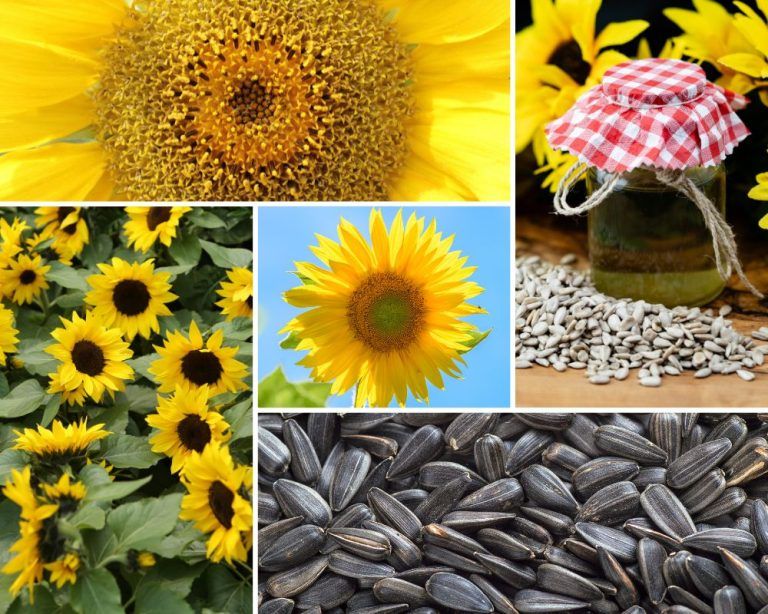
Asteraceae plants have been used for teas, bitter tonics, wound care, liver support, immune support and many other traditional purposes. Some are also important foods. Lettuce, sunflower, artichoke, chicory and dandelion all belong here.
However, some people are allergic to members of this family, especially those sensitive to ragweed and related plants. Some medicinal species, such as arnica, require caution and are not used like ordinary food plants.
3. Apiaceae: The Carrot and Parsley Family
Apiaceae is both useful and dangerous.
It includes carrot, parsley, celery, coriander, fennel, dill, angelica, lovage, parsnip, anise, cumin and caraway. It also includes deadly poisonous plants such as poison hemlock and water hemlock.
Common medicinal or aromatic plants include:
- Fennel
- Dill
- Coriander
- Anise
- Caraway
- Cumin
- Angelica
- Lovage
Many Apiaceae plants have umbrella-shaped flower clusters called umbels. Many are aromatic, especially in the seeds, leaves or roots.
This family is important in cooking and traditional medicine. Fennel, dill, anise, coriander and caraway are widely used for flavour and digestion.
But this is one of the families where identification is critical. A mistake can be fatal. Wild carrot and poison hemlock are not plants to casually confuse.
The lesson is simple: family knowledge can warn you as well as guide you.
4. Solanaceae: The Nightshade Family
Solanaceae is a dramatic family.
It includes tomato, potato, chilli, sweet pepper, eggplant, tomatillo, goji berry, tobacco, deadly nightshade, henbane, datura and mandrake.
Common useful or medicinally significant plants include:
- Chilli pepper
- Goji berry
- Tobacco
- Datura species
- Belladonna
- Henbane
- Tomato
- Potato
This family shows how close food, medicine and poison can be. Tomato, potato, chilli and eggplant are major foods. Other members contain powerful alkaloids and can be highly toxic.
The medicinal history of Solanaceae is long, but it requires expertise. Some compounds from this family have been used in medicine, but many plants are unsafe for home use.
For gardeners, the family is also useful for crop rotation. Tomatoes, potatoes, peppers and eggplants share some pests and diseases. Knowing they are related helps gardeners plan better rotations.
5. Rosaceae: The Rose Family
Rosaceae is not only a fruit family. It is also an important medicinal family.
Common medicinal or traditional-use plants include:
- Hawthorn
- Rosehip
- Meadowsweet
- Agrimony
- Blackberry leaf
- Raspberry leaf
- Wild cherry bark
Hawthorn has a long association with heart-related herbal traditions. Rosehips are valued for their vitamin C content. Raspberry leaf and blackberry leaf have been used in teas. Meadowsweet has a notable history because it contains salicylate-related compounds.
Rosaceae is a good example of a family where edible, medicinal and ecological values overlap. The same hedgerow may provide fruit, flowers for insects, nesting habitat for birds, thorny protection and traditional herbal uses.
Five Useful Plant Families for Food Forest Design and Other Practical Uses
1. Fabaceae: Nitrogen, Food, Fodder and Soil Building
Fabaceae is one of the most useful families in food forest design.
Many species can support nitrogen-fixing bacteria. This makes the family valuable for soil-building systems, although not every species fixes nitrogen equally.
Useful food forest plants include:
- Peas and beans
- Clovers
- Lupins
- Siberian pea shrub
- Carob
- Honey locust
- Acacias
- Albizia
- Black locust
Possible uses include:
- edible seeds and pods
- animal fodder
- bee forage
- nitrogen fixation
- coppice wood
- windbreaks
- living mulch
- pioneer planting
In a young food forest, nitrogen-fixing shrubs and trees can help support slower-growing fruit and nut trees. Some can be coppiced or pruned to provide mulch. Others provide flowers for insects or pods for animals.
Care is needed because some legumes can be invasive outside their native range. Black locust, gorse and some acacias are examples in certain regions.
2. Rosaceae: Fruit, Hedges and Wildlife
Rosaceae is one of the backbone families of temperate food forests.
Useful food forest plants include:
- Apple
- Pear
- Plum
- Cherry
- Quince
- Medlar
- Serviceberry
- Hawthorn
- Rose
- Raspberry
- Blackberry
- Strawberry
This family can fill several food forest layers:
- small trees
- shrubs
- climbers or ramblers
- groundcovers
- hedges
Rosaceae plants are also valuable for wildlife. Their spring flowers feed pollinators. Their fruits feed birds, mammals and people. Thorny species can create protective nesting habitat.
A mixed Rosaceae planting can provide fruit over a long season, from early strawberries and cherries to late apples, pears and rosehips.
3. Moraceae: Figs, Mulberries and Productive Canopy
Moraceae is the fig and mulberry family.
Useful food forest plants include:
- Fig
- Mulberry
- Breadfruit
- Jackfruit
- Che
- Osage orange
This family is especially important in warm temperate, subtropical and tropical systems, although some mulberries and figs can grow in cooler climates.
Figs are ancient food plants. Mulberries are generous fruiting trees and can also feed silkworms. Breadfruit and jackfruit are major tropical food trees.
In food forests, Moraceae species can provide:
- fruit
- shade
- wildlife food
- biomass
- durable trees
- tropical staple crops
Mulberries are often loved by birds as much as people. This can be useful: a mulberry may distract birds from other fruit crops, or it may become a shared harvest tree.
4. Fagaceae: Oaks, Chestnuts and Long-Term Structure
Fagaceae is the beech, oak and chestnut family.
Useful food forest plants include:
- Chestnut
- Oak
- Beech
- Stone oak
- Chinquapin
This is a family of long-lived trees. In a food forest, it can provide structure, shade, wildlife habitat, timber and edible nuts.
Chestnuts are especially important because they can be a staple carbohydrate crop. Unlike many nuts, chestnuts are lower in oil and higher in starch. They have been used as a traditional food in parts of Europe and Asia.
Oaks produce acorns, many of which can be eaten after leaching tannins. Acorns were important foods for many Indigenous cultures. Today they are less commonly used, but they remain an important example of underused tree food.
Fagaceae trees are also ecologically powerful. Oaks, in particular, support many insects, birds and fungi.
5. Rhamnaceae: Shrubs, Nitrogen Fixation and Resilient Planting
Rhamnaceae is the buckthorn family.
Useful food forest plants include:
- Sea buckthorn
- Jujube
- Ceanothus
- Various buckthorns
This family includes edible fruits, wildlife shrubs, hedging plants and nitrogen-fixing species in some genera such as Ceanothus.
Sea buckthorn is valued for its bright orange fruits, which are rich in sharp flavour and used in juices, preserves and supplements. Jujube is a drought-tolerant fruit tree with sweet fruits. Ceanothus species can be useful for pollinators and soil improvement.
Some Rhamnaceae species can be invasive, so local suitability matters.
In food forest design, this family can provide tough shrubs for difficult conditions, wildlife value, fruit and support functions.
Plant Families Help Us See Patterns, But Species Still Matter
A plant family is a map, not a guarantee.
It can tell you where to look, but it cannot tell you everything.
For example:
- Many Apiaceae species are edible herbs, but some are deadly poisonous.
- Many Lamiaceae species are safe culinary herbs, but not all should be used freely.
- Many Rosaceae fruits are edible, but some seeds or kernels contain toxic compounds.
- Many Fabaceae species are useful nitrogen fixers, but some are toxic or invasive.
- Many Solanaceae species are food crops, but others are dangerous poisons.
The correct question is not: “Is this family edible?”
The better question is: “Which species is this, which part is used, how is it prepared, and what cautions apply?”
That is where a plant database becomes valuable.
Interesting Plant Family Facts
1. Some Families Dominate Our Food System
A small number of plant families provide many of the world’s major crops.
Poaceae gives us the cereals. Fabaceae gives us pulses and protein crops. Brassicaceae gives us many vegetables and oilseed crops. Rosaceae gives us many temperate fruits. Solanaceae gives us tomatoes, potatoes, peppers and eggplants.
Learning these families helps explain the structure of agriculture itself.
2. Some Families Are Chemical Specialists
Certain families are known for particular types of chemistry.
Lamiaceae is famous for aromatic oils. Solanaceae is famous for alkaloids. Brassicaceae is famous for mustard oils. Apiaceae is famous for aromatic seeds and roots. Asteraceae includes many bitter and latex-producing plants.
This matters for food, medicine, flavour and safety.
3. Some Families Are Ecological Workhorses
Fabaceae can improve soil through nitrogen fixation. Poaceae can stabilise soil with fibrous roots. Fagaceae can support complex woodland ecosystems. Lamiaceae and Asteraceae can feed pollinators. Rosaceae can support birds, insects and mammals through flowers, fruits and thickets.
A useful plant is not only useful to humans. It may also be useful to the whole ecosystem.
4. Family Knowledge Helps With Plant Identification
If you can recognise a family, you can narrow down an unknown plant.
A square-stemmed aromatic herb may suggest Lamiaceae. A plant with pea-like flowers and pods may suggest Fabaceae. A plant with umbrella-like flower clusters may suggest Apiaceae. A plant with daisy-like composite heads may suggest Asteraceae.
This does not replace a flora or identification key, but it helps you know where to start.
5. Family Names Often End in “-aceae”
Most formal plant family names end in “-aceae”.
Examples include:
- Rosaceae
- Fabaceae
- Lamiaceae
- Asteraceae
- Poaceae
- Brassicaceae
- Apiaceae
- Solanaceae
Common names are easier for beginners, but scientific family names are more precise. “Mint family” is Lamiaceae. “Rose family” is Rosaceae. “Grass family” is Poaceae.
How to Use the PFAF Family Page
The updated PFAF family page can be used in several ways.
Start With a Plant You Already Know
If you like apples, look at Rosaceae. If you like mint, look at Lamiaceae. If you like beans, look at Fabaceae.
This helps you move from one familiar plant to many related plants.
Browse by Use
If you are interested in edible plants, explore families rich in food species. If you are interested in medicinal plants, look at herbal families. If you are designing a food forest, look for families that provide trees, shrubs, climbers, groundcovers and soil support.
Look for Patterns
Ask questions as you browse:
- Do many plants in this family have edible leaves?
- Are the fruits commonly used?
- Does the family include poisonous species?
- Are the plants mostly trees, herbs, shrubs or climbers?
- Are they useful for pollinators?
- Do they prefer wet, dry, shaded or sunny conditions?
Use Family Knowledge Carefully
Always check the individual plant page. A family overview is a starting point. The species page gives the details.
Glossary
- Plant family
- A group of related plants that share ancestry and often have similar flowers, fruits, seeds, chemistry or growth patterns.
- Genus
- A group of closely related species. For example, Malus is the apple genus.
- Species
- A specific kind of plant. For example, Malus domestica is the domestic apple.
- Taxonomy
- The science of naming, describing and classifying living things.
- Fabaceae
- The pea and bean family, including peas, beans, clovers, acacias, lentils and many nitrogen-fixing plants.
- Rosaceae
- The rose family, including apples, pears, plums, cherries, strawberries, raspberries, hawthorns and roses.
- Poaceae
- The grass family, including wheat, rice, maize, oats, barley, bamboo and sugar cane.
- Lamiaceae
- The mint family, including mint, basil, rosemary, thyme, sage, lavender and lemon balm.
- Asteraceae
- The daisy and sunflower family, including dandelion, chamomile, yarrow, calendula, sunflower and lettuce.
- Food forest
- A designed planting system that imitates a young woodland and includes edible and useful trees, shrubs, climbers, herbs and groundcovers.
- Nitrogen fixation
- A process where certain plants, often with the help of bacteria, can convert atmospheric nitrogen into forms that plants can use.
- Umbel
- An umbrella-shaped flower cluster, common in the Apiaceae family.
- Coppice
- A tree or shrub cut back to encourage new shoots, often used for poles, mulch, fuel or biomass.
FAQs
What is a plant family?
A plant family is a group of related plants. Plants in the same family often share ancestry, flower structure, fruit type, chemistry or growth habits.
Why is it useful to know plant families?
Knowing plant families helps you see patterns between related plants. It can help with plant identification, edible plant research, medicinal plant safety, garden planning and food forest design.
Does being in an edible plant family mean a plant is safe to eat?
No. A plant family can provide clues, but it does not prove a plant is edible or safe. Always identify the exact species, check the edible plant part, and follow reliable preparation and safety guidance.
Which plant family contains beans and peas?
Beans and peas belong to Fabaceae, also known as the pea, bean or legume family. This family also includes lentils, chickpeas, peanuts, clovers, lupins, carob and many acacias.
Which plant family contains apples and strawberries?
Apples and strawberries belong to Rosaceae, the rose family. This family also includes pears, plums, cherries, peaches, raspberries, blackberries, hawthorns and roses.
Which plant family is most important for grains?
Poaceae, the grass family, is the most important family for grains. It includes wheat, rice, maize, barley, oats, rye, millet and sorghum.
Why is Apiaceae considered risky for foragers?
Apiaceae includes useful plants such as carrot, parsley, fennel, dill and coriander, but it also includes deadly poisonous species such as poison hemlock and water hemlock. Accurate identification is essential.
How many plant families are listed on the PFAF family page?
The updated Plants For A Future family page lists 309 plant families, with links to genera and database plants.
How can plant families help with food forest design?
Plant families help food forest designers choose plants for different roles, such as fruit production, nitrogen fixation, wildlife support, soil improvement, shade, timber, hedging and groundcover.
Where can I browse plant families on Plants For A Future?
You can browse the PFAF plant family page at https://pfaf.org/user/family.aspx.
Conclusion: Plant Families Turn Lists Into Living Knowledge
A list of plant names can feel overwhelming.
A plant family gives the list structure.
It shows that apples and hawthorns are connected. It shows that mint and rosemary are cousins. It shows that beans, clovers and acacias belong to a soil-building family. It shows that some of our best foods, medicines, fibres, dyes and wildlife plants are not random discoveries. They are part of botanical patterns.
That is why plant families are worth learning.
They help us understand plants more deeply. They help us garden more intelligently. They help us forage more safely. They help us design better food forests. They help us discover useful species that might otherwise be overlooked.
The updated Plants For A Future family page, with 309 plant families and links to database plants, is a useful doorway into this wider world.
Start with one family. Follow the links. Notice the patterns.
Before long, the plant world will stop looking like a crowd of strangers.
It will start looking like a set of families, each with its own history, character and gifts.