
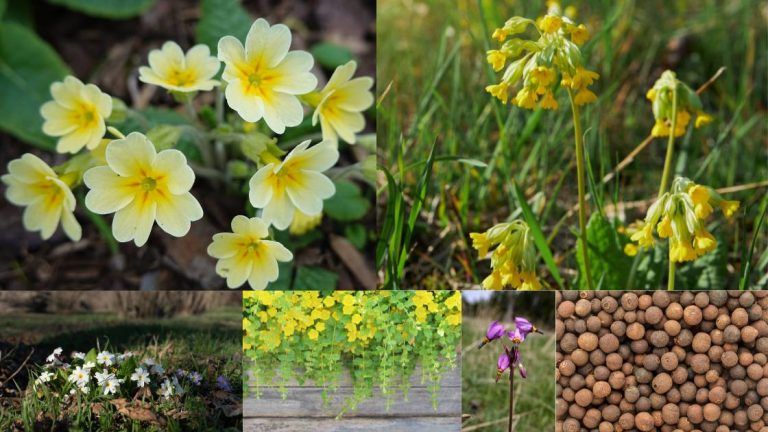
The Primulaceae, or primrose family, includes far more than ornamental spring flowers. It contains useful plants with edible leaves, edible flowers, medicinal traditions, and practical garden value. Well-known members such as Primula vulgaris and Primula veris offer edible blossoms and long herbal histories, while species such as Lysimachia nummularia, Embelia ribes, and Dodecatheon hendersonii show the family’s wider value across temperate and tropical regions. Plants For A Future’s current Southwest expansion is also helping improve and broaden coverage of important plant families, including Primulaceae.
Key Takeaways
- Primulaceae is a diverse plant family that includes low perennials, groundcovers, climbers, shrubs, and species adapted to woodland, meadow, wetland, mountain, and tropical conditions.
- Several family members have edible uses, especially leaves, flowers, or fruits.
- Primula vulgaris is one of the earliest perennial flowers, often appearing alongside snowdrops.
- Its main flowering period is late winter to mid-spring, often described as February to May.
- Useful Primulaceae species are not limited to Europe. The family also includes North American and tropical species with food and medicinal value.
- PFAF’s current Southwest expansion adds 946 new and updated entries, continuing wider work to improve climate-relevant plant coverage across the database.
Contents
What is the Primulaceae family?
The Primulaceae is the primrose family. It is often associated with spring flowers, but the family is broader and more varied than that first impression suggests. Its members include low-growing perennials, creeping groundcovers, woodland plants, wetland species, climbers, shrubs, and tropical plants. In gardens and landscapes, many are valued for their flowers, but a number also have edible, medicinal, or practical uses.
Many Primulaceae species have simple leaves and flowers with fused petals. Some of the best-known members form low rosettes of leaves and send flowers up on short stalks above the foliage. Others spread across the ground, while tropical relatives can climb or grow as woody plants. Growing conditions vary by genus and species, but many familiar members of the family do best in moist but well-drained soils, often in woodland, meadow, streamside, or cool garden settings.
That diversity is part of what makes Primulaceae interesting. It is a family that combines beauty with practical value. Some species offer edible leaves or flowers. Some have long herbal traditions. Others are useful as ornamental groundcovers, shade-tolerant perennials, or seasonal support plants in habitat-rich gardens.
Why this family matters
Primulaceae matters because useful plants are not always big crops or large shrubs. Some are small seasonal herbs that fill a gap in the year. Some offer flowers for salads, syrups, wines, or teas. Some provide traditional medicine. Others help bind a planting together at ground level, covering soil and adding early seasonal colour when little else is in flower.
This family is also important because it brings together several kinds of value at once. A plant may be attractive, edible, and medicinal. It may suit woodland edges, food forest margins, or damp ornamental plantings. In a plant database such as PFAF, that makes Primulaceae especially worthwhile, because it includes species that are useful not only for one purpose, but often for several.
1. Primula vulgaris — Common primrose
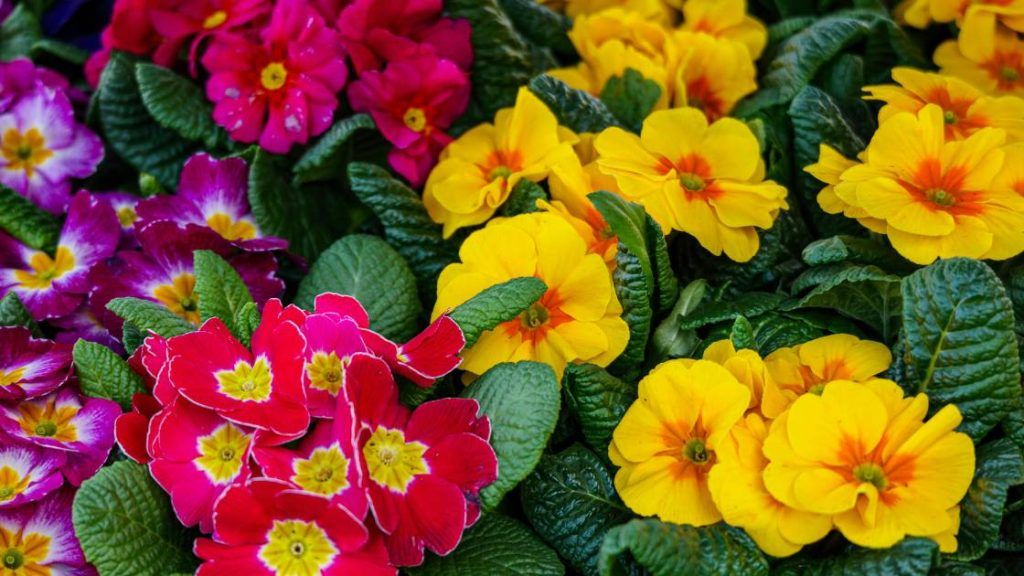
If one plant represents the family in the public imagination, it is the common primrose. Primula vulgaris is a perennial suitable for light, medium, and heavy soils, including heavy clay, and able to grow in semi-shade or full sun where moisture is available. It is also noted as useful in woodland garden settings, hedgerows, meadows, and as ground cover.
This species is important because it is one of the earliest perennial flowers of the year. Its flowering period is late winter to mid-spring, often from February to May, and it is frequently one of the first flowers to appear alongside snowdrops. That early appearance is one reason primroses have such a strong place in traditional gardens and in the cultural memory of spring.
It is not only ornamental. The young leaves can be eaten raw or cooked, often used as a potherb or added to soups. The flowers can be eaten raw or cooked, used as a garnish in salads, or made into conserves. The flowers were also traditionally fermented with water and sugar to make primrose wine, and both leaves and flowers can be made into a syrup or tea.
Primula vulgaris also has a long medicinal history. It has been used in traditional herbal practice for spasms, cramps, paralysis, rheumatic pains, and headaches, although the related Primula veris is generally considered more effective medicinally. This makes common primrose a good example of how a familiar flowering perennial can also carry practical food and herbal value.
In a modern PFAF context, this is exactly the kind of plant worth highlighting: beautiful, ecologically useful, edible in small but real ways, and rich in cultural and herbal tradition.
2. Primula veris — Cowslip
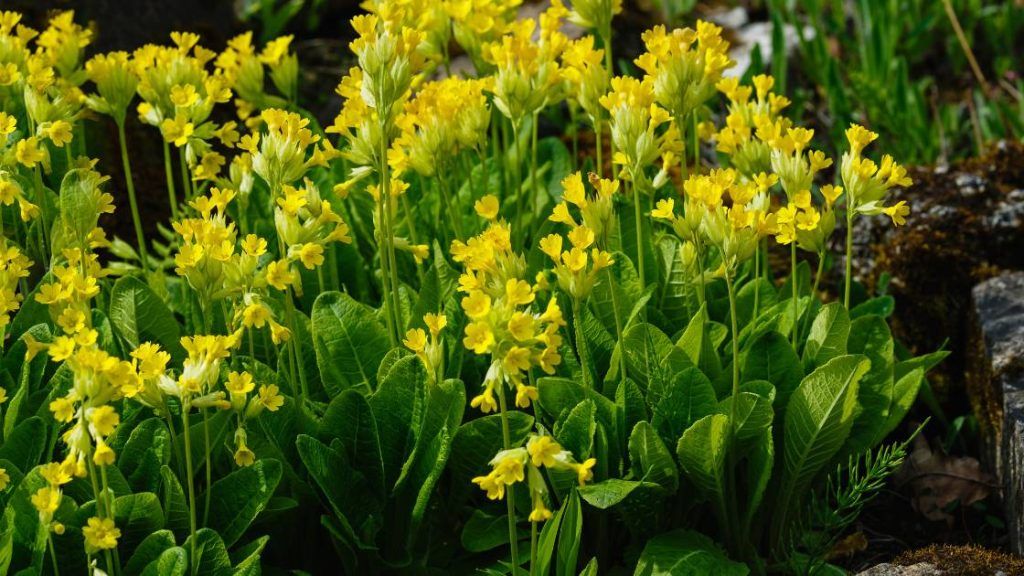
Cowslip is one of the best-known useful relatives of the common primrose. It is an edible and medicinal perennial with flowers and leaves that can be eaten raw or cooked. The flowers are especially valued in traditional use, where they have been added to salads, made into conserves, and used in a wine known for sedative and nervine qualities.
Medicinally, cowslip has one of the stronger reputations in the family. It has traditionally been used for coughs, nervous tension, sleeplessness, and headaches. At the same time, caution is sensible, as some people may be sensitive to parts of the plant.
Cowslip matters because it shows that Primulaceae species were historically part of household food and medicine, not simply ornamental meadow flowers. Like common primrose, it belongs to that important seasonal group of plants that connected spring beauty with practical use.
3. Lysimachia nummularia — Creeping Jenny
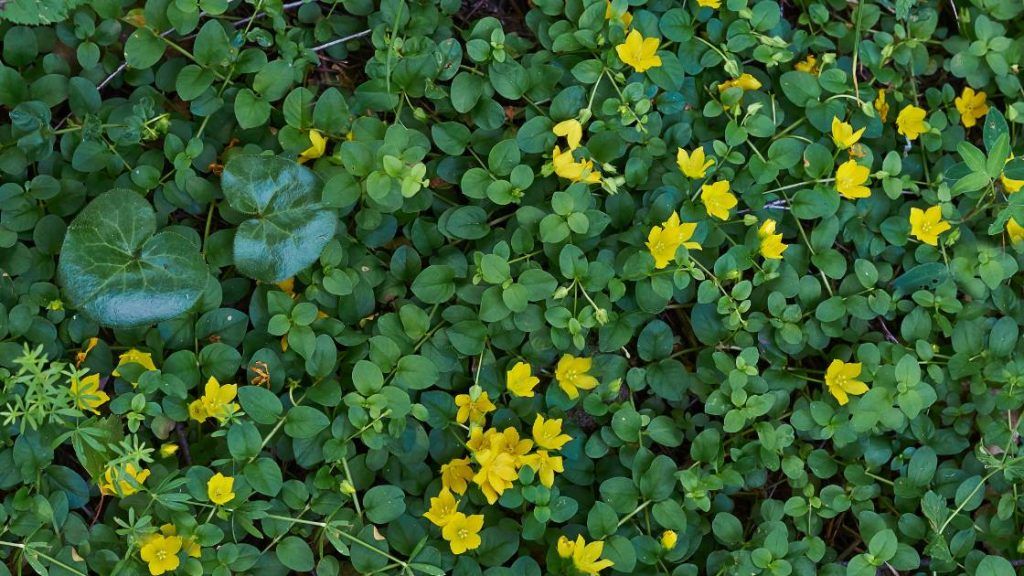
Not all useful Primulaceae stand upright in meadows or woodland clearings. Lysimachia nummularia, commonly known as creeping Jenny or moneywort, is a creeping perennial that spreads across damp soil and is often grown as an ornamental groundcover. It suits moist or wet conditions and works well in places such as pond margins, bog gardens, and damp ornamental plantings.
Its edible role is modest but interesting. The leaves and flowers have been used to make a tea. More importantly, the plant has a notable medicinal history and has been used traditionally for wounds and other complaints.
This species is important partly because of function. It shows how family usefulness can include low-growing, space-filling plants that support planting design while still carrying herbal value. In habitat-focused or ornamental gardening, plants like creeping Jenny are often more useful than they first appear.
4. Embelia ribes — False black pepper
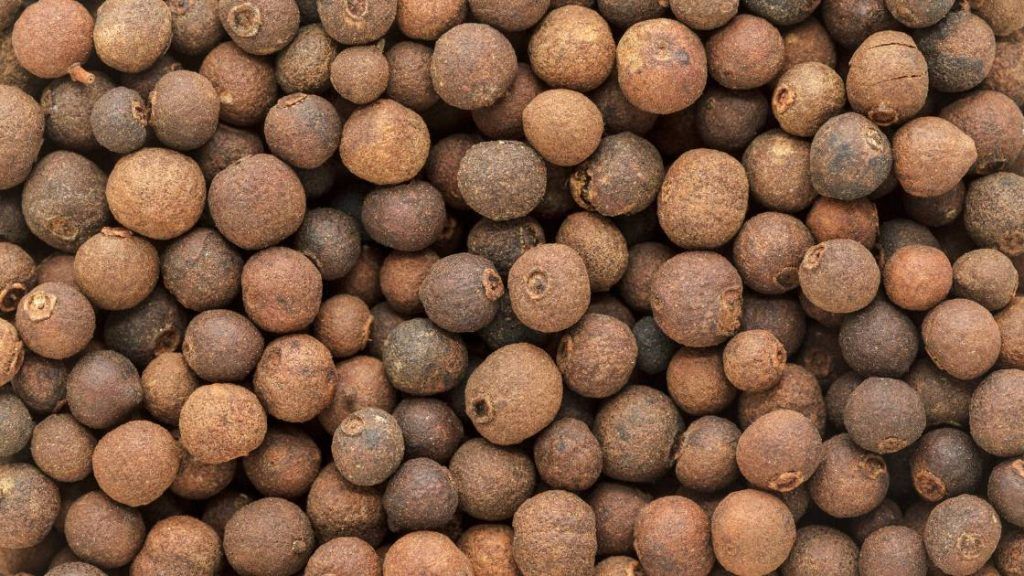
Embelia ribes broadens the picture of Primulaceae. This is not a small temperate primrose but a tropical evergreen climber. Its young leaves and shoots are eaten raw, usually mixed with other greens. The fruit is also edible and has a sour-sweet taste. The leaves and fruit can be made into a refreshing drink, and the dried fruit has been used as a substitute for black pepper.
Medicinally, it is one of the more notable useful plants in the family. The dried berries have long been used in traditional medicine, especially in relation to intestinal worms and other complaints. The plant has also had practical field uses, such as bark used to repel leeches.
This species matters because it expands the family story beyond European spring flora. It shows that Primulaceae also includes tropical useful plants with edible, medicinal, and practical value. For readers interested in useful plant families as a whole, that wider reach is important.
5. Dodecatheon hendersonii — Sailor-caps
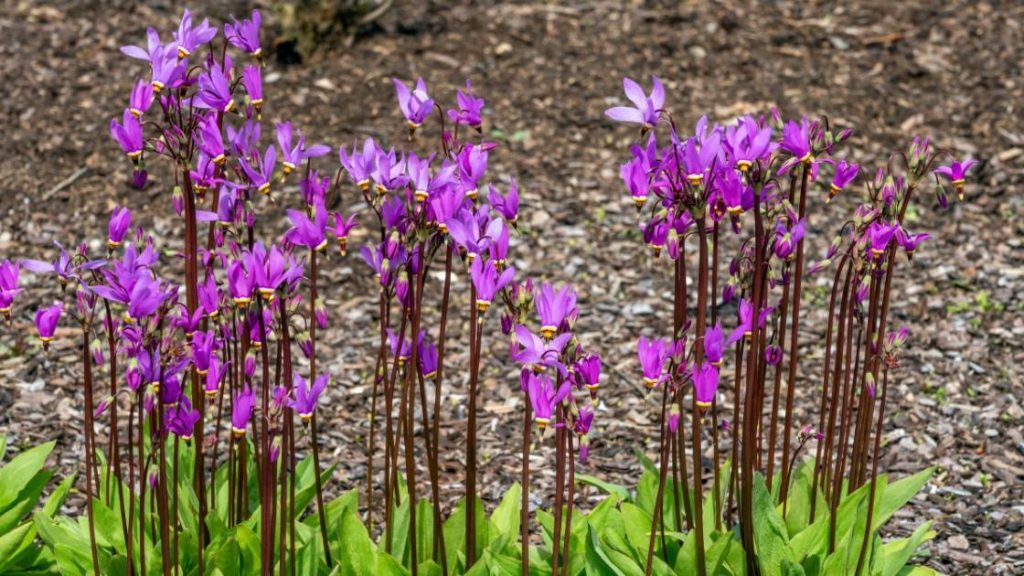
Dodecatheon hendersonii is a western North American member of the family and a reminder that useful Primulaceae also belong to American floras. It is a perennial of woods and prairies, preferring moist, rich, well-drained soil in shade or semi-shade.
The species is particularly interesting for its edible root and leaves. The root has been cooked, including roasting in ashes, and the leaves can also be eaten cooked. It does not have the same broad medicinal reputation as cowslip or Embelia ribes, but it remains valuable as an example of a regional food plant within the family.
This matters because it reminds us that useful plant knowledge is geographically diverse. The Primulaceae is not only a family of European primroses. It also includes North American species with local food traditions and practical value.
Useful plants, but not all are equally safe
As with many plant families, usefulness does not mean every species is equally safe or equally suitable as food. Some plants in or formerly associated with this group have mixed records in older herbals and wild-food literature. That is one reason databases such as PFAF are valuable: they help separate plants with well-established practical uses from those that need stronger caution or more limited use. Any food or medicinal use should always be approached carefully and with proper identification.
PFAF’s current Primulaceae work
Plants For A Future recently announced a major Southwest expansion that adds 946 new and updated entries to the database, including 570 fully revised profiles and 376 entirely new species. The project is focused on drought-adapted, heat-tolerant, high-resilience plants from the American Southwest and forms part of a wider effort to deepen PFAF coverage across temperate, Mediterranean, tropical, subtropical, semi-arid, and arid climate zones.
Within that wider effort, PFAF is also adding or updating Primulaceae species as part of ongoing family and climate-zone improvement work. That is important because families such as Primulaceae are often more useful than they first appear. Better family coverage helps users discover lesser-known edible plants, medicinal species, groundcovers, and ecologically valuable perennials that might otherwise be overlooked.
This is part of what makes the PFAF database so useful. It does not just list plants. It helps reveal connections across families, uses, climates, and planting systems. In the case of Primulaceae, that means showing how a family best known for primroses also includes useful plants for food, medicine, habitat planting, and ornamental design.
Conclusion
The Primulaceae is more than a spring-flower family. It includes edible and medicinal perennials, useful groundcovers, tropical climbers, and regionally important food plants. Primula vulgaris remains the best-loved face of the group: one of the earliest perennial flowers, often blooming alongside snowdrops and offering edible leaves and flowers as well as a long herbal history. But when it is placed alongside cowslip, creeping Jenny, false black pepper, and sailor-caps, the full usefulness of the family becomes much clearer.
For gardeners, foragers, herbalists, and food forest designers, this is a family of quiet but genuine value. It brings together seasonal beauty, practical uses, and ecological potential. That makes Primulaceae a plant family well worth knowing better.
FAQs
What is the Primulaceae family best known for?
The Primulaceae is best known for primroses, cowslips, cyclamens, and other ornamental flowering plants, especially those associated with spring. But it also includes edible, medicinal, and ecologically useful species.
Are any Primulaceae plants edible?
Yes. Several Primulaceae plants have recorded edible uses. Primula vulgaris and Primula veris have edible flowers and leaves. Embelia ribes has edible fruit and edible young shoots. Dodecatheon hendersonii has edible cooked roots and leaves.
Is common primrose edible?
Yes. The young leaves of Primula vulgaris can be eaten raw or cooked, and the flowers can be eaten raw or cooked, used in salads, made into conserves, or turned into a syrup, tea, or wine.
When does Primula vulgaris flower?
Primula vulgaris flowers in late winter to mid-spring, commonly described as February to May. It is often seen alongside snowdrops.
Are Primulaceae plants medicinal?
Some are. Species such as Primula vulgaris, Primula veris, Lysimachia nummularia, and Embelia ribes all have recorded traditional medicinal uses.
Why is PFAF updating Primulaceae species?
PFAF’s wider database expansion work is improving plant coverage across climate zones and useful-plant categories. Updating Primulaceae species helps users better understand a family that includes edible, medicinal, ornamental, and ecologically valuable plants.
Glossary
- Anthelmintic
- A substance traditionally used to expel parasitic worms.
- Astringent
- A plant property that tightens tissues and has often been used in traditional medicine for wounds or diarrhoea.
- Groundcover
- A low-growing plant that spreads to cover the soil surface.
- Herbaceous perennial
- A non-woody plant that lives for more than two years and regrows from the base.
- Potherb
- A plant whose leaves or shoots are cooked and eaten as greens.
- Rosette
- A circular cluster of leaves arranged close to the ground.
- Semi-shade
- A growing condition with partial light, often under open trees or on woodland edges.
- Vulnerary
- A traditional herbal term for a plant used to help heal wounds.