
Walk through a dry landscape after rain, and you may notice the scent before you notice the plants.
It is sharp, bitter, resinous and strangely clean. The aroma may come from sagebrush covering a Western valley, mugwort growing beside a path, or wormwood releasing its oils under a passing hand.
These plants belong to Artemisia, one of the most distinctive genera in the daisy family. Its members include a famous culinary herb, the source of one of the world’s most important antimalarial medicines, traditional insect repellents, aromatic garden shrubs and some of the dominant plants of North America’s dry interior.
Yet Artemisia is not an easy genus to summarise.
Some species are useful foods, but many are too bitter, strongly flavoured or potentially harmful to be treated as ordinary vegetables. Some have long histories in traditional medicine, although traditional use does not automatically prove that a preparation is safe or effective. Others are most important not as food or medicine, but as wildlife habitat, drought-tolerant vegetation, fragrances, dyes, repellents or culturally significant plants.
The Artemisia species currently represented in the Plants For A Future database illustrate this variety. The database contains 53 species and related taxa. Only one, tarragon, receives an edible rating of 4 out of 5. Eleven have edible ratings of 2 or more, while 27 have medicinal ratings of at least 2. Eighteen receive an “other uses” rating of 2 or higher.
Those figures tell an important story. Artemisia is useful, but its greatest value extends far beyond the dinner plate.
Key takeaways
- Artemisia includes tarragon, mugworts, wormwoods and the sagebrushes of western North America.
- The genus contains aromatic annuals, herbaceous perennials and woody shrubs adapted to many temperate and dry environments.
- Tarragon is the strongest culinary species in the PFAF dataset, with an edible rating of 4 out of 5.
- Artemisia annua is the original plant source of artemisinin, a compound used in modern combination medicines for malaria.
- Big sagebrush has relatively limited food value but exceptional ecological and practical importance.
- Many species contain powerful aromatic or bitter compounds and should not be assumed safe simply because they have a history of traditional use.
- PFAF is adding and updating Southwestern Artemisia species as part of its project covering 946 new and revised plant entries.
What is Artemisia?
Artemisia is a large genus in the Asteraceae family. Its members occur naturally across much of the temperate and subtropical Northern Hemisphere, as well as parts of Africa and South America.
Depending on the taxonomic treatment used, the genus contains several hundred species. Familiar names include tarragon, mugwort, wormwood, southernwood, sagewort and sagebrush.
Sagebrush is not a true sage
True sages belong to the genus Salvia in the mint family, Lamiaceae. Big sagebrush, sand sagebrush and other Western sagebrushes belong to Artemisia and are members of the daisy family.
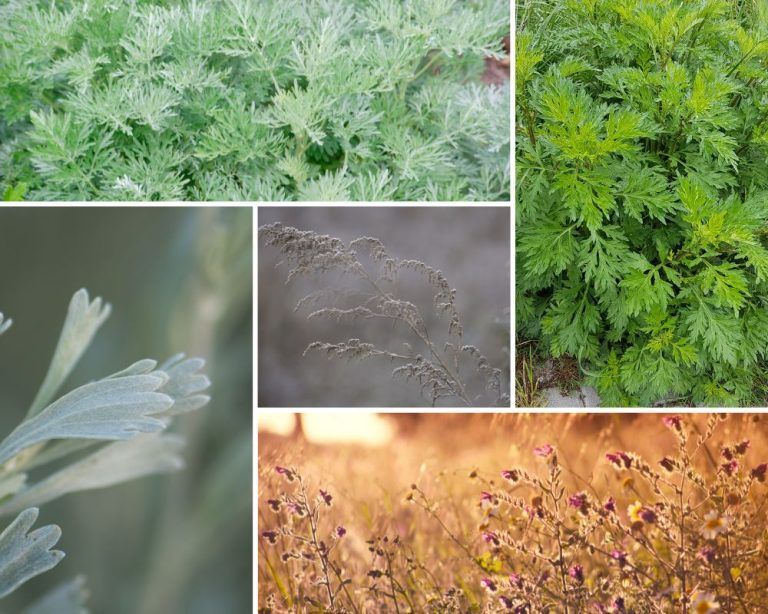
Most Artemisia flowers are much less showy than daisies or sunflowers. Their flower heads are often small, greenish, yellowish or brownish. In many species, the leaves and stems attract more attention than the flowers. They may be silver, grey-green, finely divided, woolly or strongly aromatic.
The fragrance comes from mixtures of volatile chemicals stored in the plant. These substances help explain why many species taste bitter, resist browsing animals, repel some insects and have been used in perfumery, medicine and household preparations.
A brief introduction to the Asteraceae family
Asteraceae is commonly called the daisy, aster, composite or sunflower family. It is one of the largest flowering-plant families on Earth, with tens of thousands of species distributed across almost every major terrestrial environment.
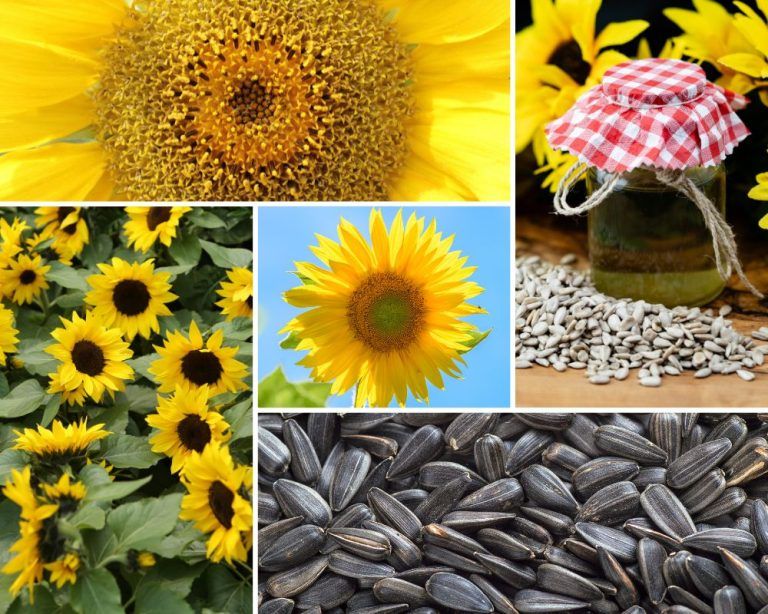
The family’s defining feature is the flower head. What looks like one sunflower or daisy “flower” is actually a compact community of many small flowers called florets. The outer ray florets may resemble petals, while the central disc consists of numerous tightly packed flowers.
This arrangement is highly efficient. A single landing insect can visit many florets at once, while the whole structure remains visually attractive from a distance.
Important edible genera in the Asteraceae family
- Helianthus — sunflowers and Jerusalem artichoke
- Lactuca — lettuce
- Cichorium — chicory and endive
- Cynara — globe artichoke and cardoon
- Carthamus — safflower
- Smallanthus — yacón
- Artemisia — tarragon
The family also includes major ornamental and medicinal genera such as Echinacea, Calendula, Achillea, Chrysanthemum, Dahlia, Zinnia, Aster, Solidago and Tagetes.
Why Artemisia plants smell so strongly
Many Artemisia leaves are covered with glands that produce essential oils. When the foliage is rubbed, heated, grazed or crushed, these oils enter the air.
The chemicals differ between species, varieties, growing conditions and even individual populations. This is why one tarragon plant can smell sweet and anise-like while another tastes grassy, harsh or almost scentless.
Essential oils are highly concentrated
An essential oil is not equivalent to a handful of leaves used as a culinary seasoning. Essential oils can contain much higher concentrations of active compounds and should not be taken internally without appropriately qualified professional guidance.
The edible side of Artemisia
The genus is not a major source of bulk food. Most species are better regarded as seasonings, bitter flavourings, occasional cooked greens or plants with recorded traditional food uses.
Of the 53 database entries reviewed, one species has an edible rating of 4, one has a rating of 3, nine have ratings of 2, and the remainder have ratings of 1 or 0.
Tarragon: the culinary star
French tarragon is valued for a warm, sweet flavour often compared with anise or liquorice. It is used with eggs, chicken, fish, mustard, vinegar, sauces and oily foods.
Its flavour can dominate a dish, so it is normally used in modest quantities. Fresh leaves usually provide the most complex flavour, while dried tarragon can lose much of its aroma during storage.
The best culinary form, French tarragon, is generally propagated vegetatively because it commonly produces little or no viable seed. Plants grown from seed are often Russian tarragon, which is hardier but usually less aromatic.
Seeds as small-scale foods
Several North American Artemisia species have records of seed use. The seeds are generally tiny, making collection labour-intensive. They may have been valuable in mixed wild-seed harvests without being practical as modern staple grains.
Medicine, chemistry and one Nobel Prize
The medicinal history of Artemisia stretches across Europe, Asia, Africa and the Americas. Species have been used in traditions concerned with digestion, fever, intestinal parasites, menstrual conditions, pain, respiratory complaints and ceremonial purification.
Artemisia annua and artemisinin
Artemisia annua, commonly called sweet wormwood or qing hao, contains artemisinin.
Chinese scientist Tu Youyou and her team isolated and developed artemisinin after studying traditional Chinese knowledge and experimenting with extraction methods. Her work contributed to a new class of antimalarial medicines and earned her a share of the 2015 Nobel Prize in Physiology or Medicine.
Artemisinin derivatives are now used in artemisinin-based combination therapies, where artemisinin is paired with another medicine to improve treatment and help slow resistance.
The plant is not a substitute for malaria medicine
The World Health Organization does not recommend teas, capsules, dried leaves or other non-pharmaceutical Artemisia products for preventing or treating malaria. Plant material can provide an inconsistent dose and may result in incomplete treatment.
Useful plants beyond food and medicine
Recorded uses across the genus include aromatic hedging, insect-repellent foliage, moth-repellent material, essential oils, dried flower arrangements, grey or silver ornamental foliage, erosion control, drought-tolerant groundcover, wildlife shelter, ceremonial uses, fuel, tinder and landscape restoration.
Not every use applies to every species. A traditional plant repellent should not automatically be treated as equivalent to a scientifically tested pesticide.
Important Artemisia species in the PFAF database
| Species | Common name | Edible | Medicinal | Other | Main importance |
|---|---|---|---|---|---|
| Artemisia dracunculus | Tarragon | 4 | 2 | 3 | Culinary herb |
| Artemisia indica | Indian mugwort | 3 | 3 | 2 | Multipurpose food and medicinal plant |
| Artemisia dracunculoides | Russian tarragon | 2 | 1 | 3 | Hardy aromatic perennial |
| Artemisia annua | Sweet wormwood | 1 | 4 | 2 | Source of artemisinin |
| Artemisia abrotanum | Southernwood | 1 | 3 | 3 | Fragrant household herb |
| Artemisia absinthium | Wormwood | 1 | 3 | 3 | Bitter flavouring and historic medicine |
| Artemisia tridentata | Big sagebrush | 2 | 2 | 5 | Ecological foundation species |
Artemisia dracunculus — tarragon
Tarragon is the most important culinary plant in the genus. Its leaves have an anise-like aroma and are used to flavour sauces, vinegars, salads, soups, eggs, fish and poultry.
Why it is important: It is one of the few Artemisia species that has become a widely accepted everyday food herb.
Artemisia indica — Indian mugwort
Young leaves and shoots have been used as cooked vegetables or flavourings in parts of Asia. The species also has an extensive history in regional medicinal traditions.
Why it is important: It combines recorded food use with a broad medicinal tradition.
Artemisia dracunculoides — Russian tarragon
Russian tarragon is easier to grow from seed and often more vigorous than French tarragon, but its leaves are normally less sweet and aromatic.
Why it is important: It shows why the correct species or cultivated form matters in edible gardening.
Artemisia annua — sweet wormwood
Its global importance comes from artemisinin, the foundation of some of the most effective modern antimalarial treatments.
Why it is important: Few plants demonstrate the pathway from traditional knowledge to pharmaceutical discovery as powerfully.
Artemisia abrotanum — southernwood
Southernwood is a strongly scented shrub traditionally used as a strewing herb, fragrance plant and moth repellent.
Interesting fact: It was sometimes called “lad’s love” because of its association with courtship and personal fragrance.
Artemisia absinthium — wormwood
Wormwood is famous for its intense bitterness and its historic association with absinthe. It has also been used as a repellent and medicinal herb, but excessive use can be harmful.
Artemisia tridentata — big sagebrush
Big sagebrush is far more important as an ecological foundation plant than as a food. It provides shelter and forage, influences soils and helps structure whole dryland communities.
Interesting fact: The name tridentata refers to the usually three-toothed tips of its leaves.
Artemisia as wildlife habitat
Sagebrush plants provide nesting cover, shade, winter forage and protection from wind. Their litter adds organic material to dry soils, while their branches influence snow accumulation and create pockets of moisture.
A species can be useful because people eat it, but it can also be useful because it supports the ecological processes on which people and wildlife depend.
Growing Artemisia in gardens and food forests
Many species prefer full sun, freely draining soil, moderate or low fertility, good air movement and relatively dry conditions once established.
Tarragon deserves a place in many herb gardens, but French tarragon is best purchased as a named plant from a reliable supplier rather than raised from ordinary seed.
Safety: bitter does not always mean medicinal
Possible concerns include toxicity at excessive doses, effects during pregnancy, interactions with medicines, allergic reactions, seizure risk, unsafe use of concentrated essential oils, confusion between similar species and variable chemical composition.
Use medicinal information responsibly
Traditional knowledge deserves respect, but safe use depends on correct identification, preparation, dose and context. Seek qualified professional advice before using plants medicinally.
What the PFAF ratings reveal
The ratings highlight three different models of usefulness:
- Tarragon: a high-quality culinary herb.
- Sweet wormwood: a plant of exceptional pharmaceutical importance.
- Big sagebrush: a multifunctional ecological and cultural species.
PFAF’s major Southwest expansion
Plants For A Future is currently working on a major expansion covering plants of the American Southwest.
The project will add or update 946 database entries, including 570 fully revised profiles and 376 species that are new to the database.
The expansion is improving edible ratings, flavour notes, seasonality, harvesting, processing, traditional and Indigenous uses, identification, look-alikes, safety, ecology and wildlife value.
Several Southwestern Artemisia species are being added or updated as part of this work.
Key facts about the Artemisia genus
- Artemisia belongs to the Asteraceae or sunflower family.
- It includes annual herbs, herbaceous perennials and woody shrubs.
- Common names include tarragon, mugwort, wormwood, sagewort and sagebrush.
- Many species contain aromatic oils and bitter compounds.
- French tarragon is normally propagated from cuttings or division rather than seed.
- Artemisia annua supplied the original natural source of artemisinin.
- Big sagebrush is one of the most ecologically important plants of the interior American West.
- Several species can spread aggressively outside their native ranges.
A genus that challenges our idea of usefulness
Tarragon gives kitchens one of their most refined perennial herbs. Sweet wormwood helped provide modern medicine with a revolutionary antimalarial compound. Southernwood and wormwood preserve centuries of household, aromatic and cultural history. Big sagebrush supports entire dryland ecosystems.
Some plants feed us directly. Some become medicines after years of scientific work. Some protect soil, shelter animals, scent a garden or carry knowledge between generations.
And some, like sagebrush after rain, make an entire landscape smell alive.
Frequently asked questions
Are all Artemisia species edible?
No. Some have recorded edible uses, but many are extremely bitter, chemically potent or unsuitable for regular consumption.
Which Artemisia is best for eating?
French tarragon, Artemisia dracunculus, is the strongest culinary species in the PFAF dataset, with an edible rating of 4 out of 5.
Is Russian tarragon the same as French tarragon?
They are closely related but differ greatly in culinary quality. Russian tarragon is easier to grow from seed, while French tarragon normally has a stronger, sweeter flavour.
Can Artemisia annua tea treat malaria?
The World Health Organization does not recommend non-pharmaceutical Artemisia preparations for preventing or treating malaria.
Is wormwood poisonous?
Wormwood contains biologically active compounds, including thujone. Excessive or inappropriate use can be harmful.
Is sagebrush a true sage?
No. Sagebrush belongs to Artemisia in the Asteraceae family. True sages belong to Salvia in the mint family.
Can Artemisia become invasive?
Yes. Some species spread through rhizomes or abundant seed and may become invasive outside their native ranges.
Glossary
- Artemisinin
- A compound originally isolated from Artemisia annua and used to produce antimalarial medicines.
- Asteraceae
- The daisy, sunflower or composite family.
- Essential oil
- A concentrated mixture of volatile aromatic chemicals extracted from a plant.
- Floret
- One of the small individual flowers forming a composite flower head.
- Rhizome
- An underground stem capable of producing new roots and shoots.
- Sagebrush
- A common name for several shrubby Artemisia species.
- Thujone
- A naturally occurring compound that can be toxic at excessive doses.