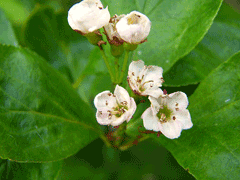
 |
|
http://www.flickr.com/photos/nordique/ |
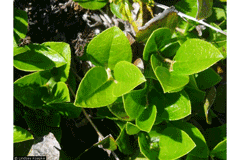 |
| Lindsey Koepke @ USDA-NRCS PLANTS Database |
Translate this page:
Summary
Alpine wintergreen is a tiny mountain plant with unusually flavorful edible fruits and aromatic evergreen leaves. Although easily overlooked because of its low growth habit, it produces some of the most distinctive wild fruits of alpine and subalpine regions. The small red berry-like fruits combine sweetness with the classic wintergreen fragrance associated with the genus. It is closely related to eastern teaberry (Gaultheria procumbens) and salal (Gaultheria shallon), both of which also produce edible fruits. Alpine wintergreen (Gaultheria humifusa) belongs to the heather family (Ericaceae) and the genus Gaultheria. Common names include alpine wintergreen, western wintergreen, and spicy wintergreen. It is a small evergreen perennial adapted to cool mountain environments and is generally suited to USDA Zones 3–7. Plants usually remain under 10 cm tall and spread slowly by underground rhizomes to form low mats.
Physical Characteristics

 Gaultheria humifusa is an evergreen Perennial growing to 0.1 m (0ft 4in) by 0.3 m (1ft) at a slow rate.
See above for USDA hardiness. It is hardy to UK zone 7. It is in leaf all year, in flower from July to August. The species is hermaphrodite (has both male and female organs) and is pollinated by Insects.
It is noted for attracting wildlife.
Suitable for: light (sandy) and medium (loamy) soils. Suitable pH: mildly acid and neutral soils and can grow in very acid soils.
It can grow in semi-shade (light woodland) or no shade. It prefers moist soil.
UK Hardiness Map
US Hardiness Map
Synonyms
G. myrsinites. Vaccinium humifusum.
Plant Habitats
Woodland Garden Sunny Edge; Dappled Shade; Ground Cover;
Edible Uses
Edible Parts: Fruit Leaves
Edible Uses: Tea
The fruits of alpine wintergreen are edible fresh, dried, or cooked. Although they resemble berries, they are botanically capsules surrounded by a fleshy, enlarged calyx [2-3]. The aromatic young leaves are also useful as a flavoring and can be steeped into tea or used sparingly to add a wintergreen character to foods. Fruits are the most valuable edible parts because of their excellent flavor, sweetness, and pleasant texture [2-3]. Edible Uses & Rating: The fruits can be eaten fresh, dried like small wild candies, added to desserts, or gently cooked. Leaves may be used as an aromatic tea ingredient or natural flavoring [2-3]. Edibility Rating: 4.5/5. Alpine wintergreen earns a very high rating because of its exceptional flavor. Its only major limitation is productivity—the plants are small and gathering large quantities is difficult. Taste, Processing & Kitchen Notes: Fresh fruits have an intense wintergreen aroma combined with fruity sweetness. The flavor suggests wintergreen, mild mint, and sweet berries, sometimes with notes similar to watermelon. The texture is soft and pleasant. Numerous tiny seeds create a slight crunch but are not objectionable. Cooking is possible but generally unnecessary. Heat reduces some of the aromatic oils responsible for the distinctive fragrance. Simmering produces a lightly colored, aromatic liquid but weakens the fresh fruit character. Drying is one of the best preservation methods. As moisture is removed, sweetness becomes concentrated, and dried fruits develop a candy-like quality while retaining their wintergreen aroma. The leaves contain aromatic compounds responsible for the familiar wintergreen scent. They can be steeped into tea or used in small quantities as a flavoring [2-3].. Nutritional Value: The fruits provide natural sugars and plant compounds associated with colorful wild fruits. Like other members of the genus, the plant is valued more for flavor and aromatic qualities than as a major calorie source. The wintergreen fragrance comes largely from methyl salicylate compounds found in many Gaultheria species. Seasonality (Phenology): Alpine wintergreen flowers during summer, generally from June to August. Fruits mature later in the season, usually from August into October. Because the plant is evergreen and grows in cool climates, fruits may sometimes persist beneath the leaves into winter. Safety & Cautions (Food Use): The fruits are considered edible and are the safest part for regular consumption. Leaves should be used more moderately because wintergreen-flavored plants may contain concentrated aromatic compounds, including methyl salicylate. They are best treated as a flavoring or tea herb rather than a bulk vegetable. People sensitive to salicylates should avoid consuming large amounts [2-3]. Harvest & Processing Workflow: Harvest fully mature red fruits when they detach easily. Because the fruits often develop beneath the leaves, plants should be gently inspected rather than judged from above. Fresh fruits need little preparation beyond cleaning. For drying, spread the fruits in a well-ventilated area until firm, then store when completely dry. Leaves are best gathered young and healthy, then used fresh or dried for tea [2-3]. Cultivar/Selection Notes: Alpine wintergreen is primarily a wild plant and is not widely cultivated for fruit production. Related species such as salal and eastern teaberry have received more horticultural attention. Potential selection traits would include larger fruit size, heavier production, and stronger aroma. Look-Alikes & Confusion Risks: Several Gaultheria species look similar and produce edible fruits. Related members of the heather family, including blueberries (Vaccinium species), may occur in similar habitats. Alpine wintergreen differs from blueberries by its low creeping growth, aromatic leaves, and fruits formed from fleshy calyces rather than true berries. Traditional/Indigenous Use Summary: Various Gaultheria species have been used traditionally throughout North America for food, beverages, and aromatic preparations. Fruits were eaten fresh, while leaves of some species were valued for wintergreen-flavored teas [2-3]. Fruit - raw or cooked[183]. Aromatic and delicious[2, 62, 106] with a flavor of wintergreen. Often used in preserves[183]. The fruit is about 6mm in diameter[200]. Leaves - raw[62]. Used as a wayside nibble[85]. The young, tender leaves are especially suited for use as greens [183]. They have a delicate wintergreen flavor. Tea is made from fresh or dried leaves [62, 85, 183].
References More on Edible Uses
Medicinal Uses
Plants For A Future can not take any responsibility for any adverse effects from the use of plants. Always seek advice from a professional before using a plant medicinally.
None known
References More on Medicinal Uses
The Bookshop: Edible Plant Books
Our Latest books on Perennial Plants For Food Forests and Permaculture Gardens in paperback or digital formats.
Edible Tropical Plants
Food Forest Plants for Hotter Conditions: 250+ Plants For Tropical Food Forests & Permaculture Gardens.
More
Edible Temperate Plants
Plants for Your Food Forest: 500 Plants for Temperate Food Forests & Permaculture Gardens.
More
More Books
PFAF have eight books available in paperback and digital formats. Browse the shop for more information.
Shop Now
Other Uses
Dye
A ground cover plant for positions in the sun or light shade. A black dye has been made from the plant[257]. A very low-growing evergreen groundcover, usually less than 10 cm tall. It spreads by rhizomes and forms small mats rather than upright colonies. Its ornamental qualities include glossy foliage, delicate flowers, and attractive red fruits. Ecology & Wildlife: Alpine wintergreen contributes to mountain ecosystems by providing groundcover, nectar for insects, and fruits for wildlife. Birds and small mammals may consume the fruits, helping disperse seeds. Its evergreen leaves allow it to remain active during short alpine growing seasons.
Special Uses
Ground cover
References More on Other Uses
Cultivation details
Alpine wintergreen is one of the finest small wild fruits in high-mountain environments. Although it rarely produces enough food for a substantial harvest, the quality of the fruit is exceptional. Its combination of sweetness, aroma, evergreen foliage, and alpine resilience makes it a memorable wild edible. Growing Conditions: Alpine wintergreen prefers cool, moist, acidic soils rich in organic matter. It grows best in mountain environments with partial shade, reliable moisture, and protection from extreme heat. Like many members of the heather family, it performs poorly in alkaline or heavily disturbed soils. Habitat & Range: This species grows in high-elevation forests, subalpine zones, and areas approaching the timberline. It is associated with spruce, fir, aspen, and other cool-climate plant communities. Its range includes parts of the Rocky Mountains and western North America, including northern Utah, Colorado, and California. Size & Landscape Performance: A very low-growing evergreen groundcover, usually less than 10 cm tall. It spreads by rhizomes and forms small mats rather than upright colonies. Its ornamental qualities include glossy foliage, delicate flowers, and attractive red fruits. Cultivation (Horticulture): Cultivation requires conditions similar to its natural mountain habitat. Acidic soil, consistent moisture, and cool temperatures are important. It is best suited to woodland and alpine gardens, as well as naturalized settings, rather than hot or dry landscapes. Pests & Problems: Few serious pest problems occur in suitable environments. Heat stress, drought, and unsuitable soils are the main challenges. Good drainage combined with steady moisture produces the healthiest plants. Identification & Habit: A creeping evergreen perennial forming low mats from rhizomes. Leaves are simple, alternate, short-stalked, leathery, and broadly lance-shaped to oval. Flowers are small, pinkish-white, bell-shaped, and occur singly from the leaf axils. Fruits appear as small red aromatic berries but are actually capsules enclosed within enlarged fleshy calyces. Pollinators: The small bell-shaped flowers attract bees and other insects adapted to woodland and alpine environments. Bumblebees and native bees are likely important pollinators. Prefers a moist but not boggy humus rich soil in sun or semi-shade[11]. This species requires a lot of shade[1]. A peat and moisture loving species, it requires a lime-free soil[11]. The plant can make a good nesting place for mice, these mice then eat the bark of the stems in winter causing die-back. Grows well in a rock garden[11]. This species is closely allied to G. ovatifolia[11]. Plants in this genus are notably resistant to honey fungus[200].
References Carbon Farming Information and Carbon Sequestration Information
Temperature Converter
Type a value in the Celsius field to convert the value to Fahrenheit:
Fahrenheit:
The PFAF Bookshop
Plants For A Future have a number of books available in paperback and digital form. Book titles include Edible Plants, Edible Perennials, Edible Trees,Edible Shrubs, Woodland Gardening, and Temperate Food Forest Plants. Our new book is Food Forest Plants For Hotter Conditions (Tropical and Sub-Tropical).
Shop Now
Plant Propagation
Propagation occurs naturally through both seed and spreading rhizomes. Garden propagation can be done from seed, division, or carefully rooted sections of established mats. The seed requires a period of cold stratification. Pre-chill for 4 - 10 weeks, then surface sow in a lime-free compost in a shady part of the greenhouse, keeping the compost moist [78]. The seed usually germinates well, within 1 - 2 months at 20 °C, but the seedlings are prone to damping off. It is important to water them carefully and ensure they get plenty of ventilation. Watering them with a garlic infusion can also help to prevent damping off. Prick out the seedlings into individual pots when they are about 25mm tall and grow them on in light shade in the greenhouse for at least their first winter[K]. Plant them out in late spring or early summer. The seedlings are susceptible to spring frosts, so they might need some protection for their first few years outdoors. The leaves remain very small for the first few years[11]. Cuttings of half-ripe wood 3 - 6cm long, July/August in a frame in a shady position. They form roots in late summer or spring[78]. A good percentage usually takes. Division in spring just before new growth begins[200]. Larger clumps can be replanted directly into their permanent positions, though it is best to pot up smaller clumps and grow them on in a cold frame until they are rooting well. Plant them out in the spring. Layering.
Other Names
If available other names are mentioned here
Alpine wintergreen, western wintergreen, and spicy wintergreen.
Native Range
NORTHERN AMERICA: Canada (Alberta (southwest), British Columbia (south)), United States (Colorado, Idaho, Montana, Oregon, Washington, Wyoming, New Mexico, California (north), Utah)
Weed Potential
Right plant wrong place. We are currently updating this section.
Please note that a plant may be invasive in one area but may not
in your area so it's worth checking.
Very low. Alpine wintergreen is a slow-growing specialist of cool environments and does not behave aggressively. It is more likely to struggle outside a suitable habitat than become invasive.
Conservation Status
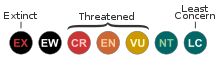
IUCN Red List of Threatened Plants Status : Not listed.
IUCN Red List
Growth: S = slow M = medium F = fast. Soil: L = light (sandy) M = medium H = heavy (clay). pH: A = acid N = neutral B = basic (alkaline). Shade: F = full shade S = semi-shade N = no shade. Moisture: D = dry M = Moist We = wet Wa = water.
Now available:
Food Forest Plants for Mediterranean Conditions
350+ Perennial Plants For Mediterranean and Drier Food Forests and Permaculture Gardens.
[Paperback and eBook]
This is the third in Plants For A Future's series of plant guides for food forests tailored to
specific climate zones. Following volumes on temperate and tropical ecosystems, this book focuses
on species suited to Mediterranean conditions—regions with hot, dry summers and cool, wet winters,
often facing the added challenge of climate change.
Read More
Expert comment
Author
(Graham.)Rydb.
Botanical References
1160
Links / References
For a list of references used on this page please go here
Readers comment
| Add a comment |
|
If you have important information about this plant that may help other users please add a comment or link below. Only comments or links that are felt to be directly relevant to a plant will be included. If you think a comment/link or information contained on this page is inaccurate or misleading we would welcome your feedback at [email protected]. If you have questions about a plant please use the Forum on this website as we do not have the resources to answer questions ourselves.
* Please note: the comments by website users are not necessarily those held by PFAF and may give misleading or inaccurate information.
|
Subject : Gaultheria humifusa
|
|
|
|