Translate this page:
Summary
Swiss tea is a classic alpine plant of the northern hemisphere, well-adapted to harsh, windswept, high-elevation environments. It is best known not as a food plant, but as a traditional herbal tea source made from its leathery evergreen leaves. While it has a long association with alpine landscapes and occasional historical use as a beverage, it is not a staple wild food and plays a much greater ecological and botanical role than a culinary one. Its presence often signals true alpine or subalpine conditions, and it is one of the defining species of tundra-like plant communities. Bloom Color: White. Main Bloom Time: Early summer, Late spring. Form: Prostrate, Spreading, or horizontal.
Physical Characteristics

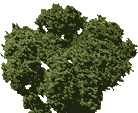 Dryas octopetala is an evergreen Shrub growing to 0.1 m (0ft 4in) by 0.5 m (1ft 8in) at a medium rate.
See above for USDA hardiness. It is hardy to UK zone 2. It is in leaf all year, in flower from June to July. The species is hermaphrodite (has both male and female organs) and is pollinated by Insects.
It can fix Nitrogen.
Suitable for: light (sandy) and medium (loamy) soils. Suitable pH: mildly acid, neutral and basic (mildly alkaline) soils. It cannot grow in the shade. It prefers moist soil.
UK Hardiness Map
US Hardiness Map
Synonyms
Dryadaea octopetala (L.) Kuntze. D. octopetala genuina Regel & Tiling. D. octopetala f. typica (Beck) Buia. D. octopetala var. typica Beck. Geum octopetalum (L.) E.H.L.Krause . Ptilotum octopetalum (L.) Dulac.
Plant Habitats
Ground Cover;
Edible Uses
Edible Parts:
Edible Uses: Tea
The leaves are used as a tea substitute[2, 13, 46, 183].
References More on Edible Uses
Medicinal Uses
Plants For A Future can not take any responsibility for any adverse effects from the use of plants. Always seek advice from a professional before using a plant medicinally.
Antidiarrhoeal Astringent Digestive
The entire plant, harvested just before or at flowering time is astringent and digestive[9]. An infusion is used as a stomach tonic, and also as a gargle for treating gingivitis and other disorders of the mouth and throat[9].
References More on Medicinal Uses
The Bookshop: Edible Plant Books
Our Latest books on Perennial Plants For Food Forests and Permaculture Gardens in paperback or digital formats.
Edible Tropical Plants
Food Forest Plants for Hotter Conditions: 250+ Plants For Tropical Food Forests & Permaculture Gardens.
More
Edible Temperate Plants
Plants for Your Food Forest: 500 Plants for Temperate Food Forests & Permaculture Gardens.
More
More Books
PFAF have eight books available in paperback and digital formats. Browse the shop for more information.
Shop Now
Other Uses
Landscape Uses: Alpine garden, Ground cover, Rock garden. The plant makes a good ground cover for spring bulbs, though it is not strongly weed suppressive[200]. Slow-growing at first, it then forms a dense mat[197]. Plants should be spaced about 30cm apart each way and they form a carpet, the branches rooting at intervals along the stems[208].
Special Uses
Food Forest Ground cover Nitrogen Fixer
References More on Other Uses
Cultivation details
Swiss tea is a specialized alpine plant with modest value as a herbal tea and significant value as an ecological indicator species. It is best appreciated as part of high-mountain ecosystems rather than relied upon as a food source. Growing Conditions: This species thrives in cold, exposed environments with excellent drainage. It prefers full sun, rocky or gravelly soils, and low nutrient levels. It is highly adapted to freeze-thaw cycles, wind exposure, and short growing seasons. Habitat & Range: Swiss tea is widespread across the Northern Hemisphere in alpine and Arctic regions. In the United States, it is primarily found in high-elevation areas of the Rocky Mountains, including parts of Utah and Colorado, but is otherwise largely absent from the Southwest. Size & Landscape Performance: In suitable conditions, Swiss tea forms dense, attractive mats that stabilize soil and add visual interest to alpine gardens. Its low profile and evergreen foliage make it a valuable groundcover in cold climates. Cultivation (Horticulture): Swiss tea can be cultivated in rock gardens or alpine beds that mimic its natural habitat. It requires excellent drainage, cool temperatures, and minimal competition. It does not tolerate heat or heavy soils well. Pests & Problems: Generally pest-free in its natural habitat, but may suffer in cultivation if conditions are too warm, wet, or nutrient-rich. Root rot is a potential issue in poorly drained soils. Identification & Habit: A ground-hugging, mat-forming subshrub with woody stolons. Leaves are simple, thick, leathery, and evergreen, with rolled margins and a dense covering of white hairs on the underside. Flowers are solitary, white, and composed of multiple petals, followed by feathery seed heads. Pollinators: The open, showy flowers attract a range of alpine pollinators, including bees, flies, and other cold-adapted insects. Its flowering period coincides with peak alpine insect activity. Easily grown in ordinary gardening soil[1, 11], preferring a sunny position[4]. Prefers limestone soils[1]. Prefers a gritty, well-drained, peaty soil[188]. A sub-shrub, producing annual stems from a woody base[11, 200]. A good plant for a rock garden[1], it succeeds on banks and on walls[188]. A very ornamental plant[1]. The sub-species D. octopetala hookeriana has been shown to produce nitrogen nodules on its roots due to a symbiotic relationship with certain soil bacteria, in the same way as peas and beans[212]. It has been assumed here that the species type can also do this[K]. Some of the nitrogen is utilized by the growing plant but some can also be used by other plants growing nearby[200]. Established plants strongly resent root disturbance[200]. Special Features:Attractive foliage, Not North American native. For polyculture design as well as the above-ground architecture (form - tree, shrub etc. and size shown above) information on the habit and root pattern is also useful and given here if available. An evergreen. A clumping mat former. Forming a dense prostrate carpet with a limited spread [1-2]. The root pattern is fibrous dividing into a large number of fine roots [1-2]. Swiss tea, now best referred to as Dryas octopetala, belongs to the rose family (Rosaceae) and the genus Dryas. Common names include alpine tea, eight-petal mountain avens, and white mountain avens. It is a low-growing, evergreen, mat-forming subshrub of cold alpine environments, generally suited to USDA Zones 2–6. Plants typically form dense mats only 2–10 cm tall but can spread extensively, often covering 30–100 cm or more across suitable terrain.
References Carbon Farming Information and Carbon Sequestration Information
Temperature Converter
Type a value in the Celsius field to convert the value to Fahrenheit:
Fahrenheit:
The PFAF Bookshop
Plants For A Future have a number of books available in paperback and digital form. Book titles include Edible Plants, Edible Perennials, Edible Trees,Edible Shrubs, Woodland Gardening, and Temperate Food Forest Plants. Our new book is Food Forest Plants For Hotter Conditions (Tropical and Sub-Tropical).
Shop Now
Plant Propagation
Propagation can be achieved by seed or by division of established mats. Seed germination may require cold stratification to mimic natural alpine conditions. Seed - best sown in pots a shady cold frame or sheltered place outdoors as soon as it is ripe[200]. Stored seed requires stratification and should be sown as soon as possible. The seed usually germinates in 1 - 12 months or more at 20°c[200]. When they are large enough to handle, prick the seedlings out into individual pots and grow them on in the greenhouse for their first winter. Plant them out into their permanent positions in late spring or early summer, after the last expected frosts. Division of self-layered shoots in early spring[1, 200]. Cuttings of half-ripe wood with a heel, July/August in sharp sand in a frame[1, 200].
Other Names
If available other names are mentioned here
Mountain Avens, Eightpetal mountain-avens, Alaskan mountain-avens, Hooker's mountain-avens, Kamtsch
Native Range
NORTHERN AMERICA: Canada, Yukon, Alberta, British Columbia, United States, Alaska, Colorado, Idaho, Oregon, EUROPE: Finland, United Kingdom (U.K.), Ireland, Iceland, Norway, Svalbard and Jan Mayen, Austria, Germany, Poland, Slovakia, Russian Federation-European part, European part, Ukraine, Albania, Bulgaria, Bosnia and Herzegovina, Greece, Croatia, Italy, North Macedonia, Montenegro, Romania, Serbia, Slovenia, Spain, France,
Weed Potential
Right plant wrong place. We are currently updating this section.
Please note that a plant may be invasive in one area but may not
in your area so it's worth checking.
Swiss tea has no weed potential. It is highly specialized to alpine environments and does not spread aggressively outside its niche.
Conservation Status
IUCN Red List of Threatened Plants Status : Not listed.
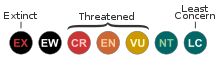
IUCN Red List
Growth: S = slow M = medium F = fast. Soil: L = light (sandy) M = medium H = heavy (clay). pH: A = acid N = neutral B = basic (alkaline). Shade: F = full shade S = semi-shade N = no shade. Moisture: D = dry M = Moist We = wet Wa = water.
Now available:
Food Forest Plants for Mediterranean Conditions
350+ Perennial Plants For Mediterranean and Drier Food Forests and Permaculture Gardens.
[Paperback and eBook]
This is the third in Plants For A Future's series of plant guides for food forests tailored to
specific climate zones. Following volumes on temperate and tropical ecosystems, this book focuses
on species suited to Mediterranean conditions—regions with hot, dry summers and cool, wet winters,
often facing the added challenge of climate change.
Read More
Expert comment
Author
L.
Botanical References
1117200
Links / References
For a list of references used on this page please go here
Readers comment
| Add a comment |
|
If you have important information about this plant that may help other users please add a comment or link below. Only comments or links that are felt to be directly relevant to a plant will be included. If you think a comment/link or information contained on this page is inaccurate or misleading we would welcome your feedback at [email protected]. If you have questions about a plant please use the Forum on this website as we do not have the resources to answer questions ourselves.
* Please note: the comments by website users are not necessarily those held by PFAF and may give misleading or inaccurate information.
|
Subject : Dryas octopetala
|
|
|
|