Translate this page:
Summary
Indian ricegrass is one of the most important native grain crops of the western United States. While processing the seeds can be labor-intensive, they are nutritious, protein-rich, and versatile. Leaves are edible but far less significant. Achnatherum hymenoides (Roem. & Schult.) Barkworth is a synonym of Oryzopsis hymenoides (Roem. & Schult.) Ricker ex Piper
Physical Characteristics

 O is a PERENNIAL growing to 0.6 m (2ft) by 0.3 m (1ft in).
See above for USDA hardiness. It is hardy to UK zone 8. It is in flower from May to July. The species is hermaphrodite (has both male and female organs) and is pollinated by Wind.
It can fix Nitrogen.
Suitable for: light (sandy), medium (loamy) and heavy (clay) soils and prefers well-drained soil. Suitable pH: mildly acid, neutral and basic (mildly alkaline) soils. It cannot grow in the shade. It prefers moist soil. The plant can tolerates strong winds but not maritime exposure.
UK Hardiness Map
US Hardiness Map
Synonyms
Oryzopsis hymenoides (Roem. & Schult.) Ricker ex Piper. Eriocoma cuspidata Nutt. Eriocoma hymenoides (Roem. & Schult.) Rydb. Eriocoma membranacea (Pursh) Beal [Illegitimate]. Fendleria rhynchelytroides Steud. Milium cuspidatum (Nutt.) Spreng. Oryzopsis cuspidata (Nutt.) Benth. ex Vasey. Oryzopsis hymenoides var. hymenoides. Oryzopsis membranacea (Pursh) Vasey [Illegitimate]. Stipa hymenoides Roem. & Schult. Stipa membranacea Pursh [Illegitimate]. Urachne lanata Trin.
Plant Habitats
Edible Uses
Seed - raw, cooked or ground into a meal and used in making bread etc, gruel and as a thickener in soups. The seeds are ground into a meal for bread and porridge. They can also be used for cakes. They can be mixed with cornmeal and used for dumplings. [2, 46, 85, 106, 183]. The seed is rather small, but when fully ripe, it falls readily from the plant and is fairly easy to harvest[183]. Another report says that the seed is rather large[183], but this has not been our experience[K]. The seeds were parched over the flames of a fire to remove the hairs[213]. A pleasant taste and very nutritious[85, 183], it contains about 6% sugars and 20% starch[213]. Before corn was introduced to the area, this seed was at one time a staple food for some native North American Indian tribes[213]. Carbon Farming Solutions - Staple Crop: balanced carb (The term staple crop typically refers to a food that is eaten routinely and accounts for a dominant part of people's diets in a particular region of the world) [1-1]. Foraging: Indian ricegrass was an important staple food for Native peoples of the Southwest and Great Basin. The grains are relatively large for a wild grass, high in protein, and pleasantly mild in flavor. They were traditionally parched, ground into meal, or cooked as porridge or bread. Harvesting requires effort, as each grain is tightly enclosed in two hairy scales that cling firmly, and threshing often produces more chaff than usable grain. Still, the seeds are nutritious and were widely gathered [2-3]. The plant matures early, often by late spring, providing food before many other grasses are ready. After setting seed, the plants dry and remain dormant until new leaf blades appear in late winter. The young leaves can also be eaten raw or boiled to make a grassy, vegetable-like drink, though they are of minor value compared to the seeds [2-3].
References More on Edible Uses
| Composition
|
| Figures in grams (g) or miligrams (mg) per 100g of food.
|
|
|
Leaves (Dry weight)
|
|
- 298 Calories per 100g
- Water : 0%
- Protein: 19.9g; Fat: 3.2g; Carbohydrate: 62.8g; Fibre: 12.8g; Ash: 14.9g;
- Minerals - Calcium: 1202mg; Phosphorus: 585mg; Iron: 32mg; Magnesium: 0mg; Sodium: 192mg; Potassium: 4713mg; Zinc: 0mg;
- Vitamins - A: 24mg; Thiamine (B1): 0.64mg; Riboflavin (B2): 2.34mg; Niacin: 10.6mg; B6: 0mg; C: 149mg;
- Reference: [ ]
- Notes:
|
|
Medicinal Uses
Plants For A Future can not take any responsibility for any adverse effects from the use of plants. Always seek advice from a professional before using a plant medicinally.
None known
References More on Medicinal Uses
The Bookshop: Edible Plant Books
Our Latest books on Perennial Plants For Food Forests and Permaculture Gardens in paperback or digital formats.
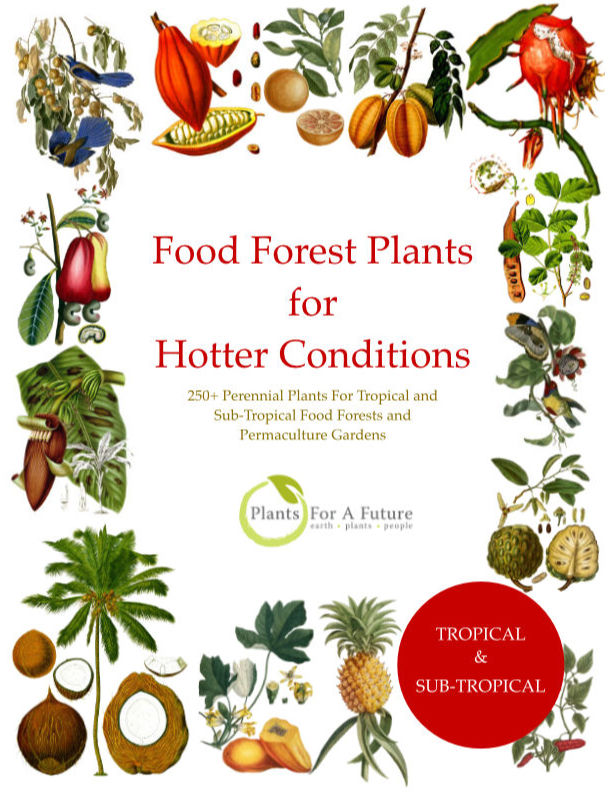
Edible Tropical Plants
Food Forest Plants for Hotter Conditions: 250+ Plants For Tropical Food Forests & Permaculture Gardens.
More
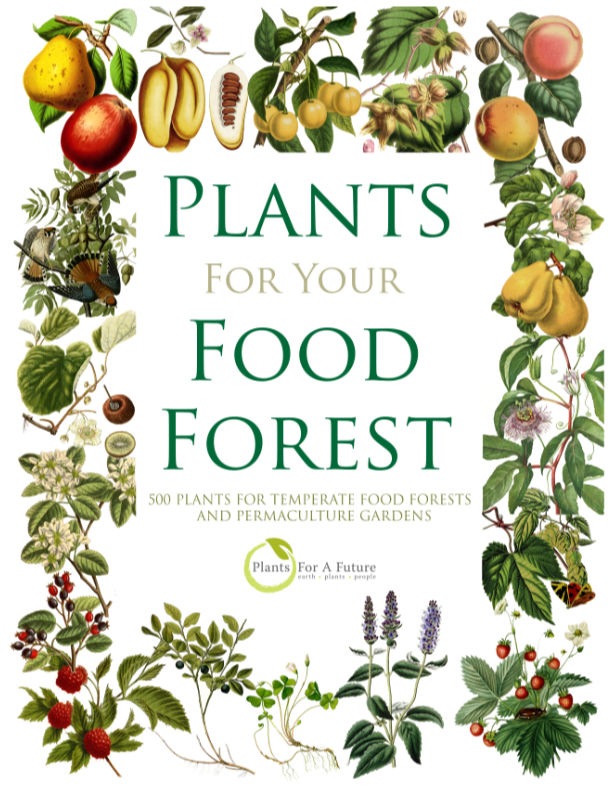
Edible Temperate Plants
Plants for Your Food Forest: 500 Plants for Temperate Food Forests & Permaculture Gardens.
More
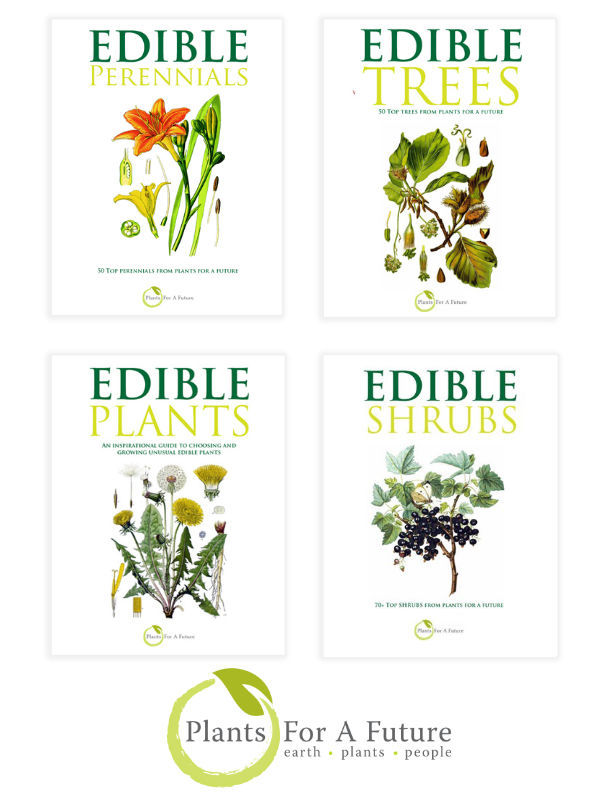
More Books
PFAF have eight books available in paperback and digital formats. Browse the shop for more information.
Shop Now
Other Uses
Several cultivars have been developed for use in restoration work on the prairies[270]. It helps stabilize shifting sand. An important food for livestock and for wild grazers such as bison, desert bighorn sheep, elk, mule deer, pronghorns, and jackrabbits.
Special Uses
References More on Other Uses
Cultivation details
Succeeds in any moderately fertile moisture retentive soil in full sun[200]. This species is unlikely to tolerate temperatures lower than about -5°c, and so will only be suitable for the milder areas of the country[213]. Currently (1992) being tested for its potential as a perennial cereal for sandy soils in dry regions[183]. This plants roots are often surrounded by a rhizosheath that harbors nitrogen-fixing organisms[270]. These organisms probably contribute to the species' success as a colonizer[270]. Climate: cold to warm temperate. Humidity: arid to humid. Carbon Farming Solutions - Cultivation: new crop (Describes the non-destructive management systems that are used in cultivation) [1-1].
References Carbon Farming Information and Carbon Sequestration Information
Temperature Converter
Type a value in the Celsius field to convert the value to Fahrenheit:
Fahrenheit:
The PFAF Bookshop
Plants For A Future have a number of books available in paperback and digital form. Book titles include Edible Plants, Edible Perennials, Edible Trees,Edible Shrubs, Woodland Gardening, and Temperate Food Forest Plants. Our new book is Food Forest Plants For Hotter Conditions (Tropical and Sub-Tropical).
Shop Now
Plant Propagation
Seed - sow spring in situ[200]. We have had better results from sowing the seed in a greenhouse. Only just cover the seed and it should germinate freely within 2 weeks. Prick out the seedlings into individual pots when they are large enough to handle and plant them out in early summer[K]. Division in spring. Very easy, larger divisions can be planted out direct into their permanent positions. We have found that it is better to pot up the smaller divisions and grow them on in light shade in a cold frame until they are well established before planting them out in late spring or early summer.
Other Names
If available other names are mentioned here
Perennial salt grass, Indian ricegrass and sand rice grass
Native Range
NORTHERN AMERICA: Canada (Saskatchewan, Alberta, Manitoba, British Columbia), United States (Kansas (west), Minnesota (west), Nebraska (west), North Dakota (west), Oklahoma, South Dakota (west), Colorado, Idaho, Montana (west), Oregon, Washington, Wyoming, New Mexico, Texas, Arizona, California, Nevada, Utah)
Weed Potential
Right plant wrong place. We are currently updating this section.
Please note that a plant may be invasive in one area but may not in your area so it's worth checking.
Conservation Status
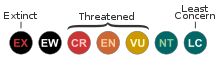
IUCN Red List of Threatened Plants Status : This taxon has not yet been assessed
| Related Plants
|
| Latin Name | Common Name | Habit | Height | Hardiness | Growth | Soil | Shade | Moisture | Edible | Medicinal | Other |
| Abelia triflora | Indian Abelia | Shrub | 3.5 |
5-9
| M | LM | SN | DM | 0 | 0 | 1 |
| Abelmoschus esculentus | Okra | Annual | 1.0 |
5-11
| | LMH | N | M | 4 | 3 | 2 |
| Abelmoschus manihot | Aibika | Perennial | 3.0 |
8-11
| F | LMH | N | M | 4 | 1 | 2 |
| Abelmoschus moschatus | Musk Mallow,Musk Okra | Perennial | 2.0 |
8-11
| F | LMH | N | M | 2 | 3 | 3 |
| Abies alba | Silver Fir, Christmas Tree Fir, European Silver Fir, Silver | Tree | 45.0 |
5-8
| F | LMH | FSN | M | 2 | 3 | 4 |
| Abies amabilis | Red Fir,Pacific silver fir | Tree | 30.0 |
4-8
| S | LMH | FSN | M | 1 | 2 | 3 |
| Abies cephalonica | Grecian Fir | Tree | 36.0 |
4-8
| M | LMH | FSN | M | 0 | 0 | 2 |
| Abies concolor | Colorado Fir, White fir | Tree | 45.0 |
3-7
| F | LMH | FSN | DM | 1 | 2 | 2 |
| Abies firma | Momi Fir, Japanese Fir | Tree | 30.0 |
6-9
| M | LMH | FSN | M | 1 | 0 | 2 |
| Abies fraseri | She Balsam, Fraser fir, Southern Balsam Fir | Tree | 15.0 |
4-7
| F | LMH | FSN | M | 1 | 3 | 3 |
| Abies grandis | Grand Fir, Giant Fir, Lowland White Fir | Tree | 75.0 |
5-6
| F | LMH | FSN | M | 2 | 2 | 3 |
| Abies homolepis | Nikko Fir | Tree | 36.0 |
4-7
| M | LMH | FSN | M | 0 | 0 | 2 |
| Abies lasiocarpa | Subalpine Fir, Alpine Fir | Tree | 25.0 |
5-6
| S | LMH | FSN | M | 2 | 2 | 2 |
| Abies magnifica | Californian Red Fir, Shasta red fir | Tree | 60.0 |
4-8
| M | LMH | FSN | M | 0 | 0 | 2 |
| Abies nordmanniana | Caucasian Fir, Christmas Tree Fir, Nordmann | Tree | 50.0 |
4-6
| M | LMH | FSN | M | 0 | 0 | 2 |
| Abies pindrow | West Himalayan Fir | Tree | 30.0 |
5-7
| S | LMH | FSN | M | 0 | 0 | 2 |
| Abies procera | Noble Fir | Tree | 60.0 |
5-6
| M | LMH | FSN | M | 0 | 1 | 2 |
| Abies religiosa | Sacred Fir | Tree | 40.0 |
7-10
| F | LMH | FSN | M | 0 | 1 | 3 |
| Abies spectabilis | Himalayan Fir | Tree | 30.0 |
6-9
| S | LMH | FSN | M | 0 | 2 | 3 |
| Abies veitchii sikokiana | | Tree | 30.0 |
3-7
| | LMH | FSN | M | 0 | 0 | 2 |
| Abobra tenuifolia | Cranberry Gourd | Perennial Climber | 3.5 |
8-11
| | LM | N | DM | 1 | 0 | |
| Abroma augusta | Cotton Abroma. Perennial Indian Hemp. | Shrub | 3.0 |
10-12
| F | LMH | N | M | 0 | 3 | 4 |
| Abronia fragrans | Snowball Sand Verbena | Perennial | 0.6 |
7-10
| | LM | N | DM | 2 | 1 | 0 |
| Abronia latifolia | Sand Verbena, Coastal sand verbena | Perennial | 0.1 |
7-10
| | L | N | DM | 2 | 0 | |
| Abronia turbinata | Transmontane Sand Verbena | Perennial | 0.1 |
-
| | L | N | DM | 0 | 1 | |
| Abronia villosa | Desert Sand Verbena | Annual | 0.1 |
7-10
| | L | N | DM | 0 | 1 | |
| Abutilon megapotamicum | Trailing Abutilon | Shrub | 2.0 |
7-10
| F | LMH | SN | M | 4 | 0 | 0 |
| Abutilon ochsenii | | Shrub | 4.0 |
7-10
| | LMH | SN | M | 3 | 0 | |
| Abutilon pictum | Abutilon, Parlour Maple, Flowering Maple, Spotted | Shrub | 5.0 |
8-10
| M | LMH | SN | M | 3 | 0 | |
| Abutilon purpurascens | | Shrub | 2.4 |
8-11
| | LMH | SN | DM | 2 | 0 | |
|
|
Growth: S = slow M = medium F = fast. Soil: L = light (sandy) M = medium H = heavy (clay). pH: A = acid N = neutral B = basic (alkaline). Shade: F = full shade S = semi-shade N = no shade. Moisture: D = dry M = Moist We = wet Wa = water.
Now available:
Food Forest Plants for Mediterranean Conditions
350+ Perennial Plants For Mediterranean and Drier Food Forests and Permaculture Gardens.
[Paperback and eBook]
This is the third in Plants For A Future's series of plant guides for food forests tailored to
specific climate zones. Following volumes on temperate and tropical ecosystems, this book focuses
on species suited to Mediterranean conditions—regions with hot, dry summers and cool, wet winters,
often facing the added challenge of climate change.
Read More
Expert comment
Author
(Roem.&Schult.)Barkworth.
Botanical References
4360200
Links / References
For a list of references used on this page please go here
Readers comment
| Add a comment |
|
If you have important information about this plant that may help other users please add a comment or link below. Only comments or links that are felt to be directly relevant to a plant will be included. If you think a comment/link or information contained on this page is inaccurate or misleading we would welcome your feedback at [email protected]. If you have questions about a plant please use the Forum on this website as we do not have the resources to answer questions ourselves.
* Please note: the comments by website users are not necessarily those held by PFAF and may give misleading or inaccurate information.
|
|