Translate this page:
Summary
Indian sweetclover is a small, fast-growing annual herb belonging to the bean family (Fabaceae). Originally native to the Mediterranean region, Europe, Asia, and northern Africa, it has become widely naturalised throughout the world, including North America and Australia. It commonly grows in fields, roadsides, pastures, washes, and disturbed ground, particularly in regions with mild winters and dry summers.
The plant produces small, yellow, pea-like flowers arranged in slender clusters along its stems. Its leaves consist of three finely toothed leaflets and have a distinctive sweet, hay-like aroma caused by naturally occurring coumarin.
The young leaves and flowers are reported to be edible in small quantities, either fresh or cooked. However, their flavour is often bitter, acrid, or unpleasant, making them less desirable than many other wild vegetables. The seeds contain potentially harmful compounds and are not recommended for consumption.
Indian sweetclover is also a nitrogen-fixing plant that provides forage for grazing animals and nectar for pollinating insects. However, it can spread rapidly and become a troublesome weed in agricultural and natural environments.
Physical Characteristics

 melilotus indicus is a ANNUAL growing to 0.7 m (2ft 4in) by 0.6 m (2ft) at a fast rate.
See above for USDA hardiness. It is hardy to UK zone 6. It is in flower from June to October. The species is hermaphrodite (has both male and female organs) and is pollinated by Bees.
It can fix Nitrogen.
It is noted for attracting wildlife.
Suitable for: light (sandy), medium (loamy) and heavy (clay) soils, prefers well-drained soil and can grow in nutritionally poor soil. Suitable pH: neutral and basic (mildly alkaline) soils and can grow in very alkaline soils.
It cannot grow in the shade. It prefers dry or moist soil.
UK Hardiness Map
US Hardiness Map
Synonyms
Sertula indica (L.) Kuntze. Trifolium indicum L. Trigonella smallii Coulot & Rabaute.
Plant Habitats
Cultivated Beds;
Edible Uses
Edible Parts: Leaves
Edible Uses:
Indian sweetclover is a widespread, fast-growing annual legume with modest value as a wild vegetable. Its young leaves and flowers can be eaten occasionally, but their frequently bitter or acrid flavour makes them less appealing than many other edible plants. Its relatively small size and limited leaf production further reduce its usefulness as a food resource. The seeds are not recommended for consumption because of concerns about canavanine and other potentially harmful compounds. Indian sweetclover's greatest practical value lies in its ability to fix nitrogen, provide livestock forage, and supply nectar for pollinating insects. However, its prolific seed production and ability to colonize disturbed habitats can also make it a troublesome weed. With an edibility rating of 2 out of 5, Indian sweetclover is best regarded as an occasional supplementary wild vegetable rather than a dependable food source [2-3]. The young leaves and flowers are edible, but their strong flavor and potential health concerns limit their usefulness as food. Young leaves can be eaten fresh in small quantities, but they are generally more palatable when cooked. Boiling softens the foliage and may reduce some of its bitter and acrid flavors. The small yellow flowers are also edible and generally taste slightly better than the leaves because of their nectar content. Use them sparingly in salads or cooked dishes. The stems become increasingly tough and fibrous as they mature, so remove them before cooking. Some wild-food references describe the seeds as edible, but they contain potentially harmful compounds, including canavanine. Their safety as human food is not well established, and consumption is not recommended. Only fresh, healthy plant material should be considered for culinary use. Moldy, fermented, or improperly stored sweetclover may contain dangerous anticoagulant compounds[2-3]. Edibility Rating: 2 out of 5 – Limited edible value. Indian sweetclover produces edible young leaves and flowers, but its frequently unpleasant flavor, relatively small size, susceptibility to plant diseases, and potential health concerns make it a poor choice as a regular wild food[2-3]. Taste and Preparation: Indian sweetclover has a distinctive sweet, hay-like aroma, but its flavor is considerably less pleasant than its fragrance suggests. The name sweetclover refers primarily to the plant's aroma rather than its taste. Fresh leaves have a grassy, slightly bitter flavor, often accompanied by harsh or acrid overtones. Some plants are reasonably palatable, while others are distinctly unpleasant. The flowers generally taste somewhat better than the leaves because of their nectar content. However, their small size makes it difficult to gather substantial quantities. Young leaves and flowers can be added sparingly to mixed salads, although cooking is usually preferable. Boiling improves the texture and may reduce some of the bitterness. The resulting cooking liquid can retain an unpleasant flavor and is generally best discarded. The stems remain relatively tough after cooking, so remove them beforehand. You can strip leaves from the stems by pulling them downward. Indian sweetclover is generally less useful as a vegetable than many other members of the bean family because it produces relatively little leafy material[2-3]. Seeds and Their Preparation: Indian sweetclover produces numerous small, hard seeds enclosed within short, oval legumes. Experimental preparation of seeds from white and yellow sweetclover, including boiling and toasting. However, those assessments did not sample Indian sweetclover seeds. Melilotus seeds may contain canavanine, a non-protein amino acid that can interfere with normal amino acid metabolism. Although cooking may reduce some undesirable compounds, it does not make the seeds safe for regular consumption. Indian sweetclover seeds are not recommended for human consumption[2-3]. Seasonality: Indian sweetclover is generally a cool-season annual in Mediterranean and semi-arid climates. Seeds commonly germinate after autumn or winter rainfall, with plants developing foliage during the cooler months. In the southwestern United States, flowering may begin as early as February and continue until September, depending on rainfall, elevation, and local temperatures. In southern Australia, plants commonly grow during autumn, winter, and spring, flowering as temperatures rise. Young leaves are best for gathering while the plants are actively growing, before the stems become tough and many seedpods develop[2-3]. Traditional Uses: Indian sweetclover originated outside North America and was not a significant traditional food plant for Native American communities. Like other sweetclovers, people have used it as livestock forage, green manure, and a nectar source for bees. Its ability to fix atmospheric nitrogen makes it useful in some agricultural systems, particularly where soil fertility is limited. The plant has also been used in traditional herbal practices, although its medicinal applications are less widely documented than those of yellow sweetclover (Melilotus officinalis). Its principal value has historically been agricultural rather than culinary[2-3]. Safety: Consume Indian sweetclover only occasionally and in modest quantities. Like other members of the Melilotus genus, it contains coumarin, an aromatic compound responsible for the characteristic sweet, hay-like smell. When sweetclover is improperly dried or stored under moist conditions, certain fungi can convert coumarin-related compounds into dicoumarol, a powerful anticoagulant. Dicoumarol interferes with vitamin K-dependent blood clotting and can cause serious internal bleeding. Historically, moldy sweetclover hay has caused fatal hemorrhaging in livestock. Fresh, healthy sweetclover does not ordinarily contain the dangerous concentrations of dicoumarol associated with spoiled hay. However, this does not mean that consuming large quantities of fresh plant material is risk-free. Never consume moldy, fermented, or improperly stored sweetclover. The seeds may also contain canavanine, a non-protein amino acid associated with potentially harmful effects on amino acid metabolism. People taking anticoagulant medications, those with bleeding disorders, pregnant individuals, and people with autoimmune conditions should avoid concentrated preparations unless advised otherwise by a qualified healthcare professional. Indian sweetclover is also susceptible to plant diseases, so avoid gathering plants showing unusual spots, mould, discoloration, or other signs of deterioration[2-3]. Leaves - cooked[105].
References More on Edible Uses
Medicinal Uses
Plants For A Future can not take any responsibility for any adverse effects from the use of plants. Always seek advice from a professional before using a plant medicinally.
Antibacterial Anticoagulant Astringent Emollient Laxative Narcotic Poultice
The seed is made into a gruel and used in the treatment of bowel complaints and infantile diarrhoea[218, 240]. The plant is discutient, emollient, astringent, strongly laxative and narcotic[218, 240, 257]. It is used externally as a poultice or plaster on swellings[218, 240]. The plant contains coumarin, which is an anticoagulant[218]. The plant also contains dicumarol, which is a broad spectrum bactericide[218].
References More on Medicinal Uses
The Bookshop: Edible Plant Books
Our Latest books on Perennial Plants For Food Forests and Permaculture Gardens in paperback or digital formats.

Edible Tropical Plants
Food Forest Plants for Hotter Conditions: 250+ Plants For Tropical Food Forests & Permaculture Gardens.
More
Edible Temperate Plants
Plants for Your Food Forest: 500 Plants for Temperate Food Forests & Permaculture Gardens.
More
More Books
PFAF have eight books available in paperback and digital formats. Browse the shop for more information.
Shop Now
Other Uses
Fodder Repellent
Indian sweetclover's greatest practical value lies in its ability to fix nitrogen, provide livestock forage, and supply nectar for pollinating insects. However, its prolific seed production and ability to colonize disturbed habitats can also make it a troublesome weed. Its ability to fix atmospheric nitrogen makes it potentially useful as a green manure or cover crop. The plant can grow successfully in relatively poor soils and may provide seasonal forage for livestock. However, it produces numerous seeds and can spread beyond cultivated areas. Indian sweetclover provides nectar and pollen for bees and other pollinating insects. Although its flowers are considerably smaller than those of white and yellow sweetclover, they can still provide useful floral resources when plants occur in large numbers. The foliage is eaten by livestock and some wild herbivores. As a nitrogen-fixing legume, Indian sweetclover can improve soil fertility and support surrounding vegetation. However, dense populations may compete with native plants, particularly in disturbed grasslands and other open habitats. The leaves repel insects. They have been placed in beds to repel bedbugs[257].
Special Uses
Nitrogen Fixer
References More on Other Uses
Cultivation details
Indian sweetclover grows best in full sun and well-drained soils. It tolerates a wide range of soil types, including sandy, loamy, gravelly, and relatively poor soils. It generally performs well in neutral to alkaline conditions. The plant is particularly well adapted to Mediterranean and semi-arid climates with cool, moist winters and warm, dry summers. Although established plants can tolerate periods of drought, adequate moisture during germination and early growth is important. Indian sweetclover generally performs poorly in persistently waterlogged soils. It grows most successfully in open habitats where competition from taller vegetation is limited. Habitat: Indian sweetclover commonly occurs in fields, roadsides, agricultural land, pastures, washes, gardens, and other disturbed environments. It is widespread throughout much of the United States, including the Southwest, where it is particularly common at low to moderate elevations. Originally native to parts of Europe, Asia, and northern Africa, the species has become naturalized across much of the world. It is also widespread in Australia, particularly in agricultural and disturbed habitats. Indian sweetclover frequently establishes in areas where seasonal rainfall provides sufficient moisture for rapid growth and seed production. USDA Hardiness Zones: USDA Zones 6–10 (approximate). Indian sweetclover is primarily an annual, so its distribution depends more on seasonal rainfall, germination conditions, and growing-season temperatures than on winter hardiness alone. In mild climates, it commonly germinates during autumn or winter and completes its life cycle during spring or early summer. In colder regions, it may establish during spring and flower later in the growing season. Growth Rate: Fast. Indian sweetclover establishes readily from seed and can complete its life cycle within a single growing season. Under favorable conditions, plants rapidly develop branching stems, numerous flowers, and abundant seedpods. Its rapid growth and prolific seed production allow it to colonize disturbed ground and establish persistent populations. Mature Size: Indian sweetclover typically grows 20–70 cm (8–28 inches) tall. Plants are upright and branching, although their overall size varies considerably with soil fertility, rainfall, and growing conditions. It is generally much smaller than white sweetclover (Melilotus albus) and yellow sweetclover (Melilotus officinalis), both of which may exceed two metres in height. Cultivation: Indian sweetclover is relatively easy to grow from seed and generally requires little maintenance. Its ability to fix atmospheric nitrogen makes it potentially useful as a green manure or cover crop. The plant can grow successfully in relatively poor soils and may provide seasonal forage for livestock. However, it produces numerous seeds and can spread beyond cultivated areas. In regions where Indian sweetclover is considered a weed, deliberate cultivation is not recommended. For food production, other leafy vegetables and legumes are generally preferable because they offer better flavour, greater yields, and fewer safety concerns. Identification: Indian sweetclover is an upright annual herb, typically growing 20–70 cm tall. The stems are slender, branching, and generally smooth or sparsely hairy. The leaves are alternate and compound, consisting of three leaflets. Individual leaflets are oval, obovate, or narrowly elongated, with finely toothed margins. The leaflets are generally green and may be slightly paler underneath. Narrow, bristle-like stipules occur at the base of the leaf stalks. The flowers are very small, approximately 2–3 mm long, and have the characteristic butterfly-like structure of many members of the bean family. They form slender racemes along the upper stems. Each flower has five sepals, five yellow petals, ten stamens, and a single pistil. The fruits are small, oval legumes approximately 2–3 mm long. Their surfaces have a distinctive net-like ridge pattern. Unlike the fruits of many Medicago species, the seedpods are not spirally coiled or prickly. The seeds have a finely bumpy surface. The combination of small yellow flowers, trifoliate leaves, short oval seedpods, and relatively small stature helps distinguish Indian sweetclover from related species. Similar Species: Indian sweetclover closely resembles yellow sweetclover (Melilotus officinalis), which also produces yellow flowers and trifoliate leaves. The most useful distinguishing features are plant size and flower size. Indian sweetclover is generally an annual growing 20–70 cm tall, with flowers approximately 2–3 mm long. Yellow sweetclover is usually a biennial growing 50–220 cm tall, with larger flowers approximately 4–7 mm long. White sweetclover (Melilotus albus) is similar in overall structure but produces white rather than yellow flowers. It is also generally much taller than Indian sweetclover. Indian sweetclover may also resemble black medic (Medicago lupulina) and other yellow-flowered legumes. However, its elongated flower clusters and small, oval, net-ridged legumes help distinguish it from species with rounded flower heads or spirally coiled fruits. Dislikes shade. This species is often cultivated as a fodder crop and cultivars low in coumarin have been developed[218]. This species has a symbiotic relationship with certain soil bacteria, these bacteria form nodules on the roots and fix atmospheric nitrogen. Some of this nitrogen is utilized by the growing plant but some can also be used by other plants growing nearby[200]. When removing plant remains at the end of the growing season, it is best to only remove the aerial parts of the plant, leaving the roots in the ground to decay and release their nitrogen.
References Carbon Farming Information and Carbon Sequestration Information
Temperature Converter
Type a value in the Celsius field to convert the value to Fahrenheit:
Fahrenheit:
The PFAF Bookshop
Plants For A Future have a number of books available in paperback and digital form. Book titles include Edible Plants, Edible Perennials, Edible Trees,Edible Shrubs, Woodland Gardening, and Temperate Food Forest Plants. Our new book is Food Forest Plants For Hotter Conditions (Tropical and Sub-Tropical).
Shop Now
Plant Propagation
Seed - sow spring to mid-summer in situ[87]. Pre-soaking the seed for 12 hours in warm water will speed up the germination process, particularly in dry weather[K]. Germination will usually take place within 2 weeks.
Other Names
If available other names are mentioned here
Indian sweetclover, small-flowered sweetclover, small melilot, yellow sweetclover, annual yellow sweetclover
Native Range
TEMPERATE ASIA: Bahrain, Kuwait, Afghanistan, Cyprus, Egypt (Sinai), Iran, Iraq, Israel, Lebanon, Syria, Turkey, Azerbaijan, Russian Federation (Dagestan), Kazakhstan, Tajikistan, Turkmenistan, Uzbekistan, China (Xizang Zizhiqu) TROPICAL ASIA: India, Nepal, Pakistan EUROPE: Former Yugoslavia, Albania, Greece (incl. Crete), Italy (incl. Sardinia, Sicily), Spain (incl. Baleares), France (incl. Corsica), Portugal AFRICA: Algeria, Egypt, Libya, Morocco, Tunisia
Weed Potential
Right plant wrong place. We are currently updating this section.
Please note that a plant may be invasive in one area but may not
in your area so it's worth checking.
Moderate to high. Indian sweetclover is a widespread naturalised plant that readily colonises agricultural land, roadsides, pastures, gardens, and disturbed habitats.
Its rapid growth, prolific seed production, and ability to establish in relatively poor soils make it a persistent weed in some regions.
The species is particularly successful in Mediterranean and semi-arid climates, where it can take advantage of seasonal rainfall.
Although generally smaller and less dominant than white sweetclover, Indian sweetclover can still compete with native vegetation and desirable pasture plants.
Its environmental impact varies considerably between regions.
Conservation Status
IUCN Red List of Threatened Plants Status : Not listed (October 2026).
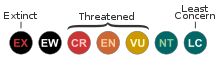
IUCN Red List
Growth: S = slow M = medium F = fast. Soil: L = light (sandy) M = medium H = heavy (clay). pH: A = acid N = neutral B = basic (alkaline). Shade: F = full shade S = semi-shade N = no shade. Moisture: D = dry M = Moist We = wet Wa = water.
Now available:
Food Forest Plants for Mediterranean Conditions
350+ Perennial Plants For Mediterranean and Drier Food Forests and Permaculture Gardens.
[Paperback and eBook]
This is the third in Plants For A Future's series of plant guides for food forests tailored to
specific climate zones. Following volumes on temperate and tropical ecosystems, this book focuses
on species suited to Mediterranean conditions—regions with hot, dry summers and cool, wet winters,
often facing the added challenge of climate change.
Read More
Expert comment
Author
(L.)All.
Botanical References
17
Links / References
For a list of references used on this page please go here
Readers comment
| Add a comment |
|
If you have important information about this plant that may help other users please add a comment or link below. Only comments or links that are felt to be directly relevant to a plant will be included. If you think a comment/link or information contained on this page is inaccurate or misleading we would welcome your feedback at [email protected]. If you have questions about a plant please use the Forum on this website as we do not have the resources to answer questions ourselves.
* Please note: the comments by website users are not necessarily those held by PFAF and may give misleading or inaccurate information.
|
Subject : melilotus indicus
|
|
|
|