Translate this page:
Summary
Bermuda grass is a tough, sun-loving, mat-forming grass famous for both its utility (lawns, sports turf, erosion control, pasture) and its persistence as a weed. It spreads fast, tolerates heat and drought, and recovers quickly after disturbance. As a foraging plant it is unusual: it is not typically gathered as a leafy vegetable or grain, but rather for its creeping rhizomes, which can be dried and used as a roasted beverage base or ground product when clean, mature, and well processed. A valuable pasture grass, a lawn grass, or an anti-erosion cover on bunds and embankments. A forage resource for milk cattle in areas where the soil is not suitable for growing crops such as maize or soyabean. Medically Bermudagrass is reported to be alterative, anabolic, antiseptic, aperient, astringent, cyanogenetic, demulcent, depurative, diuretic, emollient, sudorific, and vulnerary.
Physical Characteristics

 cynodon dactylon is an evergreen Perennial growing to 0.3 m (1ft) by 0.5 m (1ft 8in) at a medium rate.
See above for USDA hardiness. It is hardy to UK zone 7. It is in leaf all year, in flower from August to October, and the seeds ripen from September to October. The species is hermaphrodite (has both male and female organs) and is pollinated by Wind.
Suitable for: light (sandy), medium (loamy) and heavy (clay) soils, prefers well-drained soil and can grow in heavy clay and nutritionally poor soils. Suitable pH: mildly acid, neutral and basic (mildly alkaline) soils and can grow in very acid, very alkaline and saline soils.
It cannot grow in the shade. It prefers moist soil.
UK Hardiness Map
US Hardiness Map
Synonyms
Capriola dactylon (L.) Kuntze. Chloris cynodon Trin. C. repens Dulac. C. sarmentosus Gray. Cynosurus dactylon (L.) Pers. Dactilon officinale Vill. Digitaria dactylon (L.) Scop. Digitaria littoralis Salisb. Digitaria stolonifera Schrad. Fibichia dactylon (L.) Beck. Fibichia umbellata Koeler. Milium dactylon (L.) Moench. Panicum ambiguum Le Turq. Panicum dactylon L. Panicum sanguinale var. ambiguum Lapeyr. Paspalum ambiguum DC. Paspalum dactylon (L.) Lam. Phleum dactylon (L.) Georgi
Plant Habitats
Ground Cover;
Edible Uses
The edible focus is the rhizome system rather than the leaves or seedheads. The rhizomes can be harvested, thoroughly cleaned, dried, and then roasted and infused as a tea/coffee-like drink, or ground after drying for a starchy, cereal-adjacent use in emergency-style preparations. In practice, the “edibility” is less about flavour excellence and more about availability, abundance, and storability when you can collect clean material from uncontaminated ground [2-3]. Edible Uses & Rating. Edible use is primarily the underground rhizomes used as a roasted infusion (“tea/coffee”) and, secondarily, as a dried, ground ingredient. As a wild food, it rates as a low-to-moderate value resource: it is extremely available in many regions, but labour-heavy to clean, low-yield per unit effort compared with many true root crops, and often compromised by soil grit, turf chemicals, or roadside contamination [2-3]. Taste, Processing & Kitchen Notes. The rhizomes are the point of interest because they can contain sugars and develop a toasted, cereal-like character when roasted. The practical “kitchen” challenge is grit and fibre: rhizomes run through soil, that soil clings, and any remaining sand can ruin the result. Think of the workflow more like cleaning burdock or yams than like harvesting a tidy garden root. Roasting level matters: a light roast tends to read as grain-like, while a deeper roast pushes the flavour toward a coffee-adjacent bitterness, but it will never become true coffee [2-3]. Seasonality (Phenology). Bermuda grass is most active in warm weather, typically producing flowering structures in the warm season. In many parts of the southern U.S. it flowers roughly from late spring through summer into early autumn, while growth timing shifts with irrigation, mowing, and local climate. Your usable rhizomes can be gathered essentially year-round wherever the ground is not frozen, with the best collecting often when soils are moist enough to release runners without snapping. Safety & Cautions (Food Use). Because you are harvesting from soil and from places people manage turf, the main risks are not “natural plant toxins” but contamination and context. Avoid collecting from lawns, sports fields, roadsides, industrial edges, or any place that may receive herbicides, insecticides, fertilisers, dog traffic, or runoff. Also avoid areas with heavy-metal or fuel contamination. Cleanliness is everything: wash repeatedly, discard bruised or mouldy material, and treat any off smells or odd discolouration as a reason to stop. If you have grass pollen allergies, be cautious around flowering stands [2-3]. Harvest & Processing Workflow. Harvest rhizomes by loosening a patch of soil and pulling the pale, cord-like runners that creep horizontally; select thicker, healthier rhizomes and skip very fine, hairlike runners when time is limited. Rinse immediately to remove loose soil, then soak and scrub repeatedly until the wash water stays clear and there is no grit between your fingers. Dry completely before roasting so the roast is even and storage is safe. Roast slowly until aromatic and evenly browned, then store dry in an airtight container. For a beverage, crush or coarsely grind the roasted rhizomes, simmer briefly, and strain very well; any remaining grit means you need to improve the washing step next time. Cultivar/Selection Notes. If you are growing it intentionally, selection is usually about turf traits (fine texture, cold tolerance, disease resistance, growth habit). Those same traits do not necessarily improve foraging value, but more vigorous, thicker-rhizomed forms can make collection marginally easier. In most regions, “selection” for a forager really means choosing the cleanest site, not the best cultivar. Look-Alikes & Confusion Risks. In lawns and disturbed ground, many creeping grasses can look similar when not in flower, and mixed turf is common. From a food perspective, the bigger risk is not misidentifying a dangerous look-alike (most grasses are broadly non-toxic in small amounts), but confusing a clean, unmanaged patch with a chemically treated one. If you need certainty, collect a flowering sprig for confirmation; Bermuda grass typically shows narrow, finger-like seedhead spikes arranged like a small hand or starburst (a common field cue), but other turf grasses can still confuse the picture. Traditional/Indigenous Use Summary. Bermuda grass, as a Mediterranean-region introduction to North America, was historically used as forage and later widely as turf, with a documented “roasted rhizome beverage” use described by modern foraging authors rather than as a major, widely recorded Indigenous staple in the Southwest. In other words, it is more a pragmatic, opportunistic use than a culturally central wild food, as many native seed and root plants are [2-3].
References More on Edible Uses
Medicinal Uses
Plants For A Future can not take any responsibility for any adverse effects from the use of plants. Always seek advice from a professional before using a plant medicinally.
Anthelmintic Astringent Diuretic Dysentery Epilepsy Ophthalmic
Bermudagrass is reported to be alterative, anabolic, antiseptic, aperient, astringent, cyanogenetic, demulcent, depurative, diuretic, emollient, sudorific, and vulnerary[269]. A decoction of the root is used as a diuretic in the treatment of dropsy and secondary syphilis[240]. An infusion of the root is used to stop bleeding from piles[240, 243]. The juice of the plant is astringent and is applied externally to fresh cuts and wounds[240]. When mixed with the powder of a clove (Syzygium aromaticum), it is used as an anthelmintic[272]. Internally, it is used in the treatment of chronic diarrhoea and dysentery[240, 243]. It is also useful in the treatment of catarrhal ophthalmia[240, 243]. The juice is also diuretic and is used in the treatment of dropsy and anasarca[240, 243]. The leaf juice has also been used in the treatment of hysteria, epilepsy and insanity[240, 243]. The plant is a folk remedy for anasarca, calculus, cancer, carbuncles, convulsions, cough, cramps, cystitis, diarrhoea, dropsy, dysentery, epilepsy, headache, haemorrhage, hypertension, hysteria, insanity, kidneys, laxative, measles, rubella, snakebite, sores, stones, tumours, uro-genital disorders, warts, and wounds[269]. It is traditionally utilized to treat conditions such as bleeding, wounds, skin diseases, diabetes, and digestive issues. Recent studies also indicate potential, benefits for PCOS and, as an, anti-atherosclerotic agent. Key Medical and Therapeutic Uses: Wound Healing: Studies show that extracts can significantly speed up the healing process of skin infections and cuts. Anti-inflammatory & Anti-allergic: It has been used to treat chronic inflammatory conditions, rheumatism, and skin diseases. Diuretic & Kidney Health: It is known for increasing urine output, which helps treat urinary tract infections and kidney stones. Blood Sugar & Lipid Management: Used in traditional practices for diabetes management, it has been shown to reduce cholesterol and improve blood glucose control. Gynecological Issues: Used to stop excessive bleeding, such as in menorrhagia, and to treat irregularities in menstruation. Gastrointestinal Support: Used for treating diarrhea, vomiting, and constipation. Safety Considerations: While generally used for its medicinal properties, it is important to note that Cynodon dactylon can cause seasonal allergic reactions, such as rhinitis and asthma. There is also a lack of robust human clinical trials, with most evidence derived from animal or in vitro studies.
References More on Medicinal Uses
The Bookshop: Edible Plant Books
Our Latest books on Perennial Plants For Food Forests and Permaculture Gardens in paperback or digital formats.
Edible Tropical Plants
Food Forest Plants for Hotter Conditions: 250+ Plants For Tropical Food Forests & Permaculture Gardens.
More
Edible Temperate Plants
Plants for Your Food Forest: 500 Plants for Temperate Food Forests & Permaculture Gardens.
More
More Books
PFAF have eight books available in paperback and digital formats. Browse the shop for more information.
Shop Now
Other Uses
Biomass Soil stabilization
Bermuda grass is a classic “survivor plant”: resilient, opportunistic, and often hard to get rid of once established. As food, it is a niche option—best understood as a way to turn abundant underground runners into a roasted infusion or emergency dry product when you can harvest from a truly clean site and you are willing to do meticulous washing and drying. Growing Conditions. It thrives in full sun, heat, and open ground, and it tolerates drought once established while responding aggressively to water and nitrogen. It also tolerates trampling and frequent cutting, which is why it dominates sports fields and compacted urban soils. Habitat & Range. It is now widespread far beyond its native range, occurring in warm-temperate to tropical regions globally and commonly in disturbed habitats such as lawns, road verges, field edges, irrigated ditches, and compacted lots. It is widely recognised as both a useful lawn/pasture species and a serious weed in many settings. Size & Landscape Performance. As a turf, it stays low under mowing; as a plant, it forms dense mats with flowering stems rising above the leaf canopy. Its “performance” is defined by speed and coverage: it knits soil, resists wear, and outcompetes many low-growing plants through rapid lateral spread. Cultivation (Horticulture). Cultivation is straightforward in warm seasons: establish plugs, sprigs, or sod in sun, keep moist until rooted, then reduce irrigation to harden it off. Expect it to run; edging and barriers matter. In mixed plantings, it behaves like a groundcover that does not respect boundaries. Pests & Problems. In managed turf it can host or attract a suite of pests and diseases (region-dependent), but the most universal “problem” is invasiveness: it will invade beds, orchards, and irrigated fields, and it is difficult to eradicate because fragments of rhizomes and stolons readily regenerate. ? Identification & Habit. It is a stoloniferous and rhizomatous perennial grass that forms creeping mats and sends up upright flowering culms. The species is commonly described as having culms around 10–40 cm and a strongly creeping habit via runners. Pollinators. Bermuda grass is wind-pollinated rather than insect-pollinated, producing pollen that can contribute to seasonal allergies in susceptible people. Plants are sometimes grown as a cover for warm sunny banks and are sometimes used for lawns[200, 269]. They stay green even in hot and dry weather[269]. Plants give complete ground cover in 4-8 weeks when planted 30-45 cm apart[269]. They succeed on most soil types and requires very little mowing on poor soils[269]. Valuable for soil conservation due to its long runners that root at the nodes[269]. Plants are used to produce biomass. Annual productivity ranges from 4 to 52 tonnes per hectare[269]. Ecologically, it provides ground cover, erosion control, and forage value in some contexts, while displacing native ground-layer plants in others. In disturbed ecosystems it can become a dominant mat-former that changes plant community composition by sheer competitive pressure.
Special Uses
Ground cover
References More on Other Uses
Cultivation details
Bermuda grass is a classic “survivor plant”: resilient, opportunistic, and often hard to get rid of once established. As food, it is a niche option—best understood as a way to turn abundant underground runners into a roasted infusion or emergency dry product when you can harvest from a truly clean site and you are willing to do meticulous washing and drying. Growing Conditions. It thrives in full sun, heat, and open ground, and it tolerates drought once established while responding aggressively to water and nitrogen. It also tolerates trampling and frequent cutting, which is why it dominates sports fields and compacted urban soils. Habitat & Range. It is now widespread far beyond its native range, occurring in warm-temperate to tropical regions globally and commonly in disturbed habitats such as lawns, road verges, field edges, irrigated ditches, and compacted lots. It is widely recognised as both a useful lawn/pasture species and a serious weed in many settings. Size & Landscape Performance. As a turf, it stays low under mowing; as a plant, it forms dense mats with flowering stems rising above the leaf canopy. Its “performance” is defined by speed and coverage: it knits soil, resists wear, and outcompetes many low-growing plants through rapid lateral spread. Cultivation (Horticulture). Cultivation is straightforward in warm seasons: establish plugs, sprigs, or sod in sun, keep moist until rooted, then reduce irrigation to harden it off. Expect it to run; edging and barriers matter. In mixed plantings, it behaves like a groundcover that does not respect boundaries. Pests & Problems. In managed turf it can host or attract a suite of pests and diseases (region-dependent), but the most universal “problem” is invasiveness: it will invade beds, orchards, and irrigated fields, and it is difficult to eradicate because fragments of rhizomes and stolons readily regenerate. ? Identification & Habit. It is a stoloniferous and rhizomatous perennial grass that forms creeping mats and sends up upright flowering culms. The species is commonly described as having culms around 10–40 cm and a strongly creeping habit via runners. Pollinators. Bermuda grass is wind-pollinated rather than insect-pollinated, producing pollen that can contribute to seasonal allergies in susceptible people. Prefers a warm sunny position in a well-drained soil[200]. The plant can grow in very diverse conditions of soil and moisture, withstanding drought well and also tending to eliminate other plants[269]. It spreads quite rapidly, rooting at the nodes, becoming difficult to eradicate and can be a serious weed in cultivated land[269]. Bermudagrass is reported to tolerate an annual precipitation of 9 to 429cm, an annual temperature range of 5.9 to 27.8°C, and a pH in the range of 4.3 to 8.4. Reported from the Hindustani Centre of Diversity, Bermudagrass, or cvs thereof, is reported to tolerate alkali soil conditions, disease, drought, frost, grazing, herbicide, heavy metal, heavy soil, insects, laterite, nematodes, peat, poor soil, salt, sand, atmospheric pollution, ultraviolet, virus, water-logging and weeds[269]. It is unproductive in poor dry soils and is best adapted to relatively fertile, well-drained soils with a pH of 6.0-7.0, in humid areas. Plants withstand long periods of drought, as they produce little growth in dry weather[269]. This species is hardy to about -10°c[200]. Plants vary greatly in habit according to soil and climate, and occur in several natural strains which differ widely in size, colour (bright, yellow-green to dull blue-green), texture of stars and leaves, size of spikes, and grazing value. Most varieties are poor seeders and are propagated by their creeping stem. Bermudagrass can form dense cover in almost pure stands, practically anywhere. Abundant as a weed along roadsides, in lawns, on sandy wastes, along sand dunes, and readily takes possession of any uncultivated area[269]. Bermuda grass (Cynodon dactylon (L.) Pers.) is in the grass family (Poaceae), genus Cynodon. Common names include Bermuda grass, couch grass, and wiregrass. It is a warm-season perennial that is widely grown and naturalised; it is most reliably perennial in USDA Hardiness Zones about 7–10, but it can persist beyond that range in protected sites or as a summer annual where winters are colder. ? Unmown flowering culms are commonly around 10–40 cm tall, while the plant’s functional “spread” is effectively unlimited because it creeps aggressively by stolons and rhizomes and can form broad mats. Introduced into:
Alabama, Altay, Amsterdam-St.Paul Is., Argentina Northeast, Argentina Northwest, Argentina South, Arizona, Arkansas, Aruba, Ascension, Bahamas, Belgium, Belize, Bermuda, Bolivia, Brazil North, Brazil South, Brazil Southeast, Brazil West-Central, British Columbia, California, Caroline Is., Cayman Is., Chagos Archipelago, Chile Central, Chile North, Christmas I., Cocos (Keeling) Is., Colombia, Colorado, Connecticut, Cook Is., Costa Rica, Cuba, Delaware, Desventurados Is., District of Columbia, Dominican Republic, Easter Is., Ecuador, El Salvador, Fiji, Florida, French Guiana, Galápagos, Georgia, Germany, Gilbert Is., Guatemala, Guyana, Haiti, Hawaii, Honduras, Howland-Baker Is., Idaho, Illinois, Indiana, Iowa, Jamaica, Kansas, Kentucky, Kermadec Is., Leeward Is., Line Is., Louisiana, Marianas, Marquesas, Marshall Is., Maryland, Massachusetts, Mexican Pacific Is., Mexico Central, Mexico Gulf, Mexico Northeast, Mexico Northwest, Mexico Southeast, Mexico Southwest, Michigan, Mississippi, Missouri, Montana, Nauru, Nebraska, Netherlands, Netherlands Antilles, Nevada, New Caledonia, New Hampshire, New Jersey, New Mexico, New York, New Zealand North, New Zealand South, Newfoundland, Nicaragua, Niue, Norfolk Is., North Carolina, Ohio, Oklahoma, Oregon, Panamá, Paraguay, Pennsylvania, Peru, Phoenix Is., Pitcairn Is., Puerto Rico, Samoa, Society Is., South Carolina, Southwest Caribbean, St.Helena, Suriname, Tennessee, Texas, Tokelau-Manihiki, Tonga, Trinidad-Tobago, Tristan da Cunha, Tuamotu, Tubuai Is., Turks-Caicos Is., Uruguay, Utah, Vanuatu, Venezuela, Venezuelan Antilles, Virginia, Wake I., Wallis-Futuna Is., Washington, West Virginia, Windward Is.
References Carbon Farming Information and Carbon Sequestration Information
Temperature Converter
Type a value in the Celsius field to convert the value to Fahrenheit:
Fahrenheit:
The PFAF Bookshop
Plants For A Future have a number of books available in paperback and digital form. Book titles include Edible Plants, Edible Perennials, Edible Trees,Edible Shrubs, Woodland Gardening, and Temperate Food Forest Plants. Our new book is Food Forest Plants For Hotter Conditions (Tropical and Sub-Tropical).
Shop Now
Plant Propagation
Seed - sow spring in a greenhouse and only just cover the seed. Germination should take place within 2 weeks. Prick out the seedlings into individual pots when they are large enough to handle, and grow them on in the greenhouse for their first winter. Plant out into their permanent positions in late spring. There are almost 4,000,000 seeds per kilo[269]. Division in late spring. Very simple, plants can be propagated easily from rooted sideshoots, establishing quickly when planted straight into the soil[269].
Other Names
If available other names are mentioned here
Bahama grass; couch grass; devil grass; dog's tooth grass; quick grass; star grass. Spanish: grama Bermuda; grama común; grama de Espana; gramilla; pasto bermuda; zacate de gallina. French: chiendent; chiendent dactyle; gros chiendent; herbes-des-Bermudes; pied de poule. Portuguese: capim-coastcross; capim-da-bermuda; capim-de-burro; grama; grama-bermuda; grama-seda; mate-me-embora. Angola: usila. Argentina: chepica brava; grama bermuda; gramón; pasto de perro; pasto forestal; pata de perdiz; pie de gallina; tejedora; uña de gato. Brazil: capim de burro; capim-bermuda; capim-fino; grama rasteteira; grama sao paulo; grama seda. Cambodia: smao anchien. Chile: pasto de galina. Colombia: pasto Argentina; pasto ingles. Cuba: grama; hierba de la Bermuda; hierba fina. Dominican Republic: grama fina de Bermudas Egypt: negil. El Salvador: barenillo; zacate de agujilla. Fiji: balama grass; kabuta. Germany: Echte-Hundsahn; Finger-Hundsahn. Greece: agriada. Hawaii: mahiki; manienie. India: arugampul; doob; duba; hariali. Indonesia: gigirintingan; jukut kakawatan; jukut raket. Iran: chair. Iraq: thayyel. Israel: yableet matsui. Italy: gramigna. Japan: gyogishiba. Java: grintingan; hoe maneek; suket grinting. Lebanon: irk-en-najil; shirch-un unjil. Malaysia: rumput minak. Mexico: agrasia. Morocco: mor-chiendent. Myanmar: mye-sa-myet; mye-za-gyi. Netherlands: hondsgrass. New Zealand: Indian doab. Pakistan: khabbal; talla. Peru: grama dulce. Philippines: babalut; galud-galud; kawad-kawaran; kulatai. Puerto Rico: ala quete queda; pelo de brujas; pepe ortis; yerba Bermuda. Saudi Arabia: nageel. South Africa: gewone kweekgras. Sri Lanka: aruham-pul; buha. Sudan: nagila. Suriname: tigriston. Sweden: hundtandgraes. Taiwan: gou-ya-gen. Thailand: yah-phraek. Turkey: kopek disi ayrigi. Venezuela: pasto pata de gallina. Vietnam: cò chi'; co' ông. Yugoslavia (Serbia and Montenegro): zubaca. Zambia: kapinga.
Native Range
Native to:
Afghanistan, Albania, Aldabra, Algeria, Andaman Is., Angola, Assam, Austria, Azores, Baleares, Bangladesh, Benin, Bismarck Archipelago, Borneo, Botswana, Bulgaria, Burkina, Burundi, Cambodia, Cameroon, Canary Is., Cape Provinces, Cape Verde, Caprivi Strip, Central African Republic, Central European Russia, Chad, China North-Central, China South-Central, China Southeast, Congo, Corse, Cyprus, Czechia-Slovakia, Djibouti, DR Congo, East Aegean Is., East Himalaya, Egypt, Equatorial Guinea, Eritrea, Eswatini, Ethiopia, France, Free State, Gabon, Gambia, Ghana, Great Britain, Greece, Guinea, Guinea-Bissau, Gulf of Guinea Is., Gulf States, Hainan, Hungary, India, Iran, Iraq, Italy, Ivory Coast, Japan, Jawa, Kazakhstan, Kenya, Kirgizstan, Korea, Kriti, Krym, Kuwait, KwaZulu-Natal, Laccadive Is., Laos, Lebanon-Syria, Lesotho, Lesser Sunda Is., Liberia, Libya, Madagascar, Madeira, Malawi, Malaya, Mali, Maluku, Mauritania, Mauritius, Morocco, Mozambique, Mozambique Channel Is., Myanmar, Namibia, Nansei-shoto, Nepal, New Guinea, New South Wales, Nicobar Is., Niger, Nigeria, North Caucasus, Northern Provinces, Northern Territory, NW. Balkan Pen., Ogasawara-shoto, Oman, Pakistan, Palestine, Philippines, Portugal, Queensland, Rodrigues, Romania, Rwanda, Réunion, Sardegna, Saudi Arabia, Senegal, Seychelles, Sicilia, Sierra Leone, Sinai, Socotra, Solomon Is., Somalia, South Australia, South China Sea, South European Russia, Spain, Sri Lanka, Sudan-South Sudan, Sumatera, Switzerland, Tadzhikistan, Taiwan, Tanzania, Tasmania, Thailand, Togo, Transcaucasus, Tunisia, Turkmenistan, Türkiye, Türkiye-in-Europe, Uganda, Ukraine, Uzbekistan, Victoria, Vietnam, West Himalaya, Western Australia, Western Sahara, Yemen, Zambia, Zimbabwe
Weed Potential
Right plant wrong place. We are currently updating this section.
Please note that a plant may be invasive in one area but may not in your area so it's worth checking.
Listed as one of the most “serious” agricultural and environmental weeds in the world in the Global Compendium of Weeds (Randall, 2012). Cynodon dactylon is listed as invasive in many countries including Australia, Indonesia, Singapore, Cambodia, Vietnam, USA, Mexico, Costa Rica, Puerto Rico, Chile, Colombia, Uruguay, Argentina, Brazil and many islands in the Pacific Ocean such as Hawaii, Fiji, and French Polynesia.
Conservation Status
IUCN Red List of Threatened Plants Status : This taxon has not yet been assessed.
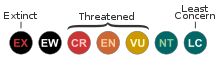
Growth: S = slow M = medium F = fast. Soil: L = light (sandy) M = medium H = heavy (clay). pH: A = acid N = neutral B = basic (alkaline). Shade: F = full shade S = semi-shade N = no shade. Moisture: D = dry M = Moist We = wet Wa = water.
Now available:
Food Forest Plants for Mediterranean Conditions
350+ Perennial Plants For Mediterranean and Drier Food Forests and Permaculture Gardens.
[Paperback and eBook]
This is the third in Plants For A Future's series of plant guides for food forests tailored to
specific climate zones. Following volumes on temperate and tropical ecosystems, this book focuses
on species suited to Mediterranean conditions—regions with hot, dry summers and cool, wet winters,
often facing the added challenge of climate change.
Read More
Expert comment
Author
(L.)Pers.
Botanical References
17200
Links / References
For a list of references used on this page please go here
Readers comment