Translate this page:
Summary
Sporobolus asperifolius (Nees & Meyen ex Trin.) Nees & Meyen is a synonym of Muhlenbergia asperifolia. Scratch grass is a perennial, often rhizomatous grass found in western North America and parts of Central and South America. It is particularly associated with wet meadows, alkaline soils, stream margins, and seasonally moist grasslands. Unlike many grasses adapted to dry desert slopes, scratch grass often grows where water is available at or near the soil surface. The plant forms loose, spreading colonies of slender stems and narrow leaves. Its underground rhizomes allow it to expand horizontally, sometimes producing extensive patches in suitable habitats. The flowering stems are generally much taller than the surrounding foliage and carry delicate, open flower clusters containing numerous small spikelets. These spikelets eventually produce tiny grains. Field notes: the grains of scratch grass are edible, as are those of littleseed muhlygrass and deer grass. Its seeds are considerably smaller than those of cultivated cereals, making harvesting and processing potentially time-consuming. Scratch grass is therefore best regarded as a wild grass with reported edible grains rather than an established or particularly productive grain crop. The species also has ecological value. Its spreading root system can help stabilize moist soils, while its foliage provides cover and forage for wildlife.
Physical Characteristics

 Sporobolus_asperifolius is a PERENNIAL growing to 0.3 m (1ft) by 0.3 m (1ft in) at a fast rate.
See above for USDA hardiness. It is hardy to UK zone 5. The species is hermaphrodite (has both male and female organs) and is pollinated by Wind.
It is noted for attracting wildlife.
Suitable for: light (sandy) and medium (loamy) soils and can grow in nutritionally poor soil. Suitable pH: neutral and basic (mildly alkaline) soils and can grow in very alkaline and saline soils.
It can grow in semi-shade (light woodland) or no shade. It prefers dry moist or wet soil.
UK Hardiness Map
US Hardiness Map
Synonyms
Muhlenbergia asperifolia, (Nees.&Mey.)Parodi.
Plant Habitats
Edible Uses
Scratch grass is a perennial, often rhizomatous grass associated with moist meadows, stream margins, and alkaline soils. Its grains are reported to be edible, but their small size and the lack of detailed culinary information limit its practical value as a wild food. The species is more significant ecologically than agriculturally. Its spreading root system can help stabilize moist soils, and its foliage contributes to grassland and wetland habitats. Scratch grass is best described as a wild grass with edible grains but limited documented food value [2-3]. Edible part: Mature grains (seeds) [2-3]. Grains of Muhlenbergia asperifolia are edible [2-3]. As with other grasses, the grain is technically a caryopsis, a dry, one-seeded fruit in which the seed coat is closely associated with the fruit wall. Scratch grass produces numerous small grains within its flowering structures. However, the individual grains are tiny, and collecting substantial quantities may require considerable effort. Grains: The mature grains are the principal reported edible part. They may be collected when the flowering heads have dried, and the grains are fully developed. Scratch grass should not be presented as a proven high-yielding wild cereal [2-3]. Young Leaves and Shoots: Field notes do not identify the leaves or shoots as edible parts [2-3]. Although many grasses can be grazed by livestock or wildlife, this does not necessarily mean their foliage is suitable or nutritious for human consumption. The leaves are relatively narrow and may become coarse as they mature. Roots and Rhizomes: Scratch grass produces underground rhizomes that allow it to spread. Field notes do not identify these structures as edible [2-3]. They should not be included among the edible parts without additional reliable evidence. Edibility Rating: 2 out of 5 – Edible grains with limited practical food value. Scratch grass receives a provisional edibility rating of 2/5. Its grains are reported to be edible, but their small size makes harvesting and processing relatively labor-intensive. Field notes do not describe their flavor, nutritional value, or traditional preparation [2-3]. There is also insufficient information about achievable grain yields. Although the species may produce numerous seeds, the amount of usable grain obtained from an individual plant is likely to be relatively small. Scratch grass is therefore of interest as a supplementary wild food rather than a major grain resource. A rating of 2/5 reflects its reported edibility combined with the practical limitations of harvesting tiny grains. Taste and Preparation: Field notes do not provide a direct flavor assessment for scratch grass grains [2-3]. No particular cooking method or recipe is described. The following preparation possibilities are based on general grain-processing principles rather than documented species-specific culinary observations. Harvesting: Mature seed heads may be collected when the grains are fully developed and beginning to dry. Harvesting too early may produce immature grains with little usable food value. Waiting too long may result in substantial seed loss as the grains disperse. The timing will vary according to local climate and growing conditions. Cleaning: Collected seed heads may contain considerable amounts of chaff and other plant material. Drying, gentle threshing, sieving, and winnowing may help separate the grains. Because the seeds are very small, fine sieves and careful handling may be required. Grinding: Cleaned grains could potentially be ground into meal. Field notes do not document this preparation for grass collected [2-3]. The practical value of grinding depends on the quantity of grain collected and how easily the edible material can be separated from the surrounding floral structures. Cooking: Cooking grains in water is a plausible preparation method, but no species-specific cooking time or traditional recipe has been established. Seasonality: Scratch grass is a warm-season perennial. Its growth and flowering are influenced by temperature, moisture, and local climate. In western North America, flowering generally occurs during the warmer months. Seed maturation follows flowering and often extends into late summer or autumn. Traditional Uses: Many grasses were important food resources in western North America, but the significance of individual species varied considerably. For scratch grass, its historical food value remains insufficiently documented in the material supplied. Safety: Grain Identification: Field notes state that the grains of scratch grass, littleseed muhlygrass and deer grass are edible [2-3]. However, the broader statement that all grasses are edible should not be interpreted as meaning that every grass species, plant part or contaminated seed head is safe to consume. Correct identification remains important. Fungal Contamination: Grass seeds may become contaminated with fungi or mould, particularly when collected in damp conditions. Only clean, mature and undamaged grains should be considered for food. Discard moldy or discolored seed heads. Environmental Contamination: Scratch grass frequently grows in wetland and drainage environments. These habitats may accumulate agricultural chemicals, industrial contaminants, or polluted runoff. Do not collect wild grains from contaminated sites. Small Seed Size: The tiny grains require careful cleaning. Remove chaff, soil particles, and other debris before any culinary use. Allergies: Individuals with allergies to grasses or grass pollen may be sensitive to handling flowering or seeding material. Seed - raw or cooked. It can be parched, ground into a flour and eaten dry or made into a mush[105, 161].
References More on Edible Uses
Medicinal Uses
Plants For A Future can not take any responsibility for any adverse effects from the use of plants. Always seek advice from a professional before using a plant medicinally.
None known
References More on Medicinal Uses
Other Uses
Scratch grass is not widely cultivated as a food plant. However, it may have value in native grassland restoration, wet meadow planting, and erosion control. Its rhizomatous growth habit can help stabilize soil in suitable moist environments. Wildlife Value: Scratch grass provides cover and potentially forage for wildlife in wetland and grassland environments. Its foliage may be grazed by herbivores, particularly while young. The seeds may be consumed by granivorous birds and small mammals, although specific wildlife relationships have not been established in the PFAF field notes. Its rhizomatous growth habit can also help stabilize soil in moist habitats.
Special Uses
References More on Other Uses
Cultivation details
Light: Full sun to partial shade. Scratch grass generally grows in open meadows, wetlands, and streamside habitats. It performs best where sufficient light reaches the foliage. Some partial shade may be tolerated, particularly along woodland margins. Soil: Moist sandy, loamy, silty or clay soils. Scratch grass is adapted to soils that retain moisture during at least part of the growing season. It can occur in alkaline and saline environments where many other grasses struggle. Soil pH: Neutral to alkaline, with tolerance of saline conditions. Scratch grass is frequently associated with alkaline meadows and salt-affected soils. Moisture: Moderate to high moisture availability. The species is associated with wet meadows, stream margins, and other habitats where groundwater or seasonal flooding provides moisture. Established plants may tolerate periods of drying, but prolonged severe drought can restrict growth. Nutrients: Scratch grass can grow in soils with variable fertility. Its ability to tolerate saline and alkaline conditions may allow it to occupy habitats where competition from less tolerant plants is reduced. Nitrogen Fixation: Scratch grass is not known to fix atmospheric nitrogen. Like most grasses, it may benefit from soil microbial relationships, but it does not possess the specialized nitrogen-fixing root nodules characteristic of many legumes. Habitat: Scratch grass occurs in western North America and extends into parts of Central and South America. It is particularly associated with moist or seasonally wet habitats. Wet Meadows: Wet meadows are among its characteristic environments. The species may form spreading patches where groundwater remains close to the surface. Stream Margins: Scratch grass can grow along streams and drainage channels. Its rhizomatous root system may help stabilize moist soil. Alkaline and Saline Soils: The species tolerates alkaline and saline conditions. It may occur in salt-affected meadows and other habitats where soil chemistry limits the growth of less tolerant plants. Disturbed Moist Ground: Scratch grass may establish in disturbed areas where moisture remains available. However, its ability to spread depends on suitable soil and water conditions. Cultivation: Scratch grass is not widely cultivated as a food plant. However, it may be valuable for native grassland restoration, wet meadow planting, and erosion control. Its rhizomatous growth habit can help stabilize soil in suitable moist environments. Planting Position: A sunny position with adequate soil moisture is preferable. The plant is particularly suitable for locations where the soil remains seasonally moist. Watering: Regular moisture may be necessary during establishment. Once established, plants may tolerate some seasonal drying. Maintenance: Scratch grass generally requires little maintenance in suitable habitats. However, its spreading rhizomes should be considered before planting in small garden beds. Food Production: The species is not recommended as a primary grain crop. Its grains are very small, and reliable information about yields and processing efficiency is lacking. USDA Hardiness Zones: USDA Zones 4–10 – provisional estimate. Scratch grass occurs across a broad range of climates, including temperate regions with cold winters and warmer regions with relatively mild winters. Its perennial rhizomatous growth habit allows it to survive unfavorable seasons underground. However, a reliable species-specific horticultural hardiness range has not been established in the PFAF field notes. The proposed range should therefore be regarded as an approximate estimate rather than a verified cultivation rating. Growth Rate: Growth rate: Moderate to fast under favorable conditions. Scratch grass can spread through underground rhizomes. Where moisture is available, these rhizomes may allow the plant to expand and form colonies. Above-ground growth is generally most vigorous during the warm growing season. In dry or nutrient-poor habitats, growth may be considerably slower. The proposed growth rate is a horticultural estimate based on its growth habit rather than a measured species-specific rate. Mature Size: Height: Approximately 20–80 cm, occasionally taller. Spread: Variable; colonies may expand through rhizomes. Scratch grass generally forms slender, spreading growth rather than the large, dense clumps characteristic of deer grass. Its flowering stems may stand above the surrounding foliage. The exact height depends on moisture, soil conditions, and competition from neighboring vegetation. Because the plant spreads through rhizomes, its mature width cannot be represented reliably by a single measurement. Identification: Scratch grass is a perennial grass with slender stems, narrow leaves and delicate flowering panicles. Growth Form: The plant generally forms loose, spreading colonies. Underground rhizomes allow it to expand horizontally. Stems: The stems are slender and usually upright or ascending. They may branch near the base. Leaves: The leaves are narrow and elongated. Their surfaces and margins may feel rough to the touch. The species name asperifolia refers to this rough-leaved characteristic. Flowers: The flowers are small and arranged in panicles. Like other grasses, scratch grass flowers lack conspicuous petals and are primarily adapted to wind pollination. Fruits: The fruits are tiny dry grains. They develop within the spikelets and are dispersed after maturity. Roots: The plant has fibrous roots and underground rhizomes. These structures help it spread and stabilize soil. Similar Species: Littleseed Muhlygrass (Muhlenbergia microsperma): Littleseed muhlygrass is another species included in the PFAF field notes. It is generally a smaller, more delicate grass associated with drier habitats. Its grains are also reported to be edible. Unlike scratch grass, it does not typically form extensive rhizomatous colonies in wet meadows. Deer Grass (Muhlenbergia rigens): Deer grass is a much larger, robust perennial grass. It forms dense clumps of long, narrow leaves and produces tall flowering stems. It is widely used in native landscaping and restoration. Its grains are reported as edible in the PFAF field notes. Other Muhly Grasses: The genus Muhlenbergia contains numerous species with small grass flowers and grains. Some species form dense clumps, while others spread through rhizomes. Identification often requires examination of spikelets, flowering structures, and growth habit.
References Carbon Farming Information and Carbon Sequestration Information
Temperature Converter
Type a value in the Celsius field to convert the value to Fahrenheit:
Fahrenheit:
Plant Propagation
Scratch grass can be propagated by seed and division. Seeds: Mature seeds may be collected from dry flowering heads. Germination requirements vary with seed maturity, dormancy, and environmental conditions. A reliable species-specific germination protocol has not been established in the PFAF field notes. Division: Established plants may be propagated by dividing sections containing healthy rhizomes and roots. Division is likely to be most successful when sufficient moisture is available for establishment. Rhizomes: The plant can spread naturally through underground rhizomes. This allows established colonies to expand into suitable adjacent habitats. Seed - sow in spring in a greenhouse and cover the seed only. Germination should take place within 2 weeks. Prick out the seedlings into individual pots when they are large enough to handle and plant them out in the summer if they have grown sufficiently. Otherwise, grow them on in a greenhouse for their first winter and plant them out in late spring of the following year. Division in spring. Larger divisions can be planted out directly into their permanent positions. We have found it best to pot up the smaller divisions and grow them in a lightly shaded position in a cold frame, then plant them out once they are well established in the summer.
Other Names
If available other names are mentioned here
Sporobolus asperifolius (Nees & Meyen ex Trin.) Nees & Meyen is a synonym of Muhlenbergia asperifolia. Scratch grass, alkali muhly, scratchgrass.
Native Range
US. USA. Alberta, Argentina Northeast, Argentina Northwest, Argentina South, Arizona, Bolivia, British Columbia, California, Chile Central, Chile North, Chile South, Colorado, Idaho, Illinois, Indiana, Iowa, Kansas, Kentucky, Manitoba, Maryland, Mexico Northeast, Mexico Northwest, Mexico Southwest, Michigan, Minnesota, Missouri, Montana, Nebraska, Nevada, New Mexico, New York, North Dakota, Ohio, Oklahoma, Ontario, Oregon, Pennsylvania, Saskatchewan, South Dakota, Texas, Utah, Washington, Wisconsin, Wyoming.
Weed Potential
Right plant wrong place. We are currently updating this section.
Please note that a plant may be invasive in one area but may not
in your area so it's worth checking.
Moderate in suitable moist habitats. Scratch grass can spread through rhizomes and may form extensive patches where growing conditions are favorable. This can make it useful for stabilizing soil but potentially difficult to contain in small cultivated areas. Its spread is generally limited by moisture availability. It is not typically associated with aggressive invasion of dry upland habitats.
Conservation Status
IUCN Red List of Threatened Plants Status :
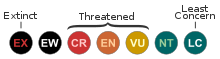
IUCN Red List
Growth: S = slow M = medium F = fast. Soil: L = light (sandy) M = medium H = heavy (clay). pH: A = acid N = neutral B = basic (alkaline). Shade: F = full shade S = semi-shade N = no shade. Moisture: D = dry M = Moist We = wet Wa = water.
Support Plants For A Future
Plants For A Future relies on regular donations to keep our free database and search facilities going, to pay for ongoing research, improvements and enhancements, and to develop and publish new books.
Read more
Choose Currency
Donate in £ GBP
Donate in $ USD
Donate in € EUR
Securely pay via PayPal or Credit/Debit Card without an account.
Expert comment
Author
(Nees & Meyen ex Trin.) Nees & Meyen
Botanical References
43235236
Links / References
For a list of references used on this page please go here
Readers comment
| Add a comment |
|
If you have important information about this plant that may help other users please add a comment or link below. Only comments or links that are felt to be directly relevant to a plant will be included. If you think a comment/link or information contained on this page is inaccurate or misleading we would welcome your feedback at [email protected]. If you have questions about a plant please use the Forum on this website as we do not have the resources to answer questions ourselves.
* Please note: the comments by website users are not necessarily those held by PFAF and may give misleading or inaccurate information.
|
Subject : Sporobolus_asperifolius
|
|
|
|