 |
|
Alex Popovkin, Bahia, Brazil, wikimedia.org |
 |
| Alex Popovkin, Bahia, Brazil, wikimedia.org |
Translate this page:
Summary
Solanum paniculatum, also known as Jurubeba, is a shrub growing about 2.5 m in height. It can be found in South America particularly in Argentina, Paraguay, and Brazil. It is not edible but is a popular medicinal plant utilized for treatments for digestive problems, liver problems, fevers, anemia, erysipelas, hepatitis, uterine tumors, irritable bowel syndrome, chronic gastritis, and others. The plant is grown by direct seed sowing.
Physical Characteristics

 Solanum_paniculatum is a SHRUB growing to 2 m (6ft) by 2 m (6ft) at a fast rate.
See above for USDA hardiness. It is hardy to UK zone 10.
Suitable for: light (sandy), medium (loamy) and heavy (clay) soils, prefers well-drained soil and can grow in nutritionally poor soil. Suitable pH: mildly acid, neutral and basic (mildly alkaline) soils. It can grow in semi-shade (light woodland) or no shade. It prefers moist soil.
UK Hardiness Map
US Hardiness Map
Synonyms
Plant Habitats
Edible Uses
References More on Edible Uses
Medicinal Uses
Plants For A Future can not take any responsibility for any adverse effects from the use of plants. Always seek advice from a professional before using a plant medicinally.
The plant is commonly used in Brazil, especially to treat digestive problems and a sluggish liver. Modern research has borne out these traditional uses. The plant contains a number of active compounds including steroids, saponins, glycosides, and alkaloids in the root, stem, and leaves. The alkaloids are found more abundantly in the root, although they are also present in the stem and leaves. The steroids and saponins are found in higher quantities in the root, while the leaves have the greatest amount of glycosides. The plant also has been found to contain a large proportion of bitter properties, which were thought to contribute to its ability to stimulate digestion[318 ]. Solanidine and solasodine were discovered in the leaves and fruit, which probably accounts for its liver-protective properties[318 ]. The compound solanin, also found in the plant, has been documented in clinical research to possess analgesic activity (possibly through its ability to block pain impulses in the nervous system)[318 ]. One study has shown that the root, stem, flower, leaf, and fruit of the plant have anti-ulcer activity[318 ]. The plant also has been documented to have cardiotonic activity, possibly due to the alkaloid solanidine, which has been documented to have this activity[318 ]. The leaves and roots are used as a tonic and for treating fevers, anaemia, erysipelas, hepatitis, liver and spleen disorders, uterine tumours, irritable bowel syndrome, chronic gastritis, and other such digestive problems as sluggish digestion, bloating, and flatulence. Jurubeba leaf tea is a very common household remedy throughout Brazil for hangovers, especially when combined with indigestion and bloating from overeating[318 ]. The plant is sometimes employed externally in poultices to heal wounds and ulcers[318 ].
References More on Medicinal Uses
Other Uses
Other Uses: None known
Special Uses
References More on Other Uses
Cultivation details
Given its wide adaptability to various disturbed habitats and weedy nature, Solanum paniculatum would probably become naturalized in other parts of the world if introduced[435 ]. Flowering Time: Blooms all year. Bloom Color: Violet/Lavender White/Near White. Spacing: 4-6 ft. (1.2-1.8 m).
References Carbon Farming Information and Carbon Sequestration Information
Temperature Converter
Type a value in the Celsius field to convert the value to Fahrenheit:
Fahrenheit:
Plant Propagation
Seed -
Other Names
If available other names are mentioned here
jubeba, juripeba, jurubeba, jurubeba-roxa, juuna, juvena.
Native Range
SOUTHERN AMERICA: Brazil (Bahia, Ceará, Distrito Federal, Goiás, Mato Grosso, Minas Gerais, Pará, Paraíba, Paraná, Pernambuco, Rio de Janeiro, Rio Grande do Norte, Rio Grande do Sul, Santa Catarina, São Paulo, Sergipe), Argentina (Corrientes), Paraguay
Weed Potential
Right plant wrong place. We are currently updating this section.
Please note that a plant may be invasive in one area but may not
in your area so it's worth checking.
Given its wide adaptability to various disturbed habitats and weedy nature, Solanum paniculatum would probably become naturalized in other parts of the world if introduced[435 ]
Conservation Status
IUCN Red List of Threatened Plants Status : This taxon has not yet been assessed
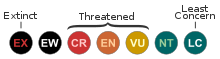
IUCN Red List
Growth: S = slow M = medium F = fast. Soil: L = light (sandy) M = medium H = heavy (clay). pH: A = acid N = neutral B = basic (alkaline). Shade: F = full shade S = semi-shade N = no shade. Moisture: D = dry M = Moist We = wet Wa = water.
Support Plants For A Future
Plants For A Future relies on regular donations to keep our free database and search facilities going, to pay for ongoing research, improvements and enhancements, and to develop and publish new books.
Read more
Choose Currency
Donate in £ GBP
Donate in $ USD
Donate in € EUR
Securely pay via PayPal or Credit/Debit Card without an account.
Expert comment
Author
L.
Botanical References
Links / References
For a list of references used on this page please go here
A special thanks to Ken Fern for some of the information used on this page.
Readers comment
| Add a comment |
|
If you have important information about this plant that may help other users please add a comment or link below. Only comments or links that are felt to be directly relevant to a plant will be included. If you think a comment/link or information contained on this page is inaccurate or misleading we would welcome your feedback at [email protected]. If you have questions about a plant please use the Forum on this website as we do not have the resources to answer questions ourselves.
* Please note: the comments by website users are not necessarily those held by PFAF and may give misleading or inaccurate information.
|
Subject : Solanum_paniculatum
|
|
|
|