Translate this page:
Summary
Physical Characteristics

 Salix_hybrids is a deciduous Shrub growing to 25 m (82ft) by 15 m (49ft) at a fast rate.
See above for USDA hardiness. It is hardy to UK zone 2. The flowers are pollinated by Insects.
Suitable for: light (sandy), medium (loamy) and heavy (clay) soils. Suitable pH: mildly acid, neutral and basic (mildly alkaline) soils. It cannot grow in the shade. It prefers moist or wet soil.
UK Hardiness Map
US Hardiness Map
Synonyms
See individual species.
Plant Habitats
Edible Uses
See individual species. In some species the inner bark and leaves are edible.
References More on Edible Uses
Medicinal Uses
Plants For A Future can not take any responsibility for any adverse effects from the use of plants. Always seek advice from a professional before using a plant medicinally.
Some. See individual species. Willow bark was the basis for aspirin development. Many cultures have used willow bark for pain relief, thanks to a compound in willow bark called salicin.
References More on Medicinal Uses
Other Uses
Wastewater treatment - converting wastewater to biomass fuel by taking up excess nutrients in warer for fertilizer. A strong, light flexible wood used for basketry, fencing and natural building. Erosion control and bank stabilization akong streams and rivers [1-1]. Carbon Farming Solutions - Industrial Crop: biomass (Crops grown for non-food uses. Industrial crops provide resources in three main categories: materials, chemicals, and energy. Traditional materials include lumber and thatch, paper and cardboard, and textiles) [1-1]. Fodder: bank. The leaves are a good fodder for livestock. Other Systems: SRC. Dynamic accumulator.
Special Uses
References More on Other Uses
Cultivation details
Climate: , tropical highlands. Humidity: semi-arid to humid, aquatic. There are tree, shrub, and ground cover willows. Usually coppiced or pollarded when managing. Some coppiced willows have lived to 800 years. Easy to breed and hybridize. Willows are very cross-compatible, and numerous hybrids occur, both naturally and in cultivation. A well-known ornamental example is the weeping willow (Salix × sepulcralis), which is a hybrid of Peking willow (Salix babylonica) from China and white willow (Salix alba) from Europe. Breeding work has increased biomass yields 50% in the last few decades. European breeding emphasises Salix viminalis and four or five others while North America is based on Salix purpurea and others. Carbon Farming Solutions - Cultivation: minor global crop. Management: coppice (Describes the non-destructive management systems that are used in cultivation) [1-1].
References Carbon Farming Information and Carbon Sequestration Information
Temperature Converter
Type a value in the Celsius field to convert the value to Fahrenheit:
Fahrenheit:
Plant Propagation
Seed
Other Names
If available other names are mentioned here
Willows, Sallows, Osiers, Willow Hybrids, Salix Hybrids
Native Range
Weed Potential
Right plant wrong place. We are currently updating this section.
Please note that a plant may be invasive in one area but may not
in your area so it's worth checking.
None Known
Conservation Status
IUCN Red List of Threatened Plants Status : This taxon has not yet been assessed
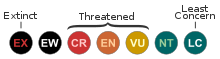
IUCN Red List
Growth: S = slow M = medium F = fast. Soil: L = light (sandy) M = medium H = heavy (clay). pH: A = acid N = neutral B = basic (alkaline). Shade: F = full shade S = semi-shade N = no shade. Moisture: D = dry M = Moist We = wet Wa = water.
Support Plants For A Future
Plants For A Future relies on regular donations to keep our free database and search facilities going, to pay for ongoing research, improvements and enhancements, and to develop and publish new books.
Read more
Choose Currency
Donate in £ GBP
Donate in $ USD
Donate in € EUR
Securely pay via PayPal or Credit/Debit Card without an account.
Expert comment
Author
Various
Botanical References
Links / References
For a list of references used on this page please go here
Readers comment
| Add a comment |
|
If you have important information about this plant that may help other users please add a comment or link below. Only comments or links that are felt to be directly relevant to a plant will be included. If you think a comment/link or information contained on this page is inaccurate or misleading we would welcome your feedback at [email protected]. If you have questions about a plant please use the Forum on this website as we do not have the resources to answer questions ourselves.
* Please note: the comments by website users are not necessarily those held by PFAF and may give misleading or inaccurate information.
|
|