Translate this page:
Summary
A fast-growing tree-like or shrubby plant, growing between 2-7 m tall but generally up to 4 m in height. Unlike other members of the cactus family, this beauty is the only cactus genus that has persistent non-succulent leaves.
Physical Characteristics

 Pereskia sacharosa is an evergreen Perennial growing to 4 m (13ft) by 3 m (9ft) at a fast rate.
See above for USDA hardiness. It is hardy to UK zone 10.
Suitable for: light (sandy), medium (loamy) and heavy (clay) soils and prefers well-drained soil. Suitable pH: mildly acid, neutral and basic (mildly alkaline) soils and can grow in very acid soils.
It cannot grow in the shade. It prefers dry or moist soil and can tolerate drought.
UK Hardiness Map
US Hardiness Map
Synonyms
Pereskia moorei Britton & Rose; Pereskia saipinensis Cardenas; Pereskia sparsiflora F. Ritter; Rhodocactus sacharosa (Griseb.) Backeb.; Rhodocactus saipinensis (Cardenas) Backeb.
Plant Habitats
Edible Uses
Edible Parts: Leaves
Edible Uses:
Edible Portion: Leaves. Leaves can be consumed raw as a side dish of salad. Also, can be made into a concoction brewed from fresh leaves and drink as tea.
References More on Edible Uses
Medicinal Uses
Plants For A Future can not take any responsibility for any adverse effects from the use of plants. Always seek advice from a professional before using a plant medicinally.
None Known
References More on Medicinal Uses
Other Uses
Carbon Farming Solutions - Agroforestry Services: living fence (Agroforestry is a land use management system in which trees or shrubs are grown around or among crops or pastureland). Ornamental. Pot. Flowering hedge. Its highly ornamental in a flower bed or borders.
Special Uses
Carbon Farming
References More on Other Uses
Cultivation details
Regional Crop Management: Standard Agroforestry Services: Living fence
Climate: tropical. Humidity: arid to semi-arid. Light: Full sun for optimum growth and flowering. Partial shade OK. Moisture: Moderate water requirements. It is drought resistant but leaves drop in dry conditions. Prefers humus-enriched, loamy and well-drained soils. Soil pH requirements: 6.1 (mildly acidic) to 7.8 (mildly alkaline). It tolerates acidic soil. USDA Hardiness Zone 9-11. Recommended minimum winter temperature of 10°C. Plants kept perfectly dry can survive low temps of approximately -3°C. Carbon Farming Solutions - Cultivation: regional crop. Management: standard (Describes the non-destructive management systems that are used in cultivation) [1-1].
Carbon Farming
-
Regional Crop
These crops have been domesticated and cultivated regionally but have not been adopted elsewhere and are typically not traded globally, Examples in this broad category include perennial cottons and many nuts and staple fruits.
-
Management: Standard
Plants grow to their standard height. Harvest fruit, seeds, or other products. Non-Destructive management systems.
-
Agroforestry Services: Living fence
Simply managed rows of shrubs and trees.
References Carbon Farming Information and Carbon Sequestration Information
Temperature Converter
Type a value in the Celsius field to convert the value to Fahrenheit:
Fahrenheit:
Plant Propagation
By seeds and stem cuttings. The cuttings should be planted immediately without a dry out period.
Other Names
If available other names are mentioned here
Needle Seven Blade, Seven Star Needle, Rose Cactus, Tree Cancer, Jarum Tujuh Bilah, Pereskia, Sacharosa, Cuguchi, Guyapa, Poxkitak, Sacha rosa
Native Range
Coming Soon
Weed Potential
Right plant wrong place. We are currently updating this section.
Please note that a plant may be invasive in one area but may not
in your area so it's worth checking.
None Known
Conservation Status
IUCN Red List of Threatened Plants Status : Status: Least Concern
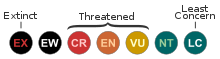
IUCN Red List
Growth: S = slow M = medium F = fast. Soil: L = light (sandy) M = medium H = heavy (clay). pH: A = acid N = neutral B = basic (alkaline). Shade: F = full shade S = semi-shade N = no shade. Moisture: D = dry M = Moist We = wet Wa = water.
Support Plants For A Future
Plants For A Future relies on regular donations to keep our free database and search facilities going, to pay for ongoing research, improvements and enhancements, and to develop and publish new books.
Read more
Choose Currency
Donate in £ GBP
Donate in $ USD
Donate in € EUR
Securely pay via PayPal or Credit/Debit Card without an account.
Expert comment
Author
Griseb
Botanical References
Links / References
For a list of references used on this page please go here
Readers comment
| Add a comment |
|
If you have important information about this plant that may help other users please add a comment or link below. Only comments or links that are felt to be directly relevant to a plant will be included. If you think a comment/link or information contained on this page is inaccurate or misleading we would welcome your feedback at [email protected]. If you have questions about a plant please use the Forum on this website as we do not have the resources to answer questions ourselves.
* Please note: the comments by website users are not necessarily those held by PFAF and may give misleading or inaccurate information.
|
Subject : Pereskia sacharosa
|
|
|
|