Translate this page:
Summary
Spinystar cactus is one of the most cold-tolerant and wide-ranging cacti in North America, extending from desert regions into the Great Plains and even parts of Canada. It is valued more as an ecological and ornamental cactus than as a food source. Although the fruits are edible, they are small, scarce, and difficult to gather in useful quantities. The plant’s real significance lies in its remarkable adaptability, striking pink-purple flowers, and ability to survive intense cold, drought, and exposed rocky habitats. Spinystar cactus, Pelecyphora vivipara (formerly Escobaria vivipara and also previously placed in Coryphantha), belongs to the cactus family (Cactaceae). Common names include spinystar cactus, desert pincushion, spinystar, pincushion cactus, and foxtail cactus. It is an exceptionally cold-hardy cactus generally suited to USDA Zones 3–9 depending on local form and drainage conditions. Plants are usually less than 20 cm tall, with individual stems commonly 3–10 cm across, though clustered plants can slowly form larger mounds over time.
Physical Characteristics

 Pelecyphora vivipara is a PERENNIAL growing to 0.2 m (0ft 8in) by 0.1 m (0ft 4in) at a slow rate.
See above for USDA hardiness. It is hardy to UK zone 4. The flowers are pollinated by Bees, Insects.
It is noted for attracting wildlife.
Suitable for: light (sandy) and medium (loamy) soils, prefers well-drained soil and can grow in nutritionally poor soil. Suitable pH: mildly acid, neutral and basic (mildly alkaline) soils. It cannot grow in the shade. It prefers dry soil and can tolerate drought.
UK Hardiness Map
US Hardiness Map
Synonyms
Cactus viviparus Nutt. Coryphantha vivipara (Nutt.) Britton & Rose. Echinocactus viviparus (Nutt.) Poselg. Escobaria vivipara (Nutt.) Buxb. Mammillaria radiosa var. vivipara (Nutt.) Schelle. Mammillaria vivipara (Nutt.) Haw. Neomammillaria vivipara (Nutt.) C.W.Armstr.
Plant Habitats
Edible Uses
The ripe fruits are edible, though they are minor trail foods rather than substantial resources. Fruits are produced sparingly, and gathering enough for meaningful use is difficult. The stems are not considered practical food sources [2-3]. Edible Uses & Rating: Spinystar cactus ranks as a very low-volume but occasionally useful wild fruit. The fruits are edible fresh and likely similar in character to those of other small pincushion cacti, with mild sweetness and soft pulp. Because plants are often protected and because fruit production is sparse, the species has little realistic value as a food plant [2-3]. Taste, Processing & Kitchen Notes: Reliable flavor descriptions are uncommon, but ripe fruits are generally considered mildly sweet and fleshy. Mature fruits range from green to reddish-brown and are spineless, making them relatively easy to eat once found. Fruits can be consumed fresh in the field. Their small size and limited production make processing impractical. Seasonality (Phenology): Spinystar cactus blooms from April to August, depending on latitude, elevation, rainfall, and temperature. Fruits usually mature roughly two months after flowering and may be available from June into October. Flowering is often spectacular after favorable moisture conditions. Safety & Cautions (Food Use): Many populations are protected, especially in northern or localized parts of the range. Harvesting may be restricted or prohibited. Plants should never be removed from the wild. Dense spines make handling difficult, and overharvesting fruits from small populations can negatively affect wildlife and reproduction [2-3]. Harvest & Processing Workflow: If harvesting is legal and populations are abundant, only fully ripe fruits should be taken. Gloves or forceps may help avoid spine injury. Fruits can be eaten fresh after removing any attached dried floral remnants. Harvesting should always be light and selective. Cultivar/Selection Notes: Numerous geographic forms and varieties have been described historically, differing in spine density, flower color, stem form, and cold tolerance. Some taxonomic authorities now treat many of these as forms within a broader concept of Pelecyphora vivipara. Look-Alikes & Confusion Risks: Spinystar cactus may be confused with species formerly placed in Escobaria, Coryphantha, or Mammillaria. The grooved tubercles and flower position are important identification traits. Flowers arise at the bases of the tubercles and connect to the areoles via felt-lined grooves, a key feature that separates this group from many other cacti. Traditional/Indigenous Use Summary: The fruits were occasionally eaten by Indigenous peoples and frontier foragers, though the species does not appear to have been a major staple food. Its scattered growth habit and low fruit production limit large-scale use [2-3].
References More on Edible Uses
Medicinal Uses
Plants For A Future can not take any responsibility for any adverse effects from the use of plants. Always seek advice from a professional before using a plant medicinally.
Pelecyphora vivipara (also widely known as the Spinystar or by its formerly accepted name, Escobaria vivipara) has no clinically recognized modern medical uses. Historically, however, indigenous tribes in North America utilized it for specific traditional applications. Traditional Indigenous Uses: The Blackfoot and other indigenous tribes within the cactus's natural North American range relied on the plant for a few ethnomedical remedies. Digestive Relief: The fleshy fruit was sometimes ingested as a folk remedy for diarrhea. Eye Injuries: The seeds were reportedly used in traditional practices by inserting them into an injured eye to help it heal.General Nutrition: Indigenous groups like the Cheyenne and Blackfoot routinely boiled, dried, or ate the plant's flowers and fruits raw for sustenance.Modern Medical and Safety Warnings: No Clinical Backing: There is no modern scientific evidence or clinical research supporting the use of Pelecyphora vivipara for treating any illness, and it should not be relied upon for medical treatment.General Toxicity Considerations: Unlike some related cacti, Pelecyphora vivipara is not known to contain psychoactive alkaloids, but consuming unstudied wild cacti can cause severe gastrointestinal upset.Physical Hazard: The plant is covered in dense, sharp spines that can cause severe skin or eye injury if handled improperly.
References More on Medicinal Uses
The Bookshop: Edible Plant Books
Our Latest books on Perennial Plants For Food Forests and Permaculture Gardens in paperback or digital formats.
Edible Tropical Plants
Food Forest Plants for Hotter Conditions: 250+ Plants For Tropical Food Forests & Permaculture Gardens.
More
Edible Temperate Plants
Plants for Your Food Forest: 500 Plants for Temperate Food Forests & Permaculture Gardens.
More
More Books
PFAF have eight books available in paperback and digital formats. Browse the shop for more information.
Shop Now
Other Uses
A small but highly attractive cactus for xeric gardens, rock gardens, and cold-climate cactus collections. The bright flowers contrast beautifully with the dense spination. Ecology & Wildlife: Spinystar cactus helps stabilize fragile dry soils and provides seasonal nectar and fruits for insects and small animals. Its remarkable cold tolerance allows cactus ecology to extend far beyond the warm deserts normally associated with the cactus family.
Special Uses
References More on Other Uses
Cultivation details
Spinystar cactus is best regarded as an ecologically fascinating and ornamental cactus rather than a major edible species. Its outstanding cold hardiness, beautiful flowers, and ability to survive in harsh climates make it one of the most remarkable cacti in North America. Growing Conditions: This species thrives in full sun, sharply drained mineral soils, rocky slopes, gravel plains, and dry grasslands. It tolerates intense heat, prolonged drought, strong winds, and severe winter cold if drainage is excellent. Habitat & Range; The spinystar cactus occurs from Texas northward to Montana and Canada, and westward into Arizona, Utah, Nevada, and surrounding regions. It inhabits deserts, prairies, rocky hillsides, grasslands, and dry open shrublands. Size & Landscape Performance: It is a small but highly attractive cactus for xeric and rock gardens, as well as cold-climate cactus collections. The bright flowers contrast beautifully with the dense spination. Plants grow slowly but can live for many years. Cultivation (Horticulture): Grow in very well-drained soil with minimal organic matter. Overwatering is the greatest danger. Cold hardiness is excellent when soils remain dry during winter. Seed propagation is common, though growth is relatively slow. Spinystar cactus, Pelecyphora vivipara (formerly Escobaria vivipara and also previously placed in Coryphantha), belongs to the cactus family (Cactaceae). Common names include spinystar cactus, desert pincushion, spinystar, pincushion cactus, and foxtail cactus. It is an exceptionally cold-hardy cactus generally suited to USDA Zones 3–9 depending on local form and drainage conditions. Plants are usually less than 20 cm tall, with individual stems commonly 3–10 cm across, though clustered plants can slowly form larger mounds over time. Pests & Problems: Poor drainage causes rot quickly. Excess humidity can also be problematic. Wild plants may be damaged by illegal collection, trampling, or habitat disturbance. Identification & Habit: Spinystar cactus forms globe- to dome-shaped stems that may remain solitary or slowly cluster. The stems are covered with tubercles arranged in spirals and dense spines emerging from woolly areoles. Flowers are pinkish-purple, often striped, and relatively large compared with the stem size. Pollinators: The flowers attract native bees and other desert pollinators. Bright blooms appearing in otherwise sparse landscapes can provide important nectar and pollen resources.
References Carbon Farming Information and Carbon Sequestration Information
Temperature Converter
Type a value in the Celsius field to convert the value to Fahrenheit:
Fahrenheit:
The PFAF Bookshop
Plants For A Future have a number of books available in paperback and digital form. Book titles include Edible Plants, Edible Perennials, Edible Trees,Edible Shrubs, Woodland Gardening, and Temperate Food Forest Plants. Our new book is Food Forest Plants For Hotter Conditions (Tropical and Sub-Tropical).
Shop Now
Plant Propagation
Propagation is usually by seed, though clustered forms may sometimes be divided carefully. Seedlings require patience and excellent drainage.
Other Names
If available other names are mentioned here
Spinystar cactus, desert pincushion, spinystar, pincushion cactus, and foxtail cactus. Formerly Escobaria vivipara.
Native Range
US. USA. Alberta, Arizona, California, Colorado, Kansas, Manitoba, Mexico Northeast, Mexico Northwest, Minnesota, Montana, Nebraska, Nevada, New Mexico, North Dakota, Oklahoma, Saskatchewan, South Dakota, Texas, Utah, Wyoming.
Weed Potential
Right plant wrong place. We are currently updating this section.
Please note that a plant may be invasive in one area but may not
in your area so it's worth checking.
None. Spinystar cactus is a slow-growing native cactus with no invasive tendencies.
Conservation Status
IUCN Red List of Threatened Plants Status : Least Concern.
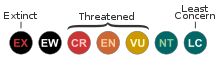
IUCN Red List
Growth: S = slow M = medium F = fast. Soil: L = light (sandy) M = medium H = heavy (clay). pH: A = acid N = neutral B = basic (alkaline). Shade: F = full shade S = semi-shade N = no shade. Moisture: D = dry M = Moist We = wet Wa = water.
Now available:
Food Forest Plants for Mediterranean Conditions
350+ Perennial Plants For Mediterranean and Drier Food Forests and Permaculture Gardens.
[Paperback and eBook]
This is the third in Plants For A Future's series of plant guides for food forests tailored to
specific climate zones. Following volumes on temperate and tropical ecosystems, this book focuses
on species suited to Mediterranean conditions—regions with hot, dry summers and cool, wet winters,
often facing the added challenge of climate change.
Read More
Expert comment
Author
(Nutt.) D.Aquino & Dan.Sánchez
Botanical References
Links / References
For a list of references used on this page please go here
Readers comment
| Add a comment |
|
If you have important information about this plant that may help other users please add a comment or link below. Only comments or links that are felt to be directly relevant to a plant will be included. If you think a comment/link or information contained on this page is inaccurate or misleading we would welcome your feedback at [email protected]. If you have questions about a plant please use the Forum on this website as we do not have the resources to answer questions ourselves.
* Please note: the comments by website users are not necessarily those held by PFAF and may give misleading or inaccurate information.
|
Subject : Pelecyphora vivipara
|
|
|
|