Translate this page:
Summary
Desert tobacco (Nicotiana obtusifolia) is a poisonous perennial native to the southwestern United States and northern Mexico, commonly found in desert washes, on mesas, on rocky slopes, and in juniper woodlands. It typically reaches 20–80 cm tall and produces sticky, strongly scented leaves covered with glandular hairs. The leaves are generally sessile, with bases that may partly clasp the stems, helping distinguish the species from coyote tobacco (Nicotiana attenuata). Its pale tubular flowers may appear over an extended period, with flowering reported from February to October or longer under favorable conditions. Desert tobacco has a history of ceremonial and smoking use among Indigenous peoples, but all parts of the plant are poisonous and must not be eaten. Nicotine is the principal toxic alkaloid of concern, and ingestion can cause severe or potentially fatal poisoning. Smoking also carries significant health risks and should not be considered a safe alternative to commercial tobacco. The species grows in well-drained soils, tolerates seasonal dryness, and reproduces through seeds. Edibility rating: 1/5.
Physical Characteristics

 Nicotiana obtusifolia is a PERENNIAL growing to 0.8 m (2ft 7in) by 0.8 m (2ft 7in) at a fast rate.
See above for USDA hardiness. It is hardy to UK zone 9. It is in flower from February to October. The flowers are pollinated by Insects.
It is noted for attracting wildlife.
Suitable for: light (sandy) and medium (loamy) soils, prefers well-drained soil and can grow in nutritionally poor soil. Suitable pH: mildly acid, neutral and basic (mildly alkaline) soils. It can grow in semi-shade (light woodland) or no shade. It prefers dry or moist soil and can tolerate drought.
UK Hardiness Map
US Hardiness Map
Synonyms
Nicotiana glandulosa Buckley. Nicotiana ipomopsiflora Dunal. Nicotiana multiflora Torr. Nicotiana obtusifolia var. palmeri (A.Gray) Kartesz. Nicotiana palmeri A.Gray. Nicotiana sordida Lehm. Nicotiana trigonophylla Dunal.Nicotiana trigonophylla var. ipomopsiflora (Dunal) Comes in Atti Reale Ist. Incoragg. Napoli, ser. 5, 1(1): 49 (1899) Nicotiana trigonophylla var. palmeri (A.Gray) M.E.Jones. Nicotiana trigonophylla var. pulla Comes. Nicotiana trigonophylla var. sordida (Lehm.) Comes.
Plant Habitats
Edible Uses
Desert tobacco is a poisonous perennial plant native to the arid and semi-arid landscapes of southwestern North America. It has a history of ceremonial and smoking use among Indigenous peoples and is of considerable ethnobotanical interest. It is strongly scented, with sticky leaves and a history of use in smoking preparations. However, tobacco smoke is harmful, and the plant should not be recommended for smoking or any other form of human consumption. Desert tobacco is also an interesting native plant because of its adaptations to dry environments, extended flowering period, and relationships with insects. Edible parts: None. We explicitly warn against eating tobacco plants. All parts of Nicotiana obtusifolia should be considered unsuitable for human food. Leaves: The leaves contain nicotine and other defensive compounds. Eating raw or cooked leaves can cause serious poisoning. Nicotine concentrations can vary between plants and according to environmental conditions. Cooking does not reliably remove nicotine or make the leaves safe to eat. Stems: The stems are not edible. They may contain toxic alkaloids and should not be consumed. Flowers: The flowers are not recognized as edible. Although they may appear attractive, they should not be used as garnishes or added to food. Seeds: The seeds are not recommended for human consumption. We have not established them as a food resource. Roots: The roots are poisonous plant material and should not be used as food. They should also not be used in homemade medicinal preparations. Edibility Rating: 1 out of 5 – Poisonous; no recommended edible uses. Desert tobacco receives the lowest PFAF edibility rating. The plant contains nicotine, a potent toxic alkaloid that can affect the nervous system, cardiovascular system, and other organs. Ingestion may cause nausea, vomiting, abdominal pain, dizziness, sweating, headache, and changes in heart rate. Severe nicotine poisoning can cause seizures, respiratory failure, and potentially death. Field notes also mention solanine and other alkaloids as possible toxic constituents of tobacco plants [2-3]. However, nicotine is the principal well-established toxic compound of concern in Nicotiana obtusifolia. Solanine should not be listed as a confirmed major toxin of this species without reliable species-specific evidence. The historical use of desert tobacco as a smoking plant does not qualify as an edible use. Historical Smoking Uses: Desert tobacco has a history of use as a smoking plant among Indigenous peoples of southwestern North America. Dried leaves are used in smoking preparations, and it is noted that tobacco held sacred significance for some Native American communities. However, tobacco traditions vary considerably between Indigenous peoples. The use of desert tobacco should not automatically be attributed to every community in the Southwest. Characteristics of Fresh Leaves: Fresh desert tobacco leaves are covered with glandular hairs. These produce a sticky surface and a strong, musty odor. The odor is unpleasant to many people [2-3]. The entire plant may have a noticeable scent, particularly when handled. Characteristics After Drying: Drying reduces much of the strong odor and stickiness. The dried foliage becomes more brittle. Smoke Characteristics: Smoke from desert tobacco is relatively smooth and less abrasive than some commercially prepared tobacco products. People unaccustomed to smoking may experience headaches [2-3]. These observations are not evidence of reduced toxicity. Smoke that feels mild can still contain nicotine, carbon monoxide, fine particles, and carcinogenic compounds. The nicotine content of wild tobacco is not standardized. Ceremonial Importance: Tobacco has been used in ceremonial and spiritual contexts by numerous Indigenous peoples. Such practices can carry cultural meanings that differ greatly from recreational tobacco smoking. It is appropriate to acknowledge this historical significance without presenting smoking as a recommended activity. Health Considerations: Desert tobacco should not be recommended for smoking. Nicotine can cause dependence and acute poisoning. Inhalation of smoke exposes the lungs and cardiovascular system to harmful substances. Combining tobacco with other aromatic plants does not eliminate these risks. Medicinal Uses: Tobacco has a history of medicinal and ceremonial applications in several cultures. Nicotine is a pharmacologically active compound with potentially serious toxic effects. Homemade tobacco extracts, concentrated preparations, and internal remedies can be particularly hazardous. Safety and Toxicity: Treat all parts of coyote tobacco as poisonous. Do not eat the plant or use it to prepare homemade remedies. Nicotine Poisoning: Nicotine is the principal toxic alkaloid of concern. Symptoms of poisoning may include nausea, vomiting, abdominal pain, diarrhea, dizziness, headache, sweating, excessive salivation, and changes in heart rate. Severe poisoning can cause confusion, seizures, respiratory failure, and potentially death. Raw and Cooked Leaves: Cooking does not make tobacco safe to eat. Skin Exposure: Nicotine can be absorbed through the skin, particularly when handling wet tobacco foliage. Prolonged contact with large quantities of wet leaves can cause nicotine poisoning, a condition known as green tobacco sickness. Although this condition is particularly associated with commercial tobacco harvesting, the same general exposure concern is relevant to wild tobacco. Smoking: Smoking coyote tobacco is not safe. Combustion produces harmful chemicals, while nicotine exposure can cause dependence and acute adverse effects. A smoke described as smooth or mild may still contain harmful substances. Pets and Livestock: Tobacco plants should be considered hazardous to pets and grazing animals. Animals may become poisoned after consuming plant material. Children: Children are particularly vulnerable to nicotine poisoning. Seeds, leaves and other plant parts should be kept out of their reach.
References More on Edible Uses
Medicinal Uses
Plants For A Future can not take any responsibility for any adverse effects from the use of plants. Always seek advice from a professional before using a plant medicinally.
Medical Guidance: Modern herbal and medical guides advise against using wild tobacco for self-treatment or herbal teas. Nicotiana obtusifolia has a long history of traditional and medicinal use among Indigenous peoples and early settlers in the American Southwest, though modern medical authorities warn against internal consumption due to its nicotine and alkaloid content. Traditional and Historical Uses: Respiratory & Head Conditions: Dried leaves were traditionally smoked to treat headaches, colds, asthma, and coughs. Earaches: Smoke from the burning leaves was sometimes blown directly into the ear to relieve pain, often covered with a warm pad. Topical Pain & Skin Relief: Leaves, flowers, or stems were applied externally as a poultice, wash, or warm bath infusion to soothe body aches, joint pain, bruises, swellings, cuts, sores, and skin irritations like hives or eczema. Dental Care: The plant was occasionally used in traditional remedies for toothaches. Ceremonial & Cultural Role: Beyond physical remedies, it held deep spiritual and ritual significance for various tribal groups for purification, protection, and offerings. Safety and Modern Warnings: Toxicity: Like other members of the nightshade family (Solanaceae), Nicotiana obtusifolia contains potent nicotine and toxic alkaloids. Ingestion Risks: Internal use (such as drinking plant infusions, chewing leaves, or swallowing extracts) can cause severe poisoning, nausea, vomiting, respiratory distress, and other dangerous systemic side effects.
References More on Medicinal Uses
Other Uses
Desert tobacco may be of interest in botanical collections, native plant gardens, and ecological research. Its tolerance of dry conditions, distinctive foliage, and tubular flowers make it an interesting example of a desert-adapted member of the nightshade family. Ornamental Value: The plant produces pale tubular flowers over a potentially long flowering season. Its sticky foliage and strong odor may make it less desirable than conventional ornamental plants. Wildlife Value: Desert tobacco contributes to the ecological diversity of arid and semi-arid environments. Its flowers may provide resources for insects, while its foliage participates in complex relationships with herbivores. Pollinators: Desert tobacco produces tubular flowers that may attract insects capable of reaching their reproductive structures. The flowers are diurnal, in contrast with the predominantly nocturnal flowers of coyote tobacco. Herbivorous Insects: The foliage contains nicotine and other defensive compounds. These substances discourage many herbivores, but some specialized insects can tolerate tobacco chemistry. Insect damage is a frequent problem affecting the leaves. Wildlife Toxicity: The presence of toxic alkaloids makes desert tobacco unsuitable as a general wildlife forage plant. Its foliage should not be described as safe livestock feed. Ecological Role: Desert tobacco contributes flowers, seeds, and vegetation to native desert plant communities. Its ecological value is separate from its suitability for human consumption.
Special Uses
References More on Other Uses
Cultivation details
Desert tobacco is an upright, strongly aromatic perennial commonly found in desert washes, rocky slopes, mesas and open woodlands throughout the southwestern United States and northern Mexico. Growing Conditions: Light: Full sun to partial shade. Desert tobacco is characteristic of open desert and semi-arid habitats. It grows in locations receiving substantial sunlight. Some partial shade may be tolerated, particularly near shrubs or woodland margins. Soil: Well-drained sandy, gravelly, rocky, or loamy soils. The species occurs in desert washes, mesas and open woodland. It is adapted to soils that may contain relatively little organic matter. Persistently waterlogged soils are unlikely to be suitable. Soil pH: Soil pH tolerance: Not reliably established. Desert tobacco occurs in varied geological environments, but a precise optimum pH range should not be assigned without reliable evidence. Moisture: Low to moderate moisture requirements. Desert tobacco is adapted to arid and semi-arid environments. However, it requires sufficient moisture for establishment and active growth. Plants may respond strongly to seasonal rainfall. Established individuals can tolerate dry periods, although prolonged drought may reduce growth and flowering. Soil Fertility: Desert tobacco can grow in relatively poor desert soils. Additional nutrients may encourage vegetative growth, but heavy fertilization is not known to be necessary. Nitrogen Fixation: Desert tobacco is not known to fix atmospheric nitrogen. It obtains nitrogen through its roots from the soil. Habitat: Desert tobacco is native to southwestern North America, including the southwestern United States and northern Mexico. Field notes identify desert washes, mesas, and juniper woodlands as characteristic habitats [2-3]. Desert Washes: Desert washes provide open ground and temporary moisture following rainfall. These conditions can support vigorous seasonal growth. Rocky Slopes: Desert tobacco may grow on rocky hillsides and slopes where small pockets of soil retain moisture. Mesas: The species occurs on mesas and other elevated desert landforms. Its ability to tolerate dry conditions allows it to establish in exposed habitats. Juniper Woodlands: Field notes identify juniper woodlands as part of its habitat [2-3]. Plants may grow in open spaces between trees and shrubs. Disturbed Ground: Desert tobacco can establish in disturbed habitats where soil is exposed, and competition is reduced. However, its presence along roadsides or drainage channels does not make it suitable for harvesting. Cultivation: Desert tobacco is not recommended for cultivation as a food or smoking plant. However, it may be of interest in botanical collections, native plant gardens and ecological research. Its tolerance of dry conditions, distinctive foliage and tubular flowers make it an interesting example of a desert-adapted member of the nightshade family. Garden Conditions: Desert tobacco is best suited to sunny positions with well-drained soil. It is adapted to seasonal rainfall and can tolerate periods of dryness once established. However, sufficient moisture is necessary for seedling establishment and active growth. Ornamental Value: The plant produces pale tubular flowers over a potentially long flowering season. Its sticky foliage and strong odor may make it less desirable than conventional ornamental plants. Handling Precautions: Because desert tobacco contains nicotine, take care when handling fresh foliage. Gloves are advisable when working with large quantities of leaves, particularly if they are wet or damaged. Children and pets should not have access to harvested plant material. Environmental Considerations: Desert tobacco produces numerous small seeds and may establish in disturbed ground. Before cultivating it outside its native range, check its local environmental status. USDA Hardiness Zones: USDA Zones 8–11 – provisional estimate. Unlike coyote tobacco, which is generally annual, desert tobacco may survive and regrow over successive growing seasons in suitable climates. Its native habitats include warm desert regions with hot summers and generally mild winters, although occasional frost can occur. The plant may die back or become dormant during unfavorable conditions. For PFAF, Zones 8–11 should be regarded as an approximate cultivation estimate rather than a confirmed tolerance range. Growth Rate: Growth rate: Moderate to fast under favorable conditions. Desert tobacco can grow vigorously when moisture and temperatures are suitable. Its perennial habit allows established plants to resume growth after periods of dormancy. Growth may be particularly rapid following seasonal rainfall. However, prolonged drought, poor soils, and cold conditions can restrict development. The proposed growth rate is a horticultural estimate rather than a measured species-specific rate. Mature Size: Height: Usually 20–80 cm. Spread: Approximately 30–80 cm, provisional. Plants may develop several branching stems. Mature size varies with rainfall, soil fertility, and growing conditions. Identification: Desert tobacco is an upright, sticky, strongly scented perennial with alternate leaves and pale tubular flowers. Growth Form: Field notes describe the plant as approximately 20–80 cm tall [2-3]. It generally grows upright and may develop several branching stems. Stems: The stems are herbaceous and may be covered with glandular hairs. They often have a sticky surface and a strong, musty odor. Leaves: The leaves are simple and alternate. They are generally sessile, meaning they lack distinct leaf stalks. The bases may partly clasp the stems. The leaf blades are fish-shaped, lance-obovate or lance-oblong, becoming narrower toward their bases. Their margins are entire, without conspicuous teeth. The surfaces are densely covered with glandular hairs. This combination of sessile leaves, clasping bases and sticky foliage is useful when distinguishing desert tobacco from coyote tobacco. Flowers: The flowers are regular and bisexual. They occur in terminal racemes or panicles. The corolla is tubular and has five spreading lobes. Flower color may be white, yellowish, greenish, or pale purple. Flowering Behavior: Desert tobacco is diurnal, meaning its flowers are associated primarily with daytime activity. This contrasts with the predominantly nocturnal flowering behavior described for coyote tobacco. However, flowering behavior alone should not be used as the sole identification characteristic. Calyx: The calyx has five lobes. It surrounds the base of the corolla and remains associated with the developing fruit. Stamens and Style: The flowers contain five stamens and one style. The ovary is superior. Fruits: The fruits are dry capsules. They are not prickly and open through several valves when mature. Seeds: The capsules contain numerous small seeds. These are released as the fruits mature. Similar Species: Coyote Tobacco (Nicotiana attenuata): Coyote tobacco is the closest comparison in the field notes [2-3]. Both species have sticky, strongly scented foliage, pale tubular flowers, and poisonous alkaloids. However, several characteristics help distinguish them. Coyote tobacco is generally annual, while desert tobacco is perennial. Coyote tobacco usually has stalked leaves, whereas desert tobacco typically has sessile leaves with bases that may clasp the stems. Field notes also distinguish their flowering behavior, describing coyote tobacco as predominantly nocturnal and desert tobacco as diurnal [2-3]. Both species have historical smoking uses, but neither is edible or safe to smoke. Tree Tobacco (Nicotiana glauca): Tree tobacco is a large shrub or small tree native to South America and widely naturalized in warmer regions. It has smooth, bluish-green leaves and yellow tubular flowers. Unlike desert tobacco, it can become woody and reach several meters in height. Tree tobacco is particularly hazardous because it contains toxic alkaloids, including anabasine. It should not be confused with the smaller herbaceous desert tobacco. Cultivated Tobacco (Nicotiana tabacum): Cultivated tobacco is generally a larger plant with broad leaves. It is widely grown commercially. Although it belongs to the same genus, it differs from desert tobacco in its typical growth habit and cultivation history. Both species contain nicotine and are unsuitable for consumption. Aztec Tobacco (Nicotiana rustica): Aztec tobacco is another cultivated tobacco species with a long history of traditional use. It can contain particularly high concentrations of nicotine. It is poisonous and should not be treated as an edible plant. Important Botanical Note: The PFAF field notes describe desert tobacco and coyote tobacco as smoking plants rather than edible plants. However, smoking does not constitute edibility from a food-safety perspective. Desert tobacco should therefore receive an edibility rating of 1/5, with its historical smoking uses recorded separately under ethnobotanical or other uses. Field notes also identify solanine as one of the compounds responsible for tobacco toxicity [2-3]. While solanine is associated with certain other nightshade plants, the best-established toxic alkaloid of concern in desert tobacco is nicotine.
References Carbon Farming Information and Carbon Sequestration Information
Temperature Converter
Type a value in the Celsius field to convert the value to Fahrenheit:
Fahrenheit:
Plant Propagation
Seeds. Desert tobacco reproduces through seeds produced in dry capsules. As a perennial, established plants may also survive unfavorable seasons and produce new growth when conditions improve. Seed Production: The flowers develop into capsules containing numerous small seeds. These are released when the capsules mature and split. Germination: Seed germination is influenced by moisture, temperature, and environmental conditions. We do not provide a verified germination protocol. Do not assume requirements for cold stratification, light exposure, or smoke treatment without species-specific evidence. Direct Sowing: Seeds may be suitable for direct sowing in well-drained soil that resembles the plant's native habitat. Because the seeds are small, deep burial is unlikely to be appropriate. However, an optimum sowing depth has not been established in the supplied notes. Natural Reseeding: Plants may reproduce naturally where mature seeds reach suitable soil. The ability to form new populations depends on rainfall, disturbance, and other environmental conditions.
Other Names
If available other names are mentioned here
Desert wild tobacco, western tobacco, punche.
Native Range
US. USA. Arizona, California, Mexico Central, Mexico Gulf, Mexico Northeast, Mexico Northwest, Mexico Southwest, Nevada, New Mexico, Oklahoma, Texas, Utah.
Weed Potential
Right plant wrong place. We are currently updating this section.
Please note that a plant may be invasive in one area but may not
in your area so it's worth checking.
Low to moderate, depending on local conditions. Desert tobacco can reproduce through numerous seeds and may establish in disturbed habitats. Its perennial growth habit also allows established plants to persist under suitable conditions. Within its native range, it is part of natural desert vegetation. Outside its native range, its potential to naturalize should be assessed before cultivation.
Conservation Status
IUCN Red List of Threatened Plants Status : Not listed.
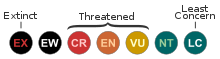
IUCN Red List
Growth: S = slow M = medium F = fast. Soil: L = light (sandy) M = medium H = heavy (clay). pH: A = acid N = neutral B = basic (alkaline). Shade: F = full shade S = semi-shade N = no shade. Moisture: D = dry M = Moist We = wet Wa = water.
Support Plants For A Future
Plants For A Future relies on regular donations to keep our free database and search facilities going, to pay for ongoing research, improvements and enhancements, and to develop and publish new books.
Read more
Choose Currency
Donate in £ GBP
Donate in $ USD
Donate in € EUR
Securely pay via PayPal or Credit/Debit Card without an account.
Expert comment
Author
M.Martens & Galeotti
Botanical References
Links / References
For a list of references used on this page please go here
Readers comment
| Add a comment |
|
If you have important information about this plant that may help other users please add a comment or link below. Only comments or links that are felt to be directly relevant to a plant will be included. If you think a comment/link or information contained on this page is inaccurate or misleading we would welcome your feedback at [email protected]. If you have questions about a plant please use the Forum on this website as we do not have the resources to answer questions ourselves.
* Please note: the comments by website users are not necessarily those held by PFAF and may give misleading or inaccurate information.
|
Subject : Nicotiana obtusifolia
|
|
|
|