Translate this page:
Summary
Monolepis nuttalliana (Schult.) Greene is a synonym of Blitum nuttallianum. Taxonomic Note: This genus was formerly classified in the family Chenopodiaceae. Modern classifications include it within the Amaranthaceae. Povertyweed is a low-growing annual wild plant found in alkaline lowlands, desert washes, dry lake margins, disturbed ground, and agricultural areas of western North America. It is particularly well adapted to environments where many other edible plants struggle to survive. Despite its unpromising common name, povertyweed is an unusually useful wild food. Its leaves, seeds, and even its small roots have been eaten, although the seeds are by far the most valuable part. The plant produces tender, succulent leaves with a mild spinach-like flavor and a noticeable salty character. The leaves can be eaten fresh or cooked, making them suitable for salads and cooked greens. Unlike some other members of the goosefoot group, povertyweed generally lacks strong bitterness or other unpleasant flavous. However, the plant sometimes has a peculiar earthy, oceanic, or slightly fishy odor, particularly when growing in alkaline soils. Its flavour can also become less appealing when larger quantities of leaves are consumed. The seeds are the outstanding edible feature of povertyweed. They are relatively easy to gather, require little processing, and develop a pleasant quinoa-like flavour when cooked. According to the PFAF field notes, boiling the seeds for approximately 15 minutes produces a soft, dark preparation with a few brown speckles. The result is described as delicious, with a flavor considerably better than the foliage. Povertyweed is also unusual because it can provide edible leaves and seeds early in the year in the low desert regions of Arizona. Leaves and roots are generally available from January to April, while seeds may be collected from March to June. The PFAF field notes describe extensive observations around Gila Bend in central Arizona, where povertyweed was found particularly often near agricultural land. The plants were less abundant in natural habitats, but their food value was consistently impressive. Its combination of edible foliage, easily harvested seeds, rapid growth, and tolerance of difficult soils makes povertyweed an interesting candidate for experimental cultivation
Physical Characteristics

 Monolepis nuttalliana is a ANNUAL growing to 0.3 m (1ft) by 0.3 m (1ft in).
See above for USDA hardiness. It is hardy to UK zone 5. It is in flower from June to October, and the seeds ripen from August to October. The species is hermaphrodite (has both male and female organs) and is pollinated by Wind.
Suitable for: light (sandy) and medium (loamy) soils, prefers well-drained soil and can grow in nutritionally poor soil. Suitable pH: mildly acid, neutral and basic (mildly alkaline) soils and can grow in very alkaline and saline soils.
It cannot grow in the shade. It prefers dry or moist soil and can tolerate drought.
UK Hardiness Map
US Hardiness Map
Synonyms
Blitum chenopodioides Nutt. Monolepis chenopodioides Moq. Monolepis nuttalliana (Schult.) Greene. Heterotypic Synonyms: Chenopodium arcticum Moq. Chenopodium trifidum Trevir. Monolepis chenopodioides var. trifida (Trevir.) Moq. Monolepis patagonica Ulbr. Monolepis trifida (Trevir.) Schrad.
Plant Habitats
Cultivated Beds;
Edible Uses
Edible Parts: Leaves Root Seed
Edible Uses:
Edible parts: Seeds, leaves, and roots [2-3]. The different plant parts vary considerably in culinary quality. Seeds – Best Edible Part: The seeds are the most useful and appealing food produced by povertyweed. They are small, dark, and relatively easy to separate from mature plants. Field observations [2-3] report that seeds practically fall from the plants when mature, making collection considerably easier than for many other wild seed-producing plants. Strong winds do not appear to disperse them readily at the observed sites, allowing a relatively long harvesting period. The seeds have a mild, quinoa-like flavour and lack the salty character sometimes associated with the foliage and surrounding chaff. They can be consumed raw according to Field observations [2-3], but their crunchy texture makes cooking preferable. Boiling softens the seeds and removes residual salty flavors from the chaff. Recommended preparation: Clean thoroughly, rinse, and boil until soft. Field observations [2-3] report a pleasing result after about 15 minutes. Leaves – Good Edible Green: The leaves are tender, succulent, and completely chewable. They have a mild spinach-like flavor with a noticeable salty character. Young foliage may be covered with a fine, mealy powder, a common characteristic of several plants traditionally classified among the goosefoots. Fresh leaves can be eaten as salad greens. Cooking produces a softer texture but does not dramatically alter the flavor. Field observations [2-3] compare cooked leaves to canned spinach because they become soft and somewhat mushy. Although the foliage is generally pleasant, the flavor may deteriorate as larger quantities are eaten. The plant's unusual odor can also reduce its appeal. Roots – Edible but Poor Quality: The roots are described as edible in Field observations [2-3], but their food value is limited. They are thin, dull white, tough, and fibrous. Peeling is generally impractical because of their small diameter. Even after cooking, the roots remain wiry and difficult to chew. Field observations [2-3] suggest that root quality varies with soil conditions. Historically, entire plants were sometimes cooked together, allowing the roots to contribute whatever limited food value they possessed. However, for modern culinary use, the roots are generally not worth the effort of harvesting and preparation. Edibility Rating: 4/5. Very good edible wild plant. Povertyweed deserves a relatively high edibility rating because it offers several useful food resources. Its seeds are particularly valuable. They are easy to harvest, relatively simple to clean, and have a pleasant quinoa-like flavor after cooking. The leaves are also useful, especially when young. They are tender, succulent, and suitable for eating fresh or cooked. The plant can be locally abundant and provides food during a season when relatively few other desert plants are productive. Its main disadvantages are its sometimes peculiar odor, variable leaf flavor, small size, and poor-quality roots. A rating of 4 out of 5 reflects the excellent seed quality and useful foliage described in Field observations [2-3]. This is a culinary rating, not a guarantee of safety for frequent or unrestricted consumption. Taste and Preparation: Fresh Leaves: Fresh povertyweed leaves have a pleasant spinach-like character with a noticeable salty accent. The foliage is tender, succulent, and free of tough fibres. Field observations [2-3] describe the leaves as suitable for salads, particularly when gathered from healthy young plants. The mealy coating on young leaves is not necessarily an indication of contamination; it can be a natural characteristic of the plant. However, leaves collected from dusty or agricultural environments should be washed thoroughly. The flavor can vary with soil conditions and may become less appealing when consumed in large quantities. Cooked Leaves: Cooking produces a soft vegetable similar in texture to canned spinach. The flavor remains broadly similar to that of the fresh leaves. Field observations [2-3] do not describe a major improvement from cooking, although the softened texture may be preferable in some dishes. The leaves could be incorporated into soups, stews, and mixed vegetable preparations. Because the plant grows in alkaline environments, some foliage may have a distinctly salty character. Consider this when adding salt to a dish. Seeds: The seeds are the most promising culinary ingredient. They have a mild flavor resembling quinoa, particularly after boiling. Freshly collected seeds may be crunchy, but cooking softens them. Field observations [2-3] describe the cooked seeds as forming a dark, soft preparation with small brown speckles. The resulting food is considerably more appealing than the leaves. Cleaning the Seeds: The PFAF field notes recommend a relatively simple cleaning process. 1. Collect mature seeds by shaking or turning the plants over a suitable container. 2. Pass the material through an appropriately sized screen to remove larger plant fragments. 3. Rinse the seeds in clean water and skim away floating chaff and debris, taking care not to discard sound seeds. 4. Drain and repeat the cleaning process as necessary. 5. Boil the cleaned seeds until softened. Approximately 15 minutes of boiling produced a good result in the PFAF field observations. Cooking time may vary with seed maturity, quantity, and preparation. Toasting: Field observations [2-3] suggest toasting primarily for flavor development or as a possible storage treatment. However, ordinary toasting should not be relied upon to sterilize seeds or guarantee long-term storage safety. For storage, seeds should be thoroughly cleaned and dried to an appropriately low moisture level, then kept in suitable containers. Roots: The roots are not a particularly useful food. They remain tough and fibrous even after cooking. Their small size makes them difficult to prepare, and the amount of food obtained is limited. Although whole-plant cooking has historical precedent in the PFAF field notes, the seeds and leaves are much better culinary choices. Seasonality: Povertyweed is particularly valuable because it can appear early in the growing season in low-elevation desert regions. PFAF field notes give the following harvesting periods for central Arizona: Leaves: January–April. Roots: January–April. Seeds: March–June. Flowers: Variable; potentially over an extended season. These dates should not be applied universally. At higher elevations or in colder climates, germination and flowering may occur later. In warm desert lowlands, winter rainfall can stimulate germination, allowing plants to grow and produce seeds before the hottest and driest part of the year. Field observations [2-3] describe flowering as potentially occurring during much of the year, depending on local conditions. Traditional Uses: Povertyweed has a history of food use among Indigenous peoples of western North America. Field observations [2-3] describe whole plants being placed into cooking pots or dried for later use. This approach allowed people to make use of the leaves, stems, roots, and seeds without necessarily separating every edible part. The plant's importance is understandable in desert environments where reliable food resources may be seasonal and widely scattered. Its seeds are especially valuable because they can be collected relatively easily and stored after appropriate drying. However, Field observations [2-3] do not identify the Indigenous communities associated with these particular preparations. The historical use of povertyweed also illustrates an important principle in wild food studies: a plant's value cannot be judged by its common name or appearance. Although povertyweed is small, inconspicuous, and frequently regarded as a weed, its seeds provide a useful food resource. Leaves - cooked until tender[257]. A pleasant mild flavour[85, 106], they are used as greens[257]. Root - cooked[46, 61, 105, 161, 257]. Small but with an acceptable flavour when young, the older ones are rather tough[85]. Seed. Very small and fiddly, it is used as a piñole[46, 61, 85, 105, 161]. The seed can also be dried, ground into a powder then mixed with water and eaten as a mush[257].
References More on Edible Uses
Medicinal Uses
Plants For A Future can not take any responsibility for any adverse effects from the use of plants. Always seek advice from a professional before using a plant medicinally.
Poultice
A poultice of moist leaves has been applied to skin abrasions[257].
References More on Medicinal Uses
Other Uses
Its combination of edible foliage, easily harvested seeds, rapid growth, and tolerance of difficult soils makes povertyweed an interesting candidate for experimental cultivation. Povertyweed contributes seasonal vegetation to open and disturbed habitats. Its leaves may provide food for some herbivorous insects and other animals, although specific feeding relationships have not been verified. The plant also produces small seeds that may be consumed by granivorous wildlife. However, particular bird or mammal species should not be identified as confirmed consumers without supporting evidence. The flowers are very small and inconspicuous. Their structure suggests that they do not offer the conspicuous nectar resources associated with many insect-pollinated wildflowers. The plant's principal ecological role may be as a rapidly growing annual that contributes temporary ground cover and seed production in open habitats.
Special Uses
References More on Other Uses
Cultivation details
Povertyweed is adapted to open, often alkaline soils in relatively dry environments. Its ability to grow in difficult soils is one of its most interesting characteristics. Light: Full sun. Povertyweed is commonly associated with exposed habitats, including desert washes, dry lake margins, and disturbed agricultural land. It likely performs best in open conditions with limited competition from taller vegetation. Its tolerance of substantial shade has not been established. Soil: Well-drained sandy, silty, or loamy soils, including alkaline and saline soils. PFAF field notes describe plants growing around dry lakes, in saltbush communities, and in agricultural areas. These habitats may have elevated soil salinity or alkalinity. However, tolerance of alkaline soils does not necessarily mean that the plant requires highly alkaline conditions. A reliable optimum soil pH range has not been established. Moisture: Povertyweed requires moisture for germination and early growth. In the low deserts of Arizona, seasonal winter rainfall can provide the conditions needed for establishment. The plant can complete its life cycle before severe summer drought develops. It may also grow in agricultural areas where irrigation or residual soil moisture is available. Its tolerance of prolonged waterlogging has not been established. Soil Fertility: Povertyweed can grow in relatively poor natural soils. Plants were often more abundant around agricultural areas than in undisturbed desert habitats. This may reflect greater soil moisture, disturbance, nutrient availability, or a combination of these factors. The plant's response to fertilization has not been adequately documented. Salinity: Salt tolerance is an important ecological characteristic. Povertyweed occurs in habitats where salts can accumulate near the soil surface. Field observations [2-3] suggest that leaves gathered from particularly alkaline or saline sites may have a stronger salty flavor. However, salinity tolerance should not be confused with food safety. Plants growing in saline or agricultural soils may accumulate minerals or contaminants, and their chemical composition can vary substantially between sites. Habitat: Povertyweed is native to western North America and is particularly associated with open, disturbed, and sometimes saline habitats. Typical habitats described in Field observations [2-3] include dry lake margins, alkaline lowlands, desert washes, roadsides, agricultural areas, and saltbush communities. Southwestern Desert Habitats: In Arizona, povertyweed may appear after seasonal rainfall in low-elevation desert environments. Its small size and green foliage can make it relatively conspicuous against otherwise brown, dry ground. However, once the plants mature and dry, they may blend into the surrounding landscape. Agricultural Areas: Field observations [2-3] describe particularly successful searches around Gila Bend in central Arizona. Povertyweed was more readily found around agricultural land than in undisturbed natural areas. Agricultural disturbance may create open soil conditions that favor germination. However, agricultural sites also pose potential contamination risks and should not automatically be considered suitable for food collection. Alkaline and Saline Habitats: The plant occurs around dry lakes and other environments where salts may accumulate. These habitats can support specialized plant communities adapted to challenging soil conditions. Povertyweed's ability to produce edible foliage and seeds in such environments contributes to its potential value as a wild food. Cultivation: Povertyweed deserves investigation as a potential small-scale seed crop and leafy vegetable. This is one of the most interesting conclusions from the PFAF field notes. The plant has several characteristics that could make it suitable for experimental cultivation. It grows rapidly, produces edible leaves, tolerates difficult soils, and develops seeds that are relatively easy to harvest. Its small size could make it suitable for dense plantings. The seeds are especially promising because they have a mild, quinoa-like flavour and require comparatively little processing. However, no reliable evidence has been established here for commercial yields, nutritional composition, crop uniformity, or optimal cultivation practices. Potential Advantages: Povertyweed may offer several advantages over less adaptable crops. Its ability to grow in alkaline environments is particularly interesting. It also has a short life cycle and can provide edible material relatively early in the season. The seeds appear to remain available for harvesting over an extended period, at least under the conditions described in Field observations [2-3] . Potential Disadvantages: The plant is small, which may limit individual plant yield. Its seeds are also small and could be difficult to harvest mechanically. Plants may vary in growth habit, seed production, and flavor. Its tendency to establish in disturbed ground could create weed-management concerns. Cultivation Trials: A useful initial cultivation trial would compare plant growth, seed yield, flavor, and harvesting efficiency across different soil conditions. Particular attention should be given to the effect of salinity on seed and leaf quality. Plants grown for food should be cultivated in soil known to be free from harmful contamination. USDA Hardiness Zones: USDA Zones 4–10 – provisional seasonal growing range. Povertyweed is an annual, so USDA hardiness zones are less informative than they are for perennial plants. The species completes its life cycle within a growing season and survives unfavorable periods primarily as seed. In the low deserts of Arizona, plants may germinate during winter and grow through early spring. In colder regions, growth is more likely to occur during the warmer months. The proposed zone range estimates where seasonal cultivation may be possible, not a verified species-specific hardiness classification. Growth Rate: Fast under favorable conditions. Povertyweed is a small annual that can germinate, flower, and produce mature seeds relatively quickly. Field observations [2-3] describe plants appearing early in the season in the low deserts of Arizona, with leaves available from January and seeds beginning to mature in March. This suggests a relatively short life cycle when soil moisture and temperature are favorable. Growth is strongly influenced by rainfall, soil conditions, and temperature. In dry conditions, plants may remain small or complete their life cycle rapidly. In agricultural areas with more reliable moisture, growth may be more vigorous. A precise germination-to-harvest interval has not been established. Mature Size: Height: typically 5–25 cm (2–10 inches). Povertyweed is a low-growing annual that may spread across the soil surface or develop somewhat ascending stems. Field observations [2-3] describe plants branching primarily near the base rather than extensively along the upper stems. Spread: Approximately 10–30 cm is a provisional estimate. A reliable species-wide maximum has not been verified. Individual plants are relatively small, but numerous plants may grow together in suitable habitats. The plant's inconspicuous appearance makes it easy to overlook, particularly after the foliage begins to dry.
References Carbon Farming Information and Carbon Sequestration Information
Temperature Converter
Type a value in the Celsius field to convert the value to Fahrenheit:
Fahrenheit:
Plant Propagation
Povertyweed reproduces by seed.
The seeds mature within small, inconspicuous fruits and can be collected relatively easily.
Mature seeds are released readily from the plants but may remain available for harvesting over a relatively long period.
Other Names
If available other names are mentioned here
Blitum nuttallianum Schult.Povertyweed, Nuttall's povertyweed, Nuttall's monolepis.
Native Range
NORTHERN AMERICA: Canada (Northwest Territories, Yukon, Saskatchewan, Alberta, Manitoba, British Columbia), United States (Alaska, Kansas, Minnesota, Nebraska, North Dakota, South Dakota, Oklahoma, Colorado, Idaho, Montana, Oregon, Washington, Wyoming, New Mexico, Texas, Arizona, California, Nevada, Utah), Mexico (Baja California (Norte) (northeast), Sonora)
Weed Potential
Right plant wrong place. We are currently updating this section.
Please note that a plant may be invasive in one area but may not
in your area so it's worth checking.
Moderate to high in cultivated or disturbed ground; lower concern in established native vegetation. Povertyweed is native to parts of western North America, but it can behave as an agricultural weed. The PFAF field notes describe it as particularly common around agricultural areas. Its small size, rapid life cycle, and ability to produce numerous seeds may allow it to establish readily in disturbed soils. The plant may also persist through a soil seed bank. However, its competitive ability in dense vegetation has not been established.
Conservation Status
IUCN Red List of Threatened Plants Status :
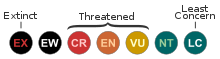
IUCN Red List
Growth: S = slow M = medium F = fast. Soil: L = light (sandy) M = medium H = heavy (clay). pH: A = acid N = neutral B = basic (alkaline). Shade: F = full shade S = semi-shade N = no shade. Moisture: D = dry M = Moist We = wet Wa = water.
Support Plants For A Future
Plants For A Future relies on regular donations to keep our free database and search facilities going, to pay for ongoing research, improvements and enhancements, and to develop and publish new books.
Read more
Choose Currency
Donate in £ GBP
Donate in $ USD
Donate in € EUR
Securely pay via PayPal or Credit/Debit Card without an account.
Expert comment
Author
(Schult.)Greene.
Botanical References
43235
Links / References
For a list of references used on this page please go here
Readers comment
| Add a comment |
|
If you have important information about this plant that may help other users please add a comment or link below. Only comments or links that are felt to be directly relevant to a plant will be included. If you think a comment/link or information contained on this page is inaccurate or misleading we would welcome your feedback at [email protected]. If you have questions about a plant please use the Forum on this website as we do not have the resources to answer questions ourselves.
* Please note: the comments by website users are not necessarily those held by PFAF and may give misleading or inaccurate information.
|
Subject : Monolepis nuttalliana
|
|
|
|