Translate this page:
Summary
Common iceplant is a remarkable succulent native to southern Africa that has spread to coastal and saline environments worldwide, including Australia, southern Europe, New Zealand, and western North America. The plant gets its name from the thousands of glistening, crystal-like structures covering its leaves and stems. These structures resemble frozen droplets of water, giving the plant an unusual sparkling appearance. The crystals are actually enlarged epidermal cells, known as bladder cells, that store water and dissolved salts. They help the plant tolerate saline soils and periods of drought. Common iceplant is particularly interesting as an edible wild plant because its leaves and tender stems are succulent, juicy, and naturally salty. Its flavor combines elements of spinach, asparagus, and green beans, with a distinctive tangy, ocean-like character. The plant is cultivated commercially as a vegetable in several countries and can be eaten fresh or cooked. Its high water content makes the foliage unusually succulent, although its considerable salt content limits how much should be eaten. Common iceplant is also an important example of a plant adapted to extreme environments. It can tolerate saline soils that are unsuitable for many conventional crops and has attracted scientific interest for its salt tolerance and specialized water-storage mechanisms. However, the species can become an environmental weed, particularly in coastal habitats where it forms dense colonies and competes with native vegetation.
Physical Characteristics

 Mesembryanthemum crystallinum is a PERENNIAL growing to 0.2 m (0ft 8in) by 0.5 m (1ft 8in) at a fast rate.
See above for USDA hardiness. It is hardy to UK zone 9 and is frost tender. It is in flower from July to September. The species is hermaphrodite (has both male and female organs) and is pollinated by Insects.
It is noted for attracting wildlife.
Suitable for: light (sandy), medium (loamy) and heavy (clay) soils, prefers well-drained soil and can grow in nutritionally poor soil. Suitable pH: mildly acid, neutral and basic (mildly alkaline) soils and can grow in saline soils.
It cannot grow in the shade. It prefers dry or moist soil and can tolerate drought.
UK Hardiness Map
US Hardiness Map
Synonyms
Carpobrotus crystallinum. Cryophytum crystallinum.
Plant Habitats
Cultivated Beds; East Wall. In. South Wall. In. West Wall. In.
Edible Uses
Edible Parts: Fruit Leaves Seed
Edible Uses:
Common iceplant is one of the more unusual edible succulent plants found in coastal and saline environments. Its leaves and tender stems are juicy, tender, and naturally salty, with a flavour combining elements of spinach, asparagus, and green beans. The plant is already cultivated as a vegetable in several countries, demonstrating its potential as an alternative food crop. Its remarkable water-storage cells, salt tolerance, and moisture-responsive seed capsules also make it botanically fascinating. However, its food value must be balanced against several limitations. The foliage can contain excessive amounts of salt and oxalates, and plants growing in contaminated environments may be unsuitable for consumption. Its ability to spread aggressively in coastal habitats also makes it an environmental weed in some regions. The leaves, tender stems, and other parts of common iceplant are reported to be edible, although the leaves and young shoots are the most useful and widely consumed portions. The plant is cultivated as a vegetable and sold in some markets in Australia, New Zealand, Spain, and France. Its leaves are fleshy, tender, and moist. They can be eaten raw in salads or cooked like spinach. Young stems are also edible, although they may be noticeably stringier than the leaves. The plant's natural saltiness makes it particularly suitable for dishes where a salty, slightly acidic flavor is desirable. Older stems are less appealing because they are tougher [2-3]. Field notes describe all parts as edible; this should not be interpreted as evidence that every part is equally palatable or suitable for unrestricted consumption. The foliage is the best-established culinary part [2-3]. Edibility Rating: 4 out of 5 – Very good edible vegetable. Common iceplant is an unusually useful edible succulent because its leaves and tender stems can be eaten fresh or cooked, require relatively little preparation, and have an appealing texture. Its ability to grow in saline environments also makes it an interesting alternative vegetable. However, the naturally high salt content, occasional fishy flavor, and potential to accumulate minerals from its growing environment reduce its overall rating. The species is also invasive in some regions, making cultivation and disposal important considerations. Taste and Preparation: Common iceplant has a distinctive flavor combining saltiness, mild acidity, and the fresh taste of green vegetables. The supplied field assessments describe the flavor as a mixture of spinach, asparagus, and green beans, accompanied by a slightly fishy or ocean-like overtone. The leaves are tender, juicy, and almost completely free of fibrous material. The stems are also succulent but tend to be stringier. Raw Leaves: You can eat young leaves fresh in salads. Their crisp, juicy texture makes them particularly suitable for combining with milder vegetables. Because the leaves are naturally salty, you often don't need to add extra salt. The unusual surface texture created by the bladder cells adds to their culinary appeal. Cooked Leaves: You can lightly steam, blanch, or boil the leaves. Cooking softens the foliage and can reduce some of its natural saltiness. Boiling in water and then discarding it can remove some soluble salts, although the amount removed depends on the cooking method and duration. Serve the cooked leaves as a vegetable or incorporate them into soups and other dishes. Tender Stems: You can eat young stems raw or cooked. They contain a lot of moisture but may be stringier than the leaves. Peeling or finely chopping tougher stems may improve their texture. Other Culinary Uses: People sometimes use common iceplant as a garnish because of its attractive, glistening leaves. Its salty flavor can complement salads, seafood dishes, and other foods that call for a naturally saline vegetable. The succulent foliage can also provide a distinctive contrast to crisp or dry ingredients. Water Content: One of the most unusual features of common iceplant is its extremely high water content. You can literally squeeze moisture from the leaves and stems [2-3]. This makes the plant seem particularly refreshing in hot, dry environments. However, its salty sap is not a suitable substitute for drinking water, particularly when someone is dehydrated. The dissolved salts may increase the body's need for fresh water [2-3]. Seasonality: Common iceplant can germinate following suitable rainfall at different times of the year. In Southern California, plants often establish during the cooler, wetter months and grow vigorously during spring. Flowering may occur over an extended period, depending on local conditions. Fruits commonly develop during late summer, with capsules remaining moist until plants dry out in autumn [2-3]. However, timing varies widel because rainfall is unpredictable in desert and coastal environments. In favourable climates, flowering can occur during much of the year. The best time to harvest leaves and tender stems is while plants are actively growing, before the foliage becomes older and less palatable. Traditional Uses: Common iceplant is native to southern Africa, where it has a history of use as a vegetable and other plant resource. It has subsequently been introduced to many other regions and is now cultivated or gathered as food in several countries. It is now used as a vegetable in Australia, New Zealand, Spain, and France. The species is also associated with traditional medicinal uses in parts of its native range [2-3]. Its principal established value for the PFAF database is as an edible leafy vegetable rather than a medicinal plant. Safety: Common iceplant is an established edible vegetable, but several precautions are important. High Salt Content: The leaves and stems contain substantial amounts of dissolved salts, particularly when plants grow in saline soils. Eating large quantities may contribute excessive sodium to the diet. People who need to restrict sodium intake should be especially cautious. Boiling and discarding the cooking water can reduce some soluble salts. Oxalates: Like several other leafy vegetables, common iceplant can contain oxalates. Oxalate concentrations may vary with growing conditions and plant development. People with a history of calcium oxalate kidney stones or who have been advised to follow a low-oxalate diet should exercise caution. Cooking in water and discarding the liquid may reduce soluble oxalates, although it will not necessarily eliminate them. Contaminated Soils: Common iceplant grows in environments that may contain elevated concentrations of salts and other minerals. Do not collect plants growing near roads, industrial areas, polluted waterways, or contaminated coastal sites for food. The species' ability to absorb and tolerate high concentrations of certain substances makes the growing environment particularly important. Dehydration: Although the plant contains considerable water, its salty sap should not be relied upon for hydration. Eating large amounts of salty foliage without adequate fresh water may worsen dehydration. Leaves and stems - raw or cooked[27, 52, 84, 95, 264]. They can be used as a spinach substitute[2]. The leaves have an acid flavour, they are thick and very succulent with a slightly salty tang[183]. They can also be pickled like cucumbers or used as a garnish[183]. Fruit[84, 106]. No more details are given. Seed - a famine food used when all else fails[177].
References More on Edible Uses
Medicinal Uses
Plants For A Future can not take any responsibility for any adverse effects from the use of plants. Always seek advice from a professional before using a plant medicinally.
Demulcent Diuretic Dysentery Urinary
The plant is demulcent and diuretic[240]. It is used in the treatment of inflammations of the pulmonary and genito-urinary mucous membranes[240]. The leaves are used in the treatment of ascites, dysentery and diseases of the liver and kidney[240].
References More on Medicinal Uses
Other Uses
Soap
Common iceplant is cultivated as an edible vegetable and can be grown in gardens, containers, and specialized saline agriculture systems. The crushed foliage is a soap substitute[84]. Wildlife Value: Common iceplant produces flowers that may attract bees and other pollinating insects. Its succulent foliage and dense growth can also provide cover for small invertebrates. However, its ecological effects are not always beneficial. In coastal environments outside its native range, common iceplant can form dense mats that displace native vegetation. Salt accumulation in its tissues, followed by release into the soil as plants decay, may alter local soil chemistry and make conditions less favorable for some native species. Consequently, its value to generalist pollinators does not outweigh the potential damage invasive populations can cause in sensitive habitats.
Special Uses
References More on Other Uses
Cultivation details
Common iceplant grows best in full sun and well-drained sandy, gravelly, or saline soils. It is particularly well adapted to coastal environments where soils contain substantial concentrations of dissolved salts. The plant tolerates conditions that would inhibit the growth of many conventional vegetables. It can grow in relatively poor soils and withstand periods of drought once established. However, adequate moisture during germination and early growth is important for successful establishment. The plant is particularly vigorous in open environments with little competition from taller vegetation. It is not suited to persistently waterlogged soils. Habitat: Common iceplant is native to southern Africa but has become naturalized in many parts of the world. It occurs along ocean coasts, saline flats, disturbed ground, roadsides, and other open habitats. In North America, it is particularly associated with coastal California and saline inland environments such as the Salton Sea basin. The species also occurs in Australia, New Zealand, the Mediterranean region, and parts of Mexico. It is frequently found in sandy or disturbed soils where salt concentrations are relatively high. Common iceplant can form dense colonies, sometimes covering substantial areas of ground. In introduced regions, these colonies may compete with native plants and alter local soil conditions. USDA Hardiness Zones: USDA Zones 9–11 (approximate). Common iceplant is a frost-sensitive annual or short-lived plant that grows best in mild coastal and warm Mediterranean climates. It can tolerate cool weather, but prolonged freezing conditions may damage or kill the succulent foliage. Because the species reproduces readily from seed, populations may persist in climates where individual plants do not survive winter. The suggested hardiness range is an ecological estimate, not a verified horticultural classification. Growth Rate: Fast under favorable conditions. Common iceplant can grow rapidly following rainfall, particularly when temperatures are mild and sufficient moisture is available. Young plants develop fleshy leaves and branching stems that may spread across the ground. Growth slows during prolonged drought, although established plants can tolerate considerable water stress. The species generally completes its life cycle within one growing season, but its timing can vary considerably depending on rainfall. Mature Size Height: approximately 7–80 cm (3–31 inches), based on the supplied field description. Spread: Common iceplant is a spreading or sprawling succulent that can extend considerably beyond its height. Individual plants may spread to around 1 meter or more under favorable conditions, although this is an approximate horticultural estimate rather than a verified species-wide maximum. The stems may grow upright initially before becoming spreading or prostrate. Plants can develop numerous branches, forming broad, irregular mats of succulent foliage. Cultivation: Common iceplant is cultivated as an edible vegetable and can be grown in gardens, containers, and specialized saline agriculture systems. It prefers full sun, good drainage, and moderate moisture during establishment. Although it tolerates saline soils, salt is not essential for successful cultivation. Plants can grow in ordinary well-drained garden soils. The amount of salt available to the plant can influence the saltiness of its foliage. For culinary use, harvesting young leaves and tender stems generally provides the best flavor and texture. Plants grown under controlled conditions are preferable to those gathered from potentially contaminated coastal or roadside soils. However, cultivation requires particular caution because common iceplant is an environmental weed in some regions. In Australia, it is naturalized in coastal and inland saline environments. Gardeners should check local weed guidance before planting it and avoid allowing plants to spread into natural vegetation. Container cultivation may reduce the risk of unwanted establishment, but preventing seed production and dispersal remains important. Identification: Common iceplant is a succulent annual or short-lived plant with fleshy stems and leaves. Its most distinctive feature is numerous enlarged, transparent bladder cells that cover much of the plant. These structures resemble tiny ice crystals or dew droplets. Stems: The stems are fleshy, branching, and often spreading. They may be green when young and become reddish or pinkish with age or environmental stress. The stems are conspicuously covered with bladder cells. Older stems may become somewhat stringy. Leaves: The leaves are simple and may be arranged alternately or oppositely. They are generally oval, spoon-shaped, or broadly oblong. The blades are flattened rather than cylindrical and often have wavy margins. Leaf bases may partly clasp the stems. The surfaces are covered with numerous large, glistening bladder cells. These are particularly conspicuous in bright sunlight. Flowers: The flowers are relatively small and may occur individually or in clusters. They are generally white to pale pink, sometimes with yellowish tones. Each flower has five sepals and numerous narrow, petal-like structures. The supplied description records approximately 20–40 petal-like segments and numerous stamens. Botanically, the showy petal-like structures in Mesembryanthemum are often interpreted as modified sterile stamens rather than ordinary petals. Fruits: The fruits are five-chambered capsules containing numerous small seeds. The capsules have a specialized moisture-responsive opening mechanism. When dry, they remain closed and retain their seeds. When wetted by rainfall, the capsules open and release seeds. This adaptation is especially important in environments with unpredictable rainfall. Seeds: The seeds are small and numerous. They are released from the capsules when moisture conditions are suitable. Seed size and surface characteristics may help distinguish related species, although examination under magnification may be necessary. Similar Species: Slenderleaf Iceplant (Mesembryanthemum nodiflorum): Slenderleaf iceplant is the most relevant comparison because it occurs in similar saline habitats and is included in the supplied field notes. It is a smaller annual, generally 5–25 cm tall, with narrow, almost cylindrical leaves. Its bladder cells are much smaller than those of common iceplant, so the foliage has a less conspicuously crystalline appearance. Its seeds are reported to be edible, but the other plant parts are not established as edible. Our field observer tasted the foliage and found it pleasant but excessively salty; this observation does not establish its safety as food. Hottentot Fig (Carpobrotus edulis): Hottentot fig is a spreading perennial succulent with thick, triangular leaves and large yellow flowers. Its fruits and leaves are edible, but it looks substantially different from common iceplant. It is also an invasive coastal plant in several regions. Sea Fig (Carpobrotus chilensis): Sea fig is another spreading perennial succulent with fleshy, triangular leaves and pink-to-purple flowers. People have used its fruits and leaves as food. Like Hottentot fig, it can spread aggressively in suitable coastal environments. Other related genera include Aptenia, Drosanthemum, and Lampranthus. These plants differ in leaf shape, flower structure, growth habit, and other characteristics. Interesting Botanical Features: Common iceplant has several unusual adaptations that make it particularly interesting botanically. Salt storage: Its enlarged epidermal bladder cells store water and dissolved salts, helping protect other tissues from excessive salt concentrations. Crassulacean acid metabolism (CAM): Common iceplant is a well-studied example of a plant capable of switching from conventional C3 photosynthesis to CAM photosynthesis under environmental stress, particularly salinity and drought. CAM allows much of the carbon dioxide uptake to occur at night, reducing daytime water loss. Rain-triggered seed dispersal: The capsules open when wet, helping coordinate seed release with rainfall. Environmental tolerance: Its ability to grow in saline environments has made it a useful research species for studying plant responses to salt stress and water scarcity. These characteristics also explain why common iceplant can establish successfully in environments that are difficult for many other plants. Easily grown in an ordinary well-drained garden soil[1, 52]. Succeeds in any well-drained low-fertility soil so long as it is in a sunny position[200]. A very ornamental plant, it is occasionally cultivated for its edible leaves[1, 264]. It is not very hardy in Britain and will be killed even by a light frost[264]. It is, therefore, usually grown as a half-hardy annual, being sown in a greenhouse in the spring and used for summer bedding[52]. Plants have few problems with pests or diseases though the young plants are prone to root rot and damping off unless given plenty of ventilation and dry growing conditions[200].
References Carbon Farming Information and Carbon Sequestration Information
Temperature Converter
Type a value in the Celsius field to convert the value to Fahrenheit:
Fahrenheit:
Plant Propagation
Seed - sow spring in a greenhouse, only just covering the seed. When they are large enough to handle, prick the seedlings out into individual pots and plant them out after the last expected frosts. Seedlings are prone to damp off so should not be over watered and should be kept in a very sunny well-ventilated position[200].
Other Names
If available other names are mentioned here
Common iceplant, crystalline iceplant, crystal iceplant, dewplant, ice plant.
Native Range
Algeria, Baleares, Canary Is., Cape Provinces, Corse, Cyprus, Egypt, France, Italy, Libya, Madeira, Mauritania, Morocco, Namibia, NW. Balkan Pen., Palestine, Sardegna, Saudi Arabia, Selvagens, Sicilia, Sinai, Spain, Tunisia, Western Sahara.
Weed Potential
Right plant wrong place. We are currently updating this section.
Please note that a plant may be invasive in one area but may not
in your area so it's worth checking.
High in susceptible coastal and saline environments. Common iceplant is naturalized in several countries outside its native southern African range. It can establish rapidly in disturbed coastal soils, saline flats, and other open environments. Its ability to tolerate high salt concentrations gives it a competitive advantage in habitats where many other plants struggle. The species produces numerous seeds, which can remain in dry capsules until rainfall triggers their release. This allows populations to regenerate when moisture conditions are suitable. Dense colonies can compete with native plants, reduce local plant diversity, and contribute to changes in soil salinity. Common iceplant is therefore an undesirable species in some coastal conservation areas. Where the plant is invasive, harvesting existing populations may provide a useful food resource, but it should not involve spreading seeds, transporting contaminated soil, or encouraging further establishment.
Conservation Status
IUCN Red List of Threatened Plants Status :
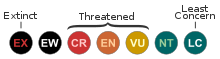
IUCN Red List
Growth: S = slow M = medium F = fast. Soil: L = light (sandy) M = medium H = heavy (clay). pH: A = acid N = neutral B = basic (alkaline). Shade: F = full shade S = semi-shade N = no shade. Moisture: D = dry M = Moist We = wet Wa = water.
Support Plants For A Future
Plants For A Future relies on regular donations to keep our free database and search facilities going, to pay for ongoing research, improvements and enhancements, and to develop and publish new books.
Read more
Choose Currency
Donate in £ GBP
Donate in $ USD
Donate in € EUR
Securely pay via PayPal or Credit/Debit Card without an account.
Expert comment
Author
L.
Botanical References
50200
Links / References
For a list of references used on this page please go here
Readers comment