Translate this page:
Summary
Berlandier's wolfberry is a thorny native shrub found in the deserts and dry shrublands of the southwestern United States and northern Mexico. Like other members of the Lycium genus, it produces fleshy red to orange berries that have long served as an important seasonal food for Indigenous peoples. It shares the same general edible characteristics as the soft-fruited wolfberries and is considered one of the valuable fruit-producing shrubs of the Southwest.
Physical Characteristics

 Lycium_berlandieri is a deciduous Shrub growing to 3 m (9ft) by 3 m (9ft) at a medium rate.
See above for USDA hardiness. It is hardy to UK zone 9. It is in flower from February to March. The species is hermaphrodite (has both male and female organs) and is pollinated by Bees.
It is noted for attracting wildlife.
Suitable for: light (sandy) and medium (loamy) soils, prefers well-drained soil and can grow in nutritionally poor soil. Suitable pH: mildly acid, neutral and basic (mildly alkaline) soils. It cannot grow in the shade. It prefers dry or moist soil and can tolerate drought. The plant can tolerate maritime exposure.
UK Hardiness Map
US Hardiness Map
Synonyms
Lycium berlandieri var. normale A.Terracc.
Plant Habitats
Edible Uses
Berlandier's wolfberry is another excellent representative of the desert wolfberries that have sustained people and wildlife across the Southwest for thousands of years. Its dependable crops of sweet, juicy berries, exceptional drought tolerance, and importance to desert ecosystems make it one of the most valuable native fruit shrubs, as long as the berries are eaten in moderation [2-3]. The berries are edible fresh or cooked. As with other wolfberries, eating large quantities may cause digestive upset, so eat them in moderation. You can eat ripe berries fresh, cook them into sauces, or dry them for later use. Other parts of the shrub are not regarded as edible [2-3]. Edibility Rating: 5 out of 5 – A highly valuable native desert fruit that provides a dependable food source in arid environments [2-3]. Taste and Preparation: Based on the genus information provided, ripe Berlandier's wolfberries have a sweet, fruity flavor similar to tomatoes, complemented by a mild citrus-rind bitterness. The berries are soft and juicy, with numerous tender seeds that are easy to eat. Fresh berries are excellent for eating out of hand or adding to fresh salsas. Cooking produces a thick, sweet, tomato-like sauce suitable for soups, stews, and other savory dishes. Because fresh berries spoil quickly, eat them soon after harvest or dry them. Once dried, they resemble raisins and become noticeably sweeter [2-3]. Seasonality: Berlandier's wolfberry flowers in late winter or early spring, with berries ripening during spring and early summer. In favorable seasons, additional fruit may be produced following summer rains [2-3]. Traditional Uses: Like other wolfberries, Berlandier's wolfberry was an important seasonal food for Native American peoples living in the Southwest deserts. People ate the berries fresh, cooked, or dried, and they provided one of the few dependable fresh fruits available in the spring [2-3]. Safety: Although the ripe berries are edible, large quantities may cause stomach upset, so moderation is recommended. The thorny branches require care when harvesting fruit. As with all members of the nightshade family, correct identification is essential before consumption [2-3]. Fruit - raw or cooked[61, 161, 177]. Only the fully ripe fruits should be eaten[K].
References More on Edible Uses
Medicinal Uses
Plants For A Future can not take any responsibility for any adverse effects from the use of plants. Always seek advice from a professional before using a plant medicinally.
Lycium berlandieri has a history of traditional medicinal uses, though modern clinical data specific to this exact species are scarce. Traditional and Historical Uses - Indigenous Practices: Historically, Native American tribes in the southwestern United States and Mexico ate the plant's red berries and used various parts of the shrub for a wide range of traditional medicinal remedies. Like other plants in the Lycium genus (such as the well-known goji berry, Lycium barbarum), Lycium berlandieri contains rich profiles of vitamins, minerals, and bioactive antioxidant compounds. In general herbal databases, members of this genus are noted for potential antioxidant and immune-supporting properties and have been explored conceptually for their ability to help reduce oxidative stress. Precautions: Lack of Clinical Trials - While related wolfberries are popular in traditional Asian medicine, specific medicinal efficacy, standardized dosages, and safety profiles for Lycium berlandieri have not been validated through rigorous modern human clinical trials. Family Considerations: The plant belongs to the nightshade family (Solanaceae), which contains various toxic species. While ripe berries are edible, caution is typically advised with unrefined parts, leaves, or unripe green fruit unless directed by an experienced botanical or medical professional It is being investigated as a food that is capable of reducing the incidence of cancer and also as a means of halting or reversing the growth of cancers[214].
References More on Medicinal Uses
The Bookshop: Edible Plant Books
Our Latest books on Perennial Plants For Food Forests and Permaculture Gardens in paperback or digital formats.

Edible Tropical Plants
Food Forest Plants for Hotter Conditions: 250+ Plants For Tropical Food Forests & Permaculture Gardens.
More

Edible Temperate Plants
Plants for Your Food Forest: 500 Plants for Temperate Food Forests & Permaculture Gardens.
More

More Books
PFAF have eight books available in paperback and digital formats. Browse the shop for more information.
Shop Now
Other Uses
Berlandier's wolfberry is well suited to xeriscapes and native gardens. It requires excellent drainage and full sun and needs very little maintenance once established. Its colorful berries and wildlife value make it an attractive landscape plant. Plants have an extensive root system and can be planted to stabilize banks[200]. The flowers attract native bees and other pollinating insects, while the berries are readily eaten by birds and small mammals. The thorny branches also provide valuable nesting sites and protective cover for wildlife.
Special Uses
References More on Other Uses
Cultivation details
Berlandier's wolfberry grows best in full sun and well-drained sandy, gravelly, or rocky soils. It is highly drought-tolerant and thrives in hot, arid climates with minimal supplemental water. Habitat: This species occurs in desert shrublands, dry washes, thornscrub, and rocky slopes of the southwestern United States and northern Mexico, particularly in Texas and adjacent regions. USDA Hardiness Zones: USDA Zones 8–10. Growth Rate: Berlandier's wolfberry has a moderate growth rate, responding quickly to seasonal rainfall while tolerating prolonged drought. Mature Size: Plants typically grow 1–3 meters (3–10 feet) tall, forming densely branched, thorny shrubs. Cultivation: Berlandier's wolfberry suits xeriscapes and native gardens. It requires excellent drainage and full sun and needs very little maintenance once established. Its colorful berries and wildlife value make it an attractive landscape plant. Identification: Berlandier's wolfberry is a thorny shrub with small, fleshy leaves borne singly or in clusters along the branches. It produces pale purple to lavender tubular flowers followed by soft orange to red berries containing numerous small seeds. Like other wolfberries, it is well adapted to dry desert environments. Similar Species: Berlandier's wolfberry closely resembles Anderson's wolfberry (Lycium andersonii), Baja wolfberry (L. brevipes), Arizona wolfberry (L. exsertum), Fremont's wolfberry (L. fremontii), pale wolfberry (L. pallidum), and Torrey's wolfberry (L. torreyi). According to your source, the soft-fruited species share very similar edible characteristics.
References Carbon Farming Information and Carbon Sequestration Information
Temperature Converter
Type a value in the Celsius field to convert the value to Fahrenheit:
Fahrenheit:
The PFAF Bookshop
Plants For A Future have a number of books available in paperback and digital form. Book titles include Edible Plants, Edible Perennials, Edible Trees,Edible Shrubs, Woodland Gardening, and Temperate Food Forest Plants. Our new book is Food Forest Plants For Hotter Conditions (Tropical and Sub-Tropical).
Shop Now
Plant Propagation
Seed - sow early spring in a greenhouse. Germination is usually good and fairly quick. Prick out the seedlings into individual pots when they are large enough to handle and grow them on in the greenhouse for their first winter. Plant out in late spring or early summer. Pinch out the shoot tips of the young plants in order to encourage bushy growth[78]. Cuttings of half-ripe wood, 5 - 10cm with a heel if possible, July/August in individual pots in a frame. Good percentage[78]. Cuttings of mature wood of the current season's growth, autumn to late winter in a cold frame. High percentage[78, 200]. Division of suckers in late winter. Very easy, the suckers can be planted out direct into their permanent positions. Layering.
Other Names
If available other names are mentioned here
Berlandier's wolfberry or Desert thorn.
Native Range
NORTHERN AMERICA: United States (New Mexico (south), Texas, Arizona (south)), Mexico (Baja California (Norte), Baja California Sur, Coahuila de Zaragoza, San Luis Potosí, Sonora)
Weed Potential
Right plant wrong place. We are currently updating this section.
Please note that a plant may be invasive in one area but may not in your area so it's worth checking.
Low. Berlandier's wolfberry is a native shrub with no known invasive tendencies.
Conservation Status
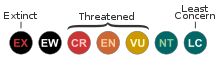
IUCN Red List of Threatened Plants Status : Not listed.
Growth: S = slow M = medium F = fast. Soil: L = light (sandy) M = medium H = heavy (clay). pH: A = acid N = neutral B = basic (alkaline). Shade: F = full shade S = semi-shade N = no shade. Moisture: D = dry M = Moist We = wet Wa = water.
Now available:
Food Forest Plants for Mediterranean Conditions
350+ Perennial Plants For Mediterranean and Drier Food Forests and Permaculture Gardens.
[Paperback and eBook]
This is the third in Plants For A Future's series of plant guides for food forests tailored to
specific climate zones. Following volumes on temperate and tropical ecosystems, this book focuses
on species suited to Mediterranean conditions—regions with hot, dry summers and cool, wet winters,
often facing the added challenge of climate change.
Read More
Expert comment
Author
Gray.
Botanical References
Links / References
For a list of references used on this page please go here
Readers comment
| Add a comment |
|
If you have important information about this plant that may help other users please add a comment or link below. Only comments or links that are felt to be directly relevant to a plant will be included. If you think a comment/link or information contained on this page is inaccurate or misleading we would welcome your feedback at [email protected]. If you have questions about a plant please use the Forum on this website as we do not have the resources to answer questions ourselves.
* Please note: the comments by website users are not necessarily those held by PFAF and may give misleading or inaccurate information.
|
Subject : Lycium_berlandieri
|
|
|
|