Translate this page:
Summary
Winterfat is one of the most important forage shrubs of the North American West. Its silvery-white appearance is unmistakable on sagebrush plains, desert grasslands, and open shrublands. Livestock and wildlife value it highly because its leaves remain nutritious throughout winter when other forage plants have declined. Although references occasionally mention edible uses for humans, winterfat is best regarded as a forage plant rather than a food plant. Concerns regarding selenium accumulation, combined with its woolly texture and limited culinary value, greatly reduce its usefulness as a human food resource. Winterfat, Krascheninnikovia lanata, belongs to the amaranth family (Amaranthaceae). It was formerly placed in the goosefoot family (Chenopodiaceae), which is now treated as part of the amaranth family. Common names include winterfat, white sage, sweet sage, and woolly greasewood. It is a small, long-lived shrub native to western North America. Plants typically grow 30–120 cm tall, occasionally reaching 150 cm in favorable conditions, with a similar spread. It is hardy to approximately USDA Zones 3–9 and is exceptionally tolerant of drought, cold, wind, and alkaline soils.
Physical Characteristics

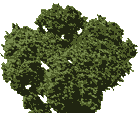 Krascheninnikovia lanata is a SHRUB growing to 1.2 m (4ft) by 1.2 m (4ft in) at a medium rate.
See above for USDA hardiness. It is hardy to UK zone 4. The flowers are pollinated by Wind.
It is noted for attracting wildlife.
Suitable for: light (sandy), medium (loamy) and heavy (clay) soils, prefers well-drained soil and can grow in nutritionally poor soil. Suitable pH: mildly acid, neutral and basic (mildly alkaline) soils and can grow in very alkaline and saline soils.
It cannot grow in the shade. It prefers dry or moist soil and can tolerate drought.
UK Hardiness Map
US Hardiness Map
Synonyms
Ceratoides lanata (Pursh) J.T.Howell. Diotis lanata Pursh. Eurotia ceratoides var. lanata (Pursh) Kuntze. Eurotia lanata (Pursh) Moq. Krascheninnikovia ceratoides subsp. lanata (Pursh) Heklau.
Plant Habitats
Edible Uses
The leaves are the part most often mentioned as edible. Boiling improves the flavor and produces a mild green broth. Seeds may also have been consumed occasionally, although reliable documentation is limited. Overall, the food value is low [2-3]. Edibility Rating: 1.5/5. Taste, Processing & Preparation: Fresh leaves possess a mild, somewhat pleasant flavor lacking the bitterness found in many desert shrubs. Unfortunately, the dense woolly hairs dominate the eating experience. The texture has been compared to chewing felt, wool, or carpet fibers. Cooking softens the leaves slightly but does little to eliminate the hairs [2-3]. Boiling produces a pale green broth with a surprisingly agreeable flavor. The broth is mildly herbaceous and somewhat reminiscent of spinach or other cooked greens. Unfortunately, any beneficial nutrients extracted into the liquid may be accompanied by potentially harmful selenium compounds if the plant was growing on selenium-rich soils. Filtering removes the hairs but does not remove dissolved selenium. Because selenium content varies with soil conditions and cannot be easily determined in the field, reliance on winterfat as a food source is unwise. Seasonality: Winterfat is evergreen or semi-evergreen across much of its range. Leaves remain available throughout the year, including winter. Flowering generally occurs from May through October, depending on elevation and rainfall patterns. Seeds mature from late summer through autumn. Nutritional Value: Winterfat is renowned as animal forage. The foliage is unusually rich in protein compared to most desert shrubs and remains palatable long after other vegetation has dried. This exceptional forage quality explains its importance to pronghorn, mule deer, bighorn sheep, rabbits, and livestock. However, nutritional value for grazing animals does not automatically translate into suitability as a human food. Texture, digestibility, and mineral accumulation issues limit its usefulness. Cautions & Toxicity: Winterfat’s greatest concern is its ability to accumulate selenium. Selenium is an essential trace element in small quantities but becomes toxic when concentrations rise too high. Plants growing on selenium-rich soils may contain levels capable of causing poisoning. Symptoms of excessive selenium consumption can include digestive disturbances, hair loss, nail abnormalities, neurological problems, and other health effects. Because selenium concentration varies widely by location and cannot be determined visually, caution is strongly advised. Regular consumption should be avoided. The dense leaf hairs may also cause throat irritation and reduce palatability. Traditional Uses: While winterfat was highly valued by Indigenous peoples as an ecological resource and by wildlife as forage, evidence for widespread use as a staple human food is limited. Most ethnobotanical references focus on its value as livestock forage, wildlife browse, or medicinal plant rather than a significant food source. Its greatest contribution to traditional lifeways may have been indirect, helping sustain game animals and livestock through difficult seasons [2-3].
References More on Edible Uses
Medicinal Uses
Plants For A Future can not take any responsibility for any adverse effects from the use of plants. Always seek advice from a professional before using a plant medicinally.
Krascheninnikovia lanata (commonly known as Winterfat) has a rich history of traditional medicinal uses, primarily among Indigenous North American tribes. While it has not been extensively evaluated in modern clinical trials, traditional practices utilized various parts of the shrub to treat a wide variety of ailments: Skin Ailments & Burns: A poultice of the ground root was frequently used by tribes like the Zuni and Navajo to treat burns. A leaf poultice was applied to sores, boils, poison ivy rashes, and sore muscles. Pain & Fevers: A hot decoction or infusion of the leaves was traditionally used to bring down fevers. Eye & Scalp Conditions: The plant's tea was utilized as a compress to soothe sore eyes and as a scalp wash to treat head lice, slow hair loss, and prevent premature graying. Digestive Health: Historical reports indicate the plant was used to soothe stomach discomfort and promote better digestion. Ceremonial Use: Branches were often tossed into fires in traditional sweat lodges due to their mildly sweet, pleasant fragrance. Disclaimer: Traditional remedies, including those from Winterfat, should be explored with caution. Always consult a healthcare professional or herbalist before using wild plants for medicinal purposes.
References More on Medicinal Uses
The Bookshop: Edible Plant Books
Our Latest books on Perennial Plants For Food Forests and Permaculture Gardens in paperback or digital formats.
Edible Tropical Plants
Food Forest Plants for Hotter Conditions: 250+ Plants For Tropical Food Forests & Permaculture Gardens.
More
Edible Temperate Plants
Plants for Your Food Forest: 500 Plants for Temperate Food Forests & Permaculture Gardens.
More
More Books
PFAF have eight books available in paperback and digital formats. Browse the shop for more information.
Shop Now
Other Uses
Forage Importance: Winterfat is among the finest forage shrubs in western North America. Crude protein levels remain relatively high throughout the year, even during winter dormancy. Pronghorn, deer, elk, bighorn sheep, rabbits, and domestic livestock all browse it readily. In many areas, it serves as a critical winter food source when grasses and forbs have become unavailable. Winterfat is occasionally planted for rangeland restoration, erosion control, wildlife habitat improvement, and forage enhancement. Once established, it requires little maintenance. Ecological Importance: Winterfat is a keystone shrub across many western rangelands. It stabilizes soils, supports wildlife populations, improves forage diversity, and contributes significantly to ecosystem resilience during drought. Where healthy winterfat populations persist, both wildlife and livestock generally benefit. Winterfat is primarily wind-pollinated, so it is not a major nectar plant for bees, butterflies, or other insect pollinators. Its flowers are small, inconspicuous, and not showy. It may still support insects indirectly by providing structure and cover, but its pollinator value is lower than that of flowering shrubs such as buckwheats, rabbitbrush, or sages.
Special Uses
References More on Other Uses
Cultivation details
Winterfat is one of the West’s most valuable forage shrubs but one of its least rewarding edible plants. Although technically edible under certain circumstances, its woolly texture, limited culinary appeal, and potential selenium accumulation make it a poor choice as a food source. Its true importance lies in sustaining wildlife and livestock across some of North America’s harshest landscapes, a role it performs exceptionally well. Winterfat is among the finest forage shrubs in western North America. Crude protein levels remain relatively high throughout the year, even during winter dormancy. Pronghorn, deer, elk, bighorn sheep, rabbits, and domestic livestock all browse it readily. In many areas, it serves as a critical winter food source when grasses and forbs have become unavailable. Habitat & Range: Winterfat occurs throughout much of western North America from southern Canada south into northern Mexico. It is particularly abundant in the Great Basin, the Colorado Plateau, the Wyoming Basin, the northern Chihuahuan Desert, and portions of the Great Plains. Typical habitats include: Dry valleys and basins. Sagebrush plains. Desert grasslands. Open juniper woodlands. Alkaline flats. Rocky hillsides. Semi-arid shrublands. It is particularly common on well-drained calcareous and alkaline soils. Growing Conditions: Winterfat thrives in full sun and dry conditions. It tolerates: Extreme drought. Winter cold. Strong winds. Alkaline soils. Poor fertility. High soil salinity. It performs poorly in humid climates and does not tolerate prolonged waterlogging. Cultivation: Winterfat is occasionally planted for rangeland restoration, erosion control, wildlife habitat improvement, and forage enhancement. Once established, it requires little maintenance. Seed germination can be variable, and young plants benefit from weed-free conditions during establishment. Mature plants are exceptionally long-lived and resilient. Wildlife Value: Few shrubs equal winterfat in terms of wildlife importance. It provides food for: Pronghorn, Mule deer, Bighorn sheep, Jackrabbits, Cottontails, Numerous rodents, Domestic sheep and cattle. The shrub is particularly valuable during winter when forage quality elsewhere declines dramatically. Identification & Habit: Winterfat forms rounded silver-white shrubs covered with dense woolly hairs. The entire plant often appears frosted or dusted with snow even during summer. Leaves are narrow, alternate, and densely hairy on both surfaces. Small inconspicuous flowers develop in the leaf axils. Female flowers are enclosed by hairy bracts that become even more conspicuous as fruits mature, giving the shrub a soft, cottony appearance. The combination of silvery foliage, woolly texture, and compact shrub form makes winterfat one of the easiest desert shrubs to recognize. Distinguishing Features: Unlike greasewoods (Sarcobatus species), winterfat lacks spines. Unlike sagebrushes (Artemisia species), the leaves are entire rather than divided. The dense silvery hairs covering virtually every surface are the most distinctive characteristic.
References Carbon Farming Information and Carbon Sequestration Information
Temperature Converter
Type a value in the Celsius field to convert the value to Fahrenheit:
Fahrenheit:
The PFAF Bookshop
Plants For A Future have a number of books available in paperback and digital form. Book titles include Edible Plants, Edible Perennials, Edible Trees,Edible Shrubs, Woodland Gardening, and Temperate Food Forest Plants. Our new book is Food Forest Plants For Hotter Conditions (Tropical and Sub-Tropical).
Shop Now
Plant Propagation
Seed. Seed germination can be variable, and young plants benefit from weed-free conditions during establishment. Mature plants are exceptionally long-lived and resilient.
Other Names
If available other names are mentioned here
Eurotia lanata. Winterfat, white sage, sweet sage, and woolly greasewood.
Native Range
US. USA. Alberta, Arizona, California, Colorado, Idaho, Kansas, Manitoba, Mexico Northeast, Mexico Northwest, Montana, Nebraska, Nevada, New Mexico, North Dakota, Oklahoma, Oregon, Saskatchewan, South Dakota, Texas, Utah, Washington, Wyoming, Yukon.
Weed Potential
Right plant wrong place. We are currently updating this section.
Please note that a plant may be invasive in one area but may not in your area so it's worth checking.
Winterfat has low weed potential. It is a native, slow-to-moderate growing rangeland shrub and does not usually become invasive. In restoration or rangeland plantings it is generally considered desirable, not weedy. Its main issue is the opposite problem: it can decline under heavy grazing, poor establishment conditions, or competition from invasive annual grasses.
Conservation Status
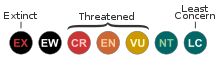
IUCN Red List of Threatened Plants Status : Not listed.
Growth: S = slow M = medium F = fast. Soil: L = light (sandy) M = medium H = heavy (clay). pH: A = acid N = neutral B = basic (alkaline). Shade: F = full shade S = semi-shade N = no shade. Moisture: D = dry M = Moist We = wet Wa = water.
Now available:
Food Forest Plants for Mediterranean Conditions
350+ Perennial Plants For Mediterranean and Drier Food Forests and Permaculture Gardens.
[Paperback and eBook]
This is the third in Plants For A Future's series of plant guides for food forests tailored to
specific climate zones. Following volumes on temperate and tropical ecosystems, this book focuses
on species suited to Mediterranean conditions—regions with hot, dry summers and cool, wet winters,
often facing the added challenge of climate change.
Read More
Expert comment
Author
(Pursh) A.Meeuse & A.Smit
Botanical References
Links / References
For a list of references used on this page please go here
Readers comment
| Add a comment |
|
If you have important information about this plant that may help other users please add a comment or link below. Only comments or links that are felt to be directly relevant to a plant will be included. If you think a comment/link or information contained on this page is inaccurate or misleading we would welcome your feedback at [email protected]. If you have questions about a plant please use the Forum on this website as we do not have the resources to answer questions ourselves.
* Please note: the comments by website users are not necessarily those held by PFAF and may give misleading or inaccurate information.
|
Subject : Krascheninnikovia lanata
|
|
|
|