 |
|
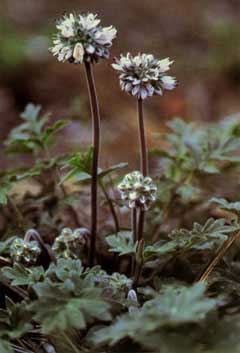
William & Wilma Follette @ USDA-NRCS PLANTS Database / USDA NRCS. 1992. Western wetland flora: Field office guide to plant species. West Region, Sacramento, CA.Hydrophyllum tenuipes |
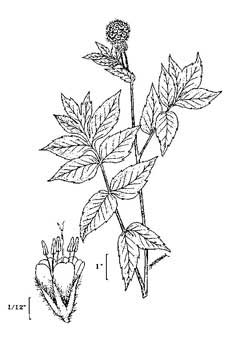 |
| USDA-NRCS PLANTS Database / USDA NRCS. Wetland flora: Field office illustrated guide to plant species. USDA Natural Resources Conservation Service. |
Translate this page:
Summary
Western waterleaf is one of the more promising edible woodland herbs of western North America. It grows in cool, moist habitats where snowmelt and seasonal rainfall provide reliable spring moisture before the onset of summer drought. Although relatively little known outside botanical circles, it has long been recognised as an edible plant by Indigenous peoples of northwestern North America and compares favourably with many other native spring greens. Among the three southwestern species of Hydrophyllum, western waterleaf received the most favourable assessment during the field observations. Both the leaves and fleshy roots were found to possess pleasant flavours, while the extensive colonies and clustered root systems made harvesting comparatively straightforward where collection was appropriate. The leaves are especially noteworthy. Unlike many wild greens, they lack strong bitterness, resinous compounds and unpleasant astringency. Their soft hairs produce a velvety texture rather than an irritating one, and simmering quickly transforms them into a mild vegetable while creating a sweet, aromatic green broth. The fleshy roots are equally distinctive. Fresh roots initially possess a sharp, slightly bitter flavor that soon gives way to a pleasant licorice-like sweetness. Although somewhat fibrous, they contain enough fleshy material to make them worthwhile additions to soups and stews. Despite these encouraging qualities, western waterleaf should still be regarded with some caution. Modern classifications place the genus within or very close to the borage family, a group containing species known to produce pyrrolizidine alkaloids capable of causing liver damage after repeated exposure. Whether western waterleaf itself produces these compounds remains uncertain. Existing ethnobotanical evidence suggests it has been safely eaten in moderation, but comprehensive chemical studies are lacking. Until those questions are resolved, occasional rather than frequent consumption remains the most responsible recommendation.
Physical Characteristics

 Hydrophyllum occidentale is a PERENNIAL growing to 0.5 m (1ft 8in) by 0.6 m (2ft) at a slow rate.
See above for USDA hardiness. It is hardy to UK zone 5. The species is hermaphrodite (has both male and female organs).
It is noted for attracting wildlife.
Suitable for: light (sandy), medium (loamy) and heavy (clay) soils. Suitable pH: mildly acid, neutral and basic (mildly alkaline) soils. It can grow in semi-shade (light woodland). It prefers moist soil.
UK Hardiness Map
US Hardiness Map
Synonyms
Hydrophyllum macrophyllum var. occidentale S.Watson
Plant Habitats
Woodland Garden Dappled Shade; Shady Edge;
Edible Uses
Edible Parts: Leaves Root
Edible Uses:
The roots, young shoots and leaves are the principal edible parts of western waterleaf. Your supplied material also reports the flowers as edible, although relatively few published ethnobotanical sources specifically mention them [2-3]. The fleshy roots are among the better edible roots found in the genus. Their clustered arrangement beneath the crown makes harvesting easier than for many woodland perennials. The leaves are mild enough to be eaten fresh, although cooking generally produces superior results and is the preferred method of preparation. Young shoots may be harvested together with the leaves during spring before stems become coarse. The flowers are delicate and apparently mild, but they contribute relatively little food because of their small size. Because of unresolved safety questions surrounding the genus, all edible parts should be regarded as occasional foods rather than staple vegetables [2-3]. Edibility Rating: 3/5. Western waterleaf receives an overall edibility rating of 3 out of 5. Among the southwestern waterleafs, it appears to be the finest edible species, with pleasant leaves, useful fleshy roots, and generous colonies that simplify gathering. The rating is reduced by the uncertainty surrounding long-term safety, the relatively low caloric value of the foliage, and the destructive nature of harvesting the roots [2-3]. Taste, Processing & Culinary Use: Western waterleaf leaves possess one of the mildest flavors found among native western woodland vegetables. Fresh foliage lacks the acrid resins, excessive tannins and harsh bitterness characteristic of many spring greens. The leaves have a subtle sweetness combined with a fresh green flavor that remains pleasant whether eaten raw or cooked. Their soft hairs resemble the fuzz covering ripe peaches. Although initially unusual, these hairs are not irritating and become even less noticeable after cooking. Brief simmering quickly transfers much of the leaf's sweetness into the cooking liquid, producing a surprisingly delicious green broth with a fresh herbal aroma. Unlike many wild greens that become bitter during cooking, western waterleaf generally becomes milder. The leaves work well as a simple cooked vegetable, in mixed spring greens, or added near the end of soup preparation. The roots are white internally with reddish-brown outer skins and possess a somewhat translucent appearance. Numerous fleshy fibrous strands arise together beneath the crown, creating compact root clusters that are relatively easy to collect. Fresh roots first taste sharp and slightly bitter before developing a sweet aftertaste reminiscent of licorice. This progression produces a surprisingly complex flavor that is distinctive without becoming overpowering. Although fibrous, the roots contain substantial fleshy tissue. Long simmering softens the fibers sufficiently for soups and stews while preserving much of the sweetness. The flowers are mild enough to be added sparingly to salads or used as edible garnishes where their identity is certain. Cooking improves flavor and hygiene but should not be assumed to eliminate potentially harmful pyrrolizidine alkaloids should they be present [2-3]. Seasonality (Phenology): New shoots emerge during early spring following snowmelt or reliable seasonal rainfall. Leaves remain tender throughout spring and early summer before gradually becoming coarser. Flowering generally occurs between April and July, depending upon elevation and seasonal weather patterns. The leaves remain suitable for harvesting through much of the flowering period before beginning to dry during late summer. The fleshy roots remain alive beneath the soil even after the foliage dies back and often retain considerable moisture throughout much of the growing season. Fruit capsules mature during summer before releasing seed. Plants become dormant during late summer or autumn as soils dry. Safety & Cautions: Although western waterleaf has a history of traditional food use and appears to be relatively safe when eaten occasionally, comprehensive toxicological studies have not yet been completed. The genus is now usually classified within Boraginaceae, a family containing numerous species capable of producing pyrrolizidine alkaloids. These compounds can damage the liver after repeated consumption. Whether western waterleaf itself contains biologically significant concentrations remains unknown. Because of this uncertainty, regular consumption should be avoided until more detailed chemical studies become available. Occasional servings based upon traditional use appear reasonable, but the plant should not become a dietary staple. Pregnant or breastfeeding women, young children and individuals with liver disease should avoid consuming the species. Collect only from clean habitats free from roadside pollution, livestock contamination and agricultural chemicals. Root harvesting destroys individual plants and should only occur where abundant colonies exist and collection is legally permitted. Correct identification while plants are flowering is essential before harvesting. Harvest & Processing: Young leaves should be gathered while still soft and actively growing during spring. Harvest only a small proportion of foliage from each plant so colonies remain healthy and capable of flowering. Wash thoroughly to remove grit trapped among the leaf hairs. Steam or simmer briefly until the leaves become tender. Roots should only be collected where colonies are large and well established. Dig carefully beside the crown using a narrow tool to minimize disturbance. Clean the roots thoroughly, remove damaged sections and cut them into manageable pieces before simmering. Because of the limited safety data available, only small quantities should be eaten at first [2-3]. Traditional Indigenous Uses: Western waterleaf was gathered by Indigenous peoples of western North America, particularly in the Pacific Northwest, where members of the genus occasionally served as important seasonal vegetables. Compared with many other woodland herbs, references to waterleaf remain surprisingly scarce despite its agreeable flavor. Your supplied field observations suggest western waterleaf deserves considerably more attention as an edible native plant than it has received historically. The leaves, shoots and roots appear to have provided valuable spring foods wherever substantial colonies occurred. Although never a major staple comparable to camas or biscuitroot, western waterleaf likely formed one component of a varied seasonal diet gathered from moist mountain habitats [2-3]. Leaves - raw or cooked[61, 105, 177]. Root - cooked[105, 161]. Used as a staple food by some native North American Indian tribes[257].
References More on Edible Uses
Medicinal Uses
Plants For A Future can not take any responsibility for any adverse effects from the use of plants. Always seek advice from a professional before using a plant medicinally.
Hydrophyllum occidentale has no major, scientifically validated modern medical uses. However, it is closely related to Hydrophyllum virginianum (Virginia waterleaf), a sister species whose roots and leaves were historically used in traditional Native American herbal remedies.
References More on Medicinal Uses
The Bookshop: Edible Plant Books
Our Latest books on Perennial Plants For Food Forests and Permaculture Gardens in paperback or digital formats.

Edible Tropical Plants
Food Forest Plants for Hotter Conditions: 250+ Plants For Tropical Food Forests & Permaculture Gardens.
More

Edible Temperate Plants
Plants for Your Food Forest: 500 Plants for Temperate Food Forests & Permaculture Gardens.
More
More Books
PFAF have eight books available in paperback and digital formats. Browse the shop for more information.
Shop Now
Other Uses
Western waterleaf adapts well to woodland gardens and native shade plantings. The species combines well with native violets, columbines, ferns, woodland phlox, and other spring perennials. Wildlife & Ecology: The flowers attract numerous native pollinating insects, particularly bees seeking spring nectar and pollen. The projecting stamens allow pollen to be collected efficiently by visiting insects. Dense colonies provide shelter for many woodland invertebrates. The foliage contributes to early-season ground cover before taller woodland vegetation develops. As plants become dormant later in summer, nutrients are returned to the underground rhizomes for storage. Western waterleaf forms part of the diverse spring flora that characterizes healthy western mountain forests. For gardeners, it is an attractive native perennial that contributes to woodland biodiversity, supports spring pollinators and provides one of the more distinctive edible native greens of western North America.
Special Uses
References More on Other Uses
Cultivation details
Growing Conditions: Western waterleaf grows best in fertile, humus-rich soils that remain consistently moist during spring. It thrives in partial shade beneath open woodland canopies but also tolerates filtered sunlight along canyon margins and forest openings. Reliable spring moisture is more important than heavy summer irrigation. Natural soils are usually rich in organic matter derived from decomposing leaves. The species performs poorly in hot exposed sites that dry rapidly. Once dormant, relatively dry summer conditions cause little harm provided the root system remains cool beneath the soil surface. Habitat & Distribution: Western waterleaf occurs from northern Arizona through Utah, Nevada, Idaho, Oregon and Washington, extending into other parts of the Intermountain West. Within the Southwest, it is largely confined to cooler mountain environments. Typical habitats include moist canyons, shaded woodland slopes, stream margins, open forests and rich mountain meadows. Colonies often occupy areas receiving dependable snowmelt or groundwater seepage. The species is uncommon or absent from the hotter low deserts where moisture is insufficient for sustained spring growth. Cultivation: Western waterleaf adapts well to woodland gardens and native shade plantings. Plants establish readily in organically enriched soils receiving regular moisture during spring. Afternoon shade helps maintain attractive foliage through warmer weather. A light mulch of leaf litter conserves moisture and mimics natural woodland conditions. The species combines well with native violets, columbines, ferns, woodland phlox and other spring perennials. Once established, very little maintenance is required beyond occasional watering during prolonged drought. Avoid disturbing the fleshy roots by cultivation around established plants. Identification.Western waterleaf is an upright perennial arising from fleshy fibrous roots and short rhizomes. Plants typically reach between 15 and 50 centimetres in height. The alternate leaves are deeply pinnately divided into broad oval lobes with several coarse teeth. The divisions appear nearly separate close to the base of the blade. Flower clusters are carried on long stalks extending above the surrounding foliage. The bell-shaped flowers range from pale lavender to deep purple. Five conspicuously exserted stamens project beyond each corolla and possess hairy filaments. The fruits are rounded capsules approximately 3–5 millimeters across and are frequently slightly bristly. Among the southwestern species, western waterleaf differs from Fendler's waterleaf by its broader oval leaf divisions and from ballhead waterleaf by its taller flowering stems that elevate the flower clusters above the foliage. Overall Assessment: Western waterleaf appears to be the finest edible representative of the Hydrophyllum genus in the American Southwest. Its mild leaves, pleasantly sweet roots, and generous colonies distinguish it from many other woodland vegetables that suffer from excessive bitterness or difficult harvesting. Nevertheless, unresolved questions regarding possible pyrrolizidine alkaloids mean that caution remains appropriate. The available ethnobotanical evidence supports occasional traditional use, but not frequent or heavy consumption. For foragers, western waterleaf is an interesting seasonal vegetable worthy of further research rather than immediate promotion as a staple food. For gardeners, it is an attractive native perennial that contributes to woodland biodiversity, supports spring pollinators, and provides one of the more distinctive edible native greens of western North America. Western waterleaf, Hydrophyllum occidentale (S. Watson) A. Gray, belongs to the waterleaf family (Hydrophyllaceae), although modern botanical classifications usually include the genus within the borage family (Boraginaceae) as subfamily Hydrophylloideae. Common names include western waterleaf and skunk lettuce. It is the best-documented edible member of the Hydrophyllum genus occurring in the southwestern United States. Western waterleaf is a hardy herbaceous perennial suited to approximately USDA Hardiness Zones 4–8. Mature plants generally grow 15–50 cm tall and slowly spread to 30–60 cm through short rhizomes and expanding clusters of fleshy roots. Over time, healthy colonies may cover considerable areas of moist woodland and canyon floors.
References Carbon Farming Information and Carbon Sequestration Information
Temperature Converter
Type a value in the Celsius field to convert the value to Fahrenheit:
Fahrenheit:
The PFAF Bookshop
Plants For A Future have a number of books available in paperback and digital form. Book titles include Edible Plants, Edible Perennials, Edible Trees,Edible Shrubs, Woodland Gardening, and Temperate Food Forest Plants. Our new book is Food Forest Plants For Hotter Conditions (Tropical and Sub-Tropical).
Shop Now
Plant Propagation
Seed - best sown as soon as it is ripe in a cold frame. The seed usually germinates in early spring. Sow stored seed as early in the year as possible. When they are large enough to handle, prick the seedlings out into individual pots and grow them on in the greenhouse for their first winter. Plant them out into their permanent positions in late spring or early summer, after the last expected frosts. Division in spring or autumn[200]. Very easy, larger clumps can be replanted direct into their permanent positions, though it is best to pot up smaller clumps and grow them on in a cold frame until they are rooting well. Plant them out in the spring.
Other Names
If available other names are mentioned here
Western waterleaf and skunk lettuce
Native Range
NORTHERN AMERICA: United States (Oregon (west), Arizona, California, Nevada, Utah)
Weed Potential
Right plant wrong place. We are currently updating this section.
Please note that a plant may be invasive in one area but may not in your area so it's worth checking.
Western waterleaf has low weed potential. It spreads gradually through short rhizomes and occasional self-seeding but remains well behaved in gardens and natural habitats. Its requirement for cool, moist woodland conditions prevents aggressive spread into drier environments. Colonies enlarge slowly over many years rather than expanding rapidly. Where conditions remain favorable, the species forms attractive natural groundcover without becoming invasive.
Conservation Status
IUCN Red List of Threatened Plants Status : Not listed.
Growth: S = slow M = medium F = fast. Soil: L = light (sandy) M = medium H = heavy (clay). pH: A = acid N = neutral B = basic (alkaline). Shade: F = full shade S = semi-shade N = no shade. Moisture: D = dry M = Moist We = wet Wa = water.
Now available:
Food Forest Plants for Mediterranean Conditions
350+ Perennial Plants For Mediterranean and Drier Food Forests and Permaculture Gardens.
[Paperback and eBook]
This is the third in Plants For A Future's series of plant guides for food forests tailored to
specific climate zones. Following volumes on temperate and tropical ecosystems, this book focuses
on species suited to Mediterranean conditions—regions with hot, dry summers and cool, wet winters,
often facing the added challenge of climate change.
Read More
Expert comment
Author
(Watson.)A.Gray.
Botanical References
60
Links / References
For a list of references used on this page please go here
Readers comment
| Add a comment |
|
If you have important information about this plant that may help other users please add a comment or link below. Only comments or links that are felt to be directly relevant to a plant will be included. If you think a comment/link or information contained on this page is inaccurate or misleading we would welcome your feedback at [email protected]. If you have questions about a plant please use the Forum on this website as we do not have the resources to answer questions ourselves.
* Please note: the comments by website users are not necessarily those held by PFAF and may give misleading or inaccurate information.
|
Subject : Hydrophyllum occidentale
|
|
|
|