Translate this page:
Summary
Alpine chainpod is one of the most important traditional root vegetables of northern North America. Long before potatoes became widely cultivated, Indigenous peoples throughout Alaska, Canada and the northern Rocky Mountains harvested its large, nutritious roots as a dependable source of carbohydrate. In many regions the plant was so highly regarded that it became an article of trade, with families returning to productive patches year after year. Early Arctic explorers also came to appreciate its value, although several expeditions mistakenly gathered the closely related northern chainpod (Hedysarum boreale), resulting in illness and confusion that persisted for many years. Although alpine chainpod belongs to the bean family, it is unusual because its greatest value lies below ground rather than in its seeds. The thick taproot stores starch and sugars that allow the plant to survive long northern winters. These same reserves make the root nutritious and satisfying to eat. Unlike many wild roots, alpine chainpod requires relatively little preparation and has long been regarded as one of the finest native vegetables of the North American north. Beyond its edible value, alpine chainpod is an attractive perennial producing graceful spikes of pink to purplish pea flowers throughout summer. As a nitrogen-fixing legume it improves soil fertility while providing nectar for native bees and butterflies. Modern restoration projects increasingly include the species because it establishes well on disturbed sites, stabilises soils and supports pollinator communities. Alpine chainpod (Hedysarum alpinum L., formerly also treated in North America as Hedysarum americanum (Michx.) Britton) belongs to the bean family (Fabaceae). It is also known as Alaska carrot, Eskimo potato, Indian potato, northern sweetvetch, alpine sweetvetch and alpine hedysarum. This hardy perennial is suitable for USDA Hardiness Zones 2–7, occasionally extending into Zone 8 where summers remain cool. Mature plants typically reach 30–100 cm in height with a spread of 30–60 cm, although colonies gradually expand by seed rather than forming dense clumps. Its deep taproot allows it to survive harsh winters and dry periods, making it one of the most resilient perennial legumes of northern North America.
Physical Characteristics

 Hedysarum alpinum is a PERENNIAL growing to 1 m (3ft 3in) by 0.6 m (2ft).
See above for USDA hardiness. It is hardy to UK zone 3. It is in flower in June, and the seeds ripen in August. The species is hermaphrodite (has both male and female organs) and is pollinated by Insects.
It can fix Nitrogen.
Suitable for: light (sandy), medium (loamy) and heavy (clay) soils and prefers well-drained soil. Suitable pH: mildly acid, neutral and basic (mildly alkaline) soils. It cannot grow in the shade. It prefers moist soil.
UK Hardiness Map
US Hardiness Map
Synonyms
Banalia alpina (L.) Bubani. Echinolobium alpinum (L.) Desv. Hedysarum alpinum subsp. alpinum. Hedysarum alpinum subsp. laxiflorum (Benth. ex Baker) H.Ohashi & Tateishi.
Plant Habitats
Cultivated Beds;
Edible Uses
Edible Parts: Root
Edible Uses:
Among all North American members of the genus, alpine chainpod has the strongest reputation as a food plant. Indigenous peoples across Alaska, Yukon, the Northwest Territories, and parts of western Canada gathered the roots extensively, eating them raw, roasted, baked, boiled, or dried for later use. Historical accounts consistently describe the roots as wholesome, nourishing, and dependable, yet they have been repeatedly reported to be toxicstored carbohydrates accumulate. In contrast to northern chainpod, which has generated repeated reports of toxicity, alpine chainpod has an excellent record of safe traditional use [2-3]. The roots are harvested primarily in early spring before vigorous shoot growth begins or during autumn after the foliage has died back. At these times, the stored carbohydrates have accumulated within the taproot, resulting in improved flavor and texture. Young roots are generally preferred because older specimens gradually become woody and increasingly fibrous. Although the roots are the principal edible part, some Indigenous communities also consumed very young spring shoots before the leaves fully expanded. These tender shoots were eaten fresh or lightly cooked, although they never approached the importance of the roots. Mature foliage and seed pods are not generally regarded as food [2-3]. Edible Uses & Rating: Alpine chainpod deserves an edibility rating of 4 out of 5. Few native North American wild vegetables have such a long and consistent history of traditional use. The roots are nutritious, reasonably easy to prepare and produced in quantities sufficient to justify systematic harvesting. Their principal limitation is the effort required to dig them from often stony or frozen soils. Fresh roots can be eaten raw when young, although most people prefer them cooked. Roasting in hot ashes or baking in earth ovens gradually converts stored starches into sugars, producing a sweeter flavour. Boiling yields equally satisfactory results while preserving much of the root’s moisture. The cooked roots can be mashed, sliced into soups or stews, or dried and later rehydrated. Unlike many wild roots that are valued only during times of famine, alpine chainpod appears to have been deliberately sought because it was genuinely enjoyable to eat. Historical records suggest that people often travelled considerable distances specifically to gather the roots when conditions were favourable [2-3]ed considerable distances specifically to gather the roots when conditions were favo. Taste, Processing & Kitchen Notes. The flavor of alpine chainpod is often compared with that of carrots, parsnips,, or sweet root vegetables, although these comparisons fail to capture its distinctive character. Fresh roots possess a mild sweetness balanced by a pleasantly earthy, slightly nutty flavour. Unlike wild licorice, there is no lingering bitterness, and unlike northern chainpod there is little of the woody aftertaste that can make related species disappointing. Freshly dug roots are cream to pale yellow beneath a thin brown skin. The skin peels readily with a knife or by rubbing after cooking. Young roots have a firm but crisp texture that softens considerably during boiling or roasting. Older roots gradually become fibrous, particularly near the centre, making younger plants the preferred choice for gathering. Traditional earth ovens appear to have been particularly effective because prolonged gentle heating slowly softened the roots while concentrating their natural sweetness. Modern roasting produces similar results. Boiling generally requires twenty to forty minutes depending on root size. The cooking water develops only a mild flavour and may be incorporated into soups rather than discarded. Historical accounts suggest that harvested roots were frequently dried for winter storage. Once dried they became much lighter to transport and remained edible for extended periods. Rehydration before cooking restored much of their original texture. Some communities also pounded dried roots into coarse meal that could be added to other foods. During the development of the foraging observations you supplied, alpine chainpod was repeatedly described as the superior species within the genus. This reputation contrasts sharply with northern chainpod. Indigenous knowledge recognised these differences long before botanical taxonomy formally separated the species. Early explorers who failed to appreciate these distinctions occasionally gathered the wrong plant and suffered digestive illness as a result. Their experiences demonstrate the importance of careful identification even among closely related species [2-3]. Seasonality (Phenology): Alpine chainpod emerges soon after snowmelt, often while surrounding vegetation is only beginning to green. Flowering generally occurs between June and August depending on latitude and elevation. In Arctic regions flowering may not begin until midsummer, while mountain populations farther south often bloom earlier. The segmented seed pods mature from late summer into early autumn. Like all members of the genus, the fruits break apart into individual seed-bearing segments rather than splitting open along their seams like ordinary bean pods. The traditional harvest seasons for the roots are spring and autumn. Early spring roots contain reserves accumulated during the previous growing season before these resources are diverted into new stems and flowers. Autumn roots again become rich in stored carbohydrates after seed production is complete. Summer harvesting is possible but generally produces lower-quality roots. Safety & Cautions (Food Use): Alpine chainpod has an excellent history of traditional use, but correct identification remains essential. Several related species differ significantly in their food value. Northern chainpod (Hedysarum boreale), in particular, has generated conflicting reports regarding safety, with some authorities describing digestive illness following consumption. For this reason, anyone gathering wild chainpods should identify the species with confidence before eating the roots. The plant should also not be confused with certain poisonous members of the bean family, particularly locoweeds (Astragalus and Oxytropis species). Fortunately, the fruits provide an obvious distinction. Chainpods produce segmented loments resembling a string of flattened beads, whereas locoweeds produce ordinary inflated legumes that split open when mature. As with any unfamiliar wild food, moderate first servings are advisable. Individual sensitivity varies, and roots gathered from stressed plants growing in poor soils may differ somewhat in flavor and texture from those growing under favozrable conditions. Harvest & Processing Workflow: Successful harvesting begins by locating mature flowering plants during summer and marking productive patches for future visits. Because the leaves disappear after frost, autumn digging is often easiest when the dried flowering stems remain visible. Spring harvesting relies on recognising newly emerging shoots before surrounding vegetation obscures them. A digging stick or narrow spade allows the taproot to be lifted with minimal damage. Sandy or loose alluvial soils yield roots far more easily than compacted gravelly ground. Careful excavation preserves the long edible portion rather than breaking it deep underground. After washing, the thin outer skin may be peeled if desired, although many traditional preparations left it intact. Small roots can be cooked whole while larger specimens benefit from slicing into uniform sections. Roasting, baking and boiling all produce excellent results. Where populations are healthy, harvesting only a portion of mature plants and leaving younger individuals to establish helps maintain productive colonies. Allowing some plants to flower and set seed ensures continued regeneration of the stand. This sustainable approach reflects traditional Indigenous harvesting practices that maintained productive gathering grounds for generations. Cultivar/Selection Notes: No recognersed cultivated varieties currently exist, although considerable natural variation occurs throughout the species’ broad northern range. Some populations produce noticeably thicker, sweeter roots than others, while alpine forms often remain smaller and more compact. Because alpine chainpod has never undergone systematic crop improvement, it retains considerable potential as a future perennial food crop for cold climates. Selection for larger roots, reduced fibre and improved uniformity could substantially increase its horticultural value. Interest in perennial vegetables and climate-resilient agriculture has renewed attention to native species such as alpine chainpod that require little fertiliser or irrigation once established. Modern native seed producers primarily supply regional ecotypes intended for ecological restoration rather than food production, but these provide useful starting material for gardeners interested in evaluating superior selections. Look-Alikes & Confusion Risks: Among western North American legumes, alpine chainpod most closely resembles other members of the Hedysarum genus. Northern chainpod, western chainpod and white sweetvetch all possess pinnate leaves, pink or pale flowers and segmented seed pods. Careful observation of leaflet number, flower structure, calyx proportions and geographical distribution usually allows reliable identification. The greatest practical risk is confusing alpine chainpod with northern chainpod. Alpine chainpod generally produces thicker roots, more numerous leaflets—often thirteen to twenty-one per leaf—and occupies cooler northern environments. Northern chainpod usually bears fewer leaflets, thinner roots and is more common in the drier interior West. Before fruits appear, inexperienced foragers may also confuse chainpods with certain species of locoweed. Once fruits develthe Alpine chainpod with the Nop, identification becomes much easier because only Hedysarum produces the distinctive chain-like loments that give the genus its common name [2-3]op. Traditional & Indigenous Use Summary: Few North American wild plants possess a richer ethnobotanical history than alpine chainpod. Across Alaska and northern Canada, Indigenous peoples including Inuit, Dene, Gwich’in and several First Nations regarded the roots as an important seasonal staple. Families often returned annually to productive gathering grounds, digging roots in spring after the ground thawed or in autumn before winter freeze-up. Fresh roots were eaten immediately or cooked in earth ovens, while surplus harvests were dried for winter use. In some regions the roots became valuable trade items exchanged between neighbouring communities. Their importance extended beyond simple nutrition. Knowledge of productive populations formed part of traditional ecological knowledge passed from one generation to the next. Historical accounts from Arctic exploration further emphasise the plant’s significance. Explorers who learned from Indigenous communities quickly recognised alpine chainpod as one of the finest native root vegetables available in northern landscapes. Those who failed to distinguish it from less desirable relatives sometimes experienced illness, reinforcing the value of Indigenous botanical knowledge developed through centuries of careful observation. Today alpine chainpod remains an outstanding example of how traditional knowledge identified productive, nutritious and sustainable wild food resources long before modern botany formally documented them [2-3]. Root - raw or cooked[61, 177]. A carrot-like flavour[105]. The root can be harvested from autumn until spring, it tastes best after some frosts[172]. Possibly toxic.
** Please read The New Yorker link in the Reader Comments below
References More on Edible Uses
Medicinal Uses
Plants For A Future can not take any responsibility for any adverse effects from the use of plants. Always seek advice from a professional before using a plant medicinally.
Hedysarum alpinum has several historical and traditional medicinal applications, particularly in herbal and folk medicine. Traditional remedies: Decoctions and teas made from the plant's roots have historically been used in traditional folk medicine to treat respiratory issues (like bronchitis and coughing), nervous disorders, insomnia, and inflammation.Pharmaceutical derivatives: In some regions, Hedysarum alpinum is processed to create Alpizarin, an antiviral medication used in treating various herpesvirus infections. General pharmacological properties: Research suggests extracts from the Hedysarum genus possess antioxidant, anti-inflammatory, and immune-supporting qualities.
References More on Medicinal Uses
The Bookshop: Edible Plant Books
Our Latest books on Perennial Plants For Food Forests and Permaculture Gardens in paperback or digital formats.
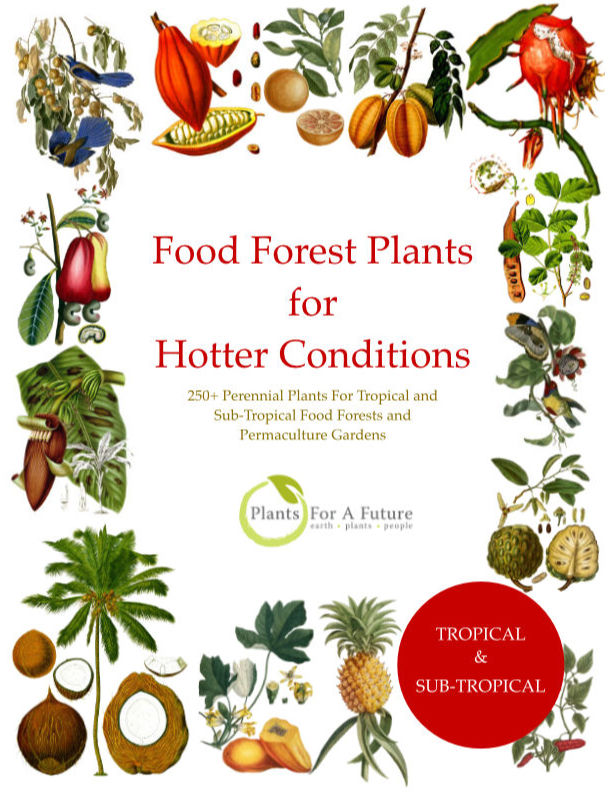
Edible Tropical Plants
Food Forest Plants for Hotter Conditions: 250+ Plants For Tropical Food Forests & Permaculture Gardens.
More
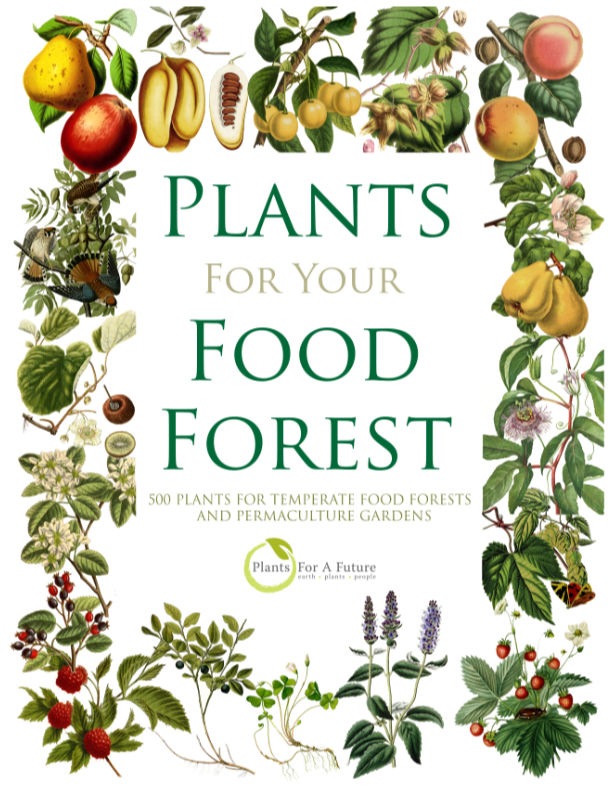
Edible Temperate Plants
Plants for Your Food Forest: 500 Plants for Temperate Food Forests & Permaculture Gardens.
More
More Books
PFAF have eight books available in paperback and digital formats. Browse the shop for more information.
Shop Now
Other Uses
In agricultural settings, the species generally demonstrates excellent resilience, reflecting the harsh environments in which it evolved. Its ability to survive cold winters, periodic drought, and nutrient-poor soils contributes greatly to its reputation as a dependable perennial. Ecology & Wildlife: Alpine chainpod plays an important ecological role throughout northern ecosystems. As a nitrogen-fixing perennial, it enriches soils that often contain limited available nutrients, benefiting neighboring vegetation and contributing to long-term ecosystem productivity. Its flowers provide nectar and pollen for numerous native pollinators during the relatively brief northern growing season. The foliage is browsed by deer, elk, mountain goats and other herbivores, while seeds are occasionally consumed by small mammals and birds. Bears have also been observed digging roots, contributing to one of the plant’s common names, “bear’s potato.” The extensive root system stabilises soils along riverbanks, gravel bars and mountain slopes where erosion may otherwise occur. This makes Alpine chainpod valuable in ecological restoration projects following mining, road construction, and other disturbances. From both ecological and cultural perspectives, alpine chainpod represents far more than an edible wild plant. It is a species that helped sustain northern peoples, supports modern wildlife communities and continues to improve the resilience of native ecosystems wherever it grows. Its combination of historical importance, horticultural promise and ecological value fully justifies its reputation as one of North America’s outstanding native perennial food plants.
Special Uses
Nitrogen Fixer
References More on Other Uses
Cultivation details
Alpine chainpod is one of the finest perennial food plants native to northern North America. Unlike many wild edible species that provide only occasional snacks or emergency foods, this species supplied substantial quantities of nutritious roots that supported Indigenous communities for countless generations. It combines good flavour, dependable productivity and exceptional cold hardiness with the ecological benefits expected from a native legume. Although its range only barely reaches the northern Rocky Mountains of the western United States, it deserves wider recognition among gardeners, restoration ecologists and perennial food enthusiasts. From a horticultural perspective, alpine chainpod has considerable untapped potential. It is capable of thriving where conventional root crops struggle, particularly in regions with long, cold winters and short growing seasons. Its ability to fix atmospheric nitrogen, tolerate poor soils and survive severe frosts makes it an attractive candidate for resilient food systems. While modern agriculture has largely overlooked the species, its long history of successful human use suggests it could become increasingly valuable as interest grows in perennial vegetables and climate-resilient crops. Growing Conditions: Alpine chainpod grows best in full sun but tolerates light shade, particularly in regions with hot summers. It prefers cool climates with long winters and moderate summer temperatures. Well-drained sandy, gravelly or loamy soils generally produce the healthiest plants and the largest roots. Although it tolerates nutrient-poor soils better than many vegetables, moderate fertility encourages stronger growth and more substantial root development. Like most members of the bean family, alpine chainpod forms symbiotic relationships with nitrogen-fixing bacteria. These bacteria inhabit nodules on the roots and convert atmospheric nitrogen into forms available to the plant. As a result, established plants usually require little additional fertiliser and may gradually improve surrounding soils. The species tolerates periods of drought once established because of its deep taproot, although prolonged moisture stress can reduce flowering and root size. Waterlogged soils are poorly tolerated and often result in root decline. Slightly alkaline to neutral soils generally produce the best growth, but the species adapts to a relatively wide range of soil chemistries provided drainage remains good. Habitat & Range: Alpine chainpod is widely distributed across northern North America. Its range extends from Alaska across much of Canada and southward into the northern Rocky Mountains, including parts of Montana, Wyoming and Idaho. It occupies river terraces, open forests, alpine meadows, tundra, gravel bars, mountain slopes and well-drained alluvial soils. Throughout much of its range it grows in association with willows, aspens, birches and open spruce forests where abundant sunlight reaches the ground. In alpine regions it often occupies snowmelt meadows that remain moist during early summer before gradually drying later in the growing season. Although often described as an Arctic species, alpine chainpod is remarkably adaptable. It successfully colonises disturbed ground, glacial outwash, road verges and recently exposed river sediments, demonstrating its ability to establish in challenging environments where many other perennial herbs struggle. Size & Landscape Performance: Mature plants typically produce several upright flowering stems rising between 30 and 100 cm above attractive pinnate foliage. Individual plants remain relatively compact but become increasingly impressive as they mature. During flowering, dense spikes of pink to purple pea flowers create a striking display that attracts numerous pollinating insects. The foliage remains attractive throughout much of the growing season before gradually yellowing during autumn as stored nutrients return to the taproot. Unlike many aggressive legumes, alpine chainpod expands slowly and generally remains well behaved in gardens. Its combination of ornamental flowers, ecological benefits and edible roots makes it suitable for native prairie gardens, mountain landscapes, edible landscapes and perennial vegetable collections. Gardeners in cool climates may find it one of the most attractive edible legumes available. Cultivation (Horticulture): Alpine chainpod is surprisingly easy to cultivate when its natural habitat is understood. The principal requirement is excellent drainage combined with a cool climate. Once established, plants require relatively little maintenance and often persist for decades. Seeds possess hard seed coats that naturally delay germination. Mechanical scarification with sandpaper or brief abrasion, followed by cold stratification for several weeks, greatly improves germination rates. Fresh seed generally establishes more readily than older stored seed. Young seedlings initially devote much of their energy to root development rather than rapid top growth. During the first year they may appear unimpressive, but subsequent seasons usually bring increasingly vigorous growth as the taproot enlarges. Because of the extensive root system, mature plants resent transplanting. Direct sowing or planting young seedlings into their permanent position generally produces better results than moving older specimens. Unlike annual vegetables, alpine chainpod requires patience. Several years may pass before roots become large enough for harvest. Fortunately, mature plants continue producing harvestable roots for many years while simultaneously contributing to soil improvement and pollinator conservation. Pests & Problems: Alpine chainpod experiences relatively few serious pest problems throughout most of its native range. Occasional aphids, leaf-feeding beetles and caterpillars may feed on the foliage, but damage rarely threatens established plants. Deer, elk and rabbits sometimes browse young shoots, although mature plants usually recover quickly. Root rot may occur where soils remain poorly drained during winter or spring. Excessively rich fertilisation often stimulates lush foliage at the expense of root development and may increase susceptibility to fungal diseases. In agricultural settings the species generally demonstrates excellent resilience, reflecting the harsh environments in which it evolved. Its ability to survive cold winters, periodic drought and nutrient-poor soils contributes greatly to its reputation as a dependable perennial. Identification & Habit. Alpine chainpod is an upright perennial arising from a substantial taproot that frequently branches only near its upper portion. The stems are usually unbranched and bear alternate pinnate leaves consisting of thirteen to twenty-one oval or elliptic leaflets. Compared with northern chainpod, the greater number of leaflets provides one of the more reliable field characters. During summer, the plant produces elongated racemes of pink to purple butterfly-shaped flowers typical of the bean family. Following pollination, these develop into segmented seed pods known as loments. Each loment consists of several flattened segments joined together like links in a chain before eventually separating into individual seed-bearing units. The roots distinguish alpine chainpod from its close relatives. Healthy mature plants frequently produce thick, fleshy taproots considerably larger than those of northern chainpod. This characteristic contributed greatly to the species’ historical importance as a food plant. Pollinators: The abundant nectar-rich flowers attract a wide variety of native bees, particularly bumblebees, mining bees and leafcutter bees. Long-tongued bees are especially efficient pollinators because they readily reach the nectar hidden within the pea-shaped flowers while simultaneously transferring pollen. Butterflies also visit the flowers regularly, while various beneficial flies occasionally contribute to pollination. Successful seed production depends heavily upon insect activity, making alpine chainpod an important nectar source in northern ecosystems where flowering seasons are relatively short. Because flowering often coincides with periods of intense pollinator activity, alpine chainpod contributes significantly to maintaining healthy native bee populations across much of its range. Easily grown in ordinary garden soil in a sunny position, preferring a deep well-drained sandy loam[1, 200]. Plants strongly resent root disturbance and should be placed in their permanent positions as soon as possible[1]. The var. H. alpinum americanum. Michx. is used for food[61, 177]. This species has a symbiotic relationship with certain soil bacteria, these bacteria form nodules on the roots and fix atmospheric nitrogen. Some of this nitrogen is utilized by the growing plant but some can also be used by other plants growing nearby[200].
References Carbon Farming Information and Carbon Sequestration Information
Temperature Converter
Type a value in the Celsius field to convert the value to Fahrenheit:
Fahrenheit:
The PFAF Bookshop
Plants For A Future have a number of books available in paperback and digital form. Book titles include Edible Plants, Edible Perennials, Edible Trees,Edible Shrubs, Woodland Gardening, and Temperate Food Forest Plants. Our new book is Food Forest Plants For Hotter Conditions (Tropical and Sub-Tropical).
Shop Now
Plant Propagation
Propagation is almost always by seed. Fresh seed generally germinates more reliably than older material once the hard seed coat has been scarified and the seed has experienced several weeks of moist chilling. These treatments imitate the natural processes of soil abrasion and winter freezing. Division is rarely practical because the deep taproot is easily damaged and does not regenerate readily after disturbance. For this reason, nursery production relies almost entirely upon seed propagation. Established plants produce viable seed regularly under favorable conditions and occasionally self-sow where competition remains limited. Natural recruitment tends to be modest rather than aggressive, allowing populations to expand gradually without becoming invasive[200].
Other Names
If available other names are mentioned here
Alaska carrot, Eskimo potato, Indian potato, northern sweetvetch, alpine sweetvetch and alpine hedysarum.
Native Range
TEMPERATE ASIA: Russian Federation-Western Siberia (Western Siberia), Russian Federation-Eastern Siberia (Eastern Siberia), Mongolia, Russian Federation (Primorye, Amur), China (Manchuria), Korea TROPICAL ASIA: India (Jammu and Kashmir), Pakistan (Kashmir) NORTHERN AMERICA: Canada (Northwest Territories, Yukon, Québec, Ontario, New Brunswick, Newfoundland and Labrador, Saskatchewan (south), Alberta (southwest), Manitoba, British Columbia), United States (Alaska, Maine, Michigan (north), New Hampshire (north), Vermont (north), North Dakota, South Dakota (west), Montana, Wyoming (east)) EUROPE: Russian Federation-European part (European part (north))
Weed Potential
Right plant wrong place. We are currently updating this section.
Please note that a plant may be invasive in one area but may not in your area so it's worth checking.
Alpine chainpod has extremely low weed potential. It spreads slowly, lacks creeping rhizomes and depends largely upon seed for reproduction. Seedlings establish most successfully where open ground is available, but they seldom invade healthy established vegetation. Its restrained growth habit makes it well suited to native plantings, edible landscapes and restoration projects without creating management concerns. Unlike many introduced legumes, alpine chainpod has never demonstrated invasive tendencies outside its native range.
Conservation Status
IUCN Red List of Threatened Plants Status : Least concern.
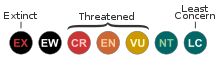
Growth: S = slow M = medium F = fast. Soil: L = light (sandy) M = medium H = heavy (clay). pH: A = acid N = neutral B = basic (alkaline). Shade: F = full shade S = semi-shade N = no shade. Moisture: D = dry M = Moist We = wet Wa = water.
Now available:
Food Forest Plants for Mediterranean Conditions
350+ Perennial Plants For Mediterranean and Drier Food Forests and Permaculture Gardens.
[Paperback and eBook]
This is the third in Plants For A Future's series of plant guides for food forests tailored to
specific climate zones. Following volumes on temperate and tropical ecosystems, this book focuses
on species suited to Mediterranean conditions—regions with hot, dry summers and cool, wet winters,
often facing the added challenge of climate change.
Read More
Expert comment
Author
L.
Botanical References
43200266
Links / References
For a list of references used on this page please go here
Readers comment