 |
|
http://flickr.com/photos/stuartwildlife/ |
 |
|
Translate this page:
Summary
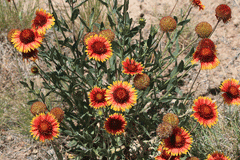
Red-dome blanketflower is a hardy wildflower of dry grasslands, deserts, and open landscapes of western North America. It is best known for its attractive yellow ray flowers surrounding a reddish-brown central disk. Unlike many better-known edible members of the sunflower family, its history as a food plant is limited. Some Indigenous groups used the seeds, but processing difficulties and limited documentation mean it is generally more valuable today as a native ornamental, pollinator plant, and ecological species than as a practical wild food. Red-dome blanketflower (Gaillardia pinnatifida) belongs to the sunflower family (Asteraceae) and the genus Gaillardia. Common names include red-dome blanketflower, Hopi blanketflower, and cutleaf blanketflower. It is a drought-tolerant perennial wildflower generally suited to USDA Zones 4–9. Plants typically grow about 10–40 cm tall with a similar spread, forming low clumps of divided leaves topped with colorful daisy-like flower heads.
Physical Characteristics

 Gaillardia is a PERENNIAL growing to 0.4 m (1ft 4in) by 0.4 m (1ft 4in) at a medium rate.
See above for USDA hardiness. It is hardy to UK zone 5. It is in flower from July to September. The species is hermaphrodite (has both male and female organs).
Suitable for: light (sandy), medium (loamy) and heavy (clay) soils. Suitable pH: mildly acid, neutral and basic (mildly alkaline) soils. It can grow in semi-shade (light woodland) or no shade. It prefers moist soil and can tolerate drought.
UK Hardiness Map
US Hardiness Map
Synonyms
Plant Habitats
Edible Uses
The seeds (contained within dry fruits called cypselae) have been recorded as edible and were traditionally used by the Havasupai people. They were collected, roasted, ground, and prepared into a seed-based food [2-3]. Because edible use is poorly documented and processing is difficult, red-dome blanketflower should be considered a minor food plant rather than a dependable staple. Edible Uses & Rating: The seeds are the only part with recorded food use. They require careful processing to separate the edible material from the surrounding bristly structures [2-3]. Edibility Rating: 1.5/5. The plant has historical culinary value, but its small seed size, difficult processing, and limited edible uses greatly reduce its usefulness [2-3]. Taste, Processing & Kitchen Notes: The seed heads are relatively easy to collect when mature, but preparing them is challenging. Like many plants in the sunflower family, the actual seeds are enclosed within dry cypselae. These are surrounded by stiff hairs, awns, and chaff, which make eating the entire material unpleasant [2-3]. Traditional preparation involved roasting and grinding, but removing enough irritating material for comfortable consumption requires skill. Without proper processing, the texture is likely to be much more problematic than the flavor [2-3]. Seasonality (Phenology): Red-dome blanketflower usually flowers during summer, with seed production following after flowering. Seeds are collected once the flower heads have dried and matured. Safety & Cautions (Food Use): Food use of this species is uncommon, and only limited traditional records exist. It should not be treated like more familiar edible sunflower relatives [2-3]. The sharp bristles and awned structures associated with the seed heads should not be consumed without processing, as they may irritate the mouth and throat. Harvest & Processing Workflow: Mature dried flower heads are gathered when the cypselae separate easily. The seed material requires cleaning, winnowing, and removal of sharp chaff before use. Roasting improves storage quality and makes grinding easier. Cultivar/Selection Notes. Red-dome blanketflower is mainly grown as a native ornamental rather than a food crop. Selection focuses on drought tolerance, flowering performance, and wildlife value. Look-Alikes & Confusion Risks: Several Gaillardia species are similar, including Indian blanketflower (Gaillardia pulchella) and other western blanketflowers. Flower color, leaf shape, growth habit, and fruit details help distinguish species. Correct identification is important because most related species have little or no history of edible use. Traditional/Indigenous Use Summary: The Havasupai people of the Grand Canyon region used the seeds of red-dome blanketflower as a food resource. The plant grows naturally in their traditional lands and was one of many native seed-producing plants gathered from dry landscapes [2-3]. The dried seeds can be ground into a powder then kneaded into seed butter and spread on bread[257].
References More on Edible Uses
Medicinal Uses
Plants For A Future can not take any responsibility for any adverse effects from the use of plants. Always seek advice from a professional before using a plant medicinally.
The plant is used as a diuretic, taken to give relief from painful urination[216, 257]. An infusion of the leaves is taken internally, and a poultice applied externally, in the treatment of gout[257].
References More on Medicinal Uses
The Bookshop: Edible Plant Books
Our Latest books on Perennial Plants For Food Forests and Permaculture Gardens in paperback or digital formats.
Edible Tropical Plants
Food Forest Plants for Hotter Conditions: 250+ Plants For Tropical Food Forests & Permaculture Gardens.
More
Edible Temperate Plants
Plants for Your Food Forest: 500 Plants for Temperate Food Forests & Permaculture Gardens.
More
More Books
PFAF have eight books available in paperback and digital formats. Browse the shop for more information.
Shop Now
Other Uses
This compact perennial produces showy flowers above low foliage and is well suited to xeriscaping, native wildflower gardens, rock gardens, and low-water landscapes. Ecology & Wildlife: The flowers support native pollinators, while seed heads may provide food for small wildlife. Its ability to grow in harsh, dry environments helps stabilize plant communities and adds seasonal color to arid landscapes.
Special Uses
References More on Other Uses
Cultivation details
Red-dome blanketflower is an attractive and resilient native wildflower with limited edible value. Its importance lies more in ecology, pollinator support, drought tolerance, and cultural history than in modern foraging. Although the seeds can be used, wild grains and seeds that are easier and more productive are generally available. Growing Conditions: Red-dome blanketflower thrives in dry, sunny locations with well-drained soils. It tolerates poor soils, drought, heat, and exposed conditions where many less-adapted plants struggle. Habitat & Range: Native to western and central North America, especially dry grasslands, desert margins, rocky slopes, open plains, and disturbed areas. It occurs from the Great Plains westward into states such as Utah and Arizona. Size & Landscape Performance: This compact perennial produces showy flowers above low foliage and is well suited to xeriscaping, native wildflower gardens, rock gardens, and low-water landscapes. Cultivation (Horticulture): Red-dome blanketflower is easy to grow in appropriate conditions. Excessive moisture and rich soils may reduce longevity. Plants generally perform best with full sun and minimal irrigation once established. Pests & Problems: Few serious pest issues occur. In overly wet conditions, root problems may develop. Like many short-lived perennials, individual plants may decline after several years but can regenerate from seed. Identification & Habit: A perennial herb growing from a taproot. Leaves are mostly basal, with blades that range from shallowly divided to deeply pinnately lobed. Flower heads occur singly on long stalks. The flower heads have yellow ray flowers surrounding a raised dome of dark red to brown-purple disk flowers. Fruits are hairy cypselae with several awn-tipped scales. Pollinators: Red-dome blanketflower is highly attractive to native bees, butterflies, and other insects. The open flower structure provides accessible nectar and pollen, making it valuable in pollinator gardens. Requires a position in full sun, succeeding in any moderately fertile, well-drained soil[200]. Performs well in poor soils and copes well with hot, dry conditions[200]. This species is not hardy in the colder areas of the country; it tolerates temperatures down to -5 to -10 °C [200]. Some winter protection, especially in areas experiencing heavy snows, is recommended. Covering the plants with brushwood should be enough [200]. Plants are so prolific and long-blooming that they often exhaust themselves and become short-lived [200]. Members of this genus are rarely, if ever, troubled by browsing deer[233]. Red-dome blanketflower (Gaillardia pinnatifida) belongs to the sunflower family (Asteraceae) and the genus Gaillardia. Common names include red-dome blanketflower, Hopi blanketflower, and cutleaf blanketflower. It is a drought-tolerant perennial wildflower generally suited to USDA Zones 4–9. Plants typically grow about 10–40 cm tall with a similar spread, forming low clumps of divided leaves topped with colorful daisy-like flower heads.
References Carbon Farming Information and Carbon Sequestration Information
Temperature Converter
Type a value in the Celsius field to convert the value to Fahrenheit:
Fahrenheit:
The PFAF Bookshop
Plants For A Future have a number of books available in paperback and digital form. Book titles include Edible Plants, Edible Perennials, Edible Trees,Edible Shrubs, Woodland Gardening, and Temperate Food Forest Plants. Our new book is Food Forest Plants For Hotter Conditions (Tropical and Sub-Tropical).
Shop Now
Plant Propagation
Seed - sow spring in a greenhouse. When they are large enough to handle, prick the seedlings out into individual pots and plant them out in the summer. Division, with care[200]. Root cuttings in the winter[200].
Other Names
If available other names are mentioned here
Red-dome blanketflower, Hopi blanketflower, and cutleaf blanketflower.
Native Range
NORTHERN AMERICA: United States (Oklahoma, Colorado, New Mexico, Texas, Arizona, Nevada, Utah), Mexico (Chihuahua, Coahuila de Zaragoza, Durango, Sonora)
Weed Potential
Right plant wrong place. We are currently updating this section.
Please note that a plant may be invasive in one area but may not in your area so it's worth checking.
Low. Red-dome blanketflower can reproduce naturally but is not considered an aggressive weed. It is generally a beneficial native species within its range.
Conservation Status
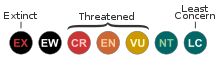
IUCN Red List of Threatened Plants Status : Not listed.
Growth: S = slow M = medium F = fast. Soil: L = light (sandy) M = medium H = heavy (clay). pH: A = acid N = neutral B = basic (alkaline). Shade: F = full shade S = semi-shade N = no shade. Moisture: D = dry M = Moist We = wet Wa = water.
Now available:
Food Forest Plants for Mediterranean Conditions
350+ Perennial Plants For Mediterranean and Drier Food Forests and Permaculture Gardens.
[Paperback and eBook]
This is the third in Plants For A Future's series of plant guides for food forests tailored to
specific climate zones. Following volumes on temperate and tropical ecosystems, this book focuses
on species suited to Mediterranean conditions—regions with hot, dry summers and cool, wet winters,
often facing the added challenge of climate change.
Read More
Expert comment
Author
Torr.
Botanical References
228
Links / References
For a list of references used on this page please go here
Readers comment
| Add a comment |
|
If you have important information about this plant that may help other users please add a comment or link below. Only comments or links that are felt to be directly relevant to a plant will be included. If you think a comment/link or information contained on this page is inaccurate or misleading we would welcome your feedback at [email protected]. If you have questions about a plant please use the Forum on this website as we do not have the resources to answer questions ourselves.
* Please note: the comments by website users are not necessarily those held by PFAF and may give misleading or inaccurate information.
|
|