Translate this page:
Summary
Jungle rice is one of the more useful weedy grasses from a food perspective because its grains are genuinely edible and have a long history of use and cultivation in parts of the world. In the American Southwest it is not usually a broad, landscape-dominating wild grain of dry country, but instead a plant of wetter disturbed places such as ditches, washes, irrigation canals, and other seasonally or artificially moist habitats. That means its practical value is highly habitat-dependent. Where it is abundant, it can provide a worthwhile small grain; where it is scarce, patchy, or confined to questionable water sources, its food value drops sharply. Like other barnyard grasses, it is best understood as a small-seeded cereal of opportunity rather than a gourmet grain.
Physical Characteristics

 Echinochloa is a ANNUAL growing to 1 m (3ft 3in) by 0.5 m (1ft 8in) at a fast rate.
See above for USDA hardiness. It is hardy to UK zone 8. It is in flower from July to September, and the seeds ripen from August to October. The species is hermaphrodite (has both male and female organs) and is pollinated by Wind.
It is noted for attracting wildlife.
Suitable for: light (sandy), medium (loamy) and heavy (clay) soils. Suitable pH: mildly acid, neutral and basic (mildly alkaline) soils. It cannot grow in the shade. It prefers moist or wet soil.
UK Hardiness Map
US Hardiness Map
Synonyms
E. crus-galli subsp. colona (L.) Honda. Milium colonum (L.) Moench. Oplismenus colonus (L.) Kunth. Oplismenus crus-galli var. colonus (L.) Coss. & Durieu. Panicum colonum L. Panicum crus-galli subsp. colonum (L.) K.Richt. Panicum crus-galli var. minus Thwaites
Plant Habitats
Edible Uses
The grains are edible and are the principal food part. Young shoots are also edible, though they are secondary in importance compared with the seed. As a food plant, jungle rice is mainly valuable as a wild or semi-wild grain rather than a leafy vegetable [2-3]. Edible Uses & Rating: Jungle rice is a moderate-to-good wild grain that grows abundantly in clean habitats. The seeds are small, so this is not a “grab a handful and eat” plant in the way that larger grains or nuts can be. Its value comes from quantity, ease of threshing once mature, and its broad edibility. The shoots provide a secondary use, but the grain remains the main reason to identify the species [2-3]. Taste, Processing & Kitchen Notes: As with other small millet-like grasses, the grains are best treated as a starchy cereal seed. Once dried, threshed, and cleaned, they can be toasted lightly, boiled into porridge, or ground into flour. Toasting generally improves the aroma and gives a nuttier, grain-like flavor. Whole-seed cooking works best when the grains are fully mature and well cleaned, though grinding or cracking them can shorten cooking time and improve digestibility. Shoots, if used, are best gathered young before they become fibrous, then boiled or steamed like other grass shoots. In practical use, the grain is much more significant than the shoots [2-3]. Seasonality (Phenology): Jungle rice typically flowers from about July to September in the Southwest, with grain maturing from roughly August to November. In hotter or longer-season climates, this timing can shift somewhat, especially where irrigation extends the active growth period. Because it is a warm-season annual, it is most useful from late summer into autumn [2-3]. Safety & Cautions (Food Use): The biggest caution with jungle rice is habitat contamination. Because it often grows in ditches, canals, and washes, it may be exposed to agricultural runoff, sewage influence, herbicides, heavy metals, or other pollutants. That matters more here than the plant's inherent toxicity. Only gather from clean-looking, trustworthy sites. In addition, wet habitats can harbor pathogens, so harvested shoots should be cooked and grains cleaned and dried thoroughly before storage. The species can also be confused with other barnyard grasses, though these are similarly edible as grains and the confusion is usually of practical rather than toxicological concern [2-3]. Harvest & Processing Workflow: Allow the seed heads to mature fully until the grains are firm and the heads are dry. Cut or strip the mature seed heads into a bag or basket, dry further if necessary, then thresh by rubbing or beating. Winnow carefully to remove chaff. The cleaned grains can then be stored dry, toasted, cooked whole as porridge, or ground into flour. For shoots, gather tender young growth, trim away coarse tissues, rinse thoroughly, and cook promptly [2-3]. Cultivar/Selection Notes: Although domesticated or semi-domesticated forms have existed in parts of the world, jungle rice is usually encountered as a wild or weedy grain in North America. There are no common food cultivars in ordinary Western use. If selecting wild stands for harvest, the best candidates are dense, clean populations with heavy seed set and uniform maturity [2-3]. Look-Alikes & Confusion Risks: Jungle rice resembles other Echinochloa species, especially common barnyard grass and rough barnyard grass. Species-level identification within the genus can be tricky, but for a grain gatherer, this is not usually a major food-safety issue because the common North American Echinochloa species are all usable as grains. The more important distinction is between clean, mature seed-bearing stands and poor, contaminated, or immature ones [2-3]. Traditional/Indigenous Use Summary: Barnyard grasses have a long history as grain plants in several parts of the world, and jungle rice belongs to that broader cereal tradition. In North America, it became part of the range of useful grasses once available to Indigenous peoples in suitable habitats, though it is more often thought of today as a weed than a food [2-3]. Seed - cooked[105, 171, 272]. Used as a millet[183]. The seed can be cooked whole or ground into a flour and used as a mush or porridge[257]. Young plants and shoots - raw or cooked[105, 144]. Eaten raw with rice[183].
References More on Edible Uses
| Composition
|
| Figures in grams (g) or miligrams (mg) per 100g of food.
|
|
|
Leaves (Dry weight)
|
|
- 0 Calories per 100g
- Water : 0%
- Protein: 7.4g; Fat: 2.9g; Carbohydrate: 81.1g; Fibre: 31.3g; Ash: 8.6g;
- Minerals - Calcium: 0mg; Phosphorus: 0mg; Iron: 0mg; Magnesium: 0mg; Sodium: 0mg; Potassium: 0mg; Zinc: 0mg;
- Vitamins - A: 0mg; Thiamine (B1): 0mg; Riboflavin (B2): 0mg; Niacin: 0mg; B6: 0mg; C: 0mg;
- Reference: [ 218]
- Notes:
|
|
Medicinal Uses
Plants For A Future can not take any responsibility for any adverse effects from the use of plants. Always seek advice from a professional before using a plant medicinally.
Echinochloa colona (Jungle rice) has recognized medicinal uses and therapeutic properties, particularly in traditional practices, for treating indigestion, nausea, and spleen issues. Its high-fiber content helps manage diabetes and cardiovascular disorders, while exhibiting antimicrobial and antioxidant effects. Key Medicinal & Health Uses: Traditional Medicine: The plant is used to treat spleen-related problems, hemorrhages, and nausea and constipation. Wound Healing: It exhibits antioxidant and anti-inflammatory properties, with some studies suggesting leaf paste acts as a mild antimicrobial for skin issues. Metabolic Health: Due to its high fiber and low glycemic index, it is used as a therapeutic food for managing constipation, cardiovascular conditions, and diabetes. Antiemetic Effects: The plant's tuber is sometimes used as a sedative to treat vomiting, particularly during pregnancy.
References More on Medicinal Uses
The Bookshop: Edible Plant Books
Our Latest books on Perennial Plants For Food Forests and Permaculture Gardens in paperback or digital formats.
Edible Tropical Plants
Food Forest Plants for Hotter Conditions: 250+ Plants For Tropical Food Forests & Permaculture Gardens.
More
Edible Temperate Plants
Plants for Your Food Forest: 500 Plants for Temperate Food Forests & Permaculture Gardens.
More
More Books
PFAF have eight books available in paperback and digital formats. Browse the shop for more information.
Shop Now
Other Uses
Its seeds can feed birds and small mammals, and its stands can provide cover in wet disturbed places. Ecologically, it is most important as a fast colonizer of open, moist ground rather than as a dominant native structural species. Jungle rice is a utilitarian rather than ornamental grass. In productive wet ground it can form lush green stands and produce abundant seed heads, but it is usually regarded as a weed rather than a landscape asset.
Special Uses
References More on Other Uses
Cultivation details
Jungle rice is a useful small wild grain in wet or irrigated warm-country habitats. It is not as universally available as common barnyard grass, but where it forms good stands it can provide a meaningful cereal harvest. Its value depends on abundance, cleanliness of habitat, and willingness to process small seeds. Growing Conditions: This species prefers warm weather, open sun, and moist to wet soils. It does especially well in disturbed, irrigated, or seasonally wet ground and is far less likely to thrive in dry uplands without consistent water. Habitat & Range: In the Southwest it is most often associated with ditches, irrigation canals, washes, and other suitable wet or moist disturbed habitats. More broadly it is a tropical to subtropical species that has spread widely beyond its original range. Size & Landscape Performance: Jungle rice is a utilitarian rather than ornamental grass. In productive wet ground, it can form lush green stands and produce abundant seed heads, but it is usually regarded as a weed rather than a landscape asset. Cultivation (Horticulture): It is rarely grown intentionally in home landscapes unless someone is experimenting with small grains or wetland annual grasses. If cultivated, it would need sun, heat, and steady moisture to perform well. Pests & Problems: Its main “problem” is weediness. In agricultural or irrigated settings it can become competitive with crops. Lodging, uneven maturity, and contamination by mud or standing water are practical issues for harvesters. Identification & Habit: Jungle rice is a warm-season annual grass with upright to somewhat spreading stems, linear leaves, and seed heads composed of clustered spikelets along short branches. Like other barnyard grasses, it lacks the polished, lawn-grass look and instead has a more robust, coarse, agricultural-weed character. Pollinators: Like most grasses, jungle rice is wind-pollinated and does not depend on showy insect-attracting flowers. Jungle rice, now best referred to as Echinochloa colona, belongs to the grass family (Poaceae) and the genus Echinochloa. Common names include jungle rice and sawa millet. It is a warm-season annual grass of tropical to subtropical origin, most at home in USDA Zones 8–11, though it can appear as a summer annual in warmer parts of lower zones where the growing season is long enough. Plants typically reach about 20–100 cm tall, sometimes more in rich wet ground, and can spread 20–60 cm across depending on density and moisture.
References Carbon Farming Information and Carbon Sequestration Information
Temperature Converter
Type a value in the Celsius field to convert the value to Fahrenheit:
Fahrenheit:
The PFAF Bookshop
Plants For A Future have a number of books available in paperback and digital form. Book titles include Edible Plants, Edible Perennials, Edible Trees,Edible Shrubs, Woodland Gardening, and Temperate Food Forest Plants. Our new book is Food Forest Plants For Hotter Conditions (Tropical and Sub-Tropical).
Shop Now
Plant Propagation
Propagation is by seed. It germinates readily in warm, moist soils and can establish quickly in disturbed places.
Other Names
If available other names are mentioned here
Marsh Grass. Blé du Dekkan
Native Range
Afghanistan, Algeria, Angola, Assam, Bangladesh, Benin, Borneo, Botswana, Burkina, Burundi, Cambodia, Cameroon, Canary Is., Cape Provinces, Cape Verde, Central African Republic, Chad, China North-Central, China South-Central, China Southeast, Comoros, Congo, Cyprus, Djibouti, DR Congo, East Aegean Is., East Himalaya, Egypt, Eritrea, Eswatini, Ethiopia, Free State, Gabon, Gambia, Ghana, Guinea, Guinea-Bissau, Gulf of Guinea Is., Gulf States, Hainan, India, Iran, Iraq, Ivory Coast, Jawa, Kenya, Kuwait, KwaZulu-Natal, Laos, Lebanon-Syria, Lesotho, Lesser Sunda Is., Libya, Madagascar, Madeira, Malawi, Malaya, Mali, Maluku, Mauritania, Morocco, Mozambique, Myanmar, Namibia, Nansei-shoto, Nepal, New Guinea, Niger, Nigeria, Northern Provinces, Ogasawara-shoto, Oman, Pakistan, Palestine, Philippines, Rwanda, Saudi Arabia, Senegal, Seychelles, Sierra Leone, Sinai, Socotra, Somalia, South China Sea, Sri Lanka, Sudan-South Sudan, Sulawesi, Sumatera, Tadzhikistan, Taiwan, Tanzania, Thailand, Tibet, Togo, Tunisia, Uganda, Vietnam, West Himalaya, Western Sahara, Xinjiang, Yemen, Zambia, Zimbabwe.
Weed Potential
Right plant wrong place. We are currently updating this section.
Please note that a plant may be invasive in one area but may not
in your area so it's worth checking.
Jungle rice has moderate to high weed potential in warm irrigated or wet agricultural landscapes. In dry country away from water it is usually much less persistent.
Conservation Status
IUCN Red List of Threatened Plants Status : Least Concern.
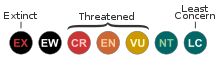
IUCN Red List
Growth: S = slow M = medium F = fast. Soil: L = light (sandy) M = medium H = heavy (clay). pH: A = acid N = neutral B = basic (alkaline). Shade: F = full shade S = semi-shade N = no shade. Moisture: D = dry M = Moist We = wet Wa = water.
Now available:
Food Forest Plants for Mediterranean Conditions
350+ Perennial Plants For Mediterranean and Drier Food Forests and Permaculture Gardens.
[Paperback and eBook]
This is the third in Plants For A Future's series of plant guides for food forests tailored to
specific climate zones. Following volumes on temperate and tropical ecosystems, this book focuses
on species suited to Mediterranean conditions—regions with hot, dry summers and cool, wet winters,
often facing the added challenge of climate change.
Read More
Expert comment
Author
(L.)Link.
Botanical References
4350236
Links / References
For a list of references used on this page please go here
Readers comment
| Add a comment |
|
If you have important information about this plant that may help other users please add a comment or link below. Only comments or links that are felt to be directly relevant to a plant will be included. If you think a comment/link or information contained on this page is inaccurate or misleading we would welcome your feedback at [email protected]. If you have questions about a plant please use the Forum on this website as we do not have the resources to answer questions ourselves.
* Please note: the comments by website users are not necessarily those held by PFAF and may give misleading or inaccurate information.
|
|