Translate this page:
Summary
Prairie dogweed is a small, aromatic annual of dry plains and desert margins, easily recognized by its finely divided foliage and strong scent. While not widely regarded as a major food plant, it has limited but noteworthy uses, including edible seeds, greens, and herbal tea. Its strong resinous chemistry defines both its identity and its limited culinary appeal. In ecological terms, it is a resilient pioneer species of disturbed soils and arid landscapes.
Physical Characteristics

 Dyssodia papposa is a ANNUAL growing to 0.3 m (1ft) by 0.3 m (1ft in) at a fast rate.
See above for USDA hardiness. It is hardy to UK zone 6. The flowers are pollinated by Bees, Insects.
It is noted for attracting wildlife.
Suitable for: light (sandy) and medium (loamy) soils, prefers well-drained soil and can grow in nutritionally poor soil. Suitable pH: mildly acid, neutral and basic (mildly alkaline) soils. It cannot grow in the shade. It prefers dry or moist soil and can tolerate drought.
UK Hardiness Map
US Hardiness Map
Synonyms
Boebera chrysanthemoides Willd. Boebera glandulosa Pers. Boebera papposa (Vent.) Rydb. D. chrysanthemoides Lag. D. glandulosa Cav. Tagetes papposa Vent.
Plant Habitats
Edible Uses
Prairie dogweed is technically edible, but only marginally useful as a food source. Seeds can be processed into flour, and the tops can be cooked as greens or used as a tea herb. However, strong flavors and limited ethnobotanical use suggest it was never an important staple [2-3]. Edible Uses & Rating: The seeds can be ground into flour and incorporated into simple foods such as flatbreads or porridges. The leafy tops can be cooked as greens, and the aerial parts can be steeped into tea. Overall, this species ranks as a low to moderate-value wild food, more of a supplementary or emergency plant than a desirable staple [2-3]. Taste, Processing & Kitchen Notes; Prairie dogweed is strongly aromatic due to resin glands distributed across the plant. This gives it a pungent, often unpleasant odor and flavor that carries over into both greens and tea. Cooking the leaves helps soften the flavor somewhat, but resinous and bitter notes remain. The tea is herbal and robust, though not universally appealing. Seeds are milder and more practical, especially when ground and mixed with other ingredients. As with many strongly flavored plants, blending with milder foods improves palatability [2-3]. Seasonality (Phenology): This is a summer-to-autumn species, typically blooming from July through October. Seeds mature progressively after flowering and can be harvested over several weeks. The leafy tops are best gathered when young and tender, before flowering [2-3]. Safety & Cautions (Food Use). No major toxicity concerns are widely reported, but the strong resin content suggests moderation is advisable. The intense flavor may indicate compounds that can cause digestive discomfort at high levels. As with many aromatic plants, individual sensitivity may vary [2-3]. Harvest & Processing Workflow. Young tops can be harvested by cutting or pinching tender growth, then washed and cooked as greens or steeped for tea. Seeds are collected once the flower heads dry, typically by hand-stripping or by shaking them into a container. Chaff can be removed by winnowing. Seeds may be used whole or ground into flour for incorporation into simple dishes [2-3]. Cultivar/Selection Notes. There are no cultivated varieties. This species is not domesticated and is generally considered a wild or weedy plant. Look-Alikes & Confusion Risks. Prairie dogweed can resemble other aromatic members of the sunflower family, including species in related genera such as Tagetes, Pectis, and Thymophylla. These plants often share finely divided leaves and glandular surfaces. Identification is aided by the distinctive arrangement of phyllaries and the presence of resin glands. While most look-alikes are not highly toxic, correct identification is still important [2-3]. Traditional/Indigenous Use Summary. Use as a food plant appears limited. Some Apache groups reportedly used it as a food, but references are sparse. On the Great Plains, it was more commonly used medicinally rather than as a staple food, suggesting its role was secondary and situational [2-3].
References More on Edible Uses
Medicinal Uses
Plants For A Future can not take any responsibility for any adverse effects from the use of plants. Always seek advice from a professional before using a plant medicinally.
Dyssodia papposa (commonly known as fetid marigold, dogweed, or prairie dogweed) has a history of medicinal use in Native American and Mexican folk medicine, particularly for treating digestive issues, respiratory problems, and aches. It is known to contain aromatic oils, including camphene, which have historically been used for therapeutic purposes. Traditional Medical Uses: Gastrointestinal Aid: In northern Mexico, a decoction (boiled infusion) of the branches and flowers is used to treat stomach aches, constipation, and diarrhea. Respiratory Relief: The plant is used as a remedy for coughs, breathing difficulties, and to treat bloody sputum, often by inhaling the aroma or using a decoction. Headaches: The plant is known for its strong scent; it was historically crushed and inhaled to alleviate headaches and migraines. Fever and Pain: Some indigenous groups, such as the Keres, have used an infusion of the plant as a febrifuge (to reduce fever) and as a rub. Dermatological/Wound Care: It has been used to treat red ant bites and as an antiseptic. Veterinary Use: The Dakota people used a decoction of the plant to treat horses with coughs. Pharmacological Research: Recent studies have supported some traditional uses: Gut Health: Extracts from the plant have shown a calming effect on the gut, with the ability to limit contractions, which supports its use for indigestion. Antibacterial/Antifungal: Research indicates that the plant can inhibit the growth of bacterial pathogens and is active against certain fungi, such as Trichophyton mentagrophytes. Cytotoxic Activity: Studies on chloroformic extracts have shown activity against some cancer cell lines, including colon, breast, and lung cancer cells.
References More on Medicinal Uses
The Bookshop: Edible Plant Books
Our Latest books on Perennial Plants For Food Forests and Permaculture Gardens in paperback or digital formats.
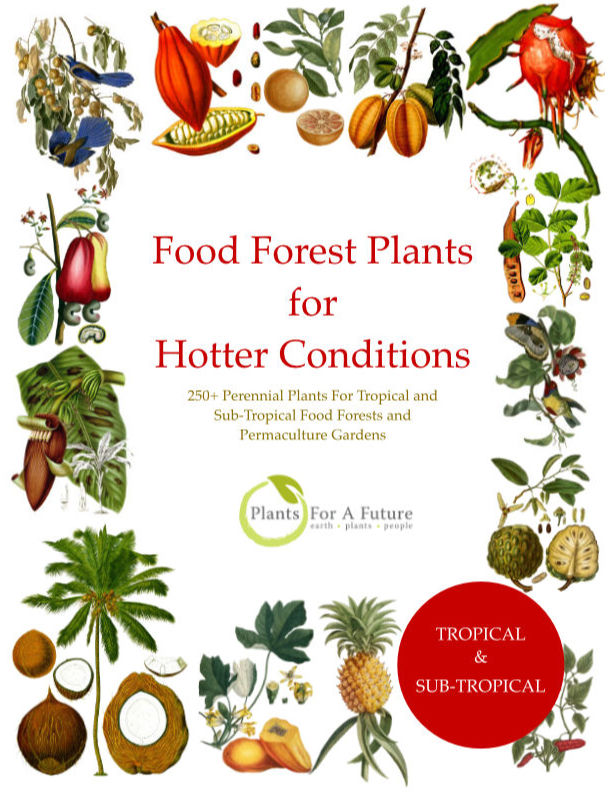
Edible Tropical Plants
Food Forest Plants for Hotter Conditions: 250+ Plants For Tropical Food Forests & Permaculture Gardens.
More
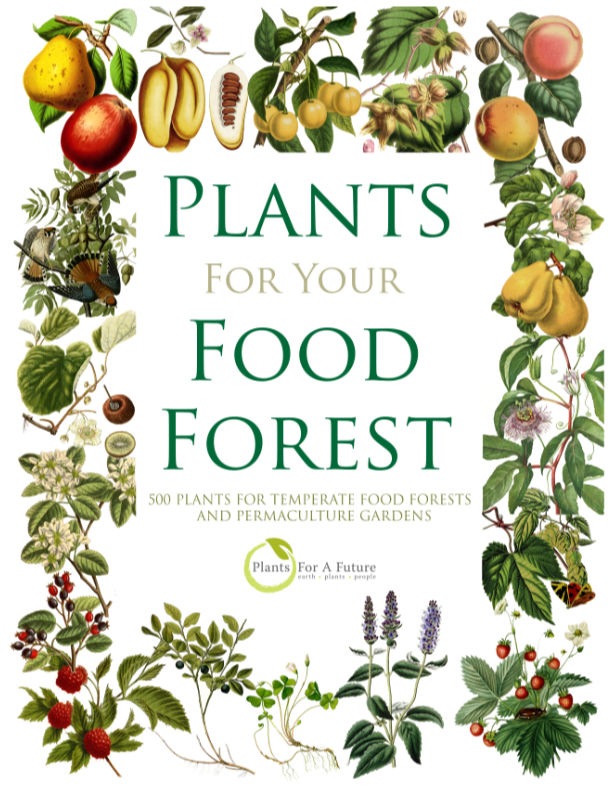
Edible Temperate Plants
Plants for Your Food Forest: 500 Plants for Temperate Food Forests & Permaculture Gardens.
More
More Books
PFAF have eight books available in paperback and digital formats. Browse the shop for more information.
Shop Now
Other Uses
Veterinary Use: The Dakota people used a decoction of the plant to treat horses with coughs. The Tarahumara of Mexico have used the plant as a fish poison in trapped pools, and in some areas, the plant has been used for its aromatic qualities as an, insecticidal agent. In landscape terms, it is not typically cultivated, but it can contribute to wildflower diversity in arid gardens. This plant contributes to late-season floral resources for pollinators in arid and semi-arid ecosystems. Its seeds may be consumed by small animals, and its presence indicates disturbed or early-successional habitats.
Special Uses
References More on Other Uses
Cultivation details
Prairie dogweed is a hardy, aromatic annual with limited but interesting uses. It offers edible seeds and greens, but its strong flavor and modest yield restrict its value as a food plant. It is better regarded as a supplementary resource or herbal plant rather than a primary food source. Growing Conditions: This species thrives in full sun and well-drained soils, especially sandy or disturbed ground. It tolerates drought well and is adapted to hot, dry climates. Habitat & Range: Prairie dogweed is native to the southern Great Plains and extends into the eastern portions of the Southwest, particularly in Arizona and New Mexico. It is commonly found in disturbed soils, on roadsides, in fields, and along open desert margins. Size & Landscape Performance: A small, low-growing annual, it forms scattered or patchy populations rather than dense stands. In landscape terms, it is not typically cultivated, but it can contribute to wildflower diversity in arid gardens. Cultivation (Horticulture): Rarely cultivated intentionally. It can be grown from seed in dry, sunny locations, but is generally considered a weed rather than a garden plant. Pests & Problems: This species is generally resilient and not prone to major pest or disease issues. Its strong chemical defenses likely deter herbivory. Identification & Habit: An odorous annual herb with finely divided, pinnatisect leaves and numerous small yellow flower heads. The plant is dotted with visible resin glands and has a distinctive scent. Flower heads are radiate, with both ray and disk florets, and are borne at the ends of branching stems. Pollinators: The bright yellow flowers attract a range of pollinators, including bees, flies, and small butterflies. Its extended flowering period provides a consistent nectar source in late-season landscapes. Prairie dogweed, now best referred to as Dyssodia papposa, belongs to the sunflower family (Asteraceae) and the genus Dyssodia. It is commonly known as fetid marigold or prairie dogweed. This is an annual herb suited to USDA Zones 5–10, typically growing 4–35 cm tall with a spread of 10–30 cm depending on conditions and plant density.
References Carbon Farming Information and Carbon Sequestration Information
Temperature Converter
Type a value in the Celsius field to convert the value to Fahrenheit:
Fahrenheit:
The PFAF Bookshop
Plants For A Future have a number of books available in paperback and digital form. Book titles include Edible Plants, Edible Perennials, Edible Trees,Edible Shrubs, Woodland Gardening, and Temperate Food Forest Plants. Our new book is Food Forest Plants For Hotter Conditions (Tropical and Sub-Tropical).
Shop Now
Plant Propagation
Propagation is by seed. Seeds germinate readily in disturbed soils, especially after rainfall.
Other Names
If available other names are mentioned here
Fetid marigold, Prairie dogweed, Dogweed.
Native Range
US. USA. Argentina Northwest, Arizona, Arkansas, Bolivia, California, Colorado, Guatemala, Illinois, Indiana, Iowa, Kansas, Kentucky, Louisiana, Maine, Massachusetts, Mexico Central, Mexico Gulf, Mexico Northeast, Mexico Northwest, Mexico Southeast, Mexico Southwest, Michigan, Minnesota, Missouri, Montana, Nebraska, Nevada, New Hampshire, New Mexico, New York, North Dakota, Ohio, Oklahoma, Ontario, Pennsylvania, South Dakota, Tennessee, Texas, Utah, Vermont, West Virginia, Wisconsin, Wyoming
Weed Potential
Right plant wrong place. We are currently updating this section.
Please note that a plant may be invasive in one area but may not in your area so it's worth checking.
Prairie dogweed has moderate weed potential in disturbed or agricultural areas. It can establish quickly but is generally not aggressive or difficult to control.
Conservation Status
IUCN Red List of Threatened Plants Status : Not listed.
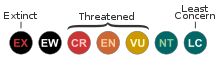
Growth: S = slow M = medium F = fast. Soil: L = light (sandy) M = medium H = heavy (clay). pH: A = acid N = neutral B = basic (alkaline). Shade: F = full shade S = semi-shade N = no shade. Moisture: D = dry M = Moist We = wet Wa = water.
Now available:
Food Forest Plants for Mediterranean Conditions
350+ Perennial Plants For Mediterranean and Drier Food Forests and Permaculture Gardens.
[Paperback and eBook]
This is the third in Plants For A Future's series of plant guides for food forests tailored to
specific climate zones. Following volumes on temperate and tropical ecosystems, this book focuses
on species suited to Mediterranean conditions—regions with hot, dry summers and cool, wet winters,
often facing the added challenge of climate change.
Read More
Expert comment
Author
(Vent.) Hitchc.
Botanical References
Links / References
For a list of references used on this page please go here
Readers comment
| Add a comment |
|
If you have important information about this plant that may help other users please add a comment or link below. Only comments or links that are felt to be directly relevant to a plant will be included. If you think a comment/link or information contained on this page is inaccurate or misleading we would welcome your feedback at [email protected]. If you have questions about a plant please use the Forum on this website as we do not have the resources to answer questions ourselves.
* Please note: the comments by website users are not necessarily those held by PFAF and may give misleading or inaccurate information.
|
Subject : Dyssodia papposa
|
|
|
|