 |
|
http://flickr.com/photos/12589168%40N00 |
 |
| http://flickr.com/photos/wwagtail/ |
Translate this page:
Summary
Physical Characteristics

 Drymaria cordata is a ANNUAL/PERENNIAL growing to 0.6 m (2ft). It is in flower from July to August. The species is hermaphrodite (has both male and female organs).
Suitable for: light (sandy), medium (loamy) and heavy (clay) soils. Suitable pH: mildly acid, neutral and basic (mildly alkaline) soils. It cannot grow in the shade. It prefers moist soil.
UK Hardiness Map
US Hardiness Map
Synonyms
Plant Habitats
Cultivated Beds;
Edible Uses
Edible Parts: Leaves Shoots
Edible Uses:
Tender young leaves and shoots - raw or cooked as a vegetable[272]. The leaves are used as a salad for their cooling properties[240]. Another report says that the herb is eaten raw or cooked as a stimulant[218].
References More on Edible Uses
Medicinal Uses
Plants For A Future can not take any responsibility for any adverse effects from the use of plants. Always seek advice from a professional before using a plant medicinally.
Antidote Appetizer Depurative Emollient Febrifuge Laxative Stimulant
The pounded leaf is applied to snake bites in China[218]. The plant is appetizer, depurative, emollient, febrifuge, laxative and stimulant[218, 240, 272]. The juice of the plant is used[240].
References More on Medicinal Uses
Other Uses
References More on Other Uses
Cultivation details
Prefers a rather rich soil in full sun[1, 175]. We have very little information on this species and have some doubts about how hardy it is in this country. We assume that it is a perennial plant that can be grown in Britain as a frost-tender annual.
References Carbon Farming Information and Carbon Sequestration Information
Temperature Converter
Type a value in the Celsius field to convert the value to Fahrenheit:
Fahrenheit:
Plant Propagation
Seed - sow in situ in the spring. Germination usually takes place within 1 - 4 weeks at 20°c[175].
Other Names
If available other names are mentioned here
Native Range
NORTHERN AMERICA: Mexico SOUTHERN AMERICA: Belize, Costa Rica, Guatemala, Honduras, Panama, El Salvador, Brazil, Bolivia, Colombia, Ecuador (Galápagos), Peru, Argentina (Córdoba, Catamarca, Jujuy, La Rioja, Misiones, Salta, Santiago del Estero, Tucumán), Chile, Paraguay (Central, Guairá, Paraguarí), Uruguay
Weed Potential
Right plant wrong place. We are currently updating this section.
Please note that a plant may be invasive in one area but may not
in your area so it's worth checking.
Conservation Status
IUCN Red List of Threatened Plants Status :
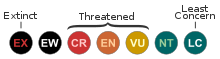
IUCN Red List
Growth: S = slow M = medium F = fast. Soil: L = light (sandy) M = medium H = heavy (clay). pH: A = acid N = neutral B = basic (alkaline). Shade: F = full shade S = semi-shade N = no shade. Moisture: D = dry M = Moist We = wet Wa = water.
Support Plants For A Future
Plants For A Future relies on regular donations to keep our free database and search facilities going, to pay for ongoing research, improvements and enhancements, and to develop and publish new books.
Read more
Choose Currency
Donate in £ GBP
Donate in $ USD
Donate in € EUR
Securely pay via PayPal or Credit/Debit Card without an account.
Expert comment
Author
(L.)Willd. ex Schult.
Botanical References
58
Links / References
For a list of references used on this page please go here
Readers comment
© 2010, Plants For A Future. Plants For A Future is a charitable company limited by guarantee, registered in England and Wales. Charity No. 1057719, Company No. 3204567.