Translate this page:
Summary
River hawthorn is a thorny, small tree of cool mountain canyons whose sweet, grape-like fruits once served as valuable seasonal foods wherever the species occurred. Although hawthorns are far more common in eastern North America, this species represents one of the few native southwestern members of the genus. When fruiting heavily, it can provide a surprisingly pleasant wild harvest, though the dominance of large seeds limits overall food yield.
Physical Characteristics

 Crataegus rivularis is a deciduous Tree growing to 4 m (13ft) by 4 m (13ft).
See above for USDA hardiness. It is hardy to UK zone 5 and is not frost tender. It is in flower in May, and the seeds ripen in October. The species is hermaphrodite (has both male and female organs) and is pollinated by Midges.
Suitable for: light (sandy), medium (loamy) and heavy (clay) soils and can grow in heavy clay soil. Suitable pH: mildly acid, neutral and basic (mildly alkaline) soils and can grow in very alkaline soils.
It can grow in semi-shade (light woodland) or no shade. It prefers moist or wet soil and can tolerate drought. The plant can tolerates strong winds but not maritime exposure.
It can tolerate atmospheric pollution.
UK Hardiness Map
US Hardiness Map
Synonyms
Crataegus douglasii var. rivularis (Nutt.) Sarg. in Gard. & Forest 2: 401 (1889) Mespilus rivularis (Nutt.) K.Koch
Plant Habitats
Woodland Garden Sunny Edge;
Edible Uses
Edible Parts: Fruit
Edible Uses:
A worthwhile seasonal fruit where locally abundant, best eaten fresh. Seed dominance limits processing potential but does not diminish the enjoyment of ripe berries. River hawthorn is best viewed as a supplemental wild fruit rather than a staple resource [2-3]. Edible Uses & Rating: The fruits, flowers, and leaf buds of most hawthorns are edible, but the fruits are by far the most valuable portion. River hawthorn earns a moderate-to-good wild food rating when locally abundant, primarily for fresh eating. However, the proportion of seed to flesh is high, which reduces caloric return compared to other fruiting shrubs [2-3]. Taste, Processing & Kitchen Notes: Fully ripe fruits are notably sweet — often compared to the sweetest grapes but lacking acidity. The flavor is gentle and approachable, making them suitable for trailside consumption. The main limitation is structural rather than culinary: the flesh is paste-like and tightly fused to the seeds. Straining fresh or cooked fruit is frustrating because skins clog screens while seeds resist separation. Boiling softens the flesh but does not meaningfully solve the seed problem [2-3]. In practical terms, the best method is simply: Eat fresh - spit out seeds. Wrinkled fruits past maturity remain edible but decline in texture [2-3]. Seasonality (Phenology): Flowering occurs May through July, followed by fruit ripening midsummer to early autumn, depending on elevation and local climate. Fruit color progression is diagnostic: green - red - dark purple - wrinkled. Safety & Cautions (Food Use): Seeds are hard and should not be chewed aggressively, as this increases the risk of dental damage. As with other pomes, seeds contain compounds typical of the rose family and should not be consumed in quantity. Otherwise, the flesh is considered safe when ripe [2-3]. Harvest & Processing Workflow: Harvest fruits when fully dark purple and slightly soft. Avoid underripe fruits, which lack sweetness. The simplest workflow is: Harvest - eat fresh - discard seeds. Attempts at large-scale processing are generally inefficient due to the seed-to-flesh ratio [2-3]. Traditional / Indigenous Use Summary: While hawthorns were important foods in many parts of North America, southwestern populations were limited. Where available, fruits likely served as seasonal fresh foods rather than staples. The broader genus has a long ethnobotanical history, suggesting that this species would have been welcomed upon its discovery. Cultivar/Selection Notes: No named cultivars are recognized. Some varieties differ primarily in leaf shape, but those do not occur within the Southwest. Look-Alikes & Confusion Risks: Hawthorns are easy to recognize as a group but notoriously difficult to distinguish at the species level. Key diagnostic traits include: Long thorns, Double-serrated leaves, Sweet pomes with inferior ovaries, Few southwestern shrubs combine all these features. Fruit - raw or cooked[212]. The flesh is thin, dry and mealy[227]. The fruit can also be dried for later use or for making into pemmican[212]. The fruit is high in sugar but low in fats and protein[212]. The fruit is about 10mm in diameter[200]. There are up to five fairly large seeds in the centre of the fruit, these often stick together and so the effect is of eating a cherry-like fruit with a single seed[K].
References More on Edible Uses
Medicinal Uses
Plants For A Future can not take any responsibility for any adverse effects from the use of plants. Always seek advice from a professional before using a plant medicinally.
Cardiotonic Hypotensive
Although no specific mention has been seen for this species, the fruits and flowers of many hawthorns are well-known in herbal folk medicine as a heart tonic and modern research has borne out this use. The fruits and flowers have a hypotensive effect as well as acting as a direct and mild heart tonic[222]. They are especially indicated in the treatment of weak heart combined with high blood pressure[222]. Prolonged use is necessary for it to be efficacious[222]. It is normally used either as a tea or a tincture[222].
References More on Medicinal Uses
The Bookshop: Edible Plant Books
Our Latest books on Perennial Plants For Food Forests and Permaculture Gardens in paperback or digital formats.
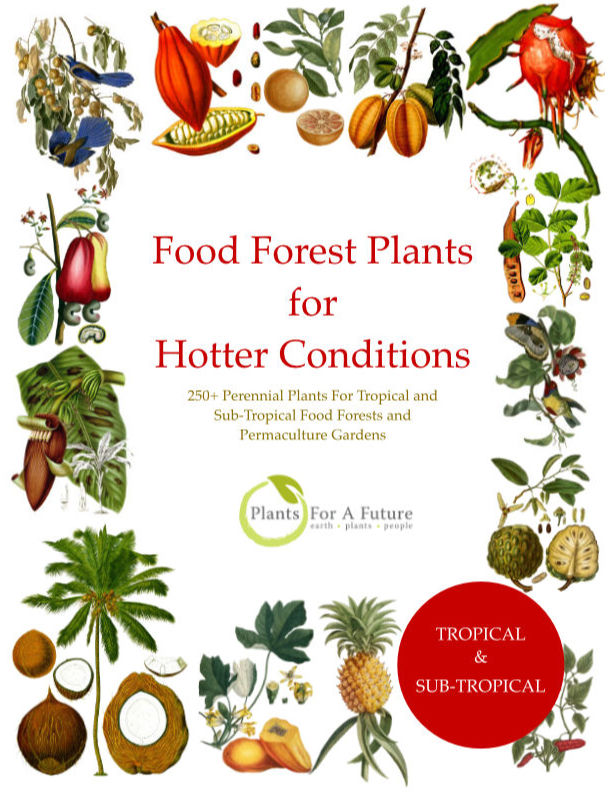
Edible Tropical Plants
Food Forest Plants for Hotter Conditions: 250+ Plants For Tropical Food Forests & Permaculture Gardens.
More
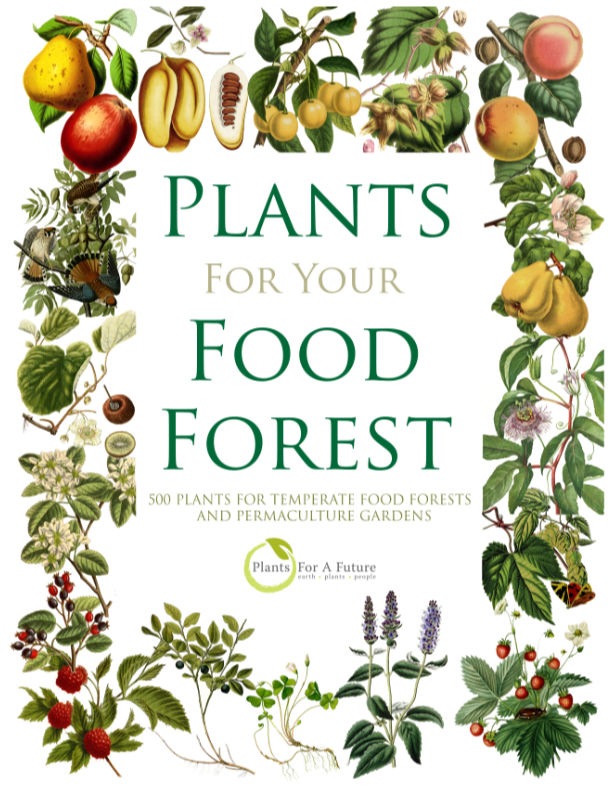
Edible Temperate Plants
Plants for Your Food Forest: 500 Plants for Temperate Food Forests & Permaculture Gardens.
More
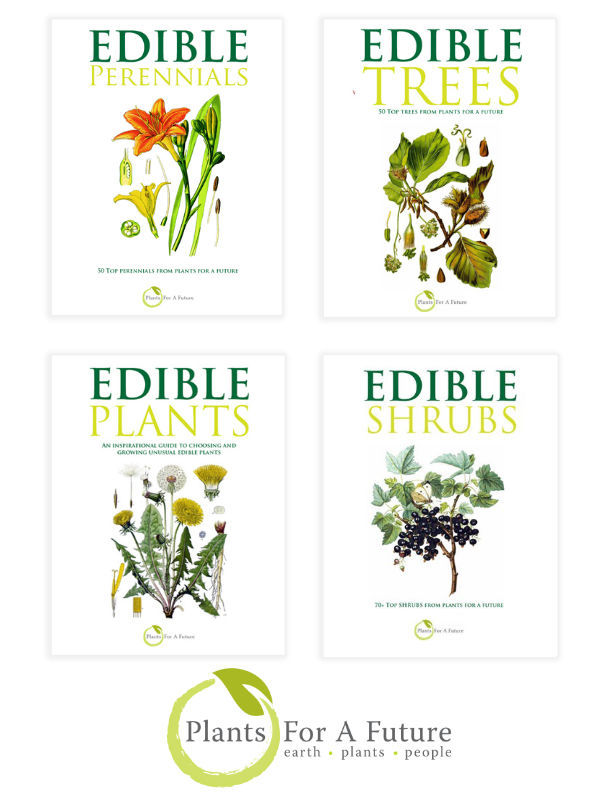
More Books
PFAF have eight books available in paperback and digital formats. Browse the shop for more information.
Shop Now
Other Uses
River hawthorn is suitable for cold-climate native plantings, riparian restorations, and wildlife hedgerows. Wood - heavy, hard, tough, close-grained. Useful for making tool handles, mallets and other small items[82]. River hawthorn contributes significantly to riparian ecosystems. Dense branching offers nesting habitat, while fruits support birds and small mammals during late summer and autumn. It also stabilizes stream banks and enhances structural diversity within canyon environments.
Special Uses
Scented Plants
References More on Other Uses
Cultivation details
River hawthorn is a handsome canyon tree whose sweet fruits offer a pleasant but modest wild food. Its ecological contributions — pollinator support, wildlife forage, and riparian stabilization — arguably exceed its culinary importance. Growing Conditions: River hawthorn favors cool conditions, reliable moisture, and well-drained soils. It tolerates seasonal flooding but performs best in areas with water present without prolonged saturation. Unlike many desert shrubs, it is not strongly drought-adapted. Habitat & Range: This species is primarily associated with mountain canyon streams across the northern Southwest and adjacent regions. Core distribution includes: Nevada, Utah, Colorado, Southern Idaho, and Wyoming. It is native to these landscapes and likely represented an appreciated seasonal fruit wherever encountered. Size & Landscape Performance: Reaching up to about 6 meters, river hawthorn functions well as a structural riparian tree. Its white spring flowers and dark fruits provide ornamental value, while thorny branching offers natural screening. Growth is moderate, and plants can persist for decades under favorable moisture regimes. Cultivation (Horticulture): River hawthorn is suitable for cold-climate native plantings, riparian restorations, and wildlife hedgerows. Provide: Full sun to partial shade, Moderate water, Well-drained soils. Thorns should be considered when placing near pathways. Pollinators: The clustered white flowers attract a wide range of insects, especially native bees, hoverflies, beetles, and other generalist pollinators. Like many hawthorns, it serves as an important nectar source during late spring in cooler mountain habitats. Pests & Problems: Members of the genus can be susceptible to fungal diseases, rusts, and fire blight, though severity varies by site. Fruit predation by insects is possible, but it rarely eliminates crops entirely. Thorns present a mechanical hazard during harvest. Identification & Habit: River hawthorn grows as a small tree or large shrub armed with straight thorns, typically 1–3 cm long. The crown is often irregular but dense, and mature plants can form attractive riparian thickets. Leaves are simple, alternate, and deciduous, usually oval to lance-shaped and widest above the middle. Margins are normally double-serrated and unlobed, ending in acute or short-acuminate tips. In spring, clusters of white flowers appear before giving way to dark purple pomes. The fruit resembles a miniature apple externally but behaves more like a drupe internally due to the presence of several rock-hard nutlets. A very easily grown plant, it prefers a well-drained, moisture-retentive loamy soil but is not at all fussy[11, 200]. Once established, it succeeds in excessively moist soils and tolerates drought [200]. It grows well on chalk soils and in heavy clay soils [200]. A position in full sun is best when plants are being grown for their fruit; they also succeed in semi-shade, though fruit yields and quality will be lower in such a position[11, 200]. Most members of this genus succeed in exposed positions; they also tolerate atmospheric pollution[200]. Hybridizes freely with other members of this genus[200]. There is some doubt over the correct name for this species. [200] suggests that it is a synonym for C. douglasii but also records it as a distinct species[K]. Seedling trees take from 5 - 8 years before they start bearing fruit, though grafted trees will often flower heavily in their third year[K]. The flowers have a foetid smell somewhat like decaying fish. This attracts midges, which are the main means of fertilization. When freshly opened, the flowers have a more pleasant scent with balsamic undertones [245]. Seedlings should not be left in a seedbed for more than 2 years without being transplanted[11]. Family: Rose family (Rosaceae). Genus: Crataegus. Common names: River hawthorn. USDA Hardiness Zones: Approx. Zones 4–7. Typical Height: 2–6 m. Typical Spread: 2–5 m.
References Carbon Farming Information and Carbon Sequestration Information
Temperature Converter
Type a value in the Celsius field to convert the value to Fahrenheit:
Fahrenheit:
The PFAF Bookshop
Plants For A Future have a number of books available in paperback and digital form. Book titles include Edible Plants, Edible Perennials, Edible Trees,Edible Shrubs, Woodland Gardening, and Temperate Food Forest Plants. Our new book is Food Forest Plants For Hotter Conditions (Tropical and Sub-Tropical).
Shop Now
Plant Propagation
Seed - this is best sown as soon as it is ripe in the autumn in a cold frame, some of the seed will germinate in the spring, though most will probably take another year. Stored seed can be very slow and erratic to germinate, it should be warm stratified for 3 months at 15°c and then cold stratified for another 3 months at 4°c[164]. It may still take another 18 months to germinate[78]. Scarifying the seed before stratifying it might reduce this time[80]. Fermenting the seed for a few days in its own pulp may also speed up the germination process[K]. Another possibility is to harvest the seed 'green' (as soon as the embryo has fully developed but before the seedcoat hardens) and sow it immediately in a cold frame. If timed well, it can germinate in the spring[80]. If you are only growing small quantities of plants, it is best to pot up the seedlings as soon as they are large enough to handle and grow them on in individual pots for their first year, planting them out in late spring into nursery beds or their final positions. When growing larger quantities, it might be best to sow them directly outdoors in a seedbed, but with protection from mice and other seed-eating creatures. Grow them on in the seedbed until large enough to plant out, but undercut the roots if they are to be left undisturbed for more than two years.
Other Names
If available other names are mentioned here
Crataegus douglasii var. rivularis. Mespilus rivularis.
Native Range
NORTHERN AMERICA: United States (Colorado (west), Idaho (southeast), Wyoming (southwest), New Mexico, Texas (northwest), Arizona (c.), Nevada (northeast), Utah)
Weed Potential
Right plant wrong place. We are currently updating this section.
Please note that a plant may be invasive in one area but may not in your area so it's worth checking.
Very low. Plants spread slowly and are tightly tied to suitable riparian habitats.
Conservation Status
IUCN Red List of Threatened Plants Status : Least Concern.

| Related Plants
|
| Latin Name | Common Name | Habit | Height | Hardiness | Growth | Soil | Shade | Moisture | Edible | Medicinal | Other |
| Crataegus acclivis | Scarlet Hawthorn | Tree | 8.0 |
4-8
| | LMH | SN | MWe | 4 | 2 | 0 |
| Crataegus aestivalis | Eastern Mayhaw, May hawthorn, Mayhaw, Apple Hawthorn | Shrub | 9.0 |
6-11
| M | LMH | SN | MWe | 3 | 2 | 5 |
| Crataegus altaica | Altai Mountain Thorn | Tree | 6.0 |
4-8
| | LMH | SN | MWe | 3 | 2 | 2 |
| Crataegus anomala | Arnold hawthorn | Shrub | 5.0 |
4-8
| | LMH | SN | MWe | 3 | 2 | 3 |
| Crataegus apiifolia | Parsley-Leaved Hawthorn | Shrub | 4.0 |
6-9
| | LMH | SN | MWe | 2 | 2 | 2 |
| Crataegus aprica | Sunny Hawthorn | Tree | 6.0 |
5-9
| | LMH | SN | DMWe | 3 | 2 | 2 |
| Crataegus armena | | Tree | 0.0 |
-
| | LMH | SN | MWe | 2 | 2 | 2 |
| Crataegus arnoldiana | Arnold Hawthorn | Tree | 7.0 |
5-9
| | LMH | SN | DMWe | 5 | 2 | 2 |
| Crataegus atrosanguinea | | Tree | 0.0 |
-
| | LMH | SN | MWe | 3 | 2 | 2 |
| Crataegus azarolus | Azarole | Tree | 10.0 |
5-9
| M | LMH | SN | MWe | 4 | 2 | 2 |
| Crataegus baroussana | Tejocote | Shrub | 2.0 |
0-0
| | LMH | SN | MWe | 4 | 2 | 2 |
| Crataegus caesa | Downy hawthorn | Shrub | 3.0 |
6-9
| | LMH | SN | MWe | 4 | 2 | 2 |
| Crataegus calpodendron | Pear Hawthorn | Tree | 6.0 |
-
| | LMH | SN | MWe | 3 | 2 | 2 |
| Crataegus canadensis | Canadian hawthorn | Tree | 9.0 |
0-0
| | LMH | SN | MWe | 2 | 2 | 2 |
| Crataegus canbyi | Cockspur hawthorn, Dwarf Hawthorn, Cockspur Hawthorn | Shrub | 5.0 |
4-7
| M | LMH | SN | DMWe | 2 | 2 | 2 |
| Crataegus champlainensis | Quebec hawthorn | Tree | 6.0 |
5-9
| | LMH | SN | MWe | 4 | 2 | 2 |
| Crataegus chlorosarca | | Tree | 6.0 |
-
| | LMH | SN | MWe | 3 | 2 | 2 |
| Crataegus chrysocarpa | Fireberry Hawthorn, Red haw, Piper's hawthorn, | Tree | 6.0 |
4-8
| | LMH | SN | MWe | 3 | 2 | 2 |
| Crataegus coccinoides | Kansas Hawthorn | Tree | 6.0 |
4-8
| | LMH | SN | DMWe | 3 | 2 | 2 |
| Crataegus columbiana | Columbian Hawthorn | Tree | 5.0 |
4-8
| | LMH | SN | MWe | 3 | 2 | 2 |
| Crataegus crus-galli | Cockspur Thorn, Cockspur hawthorn, Dwarf Hawthorn | Shrub | 10.0 |
4-7
| M | LMH | SN | DMWe | 2 | 2 | 3 |
| Crataegus cuneata | Sanzashi, Chinese hawthorn | Shrub | 15.0 |
5-9
| | LMH | SN | MWe | 3 | 3 | 3 |
| Crataegus dilatata | Broadleaf hawthorn | Tree | 6.0 |
0-0
| | LMH | SN | MWe | 3 | 2 | 2 |
| Crataegus dispessa | Mink hawthorn | Tree | 8.0 |
0-0
| | LMH | SN | MWe | 3 | 2 | 2 |
| Crataegus douglasii | Black Hawthorn | Tree | 9.0 |
4-8
| | LMH | SN | MWe | 4 | 2 | 2 |
| Crataegus durobrivensis | Caughuawaga Hawthorn | Shrub | 5.0 |
4-8
| | LMH | SN | MWe | 4 | 2 | 2 |
| Crataegus ellwangeriana | Scarlet Hawthorn | Tree | 6.0 |
5-7
| | LMH | SN | MWe | 5 | 2 | 2 |
| Crataegus elongata | Holmes' hawthorn | Shrub | 4.0 |
0-0
| | LMH | SN | MWe | 4 | 2 | 2 |
| Crataegus erythropoda | Cerro hawthorn | Tree | 5.0 |
4-7
| F | LMH | SN | MWe | 2 | 2 | 2 |
| Crataegus festiva | Festive Hawthorne | Shrub | 3.0 |
6-9
| | LMH | SN | MWe | 5 | 2 | 3 |
|
|
Growth: S = slow M = medium F = fast. Soil: L = light (sandy) M = medium H = heavy (clay). pH: A = acid N = neutral B = basic (alkaline). Shade: F = full shade S = semi-shade N = no shade. Moisture: D = dry M = Moist We = wet Wa = water.
Now available:
Food Forest Plants for Mediterranean Conditions
350+ Perennial Plants For Mediterranean and Drier Food Forests and Permaculture Gardens.
[Paperback and eBook]
This is the third in Plants For A Future's series of plant guides for food forests tailored to
specific climate zones. Following volumes on temperate and tropical ecosystems, this book focuses
on species suited to Mediterranean conditions—regions with hot, dry summers and cool, wet winters,
often facing the added challenge of climate change.
Read More
Expert comment
Author
Nutt.
Botanical References
82200
Links / References
For a list of references used on this page please go here
Readers comment