Translate this page:
Summary
Shepherd’s purse is one of the most widespread edible mustards on Earth—a resilient annual with a global distribution, thriving from the Mediterranean to every temperate continent. It is easy to identify thanks to its distinctive heart-shaped seedpods, and all edible parts (leaves, roots, seeds) have long histories of use in Eurasian, Native American, and early settler cuisines. The plant offers excellent fresh greens in early spring, horseradish-like young roots, and spicy, oil-rich seeds later in the season. Although small in size, it is nutritionally dense and extremely versatile. In the Southwest it is less abundant than in cooler climates, but wherever found, it is among the most valuable, mild, and reliable wild greens.
Physical Characteristics

 Capsella bursa-pastoris is a ANNUAL growing to 0.3 m (1ft) by 0.1 m (0ft 4in).
See above for USDA hardiness. It is hardy to UK zone 6 and is not frost tender. It is in flower all year, and the seeds ripen all year. The species is hermaphrodite (has both male and female organs). The plant is self-fertile.
It is noted for attracting wildlife.
Suitable for: light (sandy), medium (loamy) and heavy (clay) soils. Suitable pH: mildly acid, neutral and basic (mildly alkaline) soils and can grow in very acid and saline soils.
It can grow in semi-shade (light woodland) or no shade. It prefers dry or moist soil.
UK Hardiness Map
US Hardiness Map
Synonyms
Thlaspi bursa-pastoris. Bursa abscissa. Bursa druceana. Capsella concava.
Plant Habitats
Cultivated Beds;
Edible Uses
Edible Parts: Leaves Oil Seed Shoots
Edible Uses: Condiment Oil
Leaves - raw or cooked[2, 4, 5, 52, 94]. The young leaves, used before the plant comes into flower, make a fine addition to salads[9]. The leaves are a cress and cabbage substitute[12], becoming peppery with age[172]. Leaves are usually available all year round, though they can also be dried for later use[12]. The leaves contain about 2.9% protein, 0.2% fat, 3.4% carbohydrate, 1% ash. They are rich in iron, calcium and vitamin C[179]. A zero moisture basis analysis is available[218]. The young flowering shoots can be eaten raw or cooked[264]. They are rather thin and fiddly but the taste is quite acceptable. They can be available at most times of the year. Seed - raw or cooked[94, 172]. It can be ground into a meal and used in soups etc[102, 183]. It is very fiddly to harvest and utilize, the seed is very small[85]. The seed contains 35% of a fatty oil[179]. This oil can be extracted and is edible[74]. The seedpods can be used as a peppery seasoning for soups and stews[183]. The fresh or dried root is a ginger substitute[85, 172, 183]. Safety & Cautions (Food Use): While entirely edible, shepherd’s purse contains mustard-family glucosinolates that can cause digestive irritation in large quantities, especially raw. Cooking reduces this risk. As with most mustards, individuals with thyroid issues should moderate intake due to potential goitrogenic compounds when eaten in large amounts. Seeds are potent and should be used sparingly. Young taproots have a horseradish-like flavour and can be grated or used as a pungent seasoning, though they toughen quickly. Seeds, available late in the season, provide a sharp, peppery, mustard-like kick and can be used whole, ground, or infused. Because this species is small, collecting quantity requires time, but it remains one of the most consistently high-quality edible mustards [2-3]. Edibility rating: 4.5/5. Taste, Processing & Kitchen Notes: Fresh leaves taste mild to moderately spicy, depending on age and growing conditions. Cooking removes most sharpness, yielding a gentle vegetable flavour suitable for soups, greens mixes, and stir-fries. Leaves are tender and do not require long cooking. Roots must be harvested young; grated roots provide a spicy accent similar to radish or mild horseradish. Seeds fall readily from mature pods and can be used to season dishes or ground into mustard-like pastes. Because the pods dry while still attached, gentle shaking into a container is often the most efficient harvest method. Seasonality (Phenology): Shepherd’s purse can germinate and flower nearly any time of year where moisture is available, though it is most abundant in late winter and spring. Leaves are at their best before flowering begins. Seedpods mature through spring into early summer, depending on local conditions. In cooler climates it persists into autumn; in hotter regions it may complete its life cycle rapidly before summer heat. Harvest & Processing Workflow: For greens, harvest basal leaves before flowering for optimal tenderness. Later, pick upper stem leaves as needed. For roots, pull young rosettes before bolting. For seeds, allow seedpods to dry on the stalks, then shake into a container. Winnow lightly to remove chaff. Seeds can be toasted, ground, or used whole. Look-Alikes & Confusion Risks: The plant is readily distinguished by its heart-shaped seedpods, which are nearly unique within the mustard family. Other small mustards may resemble it as rosettes, but once pods appear, identification is easy. Leaves are variable and should not be relied upon alone for identification. Traditional / Indigenous Use Summary: Shepherd’s purse was historically consumed across Eurasia and used both as a vegetable and medicinal herb. After its arrival in the Americas, many Native American groups quickly adopted it for greens and seed use. In East Asian cuisines, particularly Chinese and Korean, shepherd’s purse remains an important cooked green and filling for dumplings.
References More on Edible Uses
| Composition
|
| Figures in grams (g) or miligrams (mg) per 100g of food.
|
|
|
Leaves (Dry weight)
|
|
- 280 Calories per 100g
- Water : 0%
- Protein: 35.6g; Fat: 4.2g; Carbohydrate: 44.1g; Fibre: 10.2g; Ash: 16.1g;
- Minerals - Calcium: 1763mg; Phosphorus: 729mg; Iron: 40.7mg; Magnesium: 0mg; Sodium: 0mg; Potassium: 3939mg; Zinc: 0mg;
- Vitamins - A: 21949mg; Thiamine (B1): 2.12mg; Riboflavin (B2): 1.44mg; Niacin: 3.4mg; B6: 0mg; C: 305mg;
- Reference: [ 218]
- Notes:
|
|
Medicinal Uses
Plants For A Future can not take any responsibility for any adverse effects from the use of plants. Always seek advice from a professional before using a plant medicinally.
Antiscorbutic Astringent Cancer Diuretic Emmenagogue Haemostatic Homeopathy Hypotensive
Oxytoxic Stimulant Urinary Vasoconstrictor Vasodilator Vitamin C Vulnerary
Shepherd's purse is little used in herbalism, though it is a commonly used domestic remedy, being especially efficacious in the treatment of both internal and external bleeding, diarrhoea etc[4, 222]. A tea made from the whole plant is antiscorbutic, astringent, diuretic, emmenagogue, haemostatic, hypotensive, oxytocic, stimulant, vasoconstrictor, vasodilator and vulnerary[4, 7, 9, 13, 21, 46, 147, 165, 172, 176, 222]. A tea made from the dried herb is considered to be a sovereign remedy against haemorrhages of all kinds - the stomach, the lungs, the uterus and more especially the kidneys[4, 222]. The plant can be used fresh or dried, for drying it is harvested in the summer[9]. The dried herb quickly loses its effectiveness and should not be stored for more than a year[9]. Clinical trials on the effectiveness of this plant as a wound herb have been inconclusive[244]. It appears that either it varies considerably in its effectiveness from batch to batch, or perhaps a white fungus that is often found on the plant contains the medically active properties[244]. The plant has been ranked 7th amongst 250 potential anti-fertility plants in China[218]. It has proven uterine-contracting properties and is traditionally used during childbirth[222]. The plant is a folk remedy for cancer - it contains fumaric acid which has markedly reduced growth and viability of Ehrlich tumour in mice[218]. A homeopathic remedy is made from the fresh plant[4]. It is used in the treatment of nose bleeds and urinary calculus[7]. The German Commission E Monographs, a therapeutic guide to herbal medicine, approve Capsella bursa-pastoris Shepherd's Purse for nose bleeds, premenstrual syndrome, wounds & burns (see [302] for critics of commission E).
References More on Medicinal Uses
The Bookshop: Edible Plant Books
Our Latest books on Perennial Plants For Food Forests and Permaculture Gardens in paperback or digital formats.
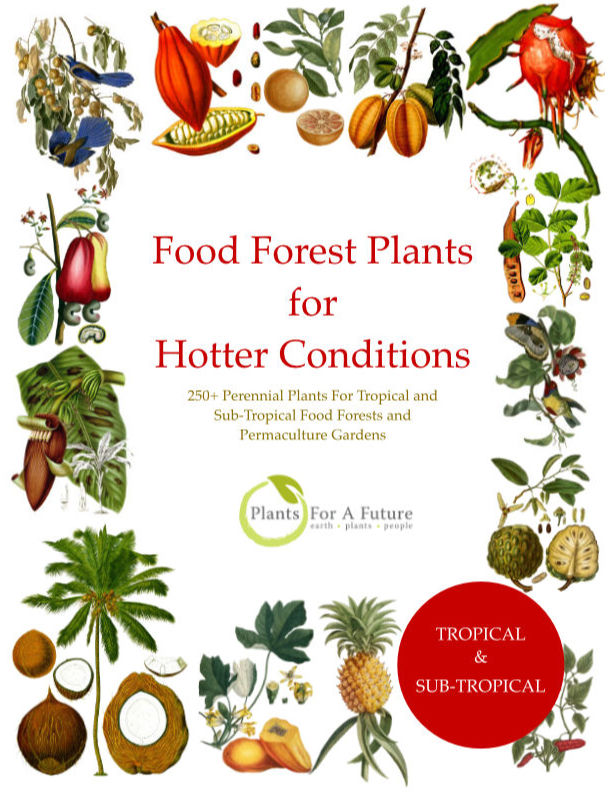
Edible Tropical Plants
Food Forest Plants for Hotter Conditions: 250+ Plants For Tropical Food Forests & Permaculture Gardens.
More
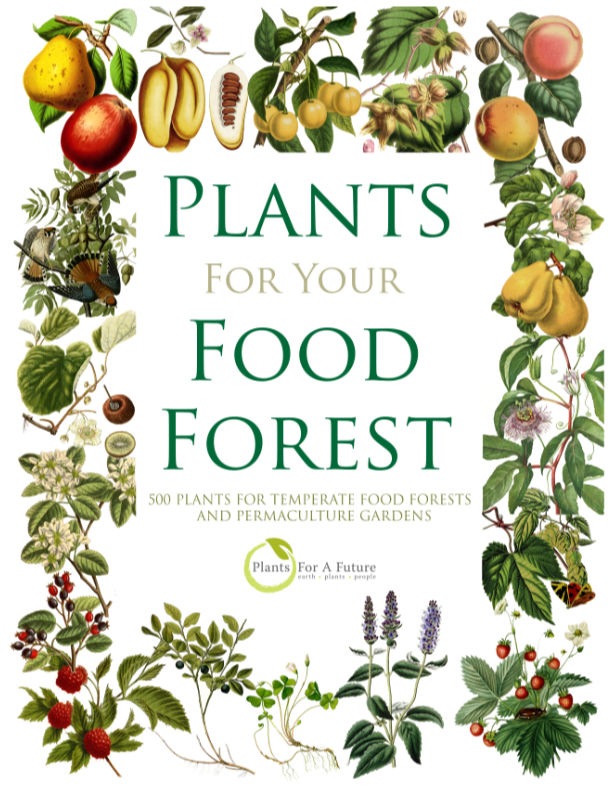
Edible Temperate Plants
Plants for Your Food Forest: 500 Plants for Temperate Food Forests & Permaculture Gardens.
More
More Books
PFAF have eight books available in paperback and digital formats. Browse the shop for more information.
Shop Now
Other Uses
Insecticide Oil Soil reclamation
The seed, when placed in water, attracts mosquitoes. It has a gummy substance that binds the insects mouth to the seed[201]. The seed also releases a substance toxic to the larvae. ½ kilo of seed is said to be able to kill 10 million larvae[172]. Plants can be grown on salty or marshy land in order to reclaim it by absorbing the salt and 'sweetening' the soil[201]. Birds are very fond of the seeds of shepherd's purse[201]. Dynamic accumulator. Pollination is primarily by insects, especially small bees, hoverflies, and other generalist pollinators attracted to small white flowers. Some self-pollination occurs. Seeds may be dispersed by wind shaking, disturbance, or water movement. The plant also provides early-season nectar and pollen for small insects.
Special Uses
Attracts Wildlife Dynamic accumulator
References More on Other Uses
Cultivation details
Plants flourish in most soils[17]. They will grow even in the poorest of soils, though in such a situation the plants might only reach a few centimetres tall before they flower and set seed[4]. In rich soils plants will take longer to go to seed and will grow up to 60cm tall[4]. Shepherd's purse is a very common garden weed that can spread freely in cultivated ground. It is usually in flower and producing seed in all months of the year. This species is a prime example of how a plant can be viewed as an annoying weed in some areas of the world whilst in others it is actually cultivated for its wide range of uses[4, 183]. The plant is extensively cultivated in some areas of the world as a cabbage-flavoured spring greens[268], in Japan it is one of the essential ingredients of a ceremonial rice and barley gruel that is eaten on January 7th[183]. The leaves grow rather larger under cultivation, they can be harvested about a month after sowing and can be treated as a cut and come again crop[206]. They do run to seed fairly rapidly, however, especially in hot dry weather or when in poor soils[206, K]. A member of the cabbage family, it is a host plant for many diseases of Brassicas[200]. Identification & Habit: Shepherd’s purse is an annual herb with a basal rosette of lobed leaves and a slender flowering stalk that may reach 10–50 cm tall. The stems are lightly hairy, bearing simple and stellate hairs. Leaves occur both at the base and alternately along the stem. Basal leaves are often deeply pinnately lobed with variable shapes—from narrow to broader forms—while upper leaves are lanceolate to linear, usually smaller, and clasp the stem. The inflorescence is a raceme of small white flowers, each with four petals and six stamens, typical of the mustard family. The unmistakable feature is the flattened, heart-shaped to triangular seedpod (silicle), oriented perpendicular to the partition and containing numerous minute seeds. Over time the raceme elongates and seedpods mature sequentially upward, giving the plant its distinctive appearance. Habitat & Range: Shepherd’s purse is globally distributed and nearly cosmopolitan. In the United States, it occurs in every state, though it is less common in the driest parts of the Southwest. It grows in fields, agricultural areas, vacant lots, garden beds, roadside edges, and disturbed soils. Its remarkable adaptability has allowed it to spread worldwide. Size & Landscape Performance: Plants typically reach 10–50 cm in height, forming a basal rosette 5–25 cm across. In nutrient-rich soils they can grow larger, but they usually remain small. They may appear weedy but are easily managed and may self-seed lightly in gardens. Cultivation (Horticulture): Shepherd’s purse is simple to grow and often volunteers readily in garden beds. It prefers cool-weather growth and may function as a winter vegetable in mild climates. As a leafy green, plants should be harvested young to maintain tenderness. It can be intentionally cultivated as a salad or cooked green, though most people rely on wild populations.
References Carbon Farming Information and Carbon Sequestration Information
Temperature Converter
Type a value in the Celsius field to convert the value to Fahrenheit:
Fahrenheit:
The PFAF Bookshop
Plants For A Future have a number of books available in paperback and digital form. Book titles include Edible Plants, Edible Perennials, Edible Trees,Edible Shrubs, Woodland Gardening, and Temperate Food Forest Plants. Our new book is Food Forest Plants For Hotter Conditions (Tropical and Sub-Tropical).
Shop Now
Plant Propagation
Seed - sow in situ February to May. Seed can also be sown as late as mid autumn[206]. A common weed of disturbed ground, the plant does not normally need any help to maintain itself[K].
Other Names
If available other names are mentioned here
Badman’s Oatmeal, Borsa del pastore, Capsell, Chalne, Chinese cress, Chmso, Didicai, Entanenga, Hiirekorv, Laihyane, Mother's heart, Naengi, Naeng-i, Nazuna, Qi, Rusomaca, Shepherd's heart, Water chestnut vegetable, Zijisuana, Spanish: bolsa de pastor. French: bourse-à-pasteur; capselle bourse à pasteur. Portuguese: bolsa-do-pastor. Denmark: almindelig hyrdetaske. Egypt: kees el-raat. Finland: lutukka. Germany: Hirtentäschelkraut. Italy: borsa pastore. Japan: nazuna. Netherlands: herderstasje. Sweden: lomme.
Native Range
TEMPERATE ASIA: Saudi Arabia, Yemen, Afghanistan, Iran, Iraq, Israel, Jordan, Syria, Turkey, Russian Federation-Ciscaucasia (Ciscaucasia), Armenia, Azerbaijan, Georgia, Russian Federation (Dagestan), Kazakhstan, Kyrgyzstan, Tajikistan, Turkmenistan, Uzbekistan TROPICAL ASIA: Pakistan EUROPE: Denmark, Finland, United Kingdom, Ireland, Iceland, Norway, Sweden, Austria, Belgium, Switzerland, Czech Republic, Germany, Hungary, Netherlands, Slovakia, Russian Federation (European part), Belarus, Estonia, Lithuania, Latvia, Moldova, Ukraine (incl. Krym), Albania, Bulgaria, Bosnia and Herzegovina, Greece (incl. Crete), Croatia, Italy (incl. Sardinia, Sicily), North Macedonia, Montenegro, Romania, Serbia, Slovenia, Spain (incl. Baleares), France (incl. Corsica), Portugal AFRICA: Portugal (Madeira Islands), Algeria, Egypt, Libya, Morocco, Tunisia
Weed Potential
Right plant wrong place. We are currently updating this section.
Please note that a plant may be invasive in one area but may not in your area so it's worth checking.
This plant can be weedy or invasive.Present on arable land in nearly all temperate parts of the world in practically all crops, gardens, lawns, non-cultivated areas, roadsides and waste grounds.
Conservation Status
IUCN Red List of Threatened Plants Status : This taxon has not yet been assessed.
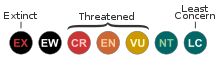
Growth: S = slow M = medium F = fast. Soil: L = light (sandy) M = medium H = heavy (clay). pH: A = acid N = neutral B = basic (alkaline). Shade: F = full shade S = semi-shade N = no shade. Moisture: D = dry M = Moist We = wet Wa = water.
Now available:
Food Forest Plants for Mediterranean Conditions
350+ Perennial Plants For Mediterranean and Drier Food Forests and Permaculture Gardens.
[Paperback and eBook]
This is the third in Plants For A Future's series of plant guides for food forests tailored to
specific climate zones. Following volumes on temperate and tropical ecosystems, this book focuses
on species suited to Mediterranean conditions—regions with hot, dry summers and cool, wet winters,
often facing the added challenge of climate change.
Read More
Expert comment
Author
(L.)Medik.
Botanical References
17200
Links / References
For a list of references used on this page please go here
Readers comment
© 2010, Plants For A Future. Plants For A Future is a charitable company limited by guarantee, registered in England and Wales. Charity No. 1057719, Company No. 3204567.