Translate this page:
Summary
Desert redmaids is a small, succulent annual native to the arid and semi-arid regions of western North America, particularly the deserts and lowland plains of California, Arizona, and Oregon. Despite its modest appearance, it was an important wild seed crop for Indigenous peoples, valued for its small but highly nutritious, oil-rich seeds. While the leaves and flowers are technically edible, they are acrid and of limited culinary value. The seeds, however, are mild, starchy, and flavorful—among the best native grain analogues of the desert flora.
Physical Characteristics

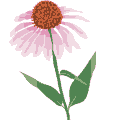 Calandrinia ciliata is a ANNUAL growing to 0.2 m (0ft 8in).
See above for USDA hardiness. It is hardy to UK zone 7 and is frost tender. It is in flower from July to September, and the seeds ripen from August to October. The species is hermaphrodite (has both male and female organs) and is pollinated by Bees, insects.
Suitable for: light (sandy) and medium (loamy) soils, prefers well-drained soil and can grow in nutritionally poor soil. Suitable pH: mildly acid, neutral and basic (mildly alkaline) soils. It cannot grow in the shade. It prefers dry or moist soil and can tolerate drought.
UK Hardiness Map
US Hardiness Map
Synonyms
C. caulescens. H.B.K.
Plant Habitats
Cultivated Beds;
Edible Uses
Edible Parts: Leaves Seed Shoots
Edible Uses:
Leaves and young shoots - raw, cooked or used as a garnish[161, 177]. A tasty salad[207]. The leaves contain oxalic acid and so some caution is advised, see the notes above on toxicity. Seed - raw or ground into a meal[161, 177]. The seed can also be cooked as a piñole[257]. The seed is very small and fiddly to harvest, especially since it ripens intermittently over a period of several weeks[K]. However, it is rich in oil and was often collected in large quantities by native North American Indian tribes[257]. Edible Uses & Rating: The seeds of desert redmaids are the only part worth collecting for food. They can be eaten raw, toasted, or boiled, and were historically a staple wild grain for Indigenous peoples of California and the Great Basin. The seeds are high in oils and carbohydrates, providing valuable energy and storage stability. They can be ground into flour or meal and used much like chia or quinoa. The leaves and flowers, though technically edible, have an acrid, unpleasant taste and can irritate the mouth or throat if eaten in quantity. Boiling reduces but does not eliminate the bitterness [2-3]. The edibility rating for the seeds is 4/5 (excellent wild grain), while for the leaves and other parts, 1/5 (poor, acrid, and low food value). Taste, Processing & Kitchen Notes: Redmaid seeds are small but flavorful. Raw seeds taste neutral, with a pleasant crunch. Toasted seeds develop a delicate, nutty, popcorn-like aroma and flavor, while boiled seeds resemble cooked quinoa—soft, starchy, and faintly oily. The seeds lack mucilage, making them unsuitable for thickening soups but ideal for mixing into grain blends, porridges, or baked goods [2-3]. Harvesting and processing can be difficult because the seed capsules burst open when fully mature, scattering seeds across the ground. A practical method is to collect whole plants just before the capsules open, allow them to dry in a basket or sack, and then thresh and winnow the resulting material. Seeds cling to soil and chaff, so careful winnowing and rinsing improve quality. Once clean and dry, the seeds store well and retain flavor for years. Seasonality (Phenology): Desert redmaids germinate following winter or early spring rains, often from February to April, and flower shortly thereafter. Seed set occurs between April and July, depending on elevation and rainfall. As annuals, the plants complete their life cycle quickly—often within 6 to 8 weeks—dying back as summer heat intensifies. Seeds persist in the soil seed bank and germinate after the next adequate rainfall. Safety & Cautions (Food Use): All parts of the plant are safe to eat in small quantities, but the acrid taste of the foliage limits palatability. Boiling can reduce harshness but does not eliminate it entirely. The seeds are free from known toxins and safe for human consumption. As with all wild-gathered foods, ensure plants are collected from clean, uncontaminated areas. Harvest & Processing Workflow: The best harvesting strategy involves collecting whole plants before capsules burst, drying them in a breathable container to catch expelled seeds, then threshing and winnowing the material. Rubbing the dry plants over a screen or basket releases seeds efficiently. Once clean and dry, the seeds can be stored or lightly toasted for use. The bursting capsule mechanism complicates timing, so harvesting over several days increases yield. Look-Alikes & Confusion Risks: Desert redmaids may be confused with species of Cistanthe or Claytonia (also Montiaceae), especially Cistanthe ambigua (desert pussypaws). However, redmaids can be distinguished by their hairy sepals, three-valved capsules, and black shiny seeds. During vegetative stages, their reddish, succulent leaves may resemble small purslane (Portulaca spp.), but purslane lacks hairs and has mucilaginous sap. Traditional / Indigenous Use Summary: The seeds of desert redmaids were a traditional food source for many Indigenous groups of California, including the Pomo, Miwok, and Yokuts, who gathered them in large quantities. Seeds were parched, winnowed, and ground into a fine meal for mush or mixed with water into cakes. The seed’s high oil content made it especially valuable in desert diets, providing sustained energy. The plant was also occasionally used as a seasonal indicator—its flowering signifying the arrival of spring rains.
References More on Edible Uses
Medicinal Uses
Plants For A Future can not take any responsibility for any adverse effects from the use of plants. Always seek advice from a professional before using a plant medicinally.
None known
References More on Medicinal Uses
The Bookshop: Edible Plant Books
Our Latest books on Perennial Plants For Food Forests and Permaculture Gardens in paperback or digital formats.
Edible Tropical Plants
Food Forest Plants for Hotter Conditions: 250+ Plants For Tropical Food Forests & Permaculture Gardens.
More
Edible Temperate Plants
Plants for Your Food Forest: 500 Plants for Temperate Food Forests & Permaculture Gardens.
More
More Books
PFAF have eight books available in paperback and digital formats. Browse the shop for more information.
Shop Now
Other Uses
The plant was also occasionally used as a seasonal indicator—its flowering signifying the arrival of spring rains. Though small and short-lived, its contributions to both traditional diets and native ecosystems are substantial. Ecology & Wildlife: Desert redmaids contribute to pollinator support in arid ecosystems. Their magenta flowers attract native bees, syrphid flies, and small solitary pollinators. The seeds are eaten by ground-feeding birds and rodents, while the plant provides limited foliage forage for small herbivores. Ecologically, it plays a role in early-spring nutrient cycling and soil stabilization.
Special Uses
References More on Other Uses
Cultivation details
Identification & Habit: Desert redmaids is a low, sprawling or ascending annual, typically 2–20 cm tall, with slender, fleshy, reddish stems. The leaves are simple, alternate, oblong to lanceolate, entire-edged, and somewhat succulent. The plant often takes on vivid red, orange, or yellow tones with age, especially under full sun or drought stress. Flowers are showy, magenta to purplish-pink (occasionally white), borne in loose racemes, each with five free petals and two persistent, ciliate sepals. Fruits are three-valved capsules that split open from the top downward, releasing 5–35 small, shiny black seeds per fruit. After fruiting, the plant rapidly desiccates, leaving behind light-brown skeletal stems. Pollination is primarily by small bees, flies, and solitary pollinators drawn to the bright petals and pollen; however, the flowers are also partially self-fertile, ensuring seed set even when pollinator activity is low in arid environments.Prefers a hot sunny situation on a poor dry sandy soil[200]. This species is not very hardy in Britain, but it should be possible to grow it as a tender annual in this country. Plants are intolerant of root disturbance, they are best treated as half-hardy annuals and sown in situ in late spring[1]. In frosty climates this species can become a self-sowing annual, the seed germinating in spring[157]. Growing Conditions: This species thrives in sandy or gravelly soils with good drainage, often in open desert flats, rocky washes, or disturbed areas. It prefers full sun, tolerates drought, and requires little moisture once established. Desert redmaids is well adapted to nutrient-poor, alkaline soils and can even colonize compacted or disturbed sites. It performs best with occasional light rainfall or supplemental irrigation in cultivation. Hardiness is suitable for USDA Zones 6–10, with optimal germination occurring in cool, moist conditions and rapid growth during mild spring weather. Habitat & Range: Native across western North America, desert redmaids occur from southern Oregon through California, Nevada, Arizona, New Mexico, and Baja California. They inhabit sandy plains, alluvial fans, desert washes, mesas, and grassland transition zones, typically below 1,500 meters elevation. In favorable years, they can form bright patches of color across open desert flats during early spring. Size & Landscape Performance: Mature plants are 2–20 cm tall and 5–25 cm wide, forming small, spreading mats or upright tufts. Their vivid flowering and colorful foliage make them visually appealing as part of native wildflower mixes or low-water xeriscape plantings. The short-lived plants reseed easily, germinating with seasonal rains. Cultivation (Horticulture): Desert redmaids is easily grown from seed in sandy, well-drained soil and full sun. It prefers mild winter or spring weather for germination and growth. In gardens, it performs well in rockeries, native annual meadows, and low-desert pollinator patches. Once established, it requires minimal care. Overwatering or heavy soils can cause rot. It self-seeds readily but is not invasive, as seedlings depend on rainfall timing. Pests & Problems: Few pests affect desert redmaids. In overly moist conditions, root rot and fungal damping-off may occur in cultivation. Aphids or flea beetles occasionally feed on seedlings but rarely cause significant damage. In the wild, the plant’s short lifespan minimizes pest buildup. Cultivar/Selection Notes
No named cultivars exist for desert redmaids, though wildflower seed mixes sometimes include this species under its old name Calandrinia caulescens. Select seed from local ecotypes for restoration or native planting projects. Some forms have white or pale-pink flowers rather than magenta.
References Carbon Farming Information and Carbon Sequestration Information
Temperature Converter
Type a value in the Celsius field to convert the value to Fahrenheit:
Fahrenheit:
The PFAF Bookshop
Plants For A Future have a number of books available in paperback and digital form. Book titles include Edible Plants, Edible Perennials, Edible Trees,Edible Shrubs, Woodland Gardening, and Temperate Food Forest Plants. Our new book is Food Forest Plants For Hotter Conditions (Tropical and Sub-Tropical).
Shop Now
Plant Propagation
Seed - best sown in situ in spring since it strongly resents root disturbance. Germination usually takes place within 1 - 3 weeks at 20°c[138]. Cuttings.
Other Names
If available other names are mentioned here
Desert rockpurslane,
fringed redmaids,
redmaids,
Native Range
NORTHERN AMERICA: Canada (British Columbia (southwest)), United States (Oregon (west), Washington (west), Arizona (south), California (west)), Mexico (Chiapas, México, Michoacán de Ocampo, Puebla, Tlaxcala) SOUTHERN AMERICA: Guatemala, El Salvador, Venezuela, Bolivia, Ecuador, Peru, Argentina (Buenos Aires, Catamarca, Jujuy, Salta, Tucumán, Tierra del Fuego), Chile
Weed Potential
Right plant wrong place. We are currently updating this section.
Please note that a plant may be invasive in one area but may not in your area so it's worth checking.
Desert redmaids are not aggressive or invasive. They are pioneer species, often the first to appear after rain in open soil or disturbed areas, but they die back quickly and do not persist once perennial cover develops. Their tendency to reseed ensures persistence in natural cycles without becoming problematic. Some evidence of weediness in the US: Florida and Western USA.
Conservation Status
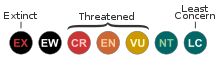
IUCN Red List of Threatened Plants Status : This taxon has not yet been assessed
Growth: S = slow M = medium F = fast. Soil: L = light (sandy) M = medium H = heavy (clay). pH: A = acid N = neutral B = basic (alkaline). Shade: F = full shade S = semi-shade N = no shade. Moisture: D = dry M = Moist We = wet Wa = water.
Now available:
Food Forest Plants for Mediterranean Conditions
350+ Perennial Plants For Mediterranean and Drier Food Forests and Permaculture Gardens.
[Paperback and eBook]
This is the third in Plants For A Future's series of plant guides for food forests tailored to
specific climate zones. Following volumes on temperate and tropical ecosystems, this book focuses
on species suited to Mediterranean conditions—regions with hot, dry summers and cool, wet winters,
often facing the added challenge of climate change.
Read More
Expert comment
Author
(Ruiz.&Pav.)DC.
Botanical References
71200
Links / References
For a list of references used on this page please go here
Readers comment
| Add a comment |
|
If you have important information about this plant that may help other users please add a comment or link below. Only comments or links that are felt to be directly relevant to a plant will be included. If you think a comment/link or information contained on this page is inaccurate or misleading we would welcome your feedback at [email protected]. If you have questions about a plant please use the Forum on this website as we do not have the resources to answer questions ourselves.
* Please note: the comments by website users are not necessarily those held by PFAF and may give misleading or inaccurate information.
|
Subject : Calandrinia ciliata
|
|
|
|