
About Insects
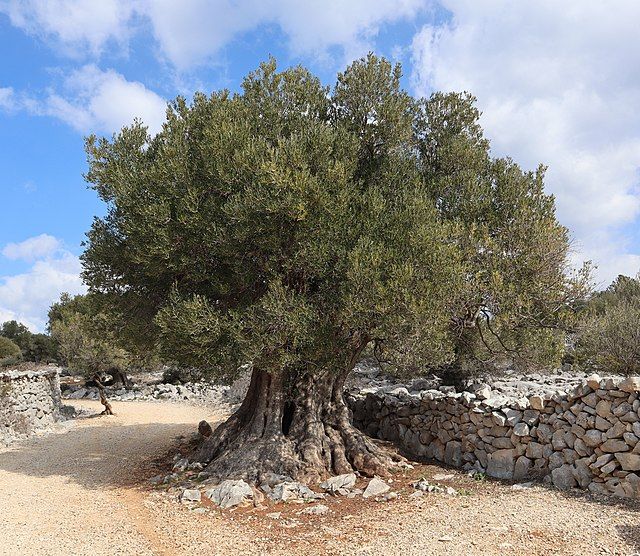
Annette Ochs In Corfu, as in many other places in the Mediterranean, we find an olive monoculture that results in an unbalanced amount of a bug, the Daikos (Bactrocera oleae), that lays its eggs in the olive fruit. Daikos (Bactrocera…
Annette Ochs In Corfu, as in many other places in the Mediterranean, we find an olive monoculture that results in an unbalanced amount of a bug, the Daikos (Bactrocera oleae), that lays its eggs in the olive fruit. Daikos (Bactrocera…
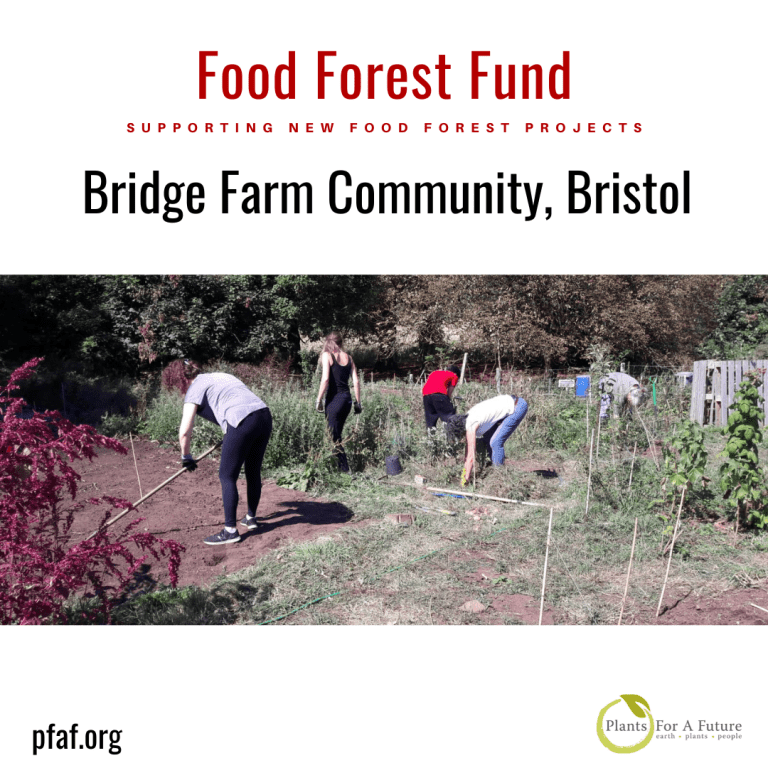
Progress Report by David Gearing, November 2022 Chris Marsh (PFAF Managing Trustee) and I first met Ana from Bridge Farm in May 2022 when Chris gave a talk on PFAF, including an introduction to our recently launched Food Forest Fund,…
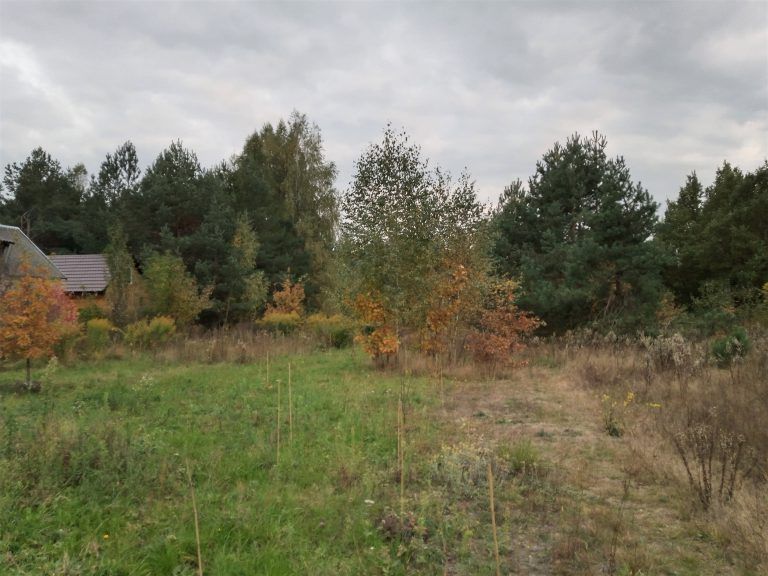
In January 2022 we (PFAF) announced our Food Forest Fund (FFF), which is designed to award small grants to help new food forest projects get started, or move on to a new stage. In recent years PFAF has been focused…
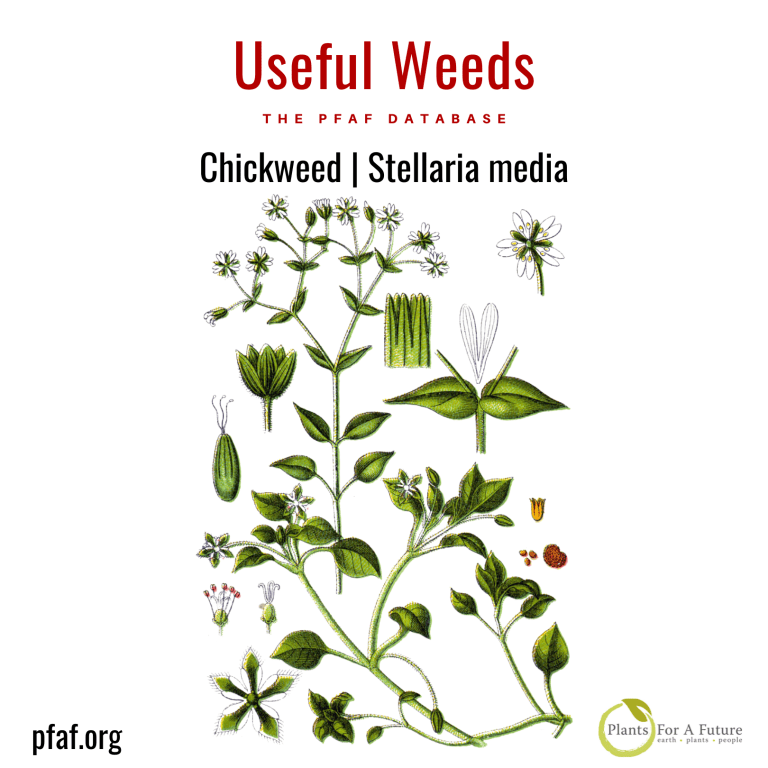
Is chickweed edible? Chickweed is a very prolific and easy to find edible weed. Young leaves are eaten raw or cooked as a potherb. They can be available all year round if the winter is not too severe. They are…
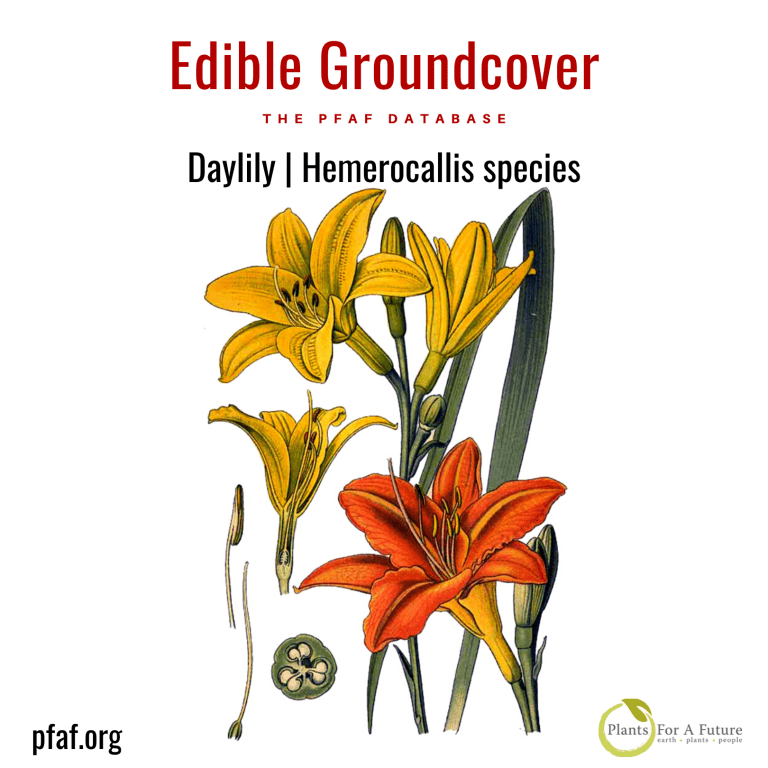
Edible Perennial Groundcovers Daylilies are hardy evergreen or herbaceous perennials with large and attractive funnel-shaped blooms in late spring or early summer, similar to lily flowers. They are straightforward to grow, with many forms tolerant of almost total neglect. All…
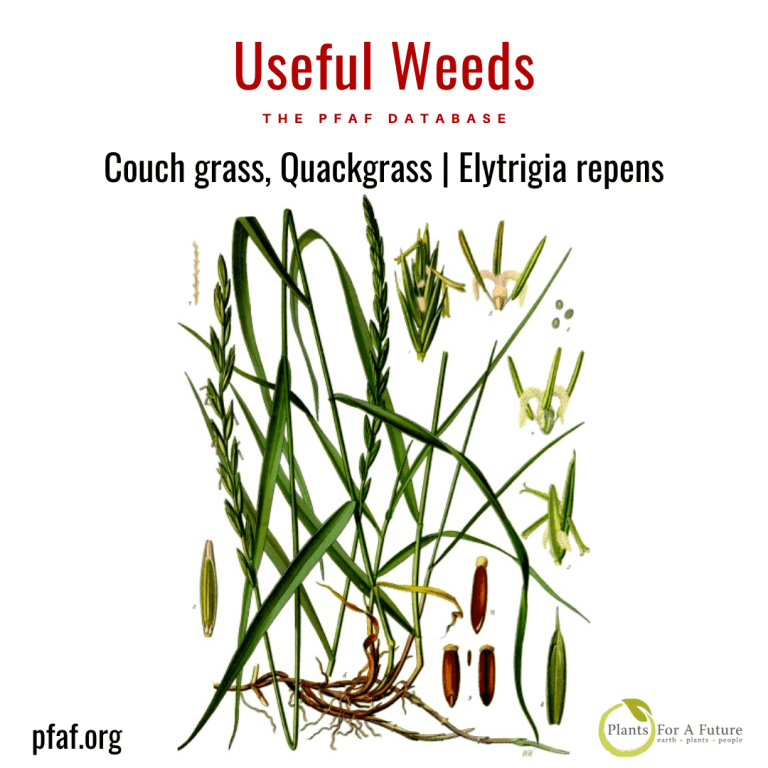
Couch Grass or Quackgrass Elymus repens ( Elytrigia repens). A brave or foolish person would encourage this perennial grass into their garden. Couch grass is one of the most pernicious weeds that gardeners must contend with. Couch Grass grows to 60cm tall, and the roots spread…
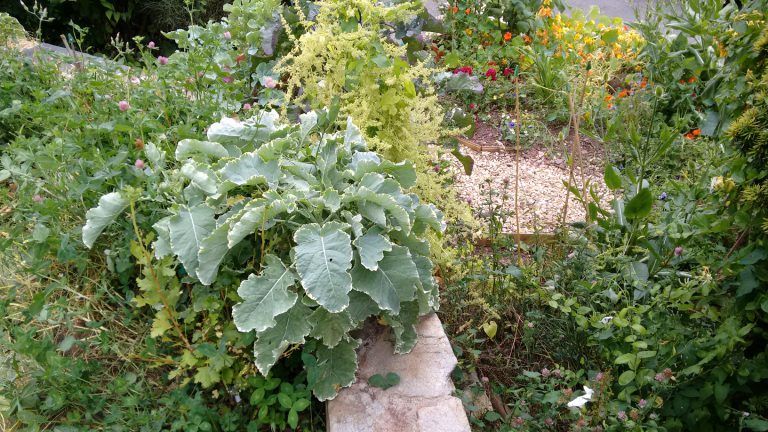
Chris Marsh and David Gearing have been associated with the Plants For A Future (PFAF) charity for 14 years, Chris as Managing Trustee and Treasurer, with David providing vital support. They have both been involved with permaculture since 1990 and…
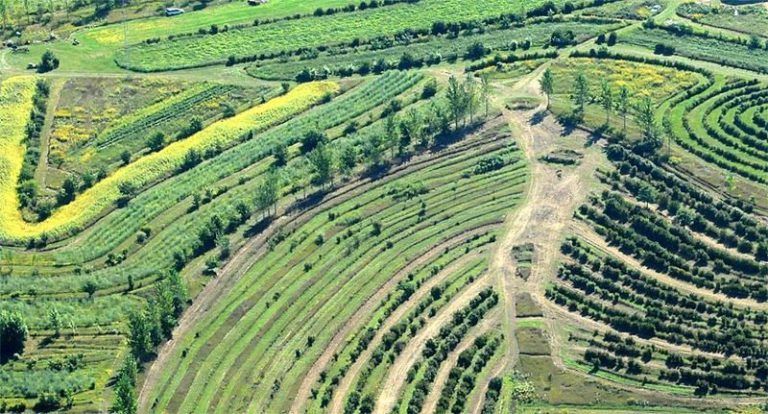
In his book Half-Earth: Our Planet’s Fight for Life, Edward O. Wilson argues that the solution to the present planetary crisis is to dedicate half the surface of the Earth to wild nature.[1] The other half Earth would be used…
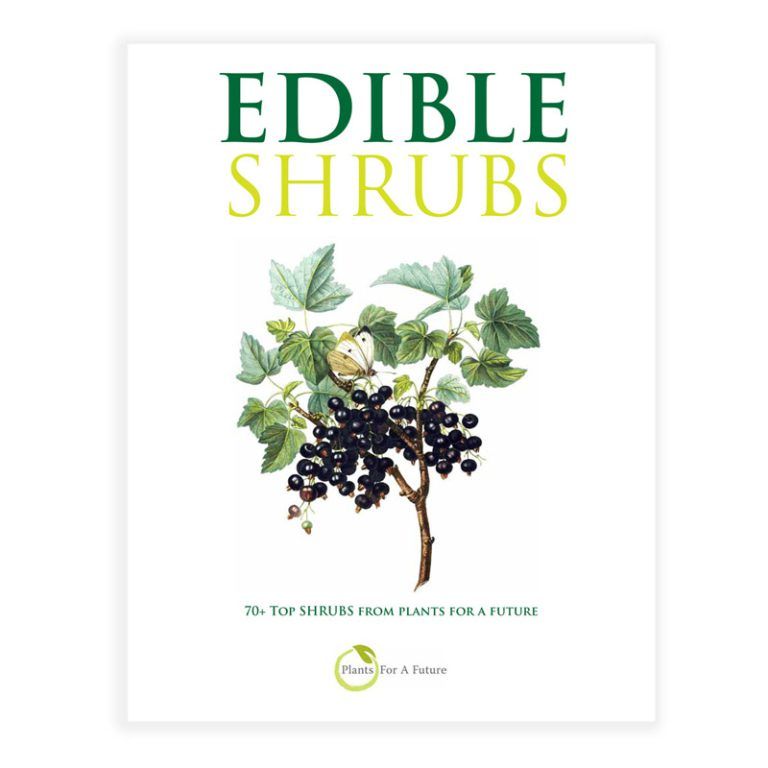
Increasing interest in food forests or woodland gardens reflects a growing awareness that permanent mixed plantings are inherently more sustainable than annual monocultures. They can safeguard and enrich soil ecosystems, enable plants to form mutually beneficial combinations, utilise layers both…
Posted to PFAF blog on 19 June 2018, updated with new featured image 11 October 2018. Many would agree that homegardening is going to be an important part of the solution to climate change. Eric Toensmeier has written about temperate…