
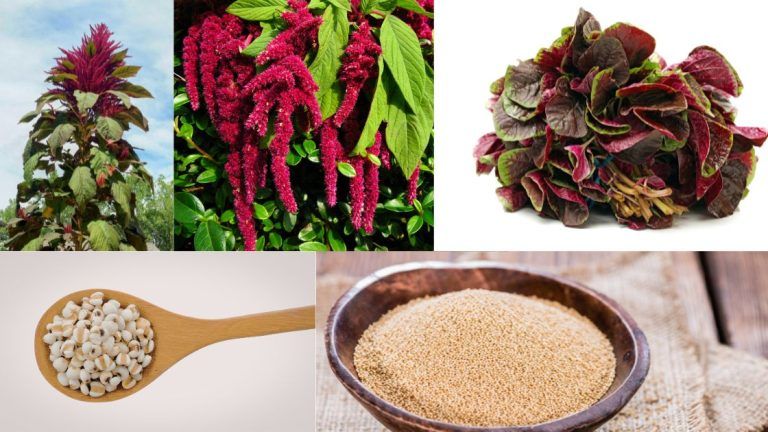
Amaranth is both an ancient cultivated grain and a highly nutritious leafy vegetable. Several species of Amaranthus are rated 5/5 for edibility in the Plants For A Future (PFAF) database. These plants produce protein-rich seeds, mineral-dense greens, and thrive in hot, dry conditions — making them important crops for climate-resilient agriculture.
Key Takeaway
- Amaranth is a serious crop, not just a weed.
- Several species — including Amaranthus cruentus, A. hybridus, and A. powellii — score 5/5 for edibility in the PFAF database.
- Most cultivated amaranths provide both edible leaves and grain.
- Seeds are high in protein and minerals and contain relatively complete amino acids.
- Many species tolerate heat, drought, and poor soils.
- Some species also have documented traditional medicinal uses (mainly astringent properties).
- PFAF’s recent Southwest Expansion added three new Amaranthus species and updated nine more.
Table of Contents
- Amaranth as a Cultivated Crop
- The Amaranth Family (Amaranthaceae)
- Top 5/5 Edible Amaranthus Species
- Southwest Native Species (PFAF Expansion)
- Medicinal Uses of Amaranthus
- Safety and Preparation
- Why Amaranth Matters in a Warming Climate
- FAQs
- Glossary
1. Amaranth as a Cultivated Crop
Long before industrial agriculture, amaranth was cultivated in the Americas as a staple grain. Today it is recognised as:
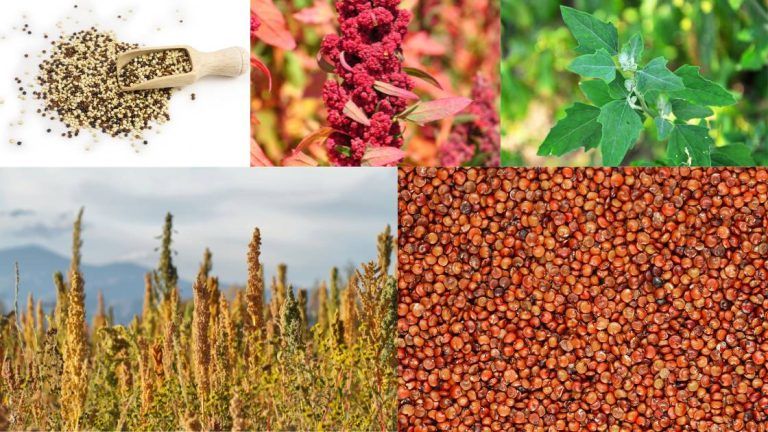
- A gluten-free pseudo-grain
- A source of high-quality protein
- Rich in iron, magnesium, phosphorus, and calcium
- Suitable for hot-season production
Unlike most grains, amaranth offers dual harvest potential:
- Young leaves harvested as spinach-like greens
- Mature seed heads harvested as grain
This makes it highly efficient in small-scale farming and permaculture systems.
2. The Amaranth Family (Amaranthaceae)
Amaranth belongs to the family Amaranthaceae, which is adapted to harsh environments.
Important genera include:
- Amaranthus – annual leafy greens and grain crops
- Chenopodium – goosefoots (including quinoa relatives)
- Suaeda – salt-tolerant coastal and desert plants
- Allenrolfea – saline shrublands
- Monolepis – small annuals of dry ground
Many members:
- Thrive in heat
- Tolerate salinity
- Grow in disturbed soils
- Produce abundant seed
3. Top 5/5 Edible Amaranthus Species (PFAF Rated)
Amaranthus cruentus (Red/Grain Amaranth)
- ⭐ Edibility: 5/5
- Major cultivated grain species
- Leaves edible
- Historically important in Mesoamerica and the Southwest
Amaranthus hybridus (Slim Amaranth)
- ⭐ Edibility: 5/5
- Excellent leafy vegetable
- Seeds usable as grain
- Widely adaptable
Amaranthus powellii (Powell’s Amaranth)
- ⭐ Edibility: 5/5
- Tender greens
- High-quality grain substitute
- Very productive
Amaranthus retroflexus (Redroot Pigweed)
- ⭐ Edibility: 5/5
- Leaves are widely eaten traditionally
- Seeds versatile and nutritious
- One of the most globally distributed species
Amaranthus palmeri (Palmer’s Amaranth / Quelite)
- ⭐ Edibility: 5/5
- Exceptional desert-adapted leafy vegetable
- Prolific seed producer
4. Southwest Native Species
As part of the PFAF Southwest Expansion:
Amaranthus fimbriatus
(Fringed amaranth)
- Edibility: 5/5
- Mild leaves
- Desert-adapted
Amaranthus acanthochiton
(Greenstripe amaranth)
- Edibility: 2/5
- Historically used by Hopi
- Rare species
Amaranthus watsonii
(Watson’s amaranth)
- Edibility: 3/5
- Sandy desert habitats
- Limited abundance
5. Medicinal Uses of Amaranthus
Many species have traditional medicinal uses, especially as:
- Astringents
- Digestive support plants
- External wound applications
Species documented for medicinal use include:
- Amaranthus spinosus (Spiny Amaranth)
- Amaranthus viridis (Calalu, Slender amaranth)
- Amaranthus hypochondriacus (Prince’s feather)
- Amaranthus tricolor (Chinese spinach / Joseph’s coat)
- Amaranthus retroflexus (Pigweed, Redroot amaranth, Wild Beet)
These uses are traditional and should not replace professional medical advice.
6. Safety and Preparation
- Leaves may accumulate nitrates and oxalates
- Boiling reduces nitrate levels
- Seeds generally contain lower concentrations
- Avoid harvesting from contaminated soils
In a balanced diet, cultivated amaranth is widely consumed safely worldwide.
How to Cook Grain Amaranth (Basic Method)
What you’ll need
- 1 cup amaranth grain (cleaned/rinsed)
- 2.5 to 3 cups water (or stock)
- Pinch of salt (optional)
Steps
- Rinse the grain in a fine sieve to remove dust and reduce bitterness.
- Bring liquid to a boil in a small pot.
- Add amaranth + salt, stir once, then reduce to a gentle simmer.
- Simmer 15–25 minutes, stirring occasionally.
- For porridge: use more water and cook longer.
- For a thicker “polenta-style” texture: use less water and cook for a shorter time.
- Rest 5 minutes off the heat, then fluff/stir.
- Serve sweet (fruit, cinnamon, honey) or savoury (olive oil, herbs, vegetables).
Tip: Amaranth can become slightly gelatinous—this is normal and is part of its classic porridge texture.
7. Why Amaranth Matters in a Warming Climate
Amaranth:
- Thrives in high heat
- Produces seed quickly
- Requires relatively modest inputs
- Offers dual food yields
Few plant genera combine resilience, nutrition, and flexibility so effectively.
8. Frequently Asked Questions
Is amaranth a grain or a vegetable?
Both. Many species produce edible leaves and edible seeds.
Which amaranth species are best for food?
In the PFAF database, Amaranthus cruentus, A. hybridus, and A. powellii rate 5/5 for edibility.
Are wild pigweeds safe to eat?
Many are edible, but proper identification and harvesting from clean soil are important.
Is amaranth high in protein?
Yes. Amaranth seeds contain relatively complete protein compared to many cereal grains.
Can amaranth grow in hot climates?
Yes. Many species are highly heat-tolerant and suitable for dry conditions.
9. Glossary
Astringent – A plant property that tightens tissues and may reduce minor bleeding.
Pseudo-grain – A seed used like a grain but not from a true grass family.
Oxalates – Naturally occurring compounds that can bind minerals.
Nitrates – Nitrogen compounds that plants may accumulate under certain conditions.
Monoecious – Having male and female flowers on the same plant.
Utricle – A small, dry, one-seeded fruit typical of Amaranthus.