
Cassia leiandra
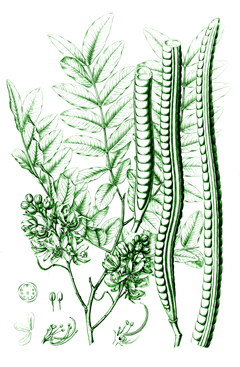
Forests of the floodplains and seasonally flooded forests near lagoons and canals. Most commonly found in secondary formations. Love
Forests of the floodplains and seasonally flooded forests near lagoons and canals. Most commonly found in secondary formations. Love
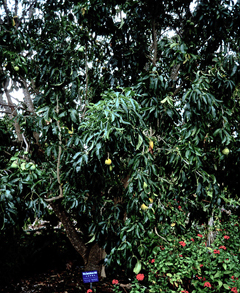
Subtropical deciduous woodlands and low forests. Dryish highland forests at elevations of 600 – 1,000 metres. Love
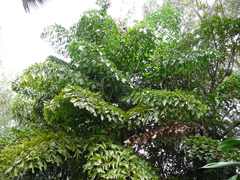
Limestone areas and valley forests at elevations of 370 – 1,500 metres in southern China. An understorey tree in moist lowland and submontane forests. Love

Mainly along ridges, dry hills and hillsides, growing best in rich well-drained soils. Love
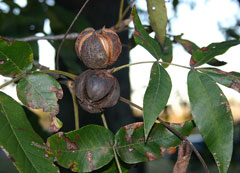
Dry upland slopes, rich deep moist soils and well drained soils of lowland and valleys. Love
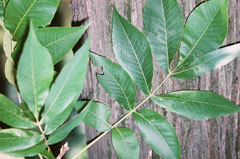
Deep rich soils of floodplains and bottomlands. It grows best on neutral or slightly alkaline soils and tolerates shallow flooding in early spring. Love

Rich moist soils of bottomlands, especially along the sides of streams. Love
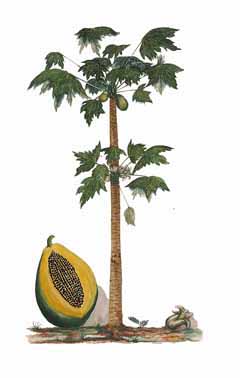
Not known as a truly wild plant Love

A canopy tree that occurs locally, often gregariously, in dense primary forest on limestone or in rather dry rain forest. Love
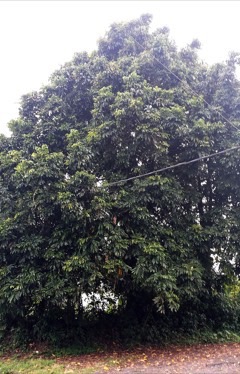
Riverine forest and forest patches or remaining as isolated trees, probably because of the destruction of other forest species. Rain forest, gallery forest and transitional forest. Love
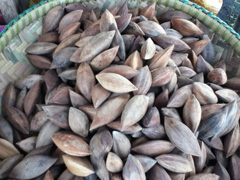
Forests where rainfall is abundant. Low to medium elevations in primary and secondary forests. Love
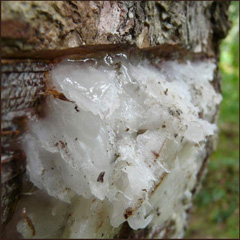
Lowland rainforest. Primary forests at low and medium elevations. Love
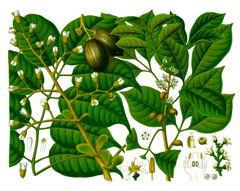
A canopy or subcanopy tree in low elevation rainforests. Usually found near the coast and up to elevations of 450 metres. Love
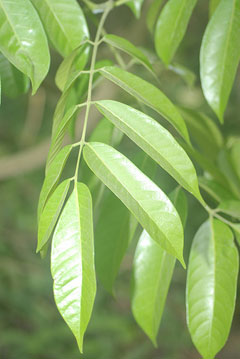
Native to the subtropics of Asia. Love
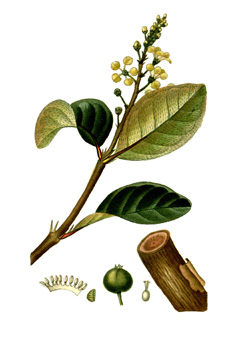
Open pine forests and grassy savannahs, sometimes in extensive stands. Lowland moist or dry thickets and woodland. Love