
Inga vera

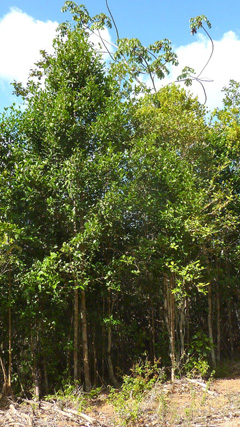
Tropical moist forest. Along riverbanks and in sheltered ravines at elevations of 60 – 700 metres. Prefers damp to wet soils, growing mainly in secondary formations. Love
Tropical moist forest. Along riverbanks and in sheltered ravines at elevations of 60 – 700 metres. Prefers damp to wet soils, growing mainly in secondary formations. Love
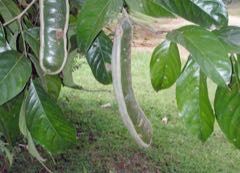
Moist lowland slopes. Love
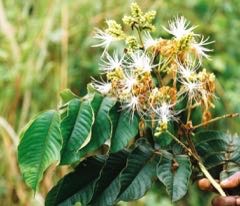
Not known Love
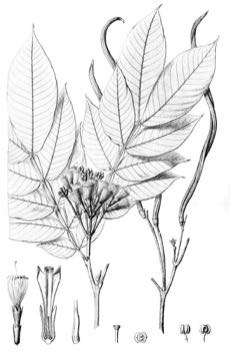
Forests on the riverine flood plains. Moist, wet, or sometimes rather dry forest, or in open places at elevations below 1,500 metres. Thickets and wooded swamps at elevations of 110 – 540 metres in Peru. Love
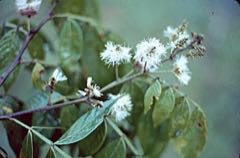
Not known Love

Forests in riverine flood plains in both primary and secondary formations. Love
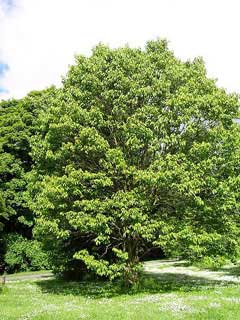
Plains and mountains to 2000 metres in W. China. Secondary forest. Love
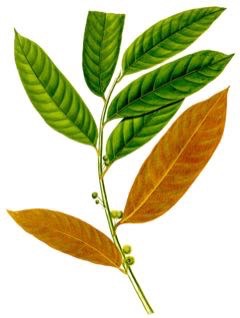
A canopy tree in rainforests at elevations from sea level to 1,600 metres. Love
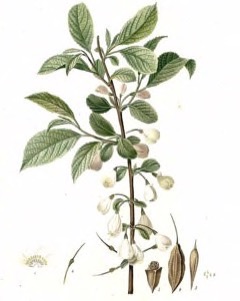
Moist woods along the sides of streams in the mountains. Love
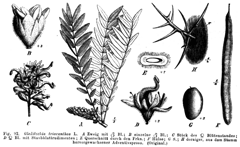
Usually growing singly, though occasionally forming almost pure woods, on the borders of streams and in rich woods, usually in moist fertile soils but sometimes on dry sterile gravelly hills. Love
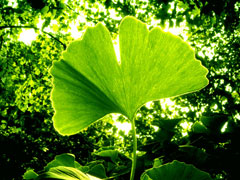
Found wild in only 2 localities at Guizhou and on the Anhui/Zhejiang border, where it grows on rich sandy soils. Love
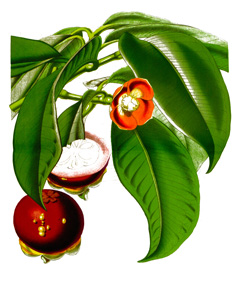
The tree is mostly known from cultivation, but is also probably wild on hillsides and ridges in undisturbed mixed dipterocarp forests at elevations up to 200 metres. Love
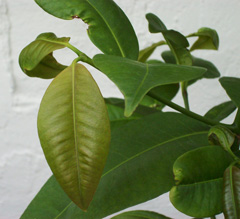
Dry forests with generally sandy soils. Humid, secondary forests, principally in areas not subject to inundation, on sandy, well-drained soils. Found at elevations below 1,200 metres. Love
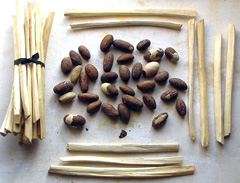
An understorey tree of dense rainforest, often in wet situations, riverine and swamp, found at elevations up to 1,200 metres. Love
Rainforests, usually on land that does not get inundated. Often found in gallery forests. Love