
Caragana arborescens
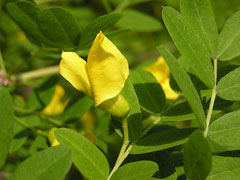
River banks, pebbles, sands, open forests and forest edges, gully slopes and stony slopes. Love
River banks, pebbles, sands, open forests and forest edges, gully slopes and stony slopes. Love

A tropical plant. Love
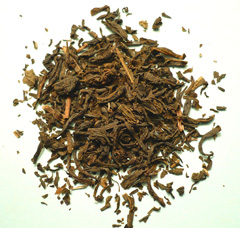
Cool, humid, tropical highlands. Evergreen broad-leaved forests at elevations of 100 – 1,500 metres, occasionally to 1,900 metres in southern China. Love
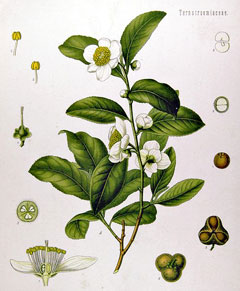
Shaded areas at an elevation of 2100 – 2700 metres in Yunnan. Love
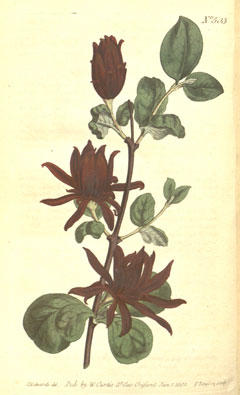
Rich low shady woodlands. Deciduous or mixed woodlands, along streams and rivers, margins of woodlands from sea level to 1850 metres. Love

Secondary vegetation, often in thickets. It is an aggressive colonizer on disturbed sites such as recent landslides and roadsides. Dry to wet thickets, often on steep open slopes, at elevations of 300 – 1,800 metres. Love
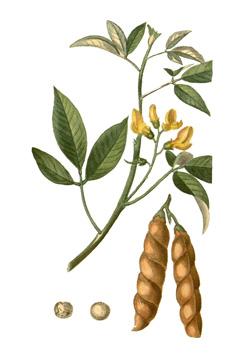
Not known in a truly wild situation. It is , however, sometimes found in grassy habitats in savannahs, shrubland and waste land. Love

It occupies most types of arid-land environment including stony slopes, sand dunes, and cracking-clay plains. It often occurs in desiccated, barren, hard, and even fire-scorched sites. It often sprouts directly out of termite mounds. Love
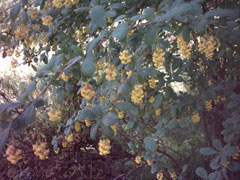
Banks of streams and dry woods. In woods or glades, on rocky slopes and near rivers at elevations of 100 – 700 metres. Love
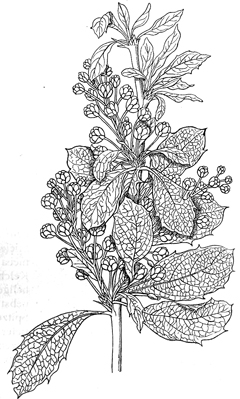
Shrubberies, grassy and rocky slopes up to 2500 metres. Found in heavy shade, on north-facing slopes and on open hillsides in the drier areas. Love
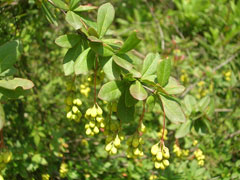
Shrubberies to 3500 metres. Open hillsides at elevations of 1800 – 3000 metres. Love
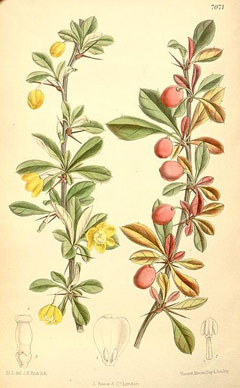
Alpine regions, open places in forests and amongst rocks in river beds to 4500 metres. Love
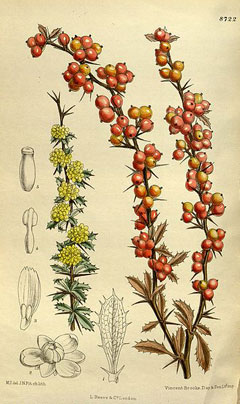
Thickets and streamsides up to 2500 metres in Kansu and W. Szechwan. Love
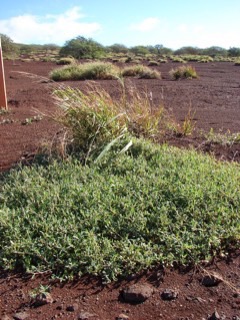
Naturalized in southwest N. America, growing in saline waste places, along roads and sidewalks, in marshes, in various plant communities; at elevations from 10 – 1,000 metres. It grows best in coastal, light, well-drained soils. It suits an open sunny…
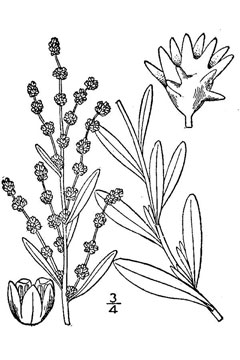
Strongly saline and dry soils. Love