
Hemerocallis fulva
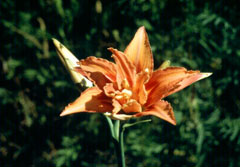
Common and widespread in the wild, probably as an escape from cultivation. Love
Common and widespread in the wild, probably as an escape from cultivation. Love
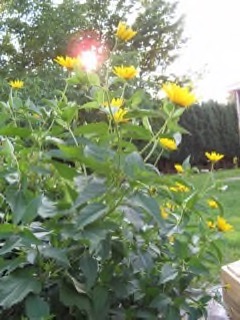
Open woods, woodland borders and clearings, thickets, grassy meadows, savannas, limestone glades, tallgrass prairies, blackland prairies, stream banks and disturbed roadsides or railroad rights of way. Love
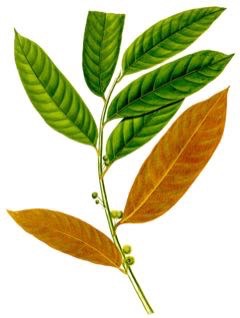
A canopy tree in rainforests at elevations from sea level to 1,600 metres. Love
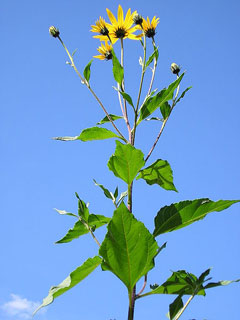
Rich and damp thickets. Love
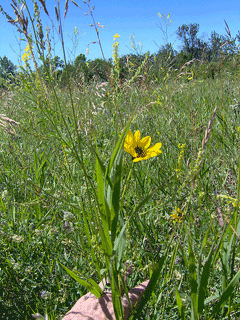
Rich prairies, usually on drier soils. Low moist areas, roadsides and prairies in Texas, often forming large colonies. Love
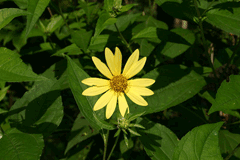
Open woods and thickets, often on drier soils. Love
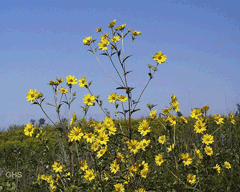
Damp or rich thickets, swampy woods and clearings. Love
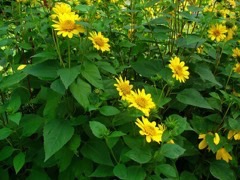
Open woodlands, woodland borders, savannas, partially shaded areas along rivers, meadows, and thickets. Widespread in beech, maple, and red oak forests, especially at borders and openings. Love
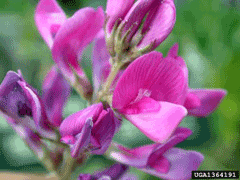
Calcareous gravels and rocky slopes. Love
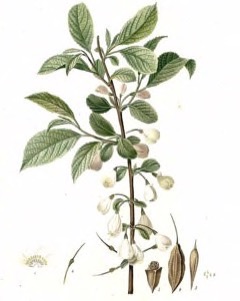
Moist woods along the sides of streams in the mountains. Love
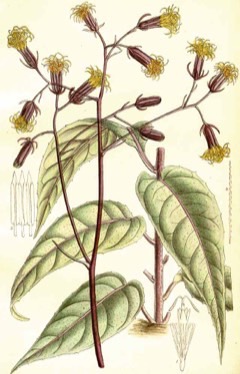
Forest margins and thickets in Africa . By streams in forests, sandy slopes, climbing on shrubs or trees, at elevations around two hundred metres in China . Love
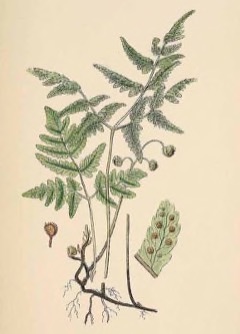
Shady, moist woods, streambanks and wet cliffs preferring mixed coniferous forests. It is equally likely to occur in wetlands or non-wetlands. Love
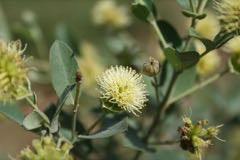
Along rivers and lakes, in forest margins, woodland and grassland, at elevations up to 2,000 metres. Often found in disturbed localities such as abandoned farmland and in secondary woodland. Love
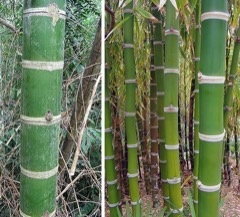
It is a tropical plant. Forms dominant colonies known as “guaduales” or guadua groves which reach their optimum development in the central region of the Andes. Love
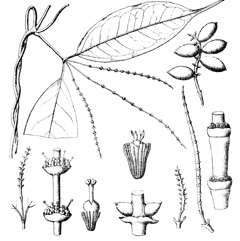
The understorey layer of humid tropical rainforests. Thrives in a wide range of habitats, including farm fallows or abandoned farmland, secondary forests, and closed forest. Love