
Ipomoea batatas

Derived in cultivation, probably from Ipomoea trifida, this species is not known in a truly wild situation. Love
Derived in cultivation, probably from Ipomoea trifida, this species is not known in a truly wild situation. Love

Common in coastal forests, margins of swampy places, along rivers, and even in dry forest. Lowland secondary forest, stream banks, swamps and marshes, mangrove areas, and coconut plantations at elevations from sea level to 500 metres. Love

Tropical moist forest. Along riverbanks and in sheltered ravines at elevations of 60 – 700 metres. Prefers damp to wet soils, growing mainly in secondary formations. Love

Moist, marshy or inundated localities, shallow pools, ditches, rice fields, forming dense masses. Also found along roadsides at elevations from sea-level up to 1,000 metres. Love
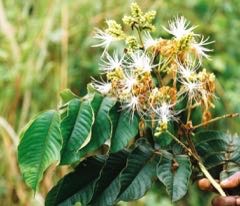
Not known Love
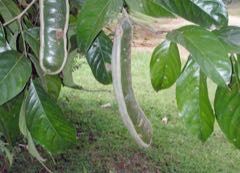
Moist lowland slopes. Love

Forests in riverine flood plains in both primary and secondary formations. Love
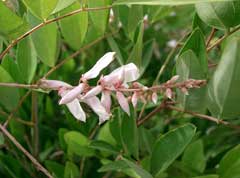
River banks and old stone walls in C. and S. Japan. Love
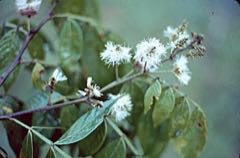
Not known Love
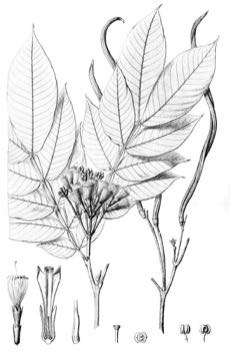
Forests on the riverine flood plains. Moist, wet, or sometimes rather dry forest, or in open places at elevations below 1,500 metres. Thickets and wooded swamps at elevations of 110 – 540 metres in Peru. Love
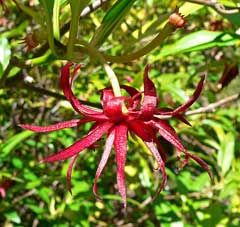
Lowland wet areas, often in sandy soils along streams, swamps and at the head of bays, in light woodland and thickets. Love
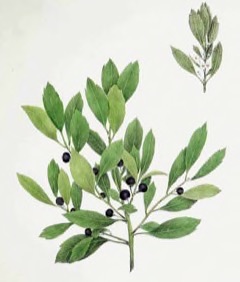
Wet acid soils. Low sandy or peaty soils. Love
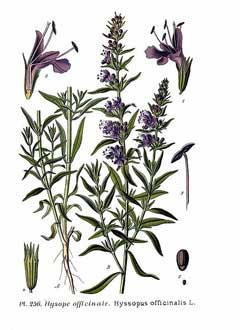
Old walls and buildings, stony places. Dry hills and rock ledges to 2200 metres in Turkey. Love

Open woods, hedgebanks and grassland, in dry sunny places, usually on calcareous soils. Love
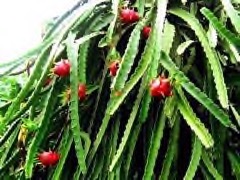
An epiphytic or terrestrial plant, growing in thickets, hedges, on rocks or rock walls, at elevations up to 2,000 metres. Love