
Lactuca perennis
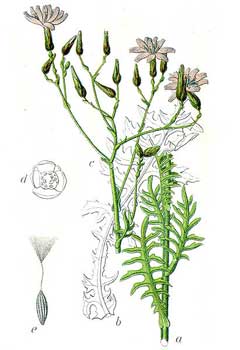
Rocky or other dry places, especially on calcareous soils. Love
Rocky or other dry places, especially on calcareous soils. Love
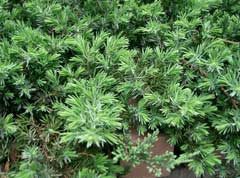
Sandy seashores all over Japan. Love
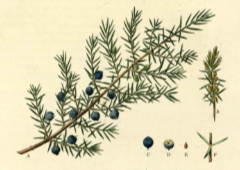
Rocks and moors on mountains and lowland bogs in N. Wales, N. England and Scotland. Love
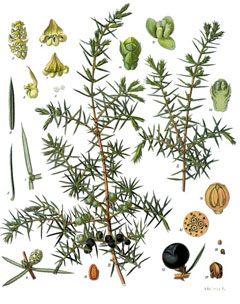
Chalk downs in S. England but only where there is least sunshine and most rain, heaths, moors, pine and birch woods in the north of Scotland on acid peat, often dominant on chalk, limestone and slate. Love
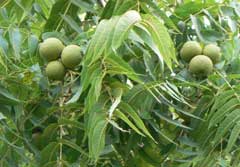
Rich fertile woods and hillsides in deep well-drained soils. Love
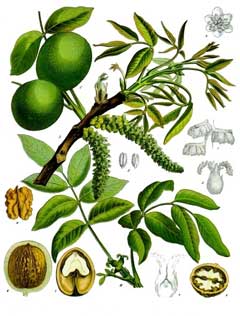
Forests in the Himalayas, preferring a northerly aspect in the west but a southerly or westerly aspect in the east of the range. Love
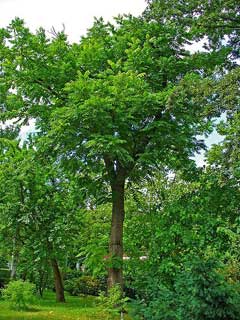
Usually found in rich moist soils of woods and river terraces, but it also grows on dry rocky soils, especially if these are on limestone.. Love
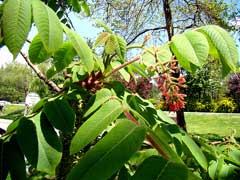
Forests. Love
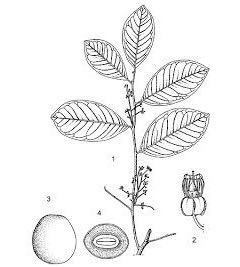
Evergreen lowland forest, mostly seasonally flooded, and on damp soil, beside streams; valley forest; also forest on dry land; in small patches of forest and gallery forest; at elevations around 900 – 1,170 metres. Love
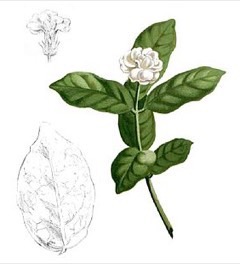
Within its native distribution range, J. sambac occurs in dipterocarp forests. Once naturalized, J. sambac is found growing in disturbed sites, secondary forests, coastal areas, abandoned gardens and orchards near villages. . Found at elevations up to 600 metres Love
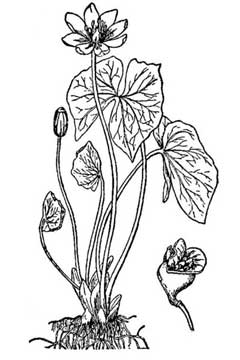
Very rare in the wild, it is found in limestone soils and rich woods near rivers. Love
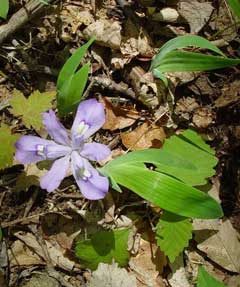
Rich woods, wooded bottoms and ravines, usually in calcareous soils. Love
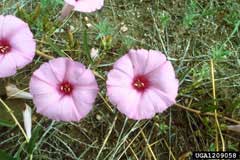
Plains and dry banks, especially on sandy shores. Love
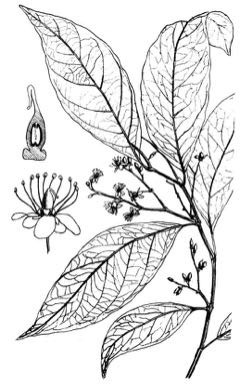
Evergreen dense, moist, lowland rain-forest. Love

Fields, hedgerows and roadsides in dry open or partially shaded areas. Love