
Bambusa polymorpha
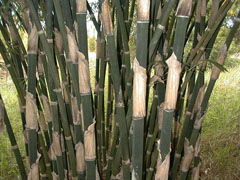
Abundant throughout the more humid types of mixed deciduous forest, particularly on the lower slopes and in well-drained valleys. It flourishes best and reaches its largest dimensions on deep fertile loams. Love
Abundant throughout the more humid types of mixed deciduous forest, particularly on the lower slopes and in well-drained valleys. It flourishes best and reaches its largest dimensions on deep fertile loams. Love

Often found on heavy soils and on marginal land at elevations up to 300 metres, it grows well along river banks, hill slopes and freshwater creeks and tolerates flooding. Love
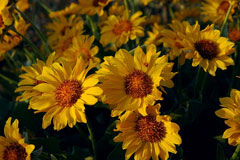
Open hillsides and flat land up to moderate elevations, especially on deep soils. Love
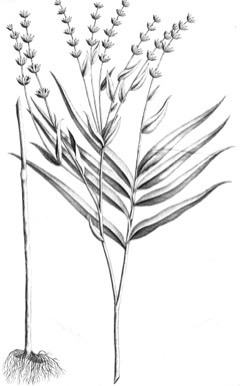
It is a tropical plant. It grows in the lowlands and usually in wet soil. It can grow on limestone. River banks, margins of disturbed lower montane forest, and on lower hill slopes, often on limestone; at low elevations. Love

Found most abundantly in mixed moist deciduous forest, and not so commonly in mixed dry deciduous forest and in semi-evergreen forest, growing best along river valleys and in other moist conditions, on hills at elevations up to 1,000 metres. Love
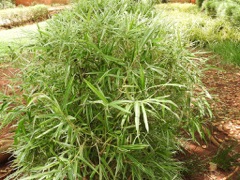
Often planted around villages, it is not known in a wild habitat Love
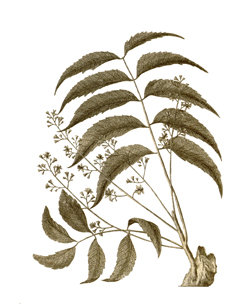
Mixed forests. Evergreen lowland forests. Love
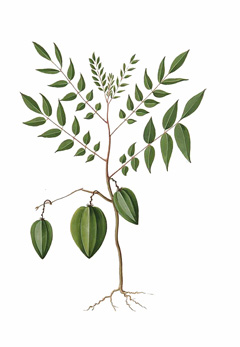
Humid forests and woodland on sandy loam. Love
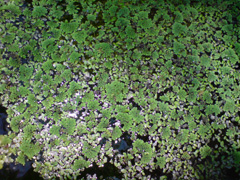
Ponds and backwaters of rivers at elevations of 3 – 1,000 metres. Love
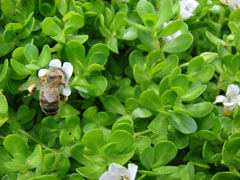
Mud flats in estuarine habitats. Moist and wet places, such as the borders of water channels, wells, irrigated fields etc. Love
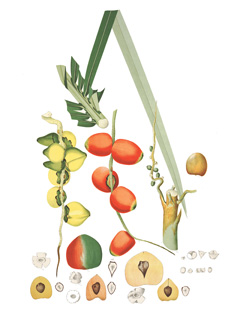
Not known in a truly wild location. Plants are found in disturbed natural ecosystems, principally along riverbeds and primary forest gaps. Love
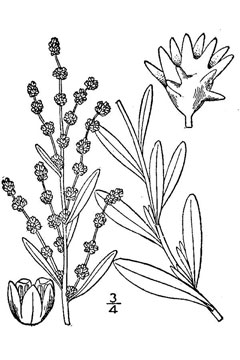
Strongly saline and dry soils. Love
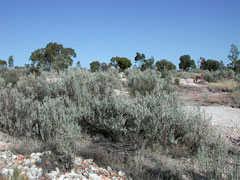
Alkaline places, mainly below 600 metres in California. Love
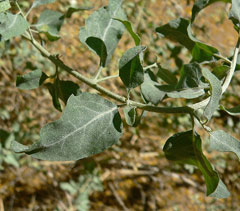
Saline to essentially non-saline drainages, stream and canal banks, roadsides, warm desert shrub, saltbush, and riparian communities at elevations of 70 – 1000 metres. Love
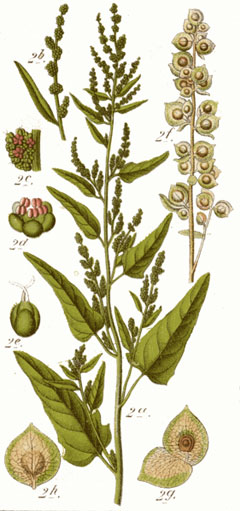
Arable land, waste and disturbed ground, shingle etc. Love