
Casimiroa edulis
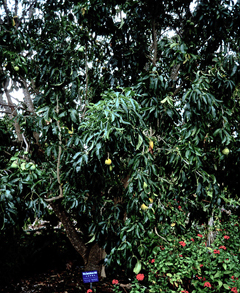
Subtropical deciduous woodlands and low forests. Dryish highland forests at elevations of 600 – 1,000 metres. Love
Subtropical deciduous woodlands and low forests. Dryish highland forests at elevations of 600 – 1,000 metres. Love

Rich moist soils of bottomlands, especially along the sides of streams. Love
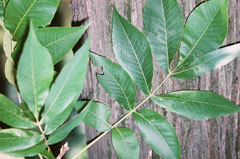
Deep rich soils of floodplains and bottomlands. It grows best on neutral or slightly alkaline soils and tolerates shallow flooding in early spring. Love
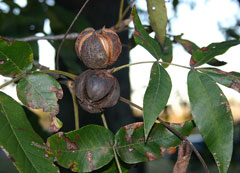
Dry upland slopes, rich deep moist soils and well drained soils of lowland and valleys. Love
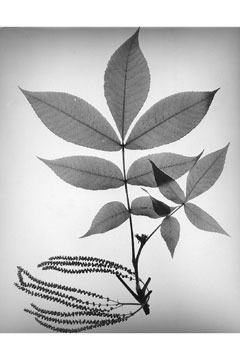
Mainly along ridges, dry hills and hillsides, growing best in rich well-drained soils. Love
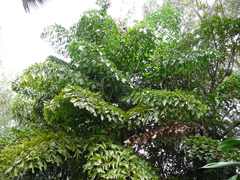
Limestone areas and valley forests at elevations of 370 – 1,500 metres in southern China. An understorey tree in moist lowland and submontane forests. Love

Desert land at high altitudes with virtually no rain in the growing season, 3600 – 4800 metres. Love

By springs, bottomland woods and meadows. Love
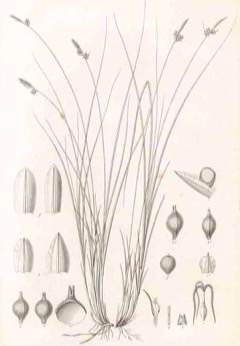
A shade-loving perennial sedge that is native to thickets and dry woodland areas. dry to mesic upland forests and shaded bluff ledges. It typically grows in loose colonies with a creeping habit. Roots are reddish brown. It is often found…
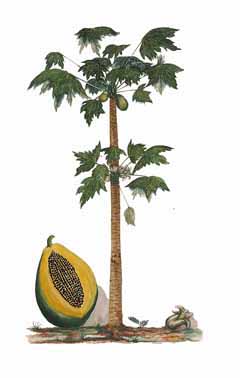
Not known as a truly wild plant Love
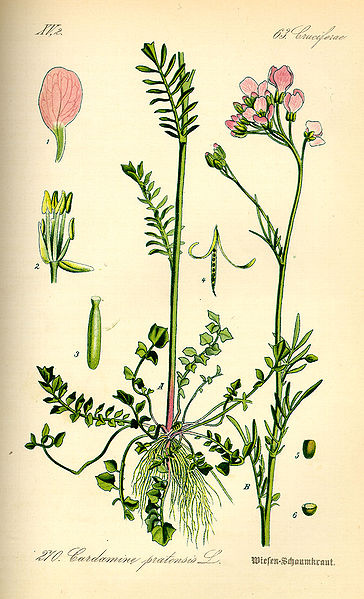
Moist, slightly shady places in meadows and by streams, usually in acid soils. Love
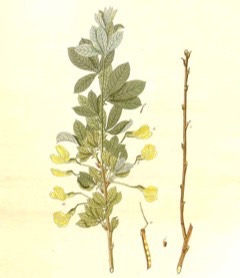
Shrub thickets among feather-grass steppes and steppelike meadows, dry slopes, riverside terraces, shore cliffs, forest margins, and mixed or pine forests. Love
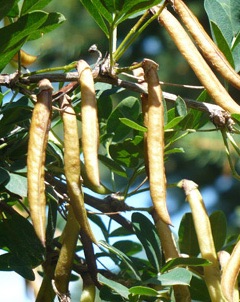
Higher forests, in the undergrowth of fir and oak forests or in open glades on dry ridges from 1500 – 2700 metres. Love
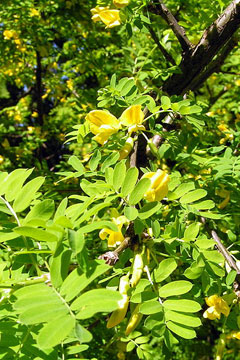
Not known Love
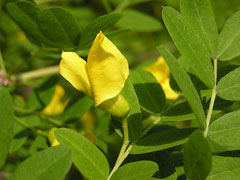
River banks, pebbles, sands, open forests and forest edges, gully slopes and stony slopes. Love