
Celtis laevigata
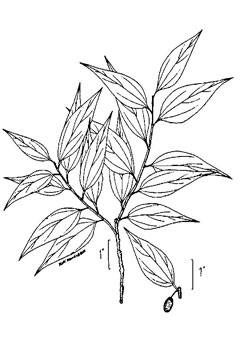
In rich bottomlands along streams, in flood plains, and on rocky slopes, generally in clay soils, from sea level to 300 metres. Love
In rich bottomlands along streams, in flood plains, and on rocky slopes, generally in clay soils, from sea level to 300 metres. Love
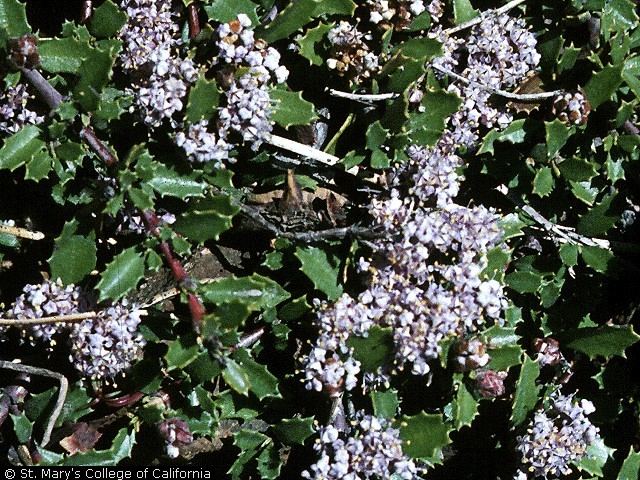
Dry forest floors. Love
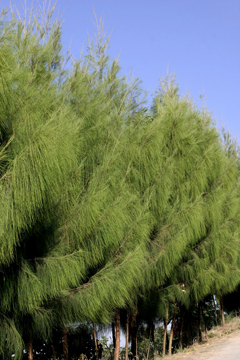
Forms extensive pure stands along river beds and on ridge tops at elevations up to 2,500 metres. Love
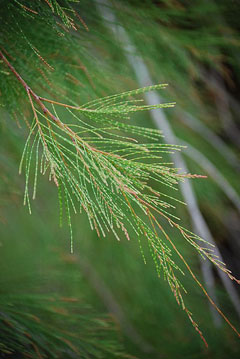
Coastal eucalyptus forests and on moist fertile soils in hilly eucalyptus forests. Experiences frost and snow in the south of its range. Love
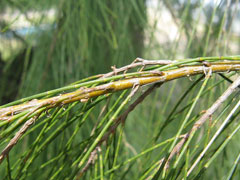
Calcareous sands by the coast, inland on poor rocky soils and on sand overlying clay. Love
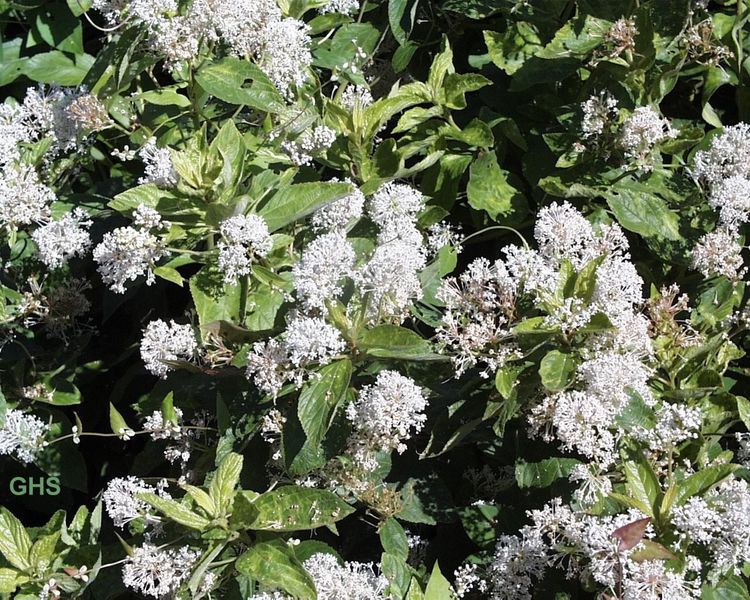
Dry woods and on gravelly banks, often on sandstone or limestone bluffs. Love
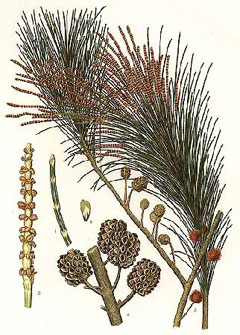
Sandy coastal heaths, especially on poor sandstone soils. Widespread on heath and in open forests. Love
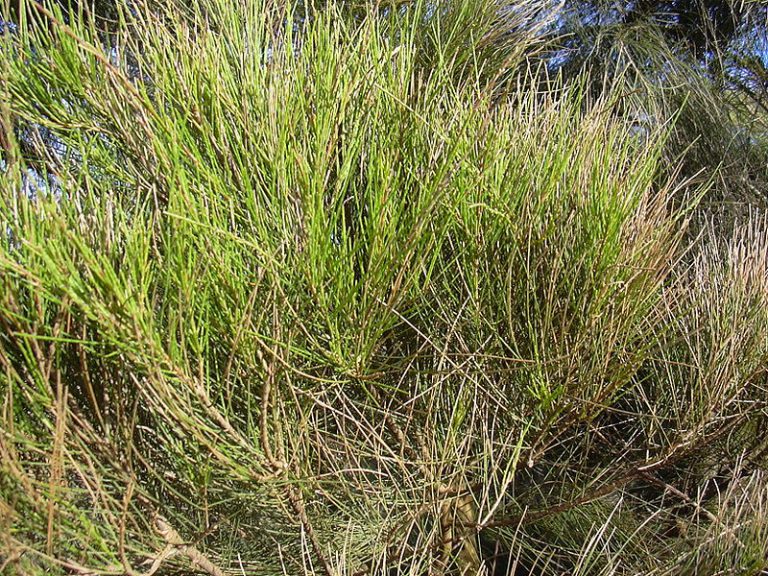
Usually found in swampy localities. Near salt water estuaries, along sluggish creeks and occasionally on rising ground. Love
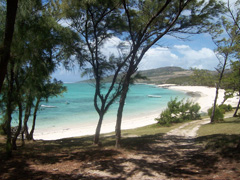
Confined to a narrow strip adjacent to sandy coasts, rarely extending inland to lower hills. Found on sand dunes, in sands alongside estuaries and behind fore-dunes and gentle slopes near the sea Love
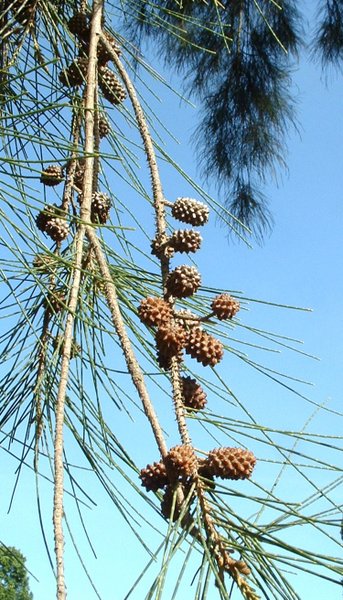
Usually found by freshwater streams in alluvial sands and loams. It experiences severe frosts in some parts of its range. Love
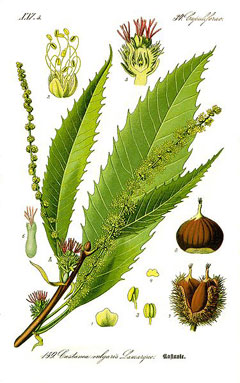
Woods in mountains. Love
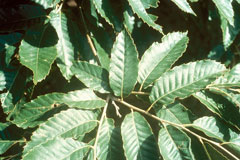
Woods and forests to 2500 metres. Mountain slopes from near sea level to 2,800 metres. Love
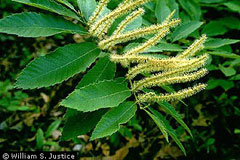
Dry sandy ridges and rich hillsides where it forms thickets, also in woods and on the borders of swamps. Love
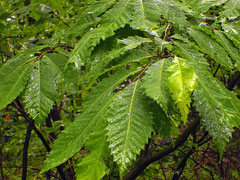
Dry, gravelly or rocky, mostly acid soils. This species is virtually extinct in America due to chestnut blight. Love
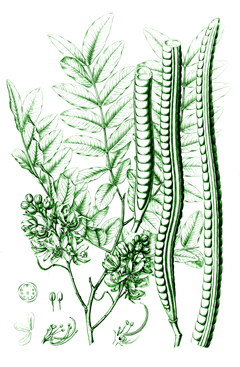
Forests of the floodplains and seasonally flooded forests near lagoons and canals. Most commonly found in secondary formations. Love