
Chimaphila umbellata

Dry coniferous woods in Europe. Moist woods, particularly coniferous stands, and along mountain streams from the lower hills to about 2,500 metres in Western N. America. Love
Dry coniferous woods in Europe. Moist woods, particularly coniferous stands, and along mountain streams from the lower hills to about 2,500 metres in Western N. America. Love
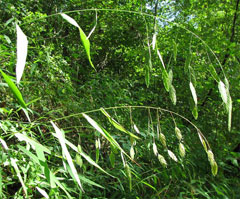
Moist fertile woodlands. Along stream and river banks and in rich deciduous woods. Love
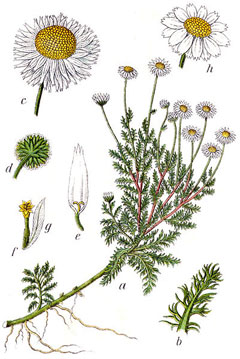
Sandy commons, pastures and grassy roadsides. Love
Widely naturalised in the coastal and sub-coastal regions of northern and eastern Australia. Its current range extends from the coastal districts of northern New South Wales, through south-eastern, central and northern Queensland, the coastal districts of the Northern Territory to…
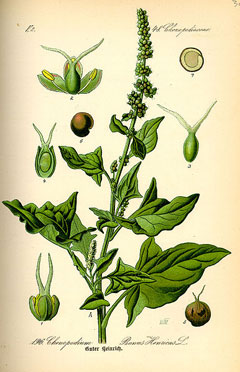
Rich pastures, farmyards, roadsides etc. Love
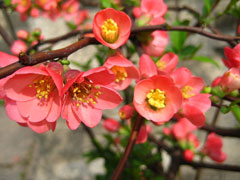
Long cultivated, its natural habitat is now obscure. Love
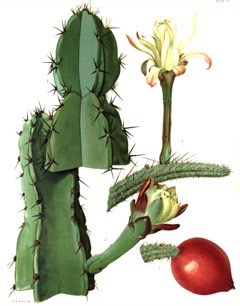
Pampas grassland, seasonal semi-deciduous forests; principally found on plateaux at elevations from 700 – 1,000 metres; showing a preference for thin, rocky soils. Love
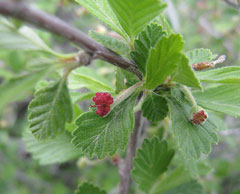
Dry rocky bluffs or mountainsides, 1,000 – 2,700 metres in Texas. Love
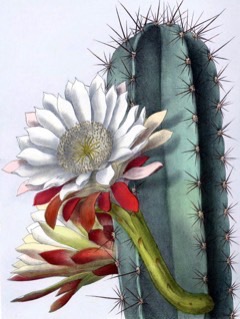
Often grows in thickets, sometimes forming the dominant feature of the landscape. Love
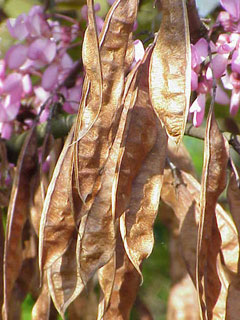
Stony slopes and in arid warm woods. Love
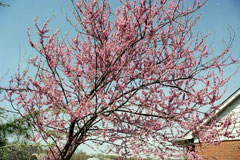
Rich woods, ravines and borders of streams. It often forms a distinct understorey in woodlands. Love
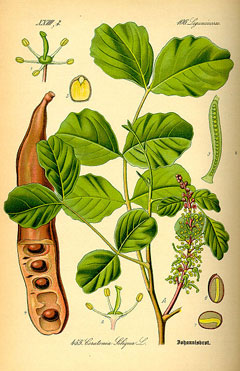
Rocky places near the sea shore. Love
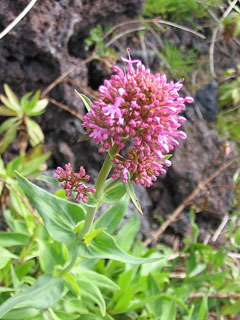
Waste land, rocks, old walls etc. Prefers alkaline conditions. Love

Dry to moist and rich woods, river banks, rocky barrens etc. Frequently found on limestone soils. Love
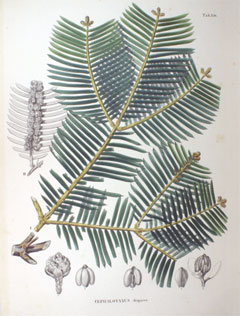
An understorey shrub in woodlands. In temperate deciduous forests at elevations of 600 – 1000 metres. Love