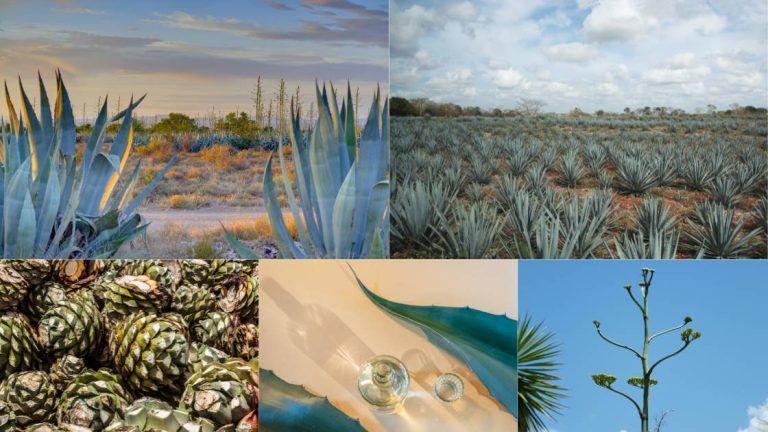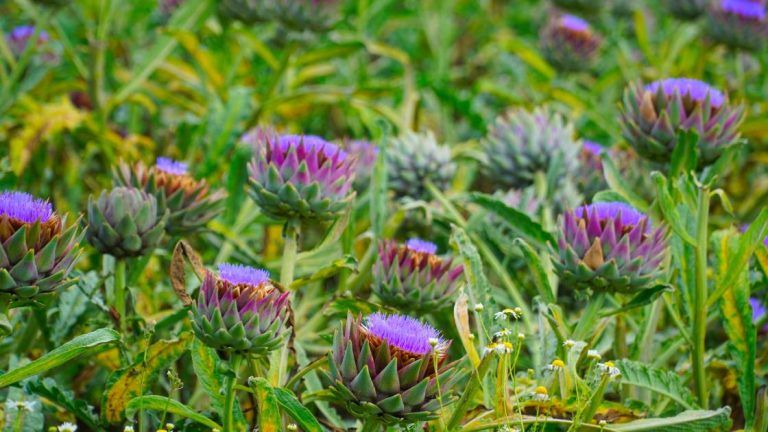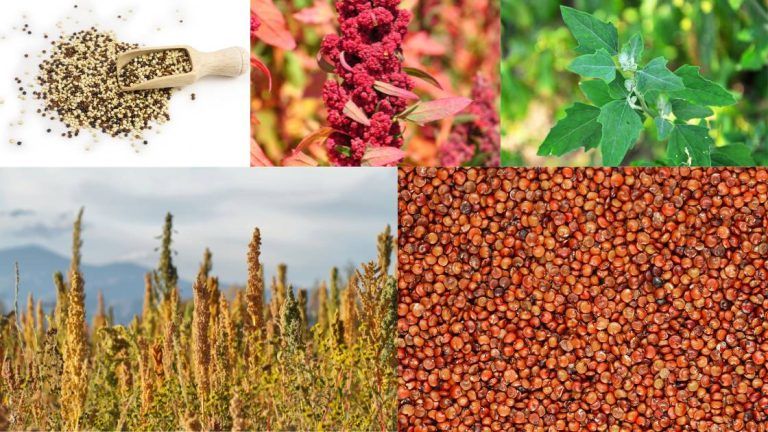

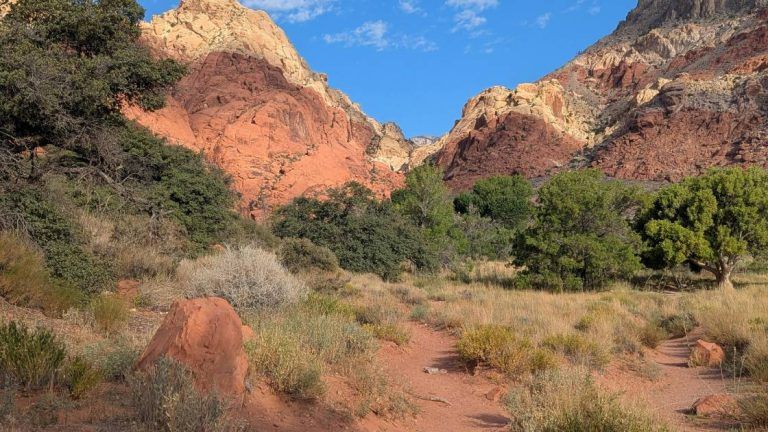
Plants For A Future (PFAF) is delighted to announce a significant update to our free online plant database: an extensive project introducing 946 new and updated entries focused on plants of the American Southwest, including 570 fully revised profiles and 376 entirely new species. This expansion continues PFAF’s multi-year effort to broaden our coverage across global climate zones—temperate, Mediterranean, tropical, subtropical, semi-arid, and arid—reflecting the growing need for climate-resilient food and ecological plants.
Over the last several years, PFAF has undertaken a systematic improvement of our database through major research projects that informed our books Plants for Your Food Forest: 500 Plants for Temperate Food Forests and Permaculture Gardens, Food Forest Plants for Mediterranean Conditions, and Food Forest Plants for Hotter Conditions (Tropical & Subtropical). Each book brought new species into the database and deepened information on many existing plants.
The new Southwestern Wild Foods Project builds upon this foundation, adding drought-adapted, heat-tolerant, high-resilience species from one of the most botanically diverse arid regions in the world.
A Collaboration with Brian Lee Phillips: Bringing “The Botany of Survival” Into PFAF
This major update is supported by Brian Lee Phillips, author of The Botany of Survival: A Forager’s Experience in the American Southwest, who has generously allowed PFAF to integrate portions of his extensive research into the database.
The Botany of Survival stands out as one of the most comprehensive works ever produced on edible wild plants of the region:
- 1,280 pages of detailed, field-based plant knowledge
- 900+ edible species, each linked to an original literature citation
- 2,700+ photographs documenting identifying features and edible parts
- Extensive evaluation of abundance, reliability, processing challenges, flavour, aroma, and practicality
- Coverage spanning the Chihuahuan, Sonoran, and Mojave Deserts, and up into the mountains of Utah and Nevada
Brian’s work combines careful botanical description with rare, first-hand accounts of edible potential and foraging realities—insights that are especially crucial in harsh or variable climates.
PFAF is honoured to bring this knowledge into the public domain via our searchable online database.
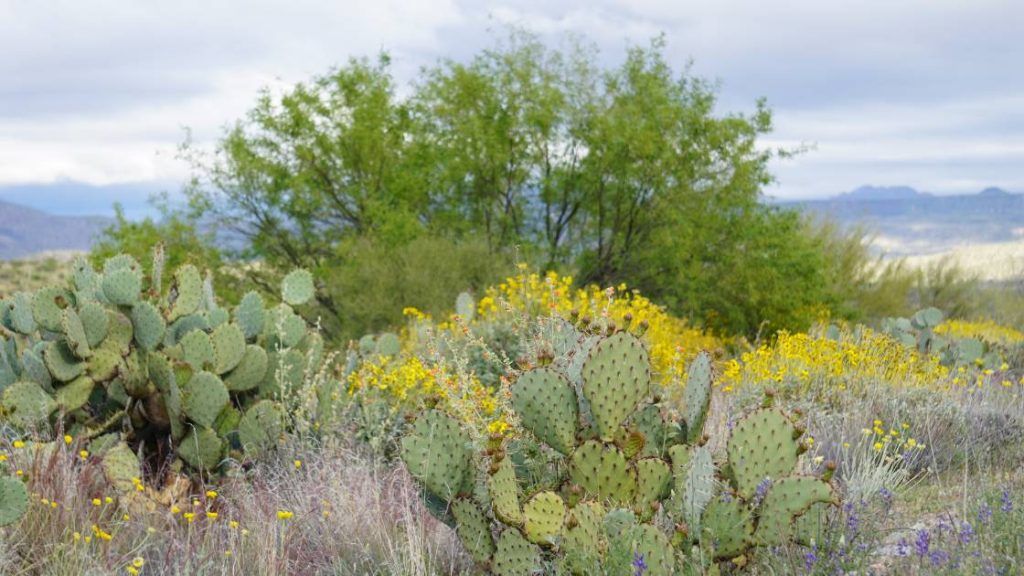
What the New PFAF Update Will Contain
The Southwest update enriches each plant profile with detailed, user-relevant categories—many of which have been refined through PFAF’s recent book projects and our users’ needs. Updated and new entries will include expanded information such as:
- Edible Uses & Rating
- Taste, Processing & Kitchen Notes
- Seasonality (Phenology)
- Harvest & Processing Workflow
- Traditional / Indigenous Use Summary
- Identification & Habit
- Look-Alikes & Confusion Risks
- Safety & Cautions (Food Use)
- Ecology & Wildlife
This level of detail supports gardeners, food foresters, foragers, herbalists, restoration workers, and researchers who require clear, field-ready plant intelligence—not just botanical theory.
For arid and semi-arid species, especially, information on safety (toxicity, salts, alkaloids), processing difficulty, ecological interactions, and correct identification is essential.
Why the American Southwest Matters
The American Southwest is a global hotspot for:
- drought-adapted perennials, shrubs, trees, and succulents
- native edible species with long Indigenous use histories
- plants adapted to extreme heat, low rainfall, and episodic nutrient availability
- ecological analogues for Mediterranean, semi-arid, and arid regions worldwide
As gardeners and land stewards confront climate instability, interest in heat- and drought-resilient species is rapidly growing. By adding these plants—many of which remain absent from popular edible-plant references—PFAF empowers people everywhere to design landscapes suited for the future.
This update is especially valuable for those working on:
- climate-resilient agroforestry
- dryland food forest design
- ecological restoration
- rewilding and habitat enhancement
- Indigenous food knowledge recovery
- resilient community agriculture
About The Botany of Survival
Brian Lee Phillips’ The Botany of Survival is a long-term field study and documentation project. Every species listed as edible is linked to primary literature, and nearly half were encountered, examined, photographed, and tasted in the wild.
Coverage includes:
- deserts, plateaus, and canyons
- high mountain meadows and forest edges
- riparian corridors and ephemeral streams
- volcanic fields, gypsum soils, and alkaline flats
Plants are presented with rich detail about their practicality as food, including texture, flavour intensity, processing labour, seed collection challenges, and survival value under harsh conditions.
This deep experiential knowledge makes Brian’s work a natural fit for PFAF’s mission to provide accessible, trustworthy, evidence-rich information to the public.
About Plants For A Future
Plants For A Future (PFAF) offers free access to a database of more than 8,000 useful plants, including edible, medicinal, wildlife-supporting, and multifunctional species. We also host a Native Plants Search tool and continually improve the database with new research and verified references.
We are a small charitable organisation that relies mainly on modest donations from many supporters. Our work benefits food forest projects, community gardens, educators, researchers, and land stewards around the world.
If you value open-access plant knowledge, please consider supporting us through pfaf.org.

Looking Ahead
Over the coming months, PFAF users will see updated and new plant entries gradually appear across the database. This expansion marks a meaningful step forward in our mission: empowering people worldwide to grow resilient, ecologically sound, and diverse plant systems, regardless of climate.
By integrating arid-region species, field-based data, and new ethnobotanical insights, PFAF continues to evolve alongside the changing landscapes our communities inhabit.