
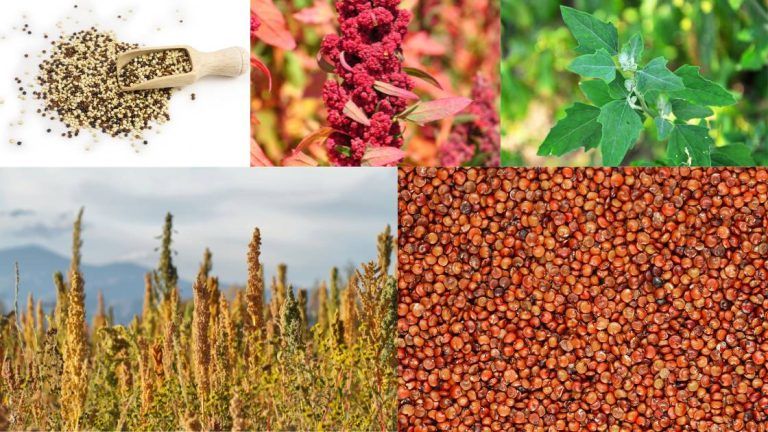
The genus Chenopodium, commonly known as goosefoots, includes a wide range of plants that have fed people for thousands of years. While many species are now dismissed as weeds, others remain important food plants—used for leafy greens, grain-like seeds, and traditional dishes worldwide.
Interest in Chenopodium is growing again among students, growers, and researchers exploring ethnobotany, food security, resilient crops, and sustainable agriculture.
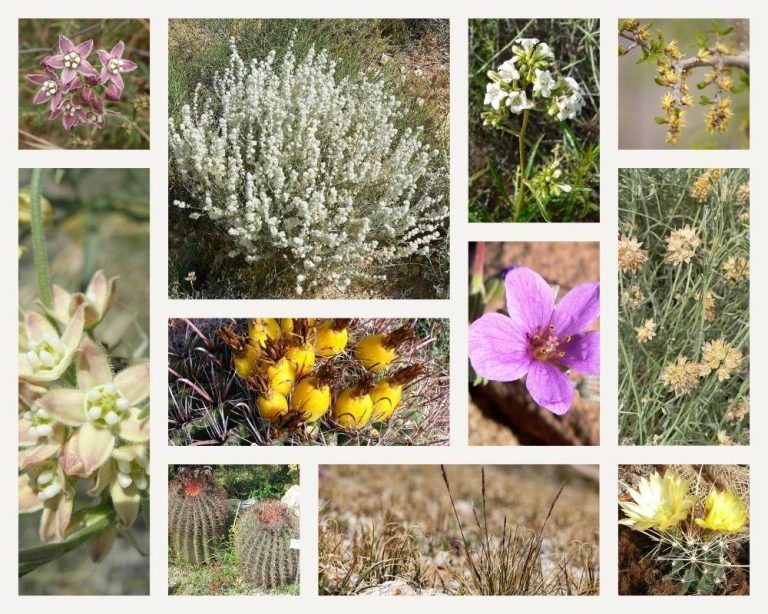
Plants For A Future (PFAF) is currently working on a new project:
PFAF Announces Major Southwest Expansion: 946 New and Updated Plants Coming to the Database
As part of this work, three new Chenopodium species have been added, and 12 existing species have been extensively updated, with clearer information on edibility, preparation, and safety.
Table of Contents
- The Amaranthaceae family
- General characteristics of the Chenopodium genus
- Edibility and safety considerations
- Top 10 edible Chenopodium species
- Other uses of Chenopodium species
- Frequently Asked Questions
- Glossary
- Key takeaways
The Amaranthaceae family
Chenopodium belongs to the Amaranthaceae family, one of the most food-rich plant families worldwide. This family includes quinoa, spinach, beetroot, chard, and grain amaranths.
Common traits of the family include:
- High nutritional value
- Rapid growth
- Tolerance of poor soils, drought, and salinity
These traits explain why Chenopodium species appear repeatedly in traditional food systems across Europe, Asia, Africa, and the Americas.
General characteristics of the Chenopodium genus
Chenopodium is a diverse and adaptable genus.
Growth habit
- Mostly annual herbs
- A smaller number of perennial species
Size
- From compact plants under 50 cm
- To tall, leafy species exceeding 2 m
Habitat
- Gardens, agricultural land, roadsides, riverbanks
- Especially common in disturbed or marginal soils
Growing conditions
- Full sun to light shade
- Broad soil tolerance (including alkaline and poor soils)
- Moderate water needs, with some drought tolerance
These traits make Chenopodium highly relevant to low-input and climate-resilient agriculture.
Edibility and safety considerations
Many Chenopodium species are edible, but proper preparation is essential.
Common plant compounds include:
- Saponins – bitter compounds, mainly in seeds
- Oxalates – present mostly in leaves, especially older growth
General guidance reflected in PFAF entries:
- Rinse or soak seeds thoroughly before use
- Cook leaves, particularly mature ones
- Consume in moderation, especially if sensitive to oxalates
This makes Chenopodium a useful case study in the balance between nutrition and plant chemistry.
Top 10 edible Chenopodium species in the PFAF database
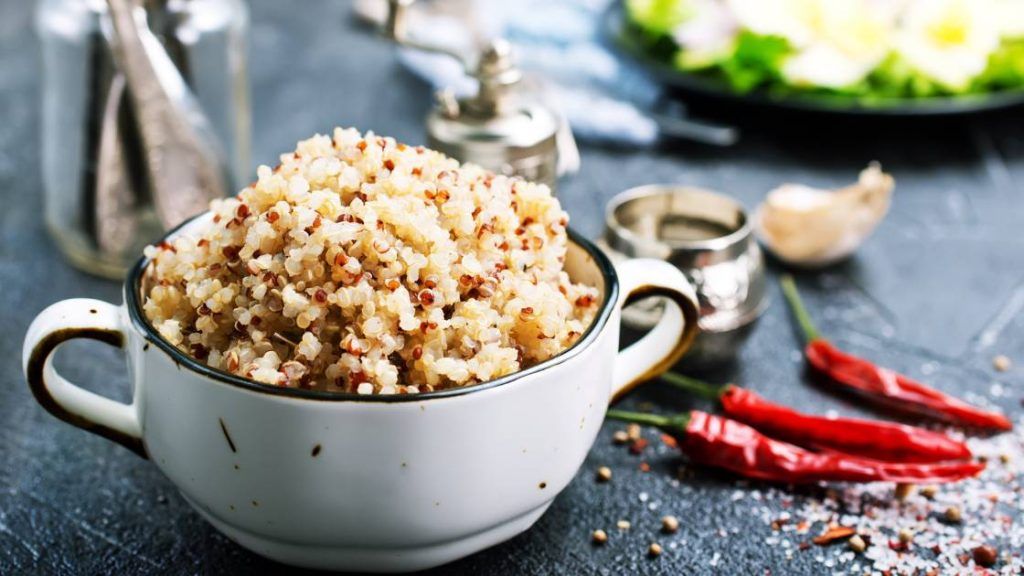
Chenopodium quinoa — Quinoa
- Seeds used worldwide as a nutritious grain substitute (rinse/soak to remove bitterness).
- Young leaves can also be used as cooked greens.
Chenopodium bonus-henricus — Good King Henry
- A traditional European perennial vegetable.
- Leaves cooked like spinach; young shoots can be prepared like asparagus.
Chenopodium fremontii — Fremont’s Goosefoot
- Valued mainly for its seeds; leaves are usually considered bitter.
- Historically important as a traditional food plant in parts of North America.
Chenopodium nuttalliae — Huauzontle
- Used as a leafy vegetable and for tender flowering shoots in traditional cuisine.
- Seeds can also be used after appropriate washing/processing.
Chenopodium album — Fat Hen / Lambsquarters
- One of the most widely used edible “wild greens” (best cooked, especially when mature).
- Seeds can be used like a small grain after processing.
Chenopodium capitatum — Strawberry Blite
- Leaves are the main edible part; red seed clusters are edible but mild.
- Often noted for its distinctive appearance.
Chenopodium foliosum — Leafy Goosefoot
- Leaves are used as cooked greens; fruits/seeds are also recorded as edible.
- Sometimes grown for both food and ornamental value.
Chenopodium giganteum — Tree Spinach
- Tall, high-yield leafy plant; leaves are typically used cooked.
- Seeds are also edible but small and require processing.
Chenopodium incanum — Mealy Goosefoot
- Leaves used as cooked greens.
- Seeds recorded as a useful wild grain after processing.
Chenopodium leptophyllum — Slimleaf Goosefoot
- Seeds recorded as nutritious and grain-like after processing.
- Leaves can be used cooked; often noted for toughness in drier conditions.
Other uses of Chenopodium species
Beyond food, PFAF records also document:
- Traditional medicinal uses (with caution)
- Natural dyes and pigments
- Hardy plants suitable for soil restoration
Frequently Asked Questions
Are all Chenopodium species edible?
No. Many are edible, but not all. Accurate identification and reliable sources are essential.
Can Chenopodium leaves be eaten raw?
Young leaves can be eaten raw in small amounts, but cooking is generally recommended.
Why do the seeds need rinsing?
To remove saponins, which taste bitter and can irritate the digestive system.
Why are these plants often called weeds?
Because they grow easily in disturbed soils—not because they lack value.
Glossary
Amaranthaceae – A plant family including quinoa, spinach, beet, and amaranth
Annual – A plant that completes its life cycle in one year
Perennial – A plant that lives for more than two years
Saponins – Bitter compounds that must be removed from some seeds
Oxalates – Naturally occurring acids found in many leafy plants
Key takeaways
- Chenopodium is a globally significant edible genus
- Many species provide nutritious leaves and grain-like seeds
- Preparation matters for safe and enjoyable use
- The genus is highly relevant to resilient food systems
- PFAF’s recent expansion makes reliable information more accessible
| Latin Name | Common Name | Habit | Height | Hardiness | Edible | Medicinal | Other |
|---|---|---|---|---|---|---|---|
| Chenopodium ambrosioides | Mexican Tea. Epazote. | Annual/Perennial | 1.0 | 6-11 | 2.0 | 3.0 | 3.0 |
| Chenopodium incanum | Mealy Goosefoot | Annual | 0.5 | 4-9 | 3.0 | 0.0 | 3.0 |
| Chenopodium leptophyllum | Slimleaf goosefoot | Annual | 0.6 | 4-9 | 3.0 | 0.0 | 3.0 |
| Chenopodium album | Fat Hen, Lambsquarters | Annual | 0.9 | 3-10 | 3.0 | 2.0 | 2.0 |
| Chenopodium ambrosioides anthelminticum | Wormseed | Annual/Perennial | 1.0 | 7-10 | 2.0 | 3.0 | 2.0 |
| Chenopodium berlandieri | Pitseed goosefoot | Annual | 1.2 | 4-10 | 2.0 | 0.0 | 2.0 |
| Chenopodium botrys | Jerusalem oak leaf goosefoot | Annual | 0.6 | 5-10 | 2.0 | 2.0 | 2.0 |
| Chenopodium californicum | California Goosefoot | Annual | 0.6 | – | 2.0 | 1.0 | 2.0 |
| Chenopodium fremontii | Fremont's goosefoot | Annual | 0.6 | 4-9 | 4.0 | 0.0 | 2.0 |
| Chenopodium giganteum | Tree Spinach | Annual | 2.4 | 4-8 | 3.0 | 0.0 | 2.0 |
| Chenopodium graveolens | Foetid Goosefoot | Annual | 0.4 | 4-9 | 1.0 | 1.0 | 2.0 |
| Chenopodium pratericola | Desert Goosefoot | Annual | 0.7 | 4-9 | 3.0 | 0.0 | 2.0 |
| Chenopodium quinoa | Quinoa, Goosefoot, Pigweed, Inca Wheat | Annual | 1.5 | 10-12 | 5.0 | 0.0 | 2.0 |
| Chenopodium rubrum | Red Goosefoot | Annual | 0.6 | 3-9 | 3.0 | 0.0 | 2.0 |
| Chenopodium spp. | Perennial quinoa | Perennial | 2.0 | 4-10 | 5.0 | 3.0 | 2.0 |
| Chenopodium acuminatum | Annual | 0.6 | – | 2.0 | 0.0 | 1.0 | |
| Chenopodium auricomum | Queensland Bluebush | Annual | 1.8 | – | 2.0 | 0.0 | 1.0 |
| Chenopodium bonus-henricus | Good King Henry | Perennial | 0.3 | 4-8 | 4.0 | 2.0 | 1.0 |
| Chenopodium bushianum | Bush's goosefoot | Annual | 0.6 | 0-0 | 2.0 | 0.0 | 1.0 |
| Chenopodium canihua | Annual | 0.0 | – | 2.0 | 0.0 | 1.0 | |
| Chenopodium capitatum | Strawberry Blite, Blite goosefoot | Annual | 0.6 | 3-9 | 3.0 | 1.0 | 1.0 |
| Chenopodium cristatum | Crested Goosefoot | Annual | 0.6 | – | 2.0 | 1.0 | 1.0 |
| Chenopodium ficifolium | Fig-Leaved Goosefoot | Annual | 0.9 | 4-8 | 2.0 | 0.0 | 1.0 |
| Chenopodium foliosum | Leafy goosefoot | Annual | 0.6 | 4-8 | 3.0 | 0.0 | 1.0 |
| Chenopodium glaucum | Oak-Leaved Goosefoot | Annual | 0.3 | – | 2.0 | 0.0 | 1.0 |
| Chenopodium hybridum | Annual | 1.5 | – | 2.0 | 1.0 | 1.0 | |
| Chenopodium murale | Nettleleaf Goosefoot | Annual | 0.6 | 0-0 | 2.0 | 0.0 | 1.0 |
| Chenopodium nuttalliae | Huauzontle, Nuttall's goosefoot | Annual | 0.6 | 0-0 | 4.0 | 0.0 | 1.0 |
| Chenopodium opulifolium | Seaport goosefoot | Annual | 0.8 | 0-0 | 2.0 | 0.0 | 1.0 |
| Chenopodium overi | Over's goosefoot | Annual | 0.8 | 0-0 | 2.0 | 0.0 | 1.0 |
| Chenopodium pallidicaule | Cañihua | Annual | 0.6 | – | 3.0 | 0.0 | 1.0 |
| Chenopodium polyspermum | All-Seed, Manyseed goosefoot | Annual | 0.9 | 0-0 | 2.0 | 0.0 | 1.0 |
| Chenopodium schraderianum | Annual | 1.2 | – | 2.0 | 1.0 | 1.0 | |
| Chenopodium simplex | Mapleleaf goosefoot | Annual | 1.2 | 0-0 | 2.0 | 0.0 | 1.0 |
| Chenopodium stenophyllum | Annual | 0.0 | – | 2.0 | 0.0 | 1.0 | |
| Chenopodium suecicum | Annual | 0.0 | – | 2.0 | 0.0 | 1.0 | |
| Chenopodium urbicum | City goosefoot | Annual | 0.6 | 0-0 | 2.0 | 0.0 | 1.0 |
| Chenopodium virgatum | Annual | 0.6 | – | 2.0 | 0.0 | 1.0 | |
| Chenopodium viride | White Goosefoot, Pigweed | Annual | 0.9 | 0-0 | 2.0 | 0.0 | 1.0 |
| Chenopodium vulvaria | Stinking Goosefoot. Arrach – Wormseed | Annual | 0.3 | 4-8 | 2.0 | 1.0 | 1.0 |