
Amelanchier lamarckii
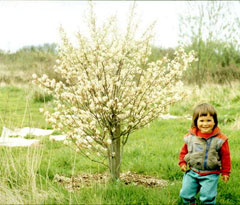
Possibly no longer found in its original wild habitat, it is naturalized in S. England on sandy heaths and damp acid woods. Love
Possibly no longer found in its original wild habitat, it is naturalized in S. England on sandy heaths and damp acid woods. Love
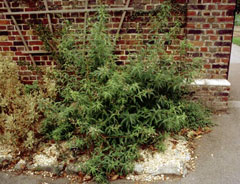
Fields and roadsides. Open scrub. Love
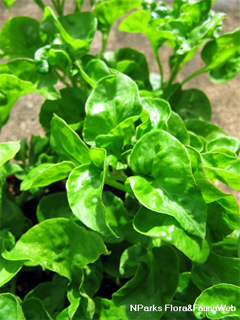
Not known Love
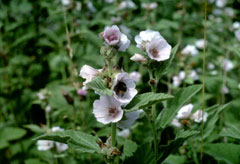
The upper margins of salt and brackish marshes, sides of ditches and grassy banks near the sea. Love

A weed of wasteland and agricultural land. Love
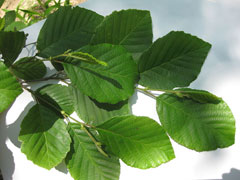
Moist lowlands, such as swamps, and along ponds and streams where it forms thickets. Love
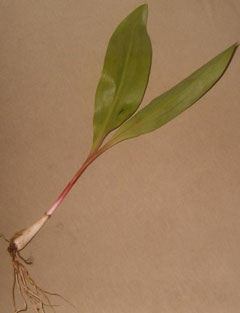
Rich woods and bottoms, preferring slopes and streamsides. Usually in beech and maple woods. Love
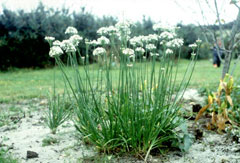
Not known in a truly wild situation. Love
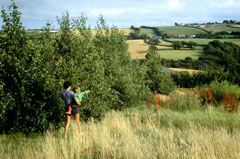
Very rarely self-sown in Britain, but not naturalised. Love
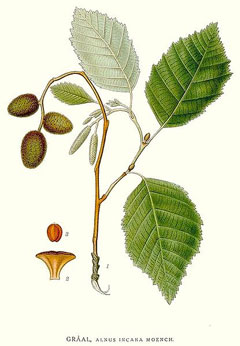
Mountains, especially on poor soil. Love
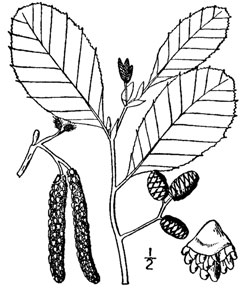
Wet sandy or gravelly soils, usually along streams and rivers, but also in ponds and swamps. It is only found in open sunny areas, being unable to compete in dense shade. Love
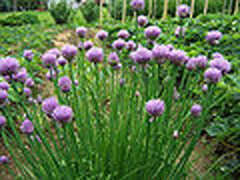
Rocky pastures and damp meadows, preferring calcareous soils. Love
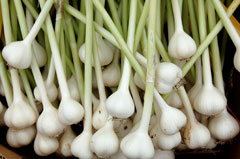
Not known in a truly wild situation. Love
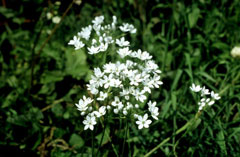
Dry grassy places and fields. Love
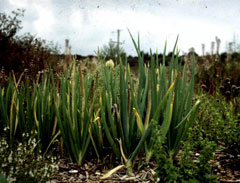
Cultivated for over 1000 years, it is not known in the wild. Love