
Lonicera villosa
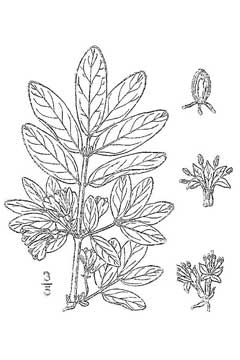
Peaty or rocky barrens, bogs and bushy places, especially on limestone. Love
Peaty or rocky barrens, bogs and bushy places, especially on limestone. Love
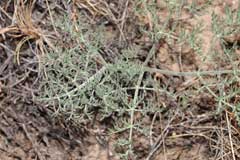
Open rocky hills and plains, not extending much into the mountains. Love
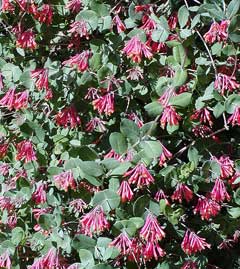
Borders of woods and thickets. Love
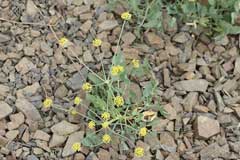
Dry open or lightly wooded areas at low to moderate elevations Love
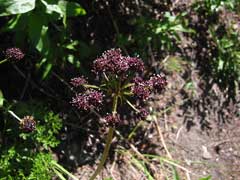
Open, often rocky slopes and dry meadows, often on talus. Love
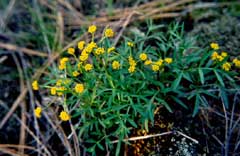
Dry often open rocky slopes and flats, often with sagebrush, especially in foothills and lowland, occasionally above the treeline. Love

Wet woods and by streams on sandy or peaty soils. Stream banks, low woods, margins of wetlands; uplands, especially with exposed limestone, from sea level to 1200 metres. Love
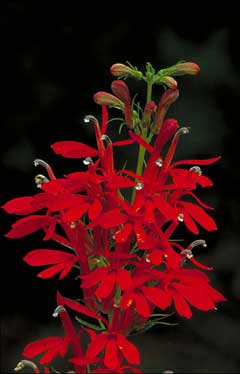
Damp shores, meadows and swamps. Love
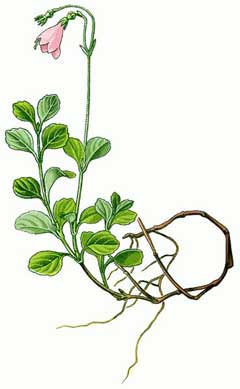
Woods, especially pine, and in the shade of rocks to elevations of 725 metres in N. Britain. Love
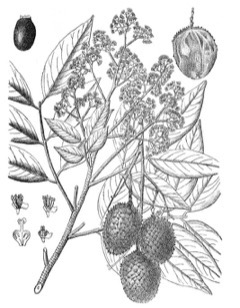
The tree has been in cultivation for so long that wild forms are no longer believed to exist. Love

In or at the edge of water. Shallow swamps, ditches, pools and wet rice fields, occurring usually in stagnant fresh water. Love
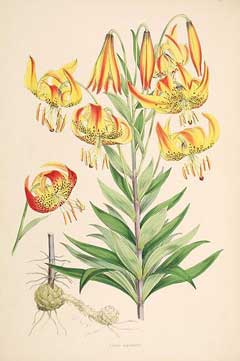
Peaty meadows, swales, wet sands and swampy woods. Love
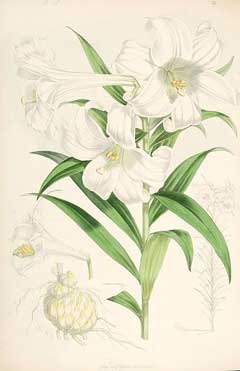
By the coast, often in pockets of coral rock. Love

Long cultivated and not known in a truly wild situation, though it can naturalise in woodlands.. Possibly of hybrid origin involving L. leichtlinii and L. maculatum. Love

Heavy, often somewhat alkaline, meadows to montane forest. Usually found in drier woodlands on acid sandy loams. Love