

Our New Book Release – With 20% Off!
Food Forest Plants for Mediterranean Conditions
350+ Perennial Plants for Food Forests & Permaculture Gardens
(Paperback & eBook)
Special Offer:
If you’re in the UK or the US, order directly from the printer and save 20% off the cover price.
Also available through your favourite bookshop or on:
If you can’t find it on your local Amazon site, search the ISBN: 9781068292200
Why This Book?
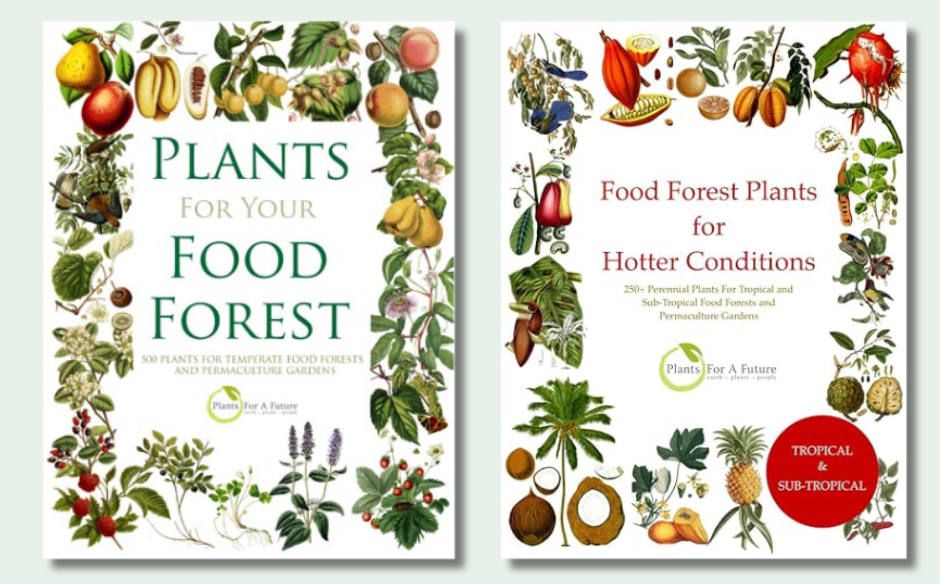
This is the third book in our acclaimed series of food forest guides, following volumes on temperate and tropical climates.
Now, we focus on the Mediterranean zone — hot, dry summers, cool, wet winters, and the growing challenge of climate change.
Whether you’re planting in southern Europe, California, South Africa, Australia, or the Middle East, this guide helps you:
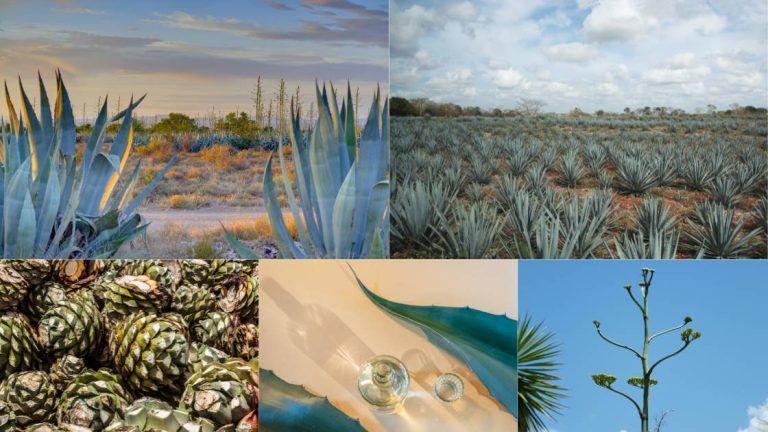
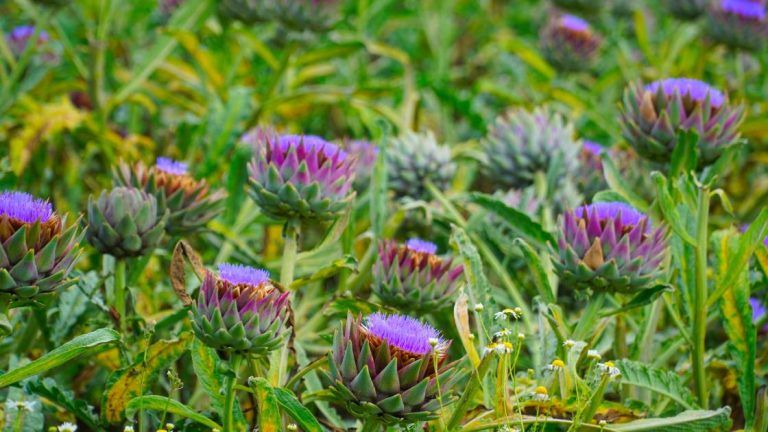
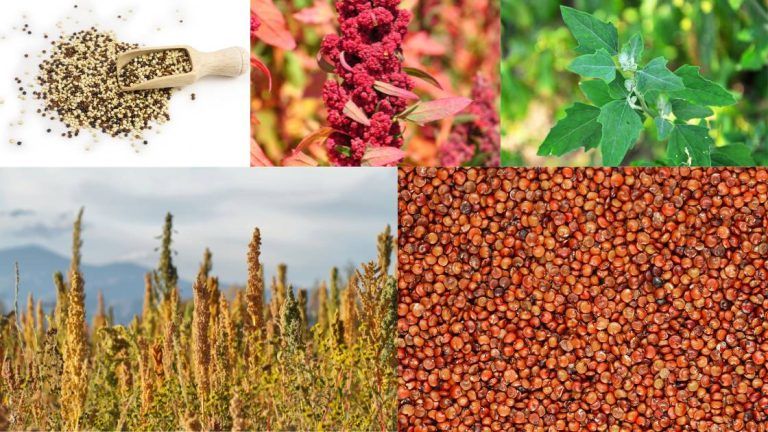
- Find plants that thrive in dryland conditions
- Learn what’s edible and when to harvest
- See how long trees take to bear fruit or nuts
- Improve soil health, fix nitrogen, and attract wildlife
More Than Edible Plants
This guide draws on the renowned PFAF database plus research from permaculture projects worldwide.
Some plants may surprise you. They’re not always edible — but they play a vital role in restoring soil, healing land, and preparing the way for long-term harvests.
🌿 The right plants, in the right climate, can regenerate landscapes and nourish communities — year after year.
Food Forest Plants for Mediterranean Conditions is not just for gardeners in Spain or California — it’s for anyone whose garden is facing the reality of hotter, drier summers.
A Resource for Shifting Climates
For gardeners in traditionally temperate zones, this guide provides a ready-made toolkit for adapting to a hotter, drier future. The very plants chosen for Mediterranean food forests — hardy, drought-tolerant, multi-functional species — are exactly the ones that will help temperate gardeners cope with longer dry spells and heatwaves.
Why It Matters for Temperate Gardens
If your temperate garden is increasingly feeling Mediterranean, this book bridges the gap. It helps you:
- Swap water-hungry plants for drought-tolerant alternatives.
- Design gardens and food forests that thrive with less water.
- Build resilient ecosystems that are better prepared for climate extremes.