
Agaves: Edible and Medicinal Desert Plants for Climate-Resilient Landscapes
Agaves are among the most important edible plants ever developed in arid environments. These slow-growing perennials store large reserves of energy in their hearts, allowing them to function as dependable food sources where conventional crops struggle.
Many species also have documented medicinal uses, while others provide fiber, natural soap compounds, wildlife habitat, and structural value in drought-tolerant landscapes.
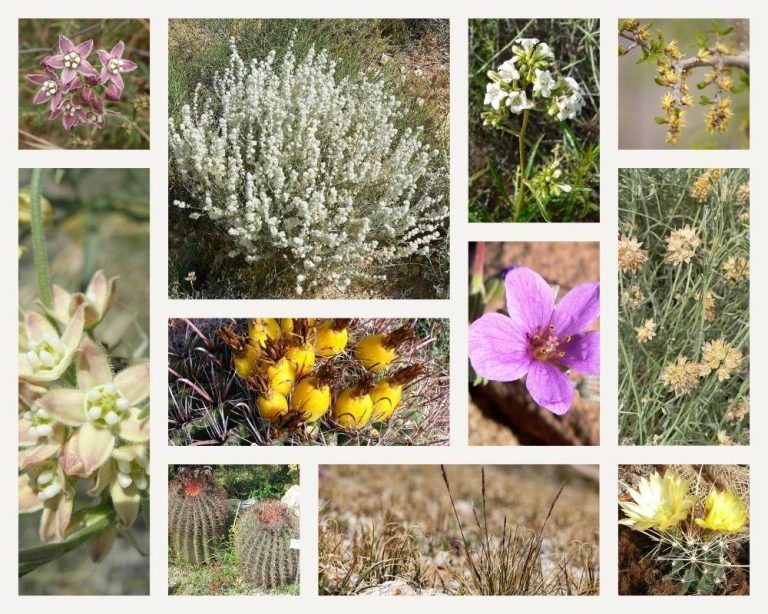
Plants For A Future (PFAF) has significantly expanded its coverage of desert food plants through the Southwest Expansion project, adding hundreds of climate-adapted species — including five newly profiled agaves:
This guide examines which agaves are edible, which offer medicinal potential, and why this ancient genus may become increasingly important as agriculture adapts to hotter, drier conditions.
Are Agaves Edible?
Yes — many agave species are edible after proper preparation. The most commonly consumed part is the carbohydrate-rich heart, which is typically slow-roasted to convert complex sugars and reduce naturally occurring irritating compounds.
Young flower stalks are also eaten, and sap may be processed into syrup or fermented beverages. However, not all species are equally suitable for food, and careful identification is essential.
Key Takeaways
- Agaves are long-lived perennial food plants adapted to dry climates.
- The heart is the primary edible portion, traditionally pit-roasted or baked.
- Several species have recorded medicinal uses, particularly involving sap.
- Agaves provide fiber, natural soap compounds, and wildlife resources.
- They are increasingly relevant for climate-resilient gardening and food systems.
- PFAF’s Southwest Expansion greatly improves access to reliable species data.
Why Agaves Matter More Than Ever
For thousands of years, agaves helped sustain cultures across the deserts of North America. Their strategy is simple but powerful: grow slowly, defend stored energy, and release it in one dramatic flowering event.
As water scarcity intensifies globally, plants capable of producing calories with minimal irrigation are drawing renewed attention from researchers, land managers, and climate-aware gardeners.
Agaves are not fast crops — but they are remarkably dependable once established.
Understanding the Agave Genus
- Family: Asparagaceae
- Habit: Evergreen perennial
- Typical height: 0.4–7.5 metres
- Light: Full sun
- Water needs: Low
- Flowering strategy: Usually monocarpic (flower once, then die)
Their large rosettes of armored leaves protect substantial carbohydrate reserves — the biological foundation of their edible value.
Edible vs Medicinal Agaves — Quick Comparison
| Species | Edible Rating | Medicinal Rating | Primary Strength |
|---|---|---|---|
| Agave tequilana | 4/5 | 0/5 | Exceptional carbohydrate source |
| Agave americana | 3/5 | 3/5 | Best dual-purpose species |
| Agave parryi | 3/5 | 1/5 | Sugar-rich heart |
| Agave deserti | 3/5 | 0/5 | Classic desert food plant |
| Agave lechuguilla | 1/5 | 2/5 | Medicinal and fiber uses |
| Agave sisalana | 2/5 | 2/5 | Industrial fiber + medicinal chemistry |
The Most Important Edible Agaves
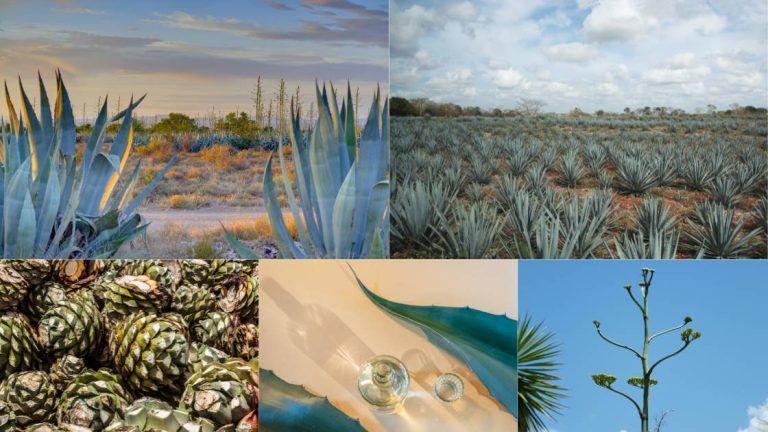
Blue Agave (Agave tequilana)
The highest-rated edible agave in the PFAF database. Its large, sugar-rich heart demonstrates how desert plants can provide meaningful calorie production.
American Century Plant (Agave americana)
A giant among agaves and one of the most versatile species — edible, medicinal, and structurally dramatic.
Parry’s Agave (Agave parryi)
Known for particularly sweet hearts, making it well suited to roasting.
Medicinal Leaders
While agaves are better known as food plants, several species have documented traditional uses.
The sap — chemically active and biologically potent — appears repeatedly in ethnobotanical records.
Top medicinal candidates include:
Safety and Preparation
Agaves are not convenience foods.
Most contain saponins that can irritate the digestive system if eaten raw. Traditional slow cooking converts stored carbohydrates into digestible sugars while improving flavour.
Always research species carefully before consumption.
Beyond Food: The Hidden Strengths of Agaves
- Fiber for rope, textiles, and brushes
- Natural soap compounds
- Critical nectar sources for wildlife
- Exceptional drought tolerance
- High structural value in low-water landscapes
The Future of Desert Food Plants
If agriculture is forced to adapt to hotter and drier climates, it will likely borrow strategies from plants that already thrive there.
Agaves represent one of the clearest examples of this resilience.
They are not fast-growing crops — but they may prove invaluable in long-term climate-adapted planting systems.
The sharpest plants often store the sweetest reserves.
Frequently Asked Questions
Which agave is most edible?
Agave tequilana currently holds one of the highest edible ratings in the PFAF database.
Do agaves die after flowering?
Most species are monocarpic and die after producing seed.
Why must agaves be cooked?
Cooking reduces irritating compounds and converts complex carbohydrates into sugars.
Are agaves good for drought-resistant gardens?
Yes — many species thrive with minimal irrigation once established.
Can agaves be used medicinally?
Some species have traditional uses, but professional guidance is recommended.