Translate this page:
Summary
Physical Characteristics

 Taraxacum mongolicum is a PERENNIAL growing to 0.2 m (0ft 8in). The species is hermaphrodite (has both male and female organs) and is pollinated by Insects. The plant is self-fertile.
Suitable for: light (sandy), medium (loamy) and heavy (clay) soils and prefers well-drained soil. Suitable pH: mildly acid, neutral and basic (mildly alkaline) soils. It can grow in semi-shade (light woodland) or no shade. It prefers moist soil.
UK Hardiness Map
US Hardiness Map
Synonyms
Plant Habitats
Cultivated Beds;
Edible Uses
Edible Parts: Flowers Leaves Root
Edible Uses: Coffee Tea
Young leaves - raw or cooked[177]. The following uses are also probably applicable to this species, though we have no records for them[K] Root - cooked[183]. Flowers - raw or cooked[183]. The unopened flower buds can be used in fritters[183]. The whole plant is dried and used as a tea[177, 183]. A pleasant tea is made from the flowers. The leaves and the roots can also be used to make tea. The root is dried and roasted to make a coffee substitute.
References More on Edible Uses
Medicinal Uses
Plants For A Future can not take any responsibility for any adverse effects from the use of plants. Always seek advice from a professional before using a plant medicinally.
Antibacterial Cancer Cholagogue Decongestant Depurative Diuretic Febrifuge Galactogogue
Hepatic Laxative Stomachic
The whole plant is antibacterial, cholagogue, decongestant, depurative, diuretic, febrifuge, galactogogue, laxative and stomachic[147, 176]. The plant has an antibacterial action, inhibiting the growth of Staphylococcus aureus, Pneumococci, Meningococci, Bacillus dysenteriae, B. typhi, C. diphtheriae, Proteus etc[176]. A decoction is used in treating abscesses, appendicitis, boils, liver problems, stomach disorders etc[147, 218]. It has been used for over 1,000 years by the Chinese in treating breast cancer and other disorders of the breasts including poor milk flow[218]. The stem has been used in the treatment of cancer[218].
References More on Medicinal Uses
Other Uses
References More on Other Uses
Cultivation details
We have very little information on this species and do not know if it will be hardy in Britain, though judging by its native range it should succeed outdoors in many parts of the country. The following notes are based on the general needs of the genus. Prefers a well-drained humus-rich soil in full sun or light shade. Many species in this genus produce their seed apomictically. This is an asexual method of seed production where each seed is genetically identical to the parent plant. Occasionally seed is produced sexually, the resulting seedlings are somewhat different to the parent plants and if these plants are sufficiently distinct from the parents and then produce apomictic seedlings these seedlings are, in theory at least, a new species.
References Carbon Farming Information and Carbon Sequestration Information
Temperature Converter
Type a value in the Celsius field to convert the value to Fahrenheit:
Fahrenheit:
Plant Propagation
Seed - sow spring in a cold frame and either surface-sow or only just cover the seed. Make sure the compost does not dry out. Germination should take place within 2 weeks. Prick out the seedlings into individual pots when they are large enough to handle, choosing relatively deep pots to accommodate the tap root. Plant them out in early summer. Division in early spring as the plant comes into growth.
Other Names
If available other names are mentioned here
Native Range
TEMPERATE ASIA: Russian Federation-Eastern Siberia (Eastern Siberia), Mongolia, Russian Federation (Primorye, Amur), China (Anhui Sheng, Fujian Sheng, Gansu Sheng, Guangdong Sheng, Guizhou Sheng, Hebei Sheng, Heilongjiang Sheng, Henan Sheng, Hubei Sheng, Hunan Sheng, Jiangsu Sheng, Jilin Sheng, Liaoning Sheng, Nei Mongol Zizhiqu, Qinghai Sheng, Shaanxi Sheng, Shandong Sheng, Shanxi Sheng, Sichuan Sheng, Yunnan Sheng, Zhejiang Sheng), Korea
Weed Potential
Right plant wrong place. We are currently updating this section.
Please note that a plant may be invasive in one area but may not
in your area so it's worth checking.
Conservation Status
IUCN Red List of Threatened Plants Status :
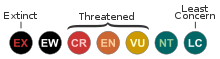
IUCN Red List
Growth: S = slow M = medium F = fast. Soil: L = light (sandy) M = medium H = heavy (clay). pH: A = acid N = neutral B = basic (alkaline). Shade: F = full shade S = semi-shade N = no shade. Moisture: D = dry M = Moist We = wet Wa = water.
Support Plants For A Future
Plants For A Future relies on regular donations to keep our free database and search facilities going, to pay for ongoing research, improvements and enhancements, and to develop and publish new books.
Read more
Choose Currency
Donate in £ GBP
Donate in $ USD
Donate in € EUR
Securely pay via PayPal or Credit/Debit Card without an account.
Expert comment
Author
Hand-Mazz.
Botanical References
Links / References
For a list of references used on this page please go here
Readers comment
© 2010, Plants For A Future. Plants For A Future is a charitable company limited by guarantee, registered in England and Wales. Charity No. 1057719, Company No. 3204567.