Translate this page:
Summary
Curlycup gumweed is a conspicuous, resinous wildflower of roadsides, rangelands, dry fields, and other open disturbed habitats across much of North America. Its bright yellow flower heads are surrounded by strongly recurved green bracts coated with a sticky white or clear resin. This resin gives the plant its common name and explains many of its traditional medicinal uses. The leaves and flower heads have occasionally been described as chewing material or tea ingredients, but they are not suitable foods. Their acrid resins, bitter compounds, and potential to accumulate selenium substantially outweigh their culinary value. Curlycup gumweed is better appreciated as a medicinally important native plant, late-season pollinator resource, and possible restoration species than as something to eat or drink. Curlycup gumweed, Grindelia squarrosa, belongs to the sunflower family (Asteraceae) and the genus Grindelia. Common names include curlycup gumweed, curlytop gumweed, gumplant, tarweed, rosinweed, and resinweed. It is generally hardy in approximately USDA Zones 3–9. Depending on climate and growing conditions, it behaves as an annual, biennial, or short-lived perennial. Plants usually grow about 30–90 cm tall, although individuals may range from approximately 15–100 cm, with a mature spread of around 30–60 cm.
Physical Characteristics

 Grindelia squarrosa is a BIENNIAL/PERENNIAL growing to 0.9 m (3ft) by 1 m (3ft 3in) at a fast rate.
See above for USDA hardiness. It is hardy to UK zone 3. It is in flower from July to September. The species is hermaphrodite (has both male and female organs) and is pollinated by Insects.
Suitable for: light (sandy) and medium (loamy) soils, prefers well-drained soil and can grow in nutritionally poor soil. Suitable pH: mildly acid, neutral and basic (mildly alkaline) soils. It cannot grow in the shade. It prefers dry or moist soil and can tolerate drought.
UK Hardiness Map
US Hardiness Map
Synonyms
Aurelia squarrosa (Pursh) Cass. ex Steud. Donia squarrosa Pursh
Plant Habitats
Cultivated Beds;
Edible Uses
Edible Parts:
Edible Uses: Gum Tea
The leaves and immature or flowering heads have been chewed as a gum-like material or steeped in water, but they should not be considered normal edible plant parts. Their texture does not resemble commercial chewing gum: the vegetable tissues quickly break apart, leaving an intensely bitter, resinous and potentially irritating mass [2-3]. Tea can be prepared from leaves or flower heads, but hot water extracts the same acrid and bitter constituents that make the fresh plant unpleasant. Because the plant can accumulate selenium and contains concentrated resins and other biologically active compounds, routine consumption is not recommended [2-3]. Edible Uses & Rating: Curlycup gumweed has negligible food value. A small amount of a resinous flower head may historically have been chewed, and weak preparations have been used medicinally, but neither use makes it a meaningful wild food. An appropriate edibility rating is 1,/5. Its classification as a gum or tea plant describes possible methods of use rather than culinary quality or safety. It should not be gathered as a beverage ingredient, trail food or substitute for ordinary chewing gum. Taste, Processing & Kitchen Notes: The initial aroma can be pleasant, warm and resinous, but the flavor is strongly acrid, bitter and medicinal. Flower heads are sometimes marginally less unpleasant than mature leaves, although their sticky resin and tough bracts remain difficult to tolerate. A faint sweetness may lie beneath the harsher flavors, but it does little to improve the overall experience. Boiling does not transform the plant into an acceptable vegetable. Instead, it transfers bitter resins and soluble compounds into the water. Multiple water changes would also remove most of whatever flavor or minor nutritional value the plant possessed, while offering no certainty that undesirable compounds had been eliminated. Curlycup gumweed should therefore not be included in soups, stews, salads, herb teas, or seasoning mixtures. Its medicinal preparations belong within informed herbal practice, not ordinary kitchen use [2-3]. Seasonality (Phenology): Plants emerge during spring or early summer and usually flower from midsummer into autumn. In much of the interior West, blooming may extend from July to September or October, making gumweed particularly conspicuous when many earlier wildflowers have finished. The sticky resin often accumulates on developing flower heads before the yellow florets open fully. Seeds mature progressively after flowering. Dead flowering stems and heads may remain standing through winter, while new plants establish from seed during later favorable seasons. Safety & Cautions (Food Use): Consumption is not recommended. Curlycup gumweed can accumulate selenium from soils. Selenium is an essential nutrient in very small amounts but becomes toxic at higher doses. Soil selenium cannot be reliably judged by appearance, and plant concentrations may vary considerably among sites. The resinous leaves and flower heads may also cause burning, itching or irritation of the mouth, throat, skin or digestive tract. People sensitive to plants in the sunflower family may experience contact dermatitis or allergic reactions. Medicinal gumweed products may affect respiratory secretions and other physiological processes. People who are pregnant, breastfeeding, taking medicines, or managing kidney, liver, or cardiovascular conditions should not self-medicate with wild-collected material. Livestock access may also require management where selenium accumulation is suspected. Harvest & Processing Workflow: Curlycup gumweed is not recommended for food harvesting. When material is collected for botanical study or professionally supervised medicinal preparation, gloves may be useful because the resin adheres readily to fingers, tools, and containers. Flower heads are typically collected near flowering, when resin production is conspicuous. They must be positively identified, gathered from uncontaminated sites and dried with strong ventilation. Roadside stands should be avoided because they may be exposed to vehicle pollution, herbicides, dust, and contaminated runoff. No home processing method can reliably determine or remove selenium or standardize the concentration of active resin compounds. Boiling, drying and roasting should not be presented as ways to make the plant safe for ordinary consumption [2-3]. Cultivar/Selection Notes: There are no established food cultivars. Native seed suppliers may offer regional collections for restoration, pollinator plantings and low-water landscapes. Local provenance is preferable where ecological restoration is the goal. Selection for horticulture could emphasize compact growth, prolonged flowering, reduced lodging and reliable seed establishment. Resin content should not be interpreted as a food-quality characteristic. Look-Alikes & Confusion Risks: Curlycup gumweed resembles several other yellow-flowered members of the sunflower family. It can also be confused with other Grindelia species, some of which have overlapping ranges and similar sticky flower heads. Its most distinctive feature is the involucre of thick green bracts whose tips curve strongly outward or backward, creating the “curlycup” appearance. The flower heads are sticky and resinous, the leaves are thick and alternate, and the upper leaves often clasp the stem. Exact identification matters because medicinal chemistry, legal status and traditional use may vary among Grindelia species. Edibility attributed to another species, such as hairy gumweed, should not automatically be transferred to curlycup gumweed [2-3],. Traditional/Indigenous Use Summary: Curlycup gumweed was used primarily as medicine rather than food. Indigenous peoples and later settlers prepared various Grindelia species for respiratory complaints, including coughs, bronchial congestion,, and asthma-like symptoms. External preparations were also used for sores, skin irritation and poison ivy exposure. These uses reflect the physiological activity of the resinous plant material. They should not be interpreted as evidence that gumweed is suitable for casual daily tea or unrestricted chewing. Traditional medicinal knowledge involved specific purposes, preparations and amounts rather than ordinary food consumption [2-3]. The fresh or dried leaves can be used to make an aromatic, slightly bitter but pleasing tea[183]. A sticky resinous sap that covers the leaves can be used as a chewing gum substitute[183].
References More on Edible Uses
Medicinal Uses
Plants For A Future can not take any responsibility for any adverse effects from the use of plants. Always seek advice from a professional before using a plant medicinally.
Antispasmodic Eczema Expectorant Homeopathy Poultice Sedative
Rosin weed was used by the native North American Indians to treat bronchial problems and also skin afflictions such as reactions to poison ivy[254]. It is still used in modern herbalism where it is valued especially as a treatment for bronchial asthma and for states where phlegm in the airways impedes respiration[254]. In addition, it is believed to desensitize the nerve endings in the bronchial tree and slow the heart rate, thus leading to easier breathing[254]. The plant merits investigation as a treatment for asthma[222]. The herb is contraindicated for patients with kidney or heart complaints[254]. The dried leaves and flowering tops are antiasthmatic, anti-inflammatory, antispasmodic, expectorant and sedative[4, 46, 207, 212, 238, 254]. The principal use of this herb is in the treatment of bronchial catarrh, especially when there is an asthmatic tendency, it is also used to treat whooping cough and cystitis[4, 254]. The active principle is excreted from the kidneys, and this sometimes produces signs of renal irritation[4, 238]. Externally, the plant is used as a poultice to treat burns, poison ivy rash, dermatitis, eczema and skin eruptions[212, 213, 222, 238]. The plant is harvested when in full bloom and can be used fresh as a poultice or dried for infusions etc[254]. A fluid extract is prepared by placing the freshly gathered leaves and flowers in a small quantity of simmering water for about 15 minutes[213]. A homeopathic remedy is prepared from the leaves and flowering stems[4].
References More on Medicinal Uses
The Bookshop: Edible Plant Books
Our Latest books on Perennial Plants For Food Forests and Permaculture Gardens in paperback or digital formats.
Edible Tropical Plants
Food Forest Plants for Hotter Conditions: 250+ Plants For Tropical Food Forests & Permaculture Gardens.
More
Edible Temperate Plants
Plants for Your Food Forest: 500 Plants for Temperate Food Forests & Permaculture Gardens.
More
More Books
PFAF have eight books available in paperback and digital formats. Browse the shop for more information.
Shop Now
Other Uses
Dye Gum
Yellow and green dyes are obtained from the flowering heads and pods[168]. Aromatic. Its foliage can appear coarse and weedy in formal gardens, but the long flowering season and tolerance of difficult soils make it useful in naturalistic, prairie, and restoration plantings. It is particularly suited to dry roadside revegetation, fuel-break plantings, disturbed-ground recovery and pollinator strips. Because individual plants may be short-lived, landscape continuity depends on successful reseeding. Ecology & Wildlife: Curlycup gumweed provides important late-season floral resources for insects and seeds for some birds and small mammals. Its stems create cover and a perching structure, while its deep root system contributes to soil stability and drought resilience.
The species has potential in semi-arid restoration because it establishes on difficult sites, resists drought, and remains green and flowering into the late season. Its ecological value is therefore much greater than its negligible value as food, gum, or recreational tea.
Special Uses
Carbon Farming
References More on Other Uses
Cultivation details
Industrial Crop: Hydrocarbon Management: Hay Wild Crop
Curlycup gumweed is a memorable native plant but an extremely poor wild food. The resin that makes it botanically and medicinally interesting also makes its leaves and flower heads acrid, sticky and irritating. Selenium accumulation adds a further uncertainty that cannot be resolved through taste or simple home processing. Its strongest values lie in pollinator support, late-season flowering, native restoration, drought tolerance and ethnobotanical history. It is a plant to observe, cultivate for wildlife or study medicinally under qualified guidance—not one to gather for meals, recreational tea or chewing gum. Growing Conditions: Curlycup gumweed performs best in full sun and tolerates dry, exposed conditions. It grows in clay, loam, gravelly soil, alkaline ground, and disturbed substrates, provided the site is not deeply shaded. Established plants are drought tolerant, although flowering and overall size improve with occasional moisture. The species can also tolerate comparatively saline or seasonally moist ground. Its broad soil tolerance partly explains its abundance along roads, field margins, and degraded rangelands. Excessively rich soil may produce tall, weak growth that tends to lodge. Habitat & Range: Curlycup gumweed is native from Canada through much of the United States to northeastern Mexico. Its habitats include plains, prairies, rangelands, roadsides, railway corridors, vacant ground, disturbed fields, dry stream terraces and open woodland edges. It is especially characteristic of open temperate and semi-arid landscapes. The species has also become naturalized outside its native range, including parts of Eurasia and Australia, where it may be treated as an introduced weed. Size & Landscape Performance: The plant develops a branching, upright to spreading form with numerous yellow flower heads. Its foliage can appear coarse and weedy in formal gardens, but the long flowering season and tolerance of difficult soils make it useful in naturalistic, prairie and restoration plantings. It is particularly suited to dry roadside revegetation, fuel-break plantings, disturbed-ground recovery and pollinator strips. Because individual plants may be short-lived, landscape continuity depends on successful reseeding. Cultivation (Horticulture): Seed may be sown directly in autumn or early spring onto a prepared, relatively weed-free seedbed. Lightly press the seed into the soil rather than burying it deeply. Consistent surface moisture supports establishment, but mature plants require little supplemental irrigation. It performs best where competing perennial grasses are not overwhelmingly dense during germination. Once established, plants produce substantial seed and may maintain themselves through natural recruitment. Cutting back old stems after seeds have dispersed can improve the appearance of managed plantings. Pests & Problems: Curlycup gumweed is generally resilient, but it may host plant diseases and herbivorous insects. It has been reported as a host of Colorado red node virus of bean, which may matter where susceptible crops are grown nearby. The sticky flower heads trap small insects and debris, though this is usually not a serious plant-health problem. Tall plants may lodge in rich or wet soil. Its persistence along roadsides and disturbed ground can also make it undesirable in pasture or cropland. Identification & Habit: Curlycup gumweed is an annual, biennial or short-lived perennial growing from a taproot. It produces numerous branching stems, usually 30–90 cm tall. Leaves are alternate, thick and hairless or nearly so, with entire to finely toothed margins. Upper leaves may clasp the stem. The solitary or clustered flower heads have yellow ray and disk florets. Beneath them are several rows of green, resinous bracts terminating in conspicuously recurved tips. The sticky coating is often most obvious on unopened or newly opened heads. Fruits are short, thick cypselae with two easily detached awns. Pollinators: Curlycup gumweed is a valuable late-summer and early-autumn pollinator plant. Its open yellow heads provide nectar and pollen when floral resources may be declining across dry western landscapes. Visitors include native solitary bees, bumblebees, flies, butterflies, moths, beetles and other generalist insects. Recent research has highlighted both the abundance and diversity of native bees visiting its flowers. This extended late-season bloom is one of the strongest reasons to retain or plant curlycup gumweed in restoration and wildlife landscapes. Succeeds in any well-drained soil in full sun[200]. Does well on dry sandy banks and in poor soils[200]. Prefers a peaty loam soil[1]. This is one of the first species to invade disturbed or denuded ground and often becomes a serious weed of grazing land[212]. A very polymorphic plant[43].
Carbon Farming
-
Industrial Crop: Hydrocarbon
Materials, chemicals and energy include bioplastics, rubber, biomass products gasoline, jet fuel, diesel, butane, propane, biogas. Plants are usually resprouting plants and saps.
-
Management: Hay
Cut to the ground and harvested annually. Non-destructive management systems maintaining the soil organic carbon.
-
Wild Crop
Some wild plants have strong historical or contemporary use. Although they are not cultivated crops, they may be wild-managed.
References Carbon Farming Information and Carbon Sequestration Information
Temperature Converter
Type a value in the Celsius field to convert the value to Fahrenheit:
Fahrenheit:
The PFAF Bookshop
Plants For A Future have a number of books available in paperback and digital form. Book titles include Edible Plants, Edible Perennials, Edible Trees,Edible Shrubs, Woodland Gardening, and Temperate Food Forest Plants. Our new book is Food Forest Plants For Hotter Conditions (Tropical and Sub-Tropical).
Shop Now
Plant Propagation
Seed - sow autumn or spring in a cool greenhouse and only just cover the seed. Prick out the plants into individual pots when they are large enough to handle and plant them out into their permanent positions in early summer. Division as new growth commences in the spring. Very easy, larger clumps can be replanted direct into their permanent positions, though it is best to pot up smaller clumps and grow them on in a cold frame until they are rooting well. Plant them out in the spring. Cuttings.
Other Names
If available other names are mentioned here
Curlycup gumweed, curlytop gumweed, gumplant, tarweed, rosinweed, and resinweed.
Native Range
NORTHERN AMERICA: Canada (Saskatchewan, Alberta, Manitoba, British Columbia), United States (Indiana, Illinois, Iowa, Kansas, Minnesota, Missouri, Nebraska, North Dakota, Oklahoma, South Dakota, Colorado, Idaho, Montana, Wyoming, New Mexico, Texas, Arizona, Nevada, Utah), Mexico (Chihuahua)
Weed Potential
Right plant wrong place. We are currently updating this section.
Please note that a plant may be invasive in one area but may not in your area so it's worth checking.
Weed potential is moderate to high in disturbed land. Curlycup gumweed produces substantial seed, tolerates poor soils, and readily colonizes roadsides, overgrazed ranges, and open ground. It is officially designated as a declared or regulated weed in some jurisdictions, including several counties in Wyoming. Within intact native plant communities and well-managed restoration sites, it is usually less of a threat. Disturbance, bare soil, and reduced competition favor expansion. Seed heads can be removed before maturity where self-sowing is not wanted.
Conservation Status
IUCN Red List of Threatened Plants Status : Not listed.
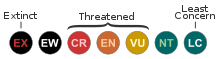
Growth: S = slow M = medium F = fast. Soil: L = light (sandy) M = medium H = heavy (clay). pH: A = acid N = neutral B = basic (alkaline). Shade: F = full shade S = semi-shade N = no shade. Moisture: D = dry M = Moist We = wet Wa = water.
Now available:
Food Forest Plants for Mediterranean Conditions
350+ Perennial Plants For Mediterranean and Drier Food Forests and Permaculture Gardens.
[Paperback and eBook]
This is the third in Plants For A Future's series of plant guides for food forests tailored to
specific climate zones. Following volumes on temperate and tropical ecosystems, this book focuses
on species suited to Mediterranean conditions—regions with hot, dry summers and cool, wet winters,
often facing the added challenge of climate change.
Read More
Expert comment
Author
(Pursh.)Dunal.
Botanical References
43200
Links / References
For a list of references used on this page please go here
Readers comment
| Add a comment |
|
If you have important information about this plant that may help other users please add a comment or link below. Only comments or links that are felt to be directly relevant to a plant will be included. If you think a comment/link or information contained on this page is inaccurate or misleading we would welcome your feedback at [email protected]. If you have questions about a plant please use the Forum on this website as we do not have the resources to answer questions ourselves.
* Please note: the comments by website users are not necessarily those held by PFAF and may give misleading or inaccurate information.
|
Subject : Grindelia squarrosa
|
|
|
|