Translate this page:
Summary
Taxonomic Note: This genus was formerly classified in the family Chenopodiaceae. Modern classifications include it within the Amaranthaceae.
A fast-growing, warm-season annual from Eurasia, fireweed kochia—also called summer cypress, mock cypress, burningbush, or Mexican burningbush—is now a cosmopolitan weed of disturbed soils throughout North America. Its bright-green, finely-textured foliage and red-bronze autumn color make it ornamental, but it is ecologically aggressive and chemically problematic for food use. Both leaves and seeds are technically edible, yet usually harsh, acrid, and nitrate-laden, requiring great care in site selection and preparation. A carefully bred Japanese form is the source of the traditional “tonburi” garnish—an edible seed product resembling caviar—which bears little resemblance in quality to the bitter seeds of wild populations.
Physical Characteristics

 Bassia scoparia is a ANNUAL growing to 0.3 m (1ft) at a fast rate.
See above for USDA hardiness. It is hardy to UK zone 6 and is not frost tender. It is in flower in September, and the seeds ripen in October. The flowers are pollinated by Wind.
Suitable for: light (sandy) and medium (loamy) soils and can grow in nutritionally poor soil. Suitable pH: mildly acid, neutral and basic (mildly alkaline) soils. It cannot grow in the shade. It prefers moist soil and can tolerate drought. The plant can tolerates strong winds but not maritime exposure.
UK Hardiness Map
US Hardiness Map
Synonyms
Chenopodium scoparia. Kochia scoparia. (L.)Schrad. K. trichophila.
Plant Habitats
Cultivated Beds;
Edible Uses
Edible Parts: Leaves Seed
Edible Uses:
Young leaves - cooked[105, 177]. A delicious taste, they are used as a vegetable[179]. A nutritional analysis is available[218]. Some caution is advised, see the notes above on toxicity. Seed - dried and ground into a powder then mixed with cereals when making bread, biscuits etc[61, 105, 177]. Very small and fiddly to use, it is also not a very reliable crop in Britain due to its late season of flowering[K]. On a zero moisture basis, the seed contains 20.4 - 27.5% protein, 8.8 - 16% fat and 3.4 - 9.4% ash[218]. In Japan the seeds are used a food garnish called tonburi. Taste, Processing & Kitchen Notes: Raw or boiled leaves taste bitter-astringent, alkaline, and resinous; repeated boiling cannot fully remove harsh overtones. Wild seeds have an acrid, dusty quinoa-like flavor; repeated soaking and boiling barely improves them.
Cultivated tonburi (Akita Prefecture, Japan) undergoes: 1. Drying ripe seeds, 2. Boiling, 3. Soaking 24 h cold, 4. Hand-rubbing to remove coats, 5. Re-soaking in vinegar water ? mild, green, caviar-textured seed with taste akin to asparagus/artichoke. Wild American seed seldom achieves this quality due to smaller size, higher alkalinity, and excess resins.
References More on Edible Uses
| Composition
|
| Figures in grams (g) or miligrams (mg) per 100g of food.
|
|
|
Leaves (Dry weight)
|
|
- 0 Calories per 100g
- Water : 0%
- Protein: 21.5g; Fat: 2.4g; Carbohydrate: 56.8g; Fibre: 19.7g; Ash: 19.2g;
- Minerals - Calcium: 0mg; Phosphorus: 0mg; Iron: 0mg; Magnesium: 0mg; Sodium: 0mg; Potassium: 0mg; Zinc: 0mg;
- Vitamins - A: 0mg; Thiamine (B1): 0mg; Riboflavin (B2): 0mg; Niacin: 0mg; B6: 0mg; C: 0mg;
- Reference: [ 218]
- Notes:
|
|
Medicinal Uses
Plants For A Future can not take any responsibility for any adverse effects from the use of plants. Always seek advice from a professional before using a plant medicinally.
Antibacterial Antifungal Antiphlogistic Astringent Cardiotonic Diuretic Dysentery Eczema
Skin Urinary
Antibacterial, antifungal[178]. The leaves and fruits are cardiotonic and diuretic[218, 240]. The stems are used in the treatment of dysentery, diarrhoea and dyspepsia[218]. The seed is antiphlogistic, astringent and diuretic[176, 218]. It is used to treat skin infections such as eczema ad scabies, and diseases of the urinary tract[176, 218, 279]. The seed contains harmine, which can have adverse effects upon the gastro-intestinal tract and the central nervous system[279].
References More on Medicinal Uses
The Bookshop: Edible Plant Books
Our Latest books on Perennial Plants For Food Forests and Permaculture Gardens in paperback or digital formats.
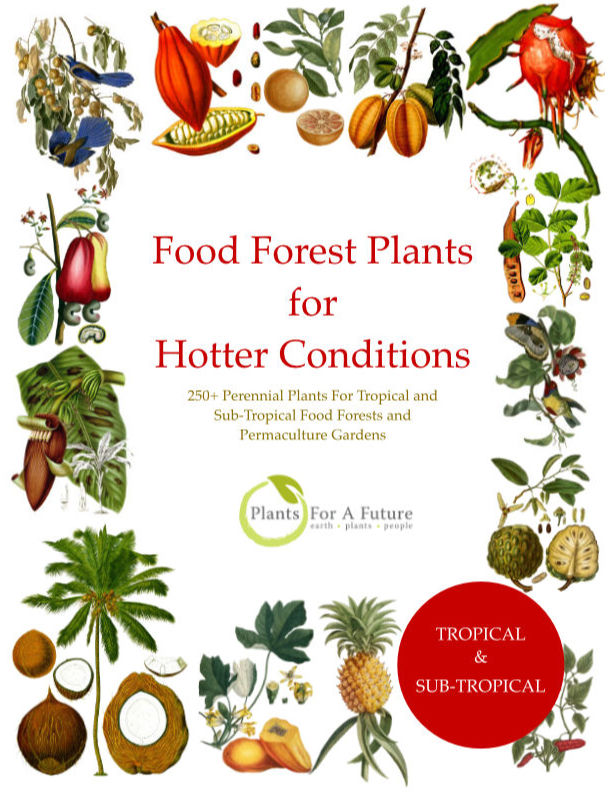
Edible Tropical Plants
Food Forest Plants for Hotter Conditions: 250+ Plants For Tropical Food Forests & Permaculture Gardens.
More
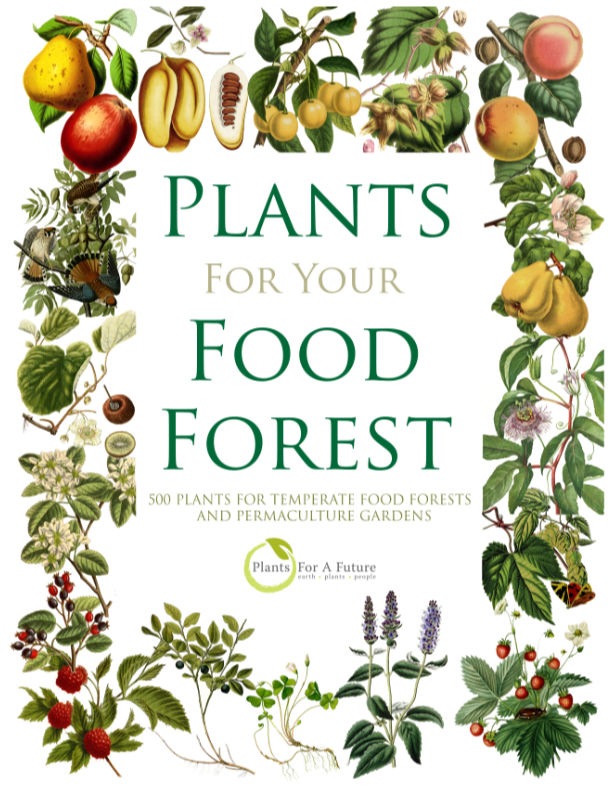
Edible Temperate Plants
Plants for Your Food Forest: 500 Plants for Temperate Food Forests & Permaculture Gardens.
More
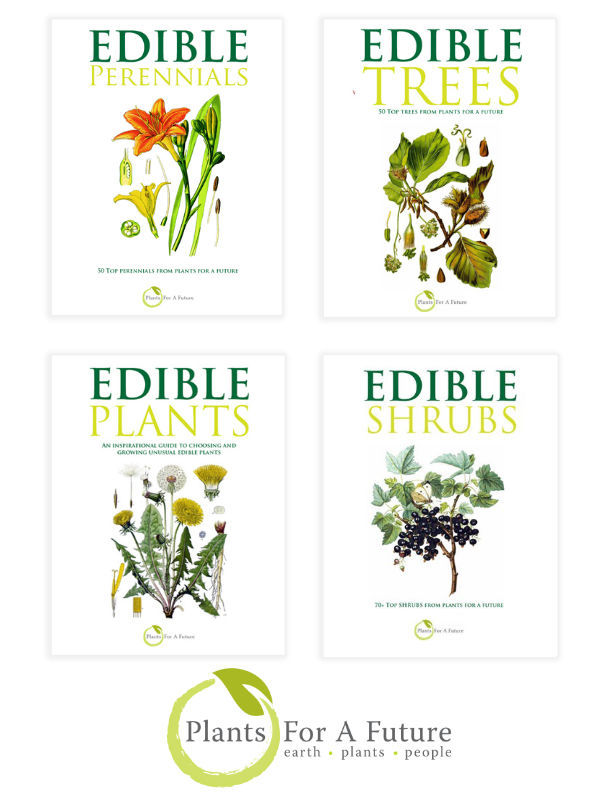
More Books
PFAF have eight books available in paperback and digital formats. Browse the shop for more information.
Shop Now
Other Uses
Broom Fodder
The whole plant is used as a broom[61, 151]. The green form is used[1]. An ornamental for its red fall foliage. It has also been useful in erosion control on denuded soils. It has been suggested as an agent of phytoremediation, because it is a hyperaccumulator of chromium, lead, mercury, selenium, silver, zinc, and uranium. Bassia scoparia contains higher levels of protein and oxalate than most grasses and fodder plants, thus it also serves as a good forage crop for livestock. When grown as ornamental plant, it is a good choice as evergreen foliage plant for landscapes. Ecology & Wildlife: Provides limited forage (low palatability) but consumed by livestock when other feed is absent—can cause nitrate or oxalate poisoning if > 50 % of diet. Offers cover and seed for small birds late season. Successional colonizer that stabilizes soil briefly before giving way to perennials.
Special Uses
References More on Other Uses
Cultivation details
Size & Landscape Performance: Fast annual 0.3–2 m tall; upright to globe-shaped; vivid green turning orange-red-purple in fall. Sometimes planted as temporary hedges or soil stabilizers but self-seeds freely and becomes weedy.Full sun; thrives in poor, alkaline, or disturbed soils—road shoulders, field margins, stockyards. High nitrogen levels encourage lush growth but also toxic nitrate accumulation. Tolerates salinity, drought, and heat; intolerant of shade or waterlogging. An easily grown plant[200], it succeeds in ordinary garden soil[1]. Succeeds in any reasonably fertile light well-drained but moisture retentive soil in a sunny position[200]. A frost tender plant, it is grown as a spring-sown annual in Britain[1]. This species is cultivated in Korea for its use as a broom[151]. The subspecies B. scoparia trichophylla. (Schmeiss.)Schinz.&Thell. is the form most often found in cultivation in Britain[200]. dentification & Habit: Upright, many-branched annual herb with solitary stem base and broom-like canopy. Leaves alternate, narrow-lanceolate (1–5 cm), entire, softly hairy, 3–5-veined, and sessile. Flowers tiny, green, in dense axillary and terminal spikes; calyx lobes 5 that enlarge into thin wings around fruit. Fruits are small utricles enclosed by papery calyces. Foliage turns red to bronze before frost. Pests & Problems: Generally pest-free; over-fertilization leads to excessive nitrate content. Aphids and leaf miners occasionally present. As tumbleweeds, dry skeletons are fire hazards and wind dispersal nuisances.
References Carbon Farming Information and Carbon Sequestration Information
Temperature Converter
Type a value in the Celsius field to convert the value to Fahrenheit:
Fahrenheit:
The PFAF Bookshop
Plants For A Future have a number of books available in paperback and digital form. Book titles include Edible Plants, Edible Perennials, Edible Trees,Edible Shrubs, Woodland Gardening, and Temperate Food Forest Plants. Our new book is Food Forest Plants For Hotter Conditions (Tropical and Sub-Tropical).
Shop Now
Plant Propagation
Seed - sow spring in a greenhouse and plant out in May. The seed can also be sown in situ in late April or early May.
Other Names
If available other names are mentioned here
Burningbush, ragweed, summer cypress, mock-cypress, kochia, belvedere, Mexican firebrush, and Mexican fireweed. Because its texture is similar to caviar, it has been called "land caviar", "field caviar", and "mountain caviar" in Japan.
Native Range
TEMPERATE ASIA: Cyprus, Turkey, Russian Federation-Ciscaucasia (Ciscaucasia), Armenia, Azerbaijan, Russian Federation-Western Siberia (Western Siberia), Kazakhstan, Kyrgyzstan, Tajikistan, Turkmenistan, Uzbekistan, Russian Federation (Primorye, Amur), China (Heilongjiang Sheng, Hebei Sheng, Gansu Sheng, Jilin Sheng, Liaoning Sheng, Shanxi Sheng, Shaanxi Sheng, Qinghai Sheng, Nei Mongol Zizhiqu, Ningxia Huizi Zizhiqu, Xinjiang Uygur Zizhiqu), Korea, Japan (Honshu, Kyushu, Shikoku) TROPICAL ASIA: Nepal EUROPE: Russian Federation-European part (European part)
Weed Potential
Right plant wrong place. We are currently updating this section.
Please note that a plant may be invasive in one area but may not in your area so it's worth checking.
High. One of the most invasive annual forbs in disturbed western rangelands; forms dense monocultures. Competes with crops and native annuals; carries herbicide resistance in some regions. Classified as a noxious weed in multiple U.S. states and Canadian provinces. This plant is listed by the U.S. federal government or a state as a noxious weed. Connecticut
(Kochia scoparia,
common kochia):
Potentially invasive, banned.
Oregon
(kochia):
"B" designated weed.
Quarantine.
Washington
(kochia, kochia, summer-cyprus, burning-bush, fireball, Mexican fireweed):
Class B noxious weed
Noxious weed seed and plant quarantine
Conservation Status
IUCN Red List of Threatened Plants Status : This taxon has not yet been assessed.
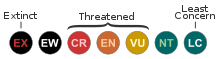
Growth: S = slow M = medium F = fast. Soil: L = light (sandy) M = medium H = heavy (clay). pH: A = acid N = neutral B = basic (alkaline). Shade: F = full shade S = semi-shade N = no shade. Moisture: D = dry M = Moist We = wet Wa = water.
Now available:
Food Forest Plants for Mediterranean Conditions
350+ Perennial Plants For Mediterranean and Drier Food Forests and Permaculture Gardens.
[Paperback and eBook]
This is the third in Plants For A Future's series of plant guides for food forests tailored to
specific climate zones. Following volumes on temperate and tropical ecosystems, this book focuses
on species suited to Mediterranean conditions—regions with hot, dry summers and cool, wet winters,
often facing the added challenge of climate change.
Read More
Expert comment
Author
(L.)A.J.Scott.
Botanical References
60200274
Links / References
For a list of references used on this page please go here
Readers comment
© 2010, Plants For A Future. Plants For A Future is a charitable company limited by guarantee, registered in England and Wales. Charity No. 1057719, Company No. 3204567.