Translate this page:
Summary
Common sunflower is the most useful edible species in the Helianthus genus and one of North America’s most important domesticated food plants. Indigenous peoples selected wild populations for larger seeds and flower heads long before European settlement. Sunflower seeds became a staple food, a source of oil, a trade item, and a culturally important crop across much of the continent. The seeds are by far the best edible part. Ray petals, young receptacles, and leaves are also reported to be edible, but wild plants usually produce coarse, hairy, and strongly resinous foliage. Common sunflower is therefore best regarded as an excellent seed crop with several technically edible but generally poor-quality secondary parts. Common sunflower, Helianthus annuus, belongs to the sunflower family (Asteraceae) and the genus Helianthus. Common names include common sunflower, annual sunflower and wild sunflower. It is an annual rather than a frost-hardy perennial, but it can complete its life cycle in approximately USDA Zones 2–11 where the frost-free season is long enough. Wild plants commonly grow 50–300 cm tall and 30–120 cm wide. Domesticated giant forms can exceed 4 m in height, while compact cultivars may remain under 60 cm. The accepted native range centers on the southwestern United States and Mexico, although cultivation and naturalization have made the species widespread.
Physical Characteristics

 Helianthus annuus is a ANNUAL growing to 3 m (9ft) by 0.3 m (1ft in) at a fast rate.
See above for USDA hardiness. It is hardy to UK zone 3 and is not frost tender. It is in flower from July to September, and the seeds ripen from September to October. The species is hermaphrodite (has both male and female organs) and is pollinated by Bees, flies. The plant is not self-fertile.
It is noted for attracting wildlife.
Suitable for: light (sandy), medium (loamy) and heavy (clay) soils and prefers well-drained soil. Suitable pH: mildly acid, neutral and basic (mildly alkaline) soils. It can grow in semi-shade (light woodland) or no shade. It prefers dry or moist soil and can tolerate drought.
UK Hardiness Map
US Hardiness Map
Synonyms
Helianthus platycephalus Cass. i
Plant Habitats
Cultivated Beds;
Edible Uses
Edible Parts: Flowers Oil Seed Stem
Edible Uses: Coffee Oil
Seed - raw or cooked[4, 14, 94, 101, 183]. A delicious nut-like flavour, but very fiddly to extract due to the small size of the seed. Commercially there are machines designed to do this. Rich in fats, the seed can be ground into a powder[95], made into sunflower butter or used to make seed yoghurt. When mixed with cereal flours, it makes a nutritious bread[244]. Cultivars with up to 50% oil have been developed in Russia[218]. The oil contains between 44 - 72% linoleic acid[218]. The germinated seed is said to be best for seed yoghurt, it is blended with water and left to ferment[183]. The sprouted seed can be eaten raw[183]. A nutritional analysis of the seed is available[218]. Young flower buds - steamed and served like globe artichokes[2, 85, 101, 117, 183]. A mild and pleasant enough flavour, but rather fiddly[K]. Average yields range from 900 - 1,575 kg/ha of seed, however yields of over 3,375 kg/ha have been reported[269]. A high quality edible semi-drying oil is obtained from the seed[4]. It is low in cholesterol[244], and is said to be equal in quality to olive oil[4]. Used in salads, margarines, or in cooking[2, 34, 46, 57, 94, 95, 183, 269]. The roasted seed is a coffee and drinking chocolate substitute[4, 7, 100, 102]. Another report says the roasted hulls are used[183]. The leaf petioles are boiled and mixed in with other foodstuffs[7]. The mature seeds are edible raw or cooked. They may be roasted, sprouted, ground into meal, processed into seed butter, or pressed for oil. Wild seeds are smaller than those of cultivated confectionery types but have a similar flavor and nutritional composition [2-3]. Ray petals may be used sparingly as colorful garnishes. Very young unopened receptacles can be boiled and eaten, but they are often tough and resinous. Leaves are edible according to some references, although their rough hairs, bitter resins and chewy texture make them unsuitable for most meals [2-3]. Edible Uses & Rating: Common sunflower deserves an edibility rating of 5/5, based primarily on its seeds. They are energy-dense, rich in oil and protein, produced in substantial quantities, and easy to store once thoroughly dried. This rating does not apply equally to the foliage and flower heads. Leaves and receptacles are generally poor wild vegetables and would rate closer to 1/5 or 2/5. Their inclusion in edible-plant lists should not distract from the superior value of the seed crop [2-3]. Taste, Processing & Kitchen Notes: Mature kernels have the familiar mild, nutty and oily flavour of cultivated sunflower seed. Light roasting develops a fuller aroma and crisp texture. The high oil content means they can scorch quickly, so moderate heat and regular stirring are preferable. Wild seeds are enclosed in dry fruits called cypselae. Their shells are thinner and often hairier than those of cultivated varieties. Whole cypselae can be chewed and the shells spat out, but the rough hairs may irritate the mouth and throat. Traditional separation may involve coarsely crushing the cypselae and placing the mixture in water. Kernels often float more readily than broken shells, although the process is imperfect. Winnowing, skimming, settling and repeated sorting may all be needed. The leaves commonly have an artichoke-like undertone, but this is overwhelmed by resinous bitterness. Boiling softens the surface hairs without reliably removing the acrid compounds. Young and mature leaves may be equally unpleasant. Immature flower heads are similarly resinous and fibrous, making them inferior substitutes for artichokes. Cultivated dried sunflower kernels are highly nutritious. A 100 g serving provides approximately 584 kilocalories, 20.8 g protein, 51.5 g fat, 20 g carbohydrate and 8.6 g fiber, together with substantial vitamin E, magnesium, phosphorus, potassium, iron and zinc. Wild seeds are likely to have broadly similar qualities, although their smaller size and variable growing conditions affect yield and composition. Seasonality (Phenology): Seeds germinate after soil temperatures rise in spring. Flowering usually begins in summer and can continue into autumn. Individual heads contain many disk florets that mature progressively from the outside towards the center. Seeds are ready when the backs of the heads turn yellow-brown, the floral parts dry, and the kernels become firm and filled. Wild populations may mature unevenly, requiring repeated harvests. Waiting too long allows birds, rodents, and strong winds to remove much of the crop [2-3]. Safety & Cautions (Food Use): Sunflower seeds are widely eaten and generally safe. People with sunflower-seed allergies should avoid them. Moldy, rancid, or badly discolored seeds should be discarded. The hairs and fragments from wild shells may irritate the throat or create a choking risk. Shells are best removed or spat out rather than swallowed in quantity. Sunflowers can absorb elements and pollutants from soil and have been investigated for phytoremediation. Do not harvest food from contaminated industrial ground, mine waste, heavily polluted roadsides or sites treated with herbicides [2-3]. Harvest & Processing Workflow: Harvest mature heads before heavy seed loss begins. Gloves are useful because the stems, leaves, and receptacles can be coarse and abrasive. Cut the heads with a short section of stem and dry them under cover in a well-ventilated area. Rub or knock the cypselae from the dry receptacle. Winnow away loose chaff and inspect the seeds for mold or insect damage. Seeds can then be roasted in their shells, cracked, ground, or processed through flotation. Drying must be complete before storage because the oily kernels become rancid or moldy if moisture remains. Cultivar/Selection Notes: Common sunflower has been extensively domesticated. Confectionery cultivars produce large striped seeds suited to eating, while oilseed cultivars generally produce smaller black seeds with high oil content. Ornamental varieties vary in height, branching, flower color, and pollen production. Wild forms offer local adaptation, genetic diversity, and tolerance of difficult conditions, but produce smaller seeds. Gardeners focused on food production should choose named confectionery or oilseed cultivars rather than rely on wild roadside populations. Look-Alikes & Confusion Risks: Common sunflower resembles other Helianthus species and several yellow-flowered members of related genera. True sunflowers generally have fertile disk florets, sterile ray florets, chaffy receptacles, and angular cypselae bearing two readily detached awns. Common sunflower is usually distinguished by its annual habit, coarse broad leaves, rough branching stems, and relatively large heads. Hybridization with prairie sunflower can produce intermediate plants, making exact identification more difficult where both species occur. Traditional/Indigenous Use Summary: Sunflower was one of the major crops developed by Indigenous peoples of North America. Seeds were roasted, ground into meal, mixed with other foods, made into cakes, and processed for oil. Different communities also used sunflowers for dye, medicine, and ceremonial purposes. Its domestication represents a major achievement in Indigenous agriculture. Modern global sunflower production is built upon crop development that began in North America thousands of years ago [2-3].
References More on Edible Uses
| Composition
|
| Figures in grams (g) or miligrams (mg) per 100g of food.
|
|
|
Seed (Fresh weight)
|
|
- 560 Calories per 100g
- Water : 4.8%
- Protein: 24g; Fat: 47.3g; Carbohydrate: 19.4g; Fibre: 3.8g; Ash: 4g;
- Minerals - Calcium: 120mg; Phosphorus: 837mg; Iron: 7.1mg; Magnesium: 0mg; Sodium: 30mg; Potassium: 920mg; Zinc: 0mg;
- Vitamins - A: 30mg; Thiamine (B1): 1.96mg; Riboflavin (B2): 0.23mg; Niacin: 5.4mg; B6: 0mg; C: 0mg;
- Reference: [ ]
- Notes:
|
|
Medicinal Uses
Plants For A Future can not take any responsibility for any adverse effects from the use of plants. Always seek advice from a professional before using a plant medicinally.
Antipsoriatic Antirheumatic Diuretic Expectorant Febrifuge Malaria Stomachic
A tea made from the leaves is astringent, diuretic and expectorant, it is used in the treatment of high fevers[222]. The crushed leaves are used as a poultice on sores, swellings, snakebites and spider bites[222, 257]. The leaves are harvested as the plant comes into flower and are dried for later use[238]. A tea made from the flowers is used in the treatment of malaria and lung ailments[222, 257]. The flowering head and seeds are febrifuge, nutritive and stomachic[7]. The seed is also considered to be diuretic and expectorant[4, 218, 222]. It has been used with success in the treatment of many pulmonary complaints[4]. A decoction of the roots has been used as a warm wash on rheumatic aches and pains[257].
References More on Medicinal Uses
The Bookshop: Edible Plant Books
Our Latest books on Perennial Plants For Food Forests and Permaculture Gardens in paperback or digital formats.
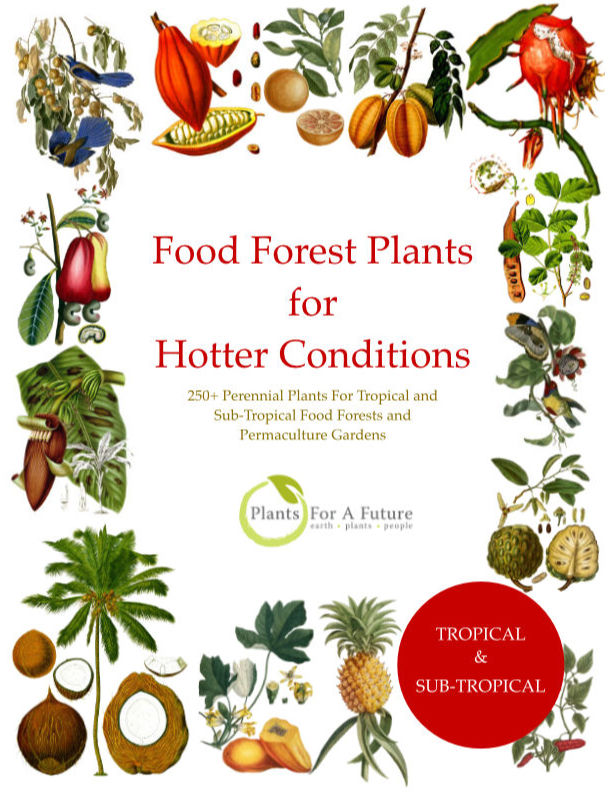
Edible Tropical Plants
Food Forest Plants for Hotter Conditions: 250+ Plants For Tropical Food Forests & Permaculture Gardens.
More
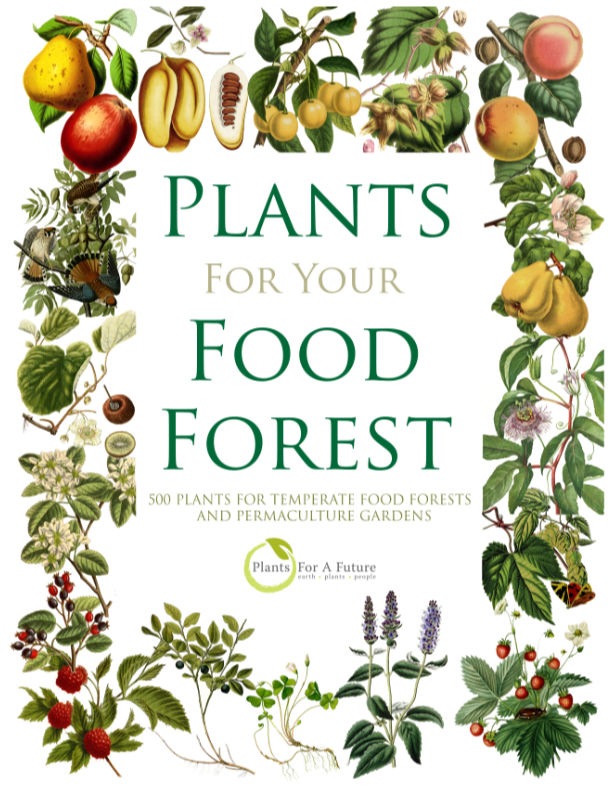
Edible Temperate Plants
Plants for Your Food Forest: 500 Plants for Temperate Food Forests & Permaculture Gardens.
More
More Books
PFAF have eight books available in paperback and digital formats. Browse the shop for more information.
Shop Now
Other Uses
Blotting paper Dye Fibre Fuel Green manure Herbicide Kindling Microscope Oil Paper
Landscape Uses: Border, Container, Foundation, Massing, Seashore, Specimen. An edible semi-drying oil is obtained from the seed. Some varieties contain up to 45% oil[61]. The oil is also used, often mixed with a drying oil such as linseed (Linum usitatissimum) to make soap, candles, varnishes, paint, etc, as well as for lighting. The oil is said to be unrivalled as a lubricant[4, 21, 34, 46, 100, 269]. Blotting paper is made from seed receptacles [2, 4, 101, 117]. High-quality writing paper is made from the inner stalk [4, 14, 100, 101]. The pith of the stems is one of the lightest substances known, with a specific gravity of 0.028 [4]. It has a wide range of applications, being used for purposes such as making life-saving appliances and slides for microscopes[4, 46, 61]. The dried stems make an excellent fuel, the ash is rich in potassium[4]. Both the dried stems and the empty seed receptacles are excellent kindling[4]. A fiber from the stem is used to make paper[4] and a fine quality cloth[1, 94, 101]. A yellow dye is obtained from the flowers[4, 14, 94, 95]. A purple-black dye is obtained from the seed of certain varieties that were grown by the Hopi Indians of S.W. North America[117, 169]. Sunflowers can be grown as a spring-sown green manure; they produce a good bulk of material[87]. Root secretions from the plant can inhibit the growth of nearby plants[201]. A good bee plant, providing large quantities of nectar[18, 34, 244]. The flowers attract beneficial insects such as lacewings and parasitic wasps[238]. These prey on various insect pests, especially aphis[238]. Special Features: Attracts birds, Attractive foliage, North American native, Edible, Naturalizing, Wetlands plant, Attracts butterflies, Suitable for cut flowers, Suitable for dried flowers. Dynamic accumulator. Ecology & Wildlife: The flowers provide valuable nectar and pollen, while mature seeds feed finches, sparrows, doves, and numerous other birds. Rodents and larger mammals also consume the seeds. Stems and heads provide perching sites and overwintering habitat for insects. The deep roots help bind and aerate disturbed soils.
Special Uses
Attracts Wildlife Dynamic accumulator Food Forest
References More on Other Uses
Cultivation details
Common sunflower is an outstanding food, pollinator, and wildlife plant. Its seeds justify the highest edibility rating, while its foliage and immature heads are generally too resinous and rough to be worthwhile. For edible gardens, named seed cultivars offer much greater yields than wild forms. For wildlife gardens and restoration, locally adapted wild sunflowers provide abundant nectar, pollen, and autumn seed. Growing Conditions: Common sunflower requires full sun for strong flowering and seed production. It grows in sandy, loamy, and clay soils, including moderately poor or disturbed ground, but the largest plants develop in deep, fertile, well-drained soil. Established plants tolerate moderate drought because of their deep taproots. Reliable moisture during rapid growth, flowering, and seed filling improves yield. Excess nitrogen can produce weak, excessively tall stems. Habitat & Range: Wild common sunflower occurs in open plains, prairies, roadsides, fields, floodplains, and disturbed sites. Although native to North America, it is now cultivated or naturalized throughout much of the world. Size & Landscape Performance.: Wild plants commonly reach 50–300 cm tall and may branch widely. Cultivated plants range from compact bedding forms to giants exceeding 4 m. Width varies from approximately 30 cm in single-stem forms to more than 120 cm in strongly branching plants. The species provides fast seasonal screening and dramatic flowers but can shade smaller plants. Dried stems and heads remain coarse and conspicuous unless removed. Cultivation (Horticulture): Sow directly after serious frost has passed and the soil has warmed. Direct sowing usually produces stronger plants because the taproot develops rapidly and may be damaged by late transplanting. Allow generous spacing for seed production. Closely spaced plants generally produce smaller heads, while wider spacing encourages larger heads and stronger branching. Crop rotation can reduce soilborne disease. Pests & Problems: Birds, squirrels, and rodents often remove mature seeds. Aphids, beetles, caterpillars, and seed-feeding insects may damage plants. Rust, mildew, leaf spots, and head rots can develop, particularly in humid conditions. Tall plants may lodge in the wind or after heavy rain. Volunteer seedlings can become troublesome where heads are allowed to shed freely. Identification & Habit: Common sunflower is a coarse annual with upright, rough, often branching stems. Leaves are simple, broadly ovate to triangular and usually toothed. Lower leaves are often opposite, while upper leaves become alternate. Heads consist of yellow ray florets surrounding yellow-brown, reddish-brown, or dark purple disk florets. Wild plants usually carry several medium-sized heads rather than one enormous terminal head. Pollinators: Flower heads attract native bees, bumblebees, honeybees, flies, beetles, and butterflies. Hundreds of disk florets open over an extended period, providing dependable pollen and nectar. Branching, pollen-producing varieties provide more ecological value than pollenless cut-flower cultivars. Common sunflower, Helianthus annuus, belongs to the sunflower family (Asteraceae) and the genus Helianthus. Common names include common sunflower, annual sunflower and wild sunflower. It is an annual rather than a frost-hardy perennial, but it can complete its life cycle in approximately USDA Zones 2–11 where the frost-free season is long enough. Wild plants commonly grow 50–300 cm tall and 30–120 cm wide. Domesticated giant forms can exceed 4 m in height, while compact cultivars may remain under 60 cm. The accepted native range centers on the southwestern United States and Mexico, although cultivation and naturalization have made the species widespread. An easily grown plant, it succeeds in most soils[1, 34, 117], including poor soils provided they are deep and well-drained[269], but it grows best in a deep rich soil[1, 200]. Plants are intolerant of acid or waterlogged conditions[269]. Especially when grown for its edible seed, the plant prefers a sunny position[1, 34, 117, 269] though it also tolerates light shade[1]. Requires a neutral or preferably calcareous soil[200]. As sunflowers have highly efficient root systems, they can be grown in areas which are too dry for many other crops[269]. Established plants are quite drought-resistant except during flowering[117, 269]. The sunflower tolerates an annual precipitation of 20 - 400cm, an average annual temperature in the range of 6 - 28°C and a pH in the range of 4.5 - 8.7[269]. The young growth is extremely attractive to slugs, plants can be totally destroyed by them[K]. Members of this genus are rarely if ever troubled by browsing deer or rabbits[233]. The sunflower is a very ornamental plant that is widely grown in gardens and is also a major commercial crop for its edible seed and many other uses[1, 4]. It grows well in Britain, but it does not ripen its seed reliably in this country and so is not suitable for commercial cultivation at the present[K]. It is the state flower of Kansas[85]. Three distinct groups of sunflowers are cultivated:- Giant types grow from 1.8 - 4.2 metres tall with flower heads 30 - 50cm in diameter. The seeds are large, white or gray in colour, sometimes with black stripes, and are the best for culinary purposes, though the oil content is lower than for other types. 'Grey Stripe', 'Hopi Black Dye', 'Mammoth Russian' and 'Sundak' are examples of this type[183, 200, 269]. Semi-dwarf types grow from 1.3 - 1.8 m tall, are early maturing and have heads 17 - 23 cm diameter. The seeds are smaller, black, gray or striped, the oil content is also higher. Examples include 'Pole Star' and 'Jupiter' Dwarf types grow from 0.6 - 1.4 m tall, are early maturing and have heads 14 - 16 cm in diameter[269. The seeds are small but the oil content is the highest. Examples include 'Advance' and 'Sunset'[269]. Some forms are being bred for greater cold tolerance and should be more reliable in Britain[117, 141]. Plants tend to grow better in the south and south-west of England[4]. Most forms require a four month frost-free growing season[117], though some Russian cultivars can mature a crop in 70 days[269]. When plants are grown in cooler latitudes the seed contains higher proportions of polyunsaturated fatty oils[117]. The plant has a strong taproot that can penetrate the soil to depth of 3 metres, it also has a large lateral spread of surface roots[269]. Sunflowers grow badly with potatoes but they do well with cucumbers and corn[18, 20, 201]. A very greedy and vigorous plant, it can inhibit the growth of nearby plants[20]. Plants tend to impoverish the soil if they are grown too often in the same place[117]. In garden design, as well as the above-ground architecture of a plant, root structure considerations help in choosing plants that work together for their optimal soil requirements including nutrients and water. The root pattern is clumping, giving the plant a clumping habit. The predictable growth behaviour makes it easier to maintain without having to apply containment methods[2-1].
References Carbon Farming Information and Carbon Sequestration Information
Temperature Converter
Type a value in the Celsius field to convert the value to Fahrenheit:
Fahrenheit:
The PFAF Bookshop
Plants For A Future have a number of books available in paperback and digital form. Book titles include Edible Plants, Edible Perennials, Edible Trees,Edible Shrubs, Woodland Gardening, and Temperate Food Forest Plants. Our new book is Food Forest Plants For Hotter Conditions (Tropical and Sub-Tropical).
Shop Now
Plant Propagation
Seed - sow in mid spring in situ. An earlier start can be made by sowing 2 - 3 seeds per pot in a greenhouse in early spring. Use a fairly rich compost. Thin to the strongest seedling, give them an occasional liquid feed to make sure they do not become nutrient deficient and plant them out in late spring or early summer. Seed, harvested at 12% moisture content and stored, will retain its viability for several years[269].
Other Names
If available other names are mentioned here
common sunflower, annual sunflower and wild sunflower.
Native Range
NORTHERN AMERICA: Canada (Saskatchewan (south), Alberta (south), Manitoba (south), British Columbia (south)), United States (Connecticut, Indiana, Maine, Massachusetts, Michigan, New Hampshire, New Jersey, New York, Ohio, Pennsylvania, Rhode Island, Vermont, West Virginia, Illinois, Iowa, Kansas, Minnesota, Missouri, Nebraska, North Dakota, Oklahoma, South Dakota, Wisconsin, Colorado, Idaho, Montana, Oregon, Washington, Wyoming, Alabama, Arkansas, Delaware, Florida, Georgia, Kentucky, Louisiana, Maryland, Mississippi, North Carolina, South Carolina, Tennessee, Virginia, District of Columbia, New Mexico, Texas, Arizona, California, Nevada, Utah), Mexico (Baja California (Norte), Chihuahua, Coahuila de Zaragoza, Durango, Nuevo León, Sonora, Tamaulipas)
Weed Potential
Right plant wrong place. We are currently updating this section.
Please note that a plant may be invasive in one area but may not in your area so it's worth checking.
Weed potential is moderate to high. Common sunflower produces abundant seed and readily colonizes bare or disturbed ground. It can become an agricultural weed in fields and field margins. Harvesting heads before dispersal, hoeing seedlings, and rotating crops usually provide effective control.
Conservation Status
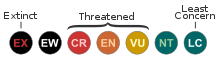
IUCN Red List of Threatened Plants Status : Least Concern.
Growth: S = slow M = medium F = fast. Soil: L = light (sandy) M = medium H = heavy (clay). pH: A = acid N = neutral B = basic (alkaline). Shade: F = full shade S = semi-shade N = no shade. Moisture: D = dry M = Moist We = wet Wa = water.
Now available:
Food Forest Plants for Mediterranean Conditions
350+ Perennial Plants For Mediterranean and Drier Food Forests and Permaculture Gardens.
[Paperback and eBook]
This is the third in Plants For A Future's series of plant guides for food forests tailored to
specific climate zones. Following volumes on temperate and tropical ecosystems, this book focuses
on species suited to Mediterranean conditions—regions with hot, dry summers and cool, wet winters,
often facing the added challenge of climate change.
Read More
Expert comment
Author
L.
Botanical References
60200
Links / References
For a list of references used on this page please go here
Readers comment