Translate this page:
Summary
Wild bergamot is an aromatic perennial wildflower native to much of North America. It grows in prairies, grasslands, open woodlands, mountain meadows, and along forest edges, producing attractive clusters of pinkish-purple flowers during summer. The plant belongs to the mint family and has strongly scented leaves that release a powerful, spicy, mint-like aroma when crushed. Its flowers are equally aromatic, making wild bergamot a useful culinary herb and a popular plant for herbal infusions. Unlike annual beebalms such as lemon beebalm (Monarda citriodora), wild bergamot survives for several years. It develops underground rhizomes that allow established plants to produce new stems each spring and gradually form colonies. The leaves and flowers are edible and can be used as seasonings, herbal teas, or cooked greens. However, their intense flavour makes them better suited to flavouring foods than being eaten in large quantities. Fresh leaves are powerfully minty, sometimes with medicinal or citrus-like accents. Younger leaves are slightly milder than older leaves, although both have a strong flavour. The purple flowers are similarly intense. Boiling greatly reduces the spicy flavor of both leaves and flowers, making them more suitable as cooked greens. The resulting cooking liquid is mild and lacks the strong bitterness or spiciness of the fresh foliage. Wild bergamot is also an important plant for bees, butterflies, hummingbirds, and other pollinators. Its long flowering period and attractive blooms make it particularly valuable in wildlife gardens and naturalistic landscapes. Although the leaves and flowers have established culinary uses, the seeds are not established as edible and should not be recommended for consumption. Bloom Color: Lavender, Pink. Main Bloom Time: Late summer, Mid summer. Form: Upright or erect.
Physical Characteristics

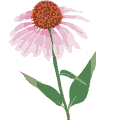 Monarda fistulosa is a PERENNIAL growing to 1.2 m (4ft) by 0.6 m (2ft in) at a medium rate.
See above for USDA hardiness. It is hardy to UK zone 4 and is not frost tender. It is in flower from June to September, and the seeds ripen in August. The species is hermaphrodite (has both male and female organs) and is pollinated by Bees. The plant is self-fertile.
It is noted for attracting wildlife.
Suitable for: light (sandy), medium (loamy) and heavy (clay) soils and can grow in heavy clay soil. Suitable pH: mildly acid, neutral and basic (mildly alkaline) soils. It cannot grow in the shade. It prefers dry or moist soil.
UK Hardiness Map
US Hardiness Map
Synonyms
Homotypic Synonyms: Monarda fistulosa var. typica Sherff. Accepted Infraspecifics: Monarda fistulosa var. fistulosa. Monarda fistulosa var. longepetiolata B.Boivin. Monarda fistulosa var. maheuxii B.Boivin. Monarda fistulosa var. menthifolia (Graham) Fernald. Monarda fistulosa var. mollis (L.) L. Monarda fistulosa var. rubra A.Gray.
Plant Habitats
Woodland Garden Sunny Edge; Cultivated Beds;
Edible Uses
Edible Parts: Flowers Leaves
Edible Uses: Condiment Tea
Wild bergamot is an attractive, aromatic perennial with considerable culinary and ecological value. Its leaves and flowers have a powerful minty flavor that makes them particularly useful as seasonings and herbal infusions. The foliage is easy to gather, and established plants can provide substantial quantities of aromatic material throughout the growing season. Boiling greatly reduces the strong flavour, allowing occasional use as cooked greens. However, wild bergamot is better regarded as a culinary herb than a substantial leafy vegetable. We caution against frequent meal-sized servings. Its seeds are not established as edible and should not be recommended for consumption. Wild bergamot is also valuable in gardens because of its attractive flowers, drought tolerance, and importance to pollinators [2-3]. Edible parts: Leaves and flowers [2-3]. You can use the leaves and flowers of wild bergamot fresh, dried, or cooked. Their principal culinary value is as a strongly aromatic seasoning. The leaves contain volatile aromatic compounds that produce an intense mint-like flavor. Fresh leaves are powerfully minty, with occasional medicinal or citrus-like accents [2-3]. Young leaves are slightly milder than mature leaves, but the difference is relatively small. The flowers are also strongly flavored and can be used to prepare herbal infusions or season foods. Both leaves and flowers have a tender, chewable texture without significant fibrous material. Cooking substantially reduces their flavor intensity, making them more suitable as occasional cooked greens. However, regular consumption of meal-sized quantities is not recommended because of the plant's concentrated aromatic constituents and the limited evidence on the safety of large dietary servings. Seeds: Wild bergamot produces numerous small nutlets during autumn. Seeds are bland, delicately crunchy, and somewhat similar in flavor to chia seeds [2-3]. However, these observations do not establish their safety. No reliable history of seed consumption is identified [2-3]. The seeds should therefore be classified as having unverified edibility and should not be recommended as food. The roots and stems are likewise not established as edible. Edibility Rating: 3 out of 5 – Good edible herb and herbal tea plant. Wild bergamot has considerable culinary value because of its aromatic leaves and flowers. It is particularly useful for flavoring foods and preparing herbal infusions. The foliage is relatively easy to gather, and the plant can produce substantial quantities of leaves during the growing season. However, its extremely strong flavor limits the quantities that are normally desirable. The caution against frequent meal-sized servings also reduces its value as a substantial vegetable. A rating of 3/5 reflects its usefulness as a culinary herb rather than a staple leafy vegetable [2-3]. Taste and Preparation: Wild bergamot has a powerful, minty, spicy flavor that distinguishes it from most ordinary leafy vegetables. The fresh leaves are strongly aromatic, with medicinal and citrus-like notes sometimes present [2-3]. Fresh Leaves: Use fresh leaves in small quantities as a seasoning. Younger leaves are somewhat milder than older foliage, although both remain strongly flavored. The leaves may be finely chopped and added sparingly to savory dishes. Their intense flavor generally makes them unsuitable as the main ingredient in a salad. Cooked Leaves: Boiling greatly reduces the strong minty flavor. This improvement is substantial. Cooked leaves are soft, tender, and free of unpleasant fibrous material. They may be incorporated into mixed greens or other cooked vegetable dishes. However, their use should remain occasional rather than involving frequent large servings. Flowers: The pinkish-purple flowers are edible and have a flavor similar in intensity to the leaves. Use them as aromatic garnishes or add them to herbal infusions. Their attractive color also makes them useful for decorating dishes. Herbal Tea: You can steep wild bergamot leaves and flowers in hot water to make an aromatic infusion. The cooking liquid is surprisingly mild after boiling. It lacks the strong spicy character of the fresh plant. Although wild bergamot is sometimes associated with Earl Grey tea because of its common name, the two are not botanically related. Earl Grey tea is traditionally flavored with bergamot orange (Citrus bergamia), not wild bergamot. The resemblance lies in aspects of their fragrance rather than their botanical relationship. Dried Seasoning: You can dry wild bergamot leaves and flowers for later use. Dried material retains aromatic qualities and may be used to season soups, stews, and other dishes. Dry in a clean, well-ventilated environment away from direct sunlight. Store the dried herb in airtight containers to reduce the loss of volatile aromatic compounds. Seeds: The seeds are small, dark brown, and easily released from mature flower heads. Although they were observed to have a bland, delicately crunchy texture, their edibility remains unverified. Do not recommend them for consumption [2-3]. Seasonality: Wild bergamot is a perennial that produces new above-ground growth during spring. You can gather the leaves from late spring through summer. Flowering generally occurs from June to August in the southwestern mountain habitats. In other parts of North America, flowering may extend into September, depending on elevation and climate. The flowers are available during the main summer blooming period. Seeds mature during late summer and autumn. The above-ground stems generally die back during winter, while the underground rhizomes remain alive. Traditional Uses: Wild bergamot has a long history of use among Indigenous peoples of North America. People have used the aromatic leaves and flowers as seasonings, herbal infusions, and in traditional medicinal preparations. The PFAF field notes emphasize that beebalms were used primarily as flavorings rather than substantial food sources. This is consistent with their powerful aromatic qualities. Culinary Uses: People valued the leaves and flowers for their strong flavor. They could be used to season foods or prepare herbal infusions. Their flavor is so concentrated that relatively small quantities are usually enough. Safety: Wild bergamot leaves and flowers have established culinary uses as seasonings and herbal infusions. However, several precautions are appropriate. Strong Aromatic Compounds: Wild bergamot contains volatile aromatic compounds, including thymol and carvacrol in some chemical types. The concentrations and proportions of these compounds vary among populations. These substances contribute to the plant's strong flavor and aroma. Concentrated preparations may have substantially different effects from ordinary culinary use. Large Quantities: Regularly consuming meal-sized quantities of beebalms may be unhealthful. Use wild bergamot primarily as a seasoning or occasional herbal infusion rather than as a substantial vegetable. A safe maximum daily intake has not been established. Essential Oils: Do not consume concentrated essential oils simply because the leaves and flowers are edible. Essential oils can contain much higher concentrations of biologically active substances and may cause irritation or other adverse effects. Seeds: The seeds are not established as edible. Although we describe their flavor and texture, these observations do not demonstrate safety. Seed consumption is not recommended. Pregnancy and Medical Conditions: Detailed clinical safety information for frequent or medicinal consumption of wild bergamot is limited. Pregnant or breastfeeding people, and those taking medication or managing medical conditions, should avoid concentrated medicinal preparations unless advised by a qualified healthcare professional. Allergic Reactions: Individuals may be sensitive to aromatic plants or their essential oils. Consumption should be discontinued if irritation or other adverse reactions occur. Leaves - raw or cooked. The entire plant above ground level can be used as a potherb[183], though it is rather aromatic. It is also used as a flavouring in salads and cooked foods[46, 105, 183, 213]. The flowers make an attractive edible garnish in salads[183]. The fresh or dried leaves are brewed into a refreshing aromatic tea[183, 257].
References More on Edible Uses
Medicinal Uses
Plants For A Future can not take any responsibility for any adverse effects from the use of plants. Always seek advice from a professional before using a plant medicinally.
Carminative Diaphoretic Diuretic Pectoral Stimulant
Wild bergamot was often employed medicinally by several native North American Indian tribes who used it to treat a variety of complaints, but especially those connected with the digestive system[257]. It is still sometimes used in modern herbalism. The leaves and flowering stems are carminative, diaphoretic, diuretic and stimulant[4, 222]. An infusion is used internally in the treatment of colds, catarrh, headaches, gastric disorders, aching kidneys, to reduce low fevers and soothe sore throats[213, 238, 257]. Externally, it is applied as a poultice to skin eruptions, cuts etc and as a wash for sore eyes[238, 257]. The leaves can be harvested before the plant flowers, or they can be harvested with the flowering stems. They can be used fresh or dried[238]. The plant contains the essential oil 'bergamot oil' which can be inhaled to treat bronchial complaints[213]. The leaves also contain 'thymol', an essential oil that can be used to expel gas from the digestive tract[213].
References More on Medicinal Uses
Other Uses
Repellent
Landscape Uses:Massing. Wild bergamot is an excellent perennial for herb gardens, wildflower meadows, pollinator gardens, and naturalistic landscapes. Its attractive purple flowers and strongly aromatic foliage make it useful both ornamentally and culinarily. The species is generally less demanding than many ornamental beebalm cultivars. It can be planted in perennial borders, prairie gardens, and areas designed to attract pollinators. Wild bergamot is an important nectar plant for pollinating insects. Its tubular flowers attract bees, butterflies, and other flower-visiting insects. Hummingbirds may also visit the flowers. The plant is particularly valuable because it flowers during summer, when pollinators require reliable nectar sources. Wild bergamot is also associated with specialist bees that collect pollen from members of the mint family. Its aromatic foliage may discourage some browsing animals, although deer and other herbivores can still feed on the plant. In native landscapes, wild bergamot contributes to plant diversity and provides habitat for numerous insects. The leaves have been used as an insect repellent[257].
Special Uses
Attracts Wildlife Food Forest
References More on Other Uses
Cultivation details
Wild bergamot grows best in full sun to partial shade and well-drained soils with moderate moisture. It is adaptable to sandy, loamy, and rocky soils. The plant is particularly well suited to prairies, open grasslands, woodland edges, and mountain meadows. It can tolerate periods of drought once established, although prolonged moisture stress may reduce flowering and foliage production. Wild bergamot generally performs best with good air circulation. Dense planting and humid conditions may encourage powdery mildew, a common problem affecting some cultivated beebalms. The plant can grow in relatively poor soils and usually does not require heavy fertilization. Excessive fertilization may encourage soft, leafy growth rather than strong flowering. Habitat: Wild bergamot is native to a broad area of North America. It occurs in grasslands, prairies, open woodlands, forest edges, mountain meadows, and canyon habitats. The species is particularly widespread across the central and northern United States and southern Canada. The variety var. menthifolia is associated with the mountains of the American Southwest. These populations commonly grow in mountain meadows, open forests, and canyons. The plant often occurs in locations receiving more moisture than the surrounding desert lowlands. It may form scattered colonies or larger patches where conditions remain suitable. USDA Hardiness Zones: USDA Zones 3–9 (approximate). Wild bergamot is a cold-hardy perennial that survives winter through its underground root system and rhizomes. It grows across a wide range of North American climates, including regions with severe winter frosts. The above-ground stems generally die back during winter, with new growth emerging in spring. Hardiness can vary among populations and varieties. The southwestern var. menthifolia is adapted to mountain climates with cold winters and relatively dry summers. The suggested range is a horticultural estimate rather than a verified hardiness classification for every population. Growth Rate: Moderate to fast. Wild bergamot grows vigorously when provided with adequate sunlight and soil moisture. Young plants generally spend their first growing season establishing their root systems. Once established, perennial plants produce new stems each spring and can gradually spread through underground rhizomes. Under favorable conditions, plants can form sizeable colonies. Growth is generally slower in dry, nutrient-poor soils and faster in moist, well-drained sites. Mature Size: Height: typically 60–120 cm (24–47 inches). Some populations may remain considerably shorter, particularly in dry or exposed habitats. The southwestern var. menthifolia is approximately 30–90 cm tall. Spread: Commonly 30–60 cm for an individual clump, although colonies can expand considerably through rhizomes. The plant has upright, branching stems and a relatively open growth habit. Mature plants often produce several flowering stems from a shared underground root system. Cultivation: Wild bergamot is an excellent perennial for herb gardens, wildflower meadows, pollinator gardens, and naturalistic landscapes. Its attractive purple flowers and strongly aromatic foliage make it useful both ornamentally and as a culinary herb. The plant grows best in full sun, although it tolerates partial shade. It prefers well-drained soil with moderate moisture but can tolerate relatively dry conditions once established. Good air circulation is important because wild bergamot can develop powdery mildew, particularly in humid environments or crowded plantings. The species is generally less demanding than many ornamental beebalm cultivars. It can be planted in perennial borders, prairie gardens, and areas designed to attract pollinators. Its spreading rhizomes allow it to form colonies, so give it enough space. For culinary cultivation, avoid pesticides unsuitable for edible plants and harvest only healthy foliage. Identification: Wild bergamot is an upright, aromatic perennial with opposite leaves, square stems, and conspicuous clusters of pinkish-purple flowers. Stems: The stems are upright, branching, and typically square in cross-section. They emerge from a perennial underground root system. The stems may be smooth or covered with fine hairs. Mature plants often produce several stems in a clump. Leaves: The leaves are simple and arranged oppositely. They are generally lance-shaped to broadly triangular or ovate. The margins may be smooth or toothed, although toothed margins are common. Leaf stalks are usually short. The foliage releases a strong minty, spicy aroma when crushed. The leaves of var. menthifolia are lanceolate or triangular, with stalks generally less than 1 cm long. Flowers: The flowers are arranged in dense, rounded clusters, usually at the ends of the stems. Leafy or colored bracts surround the clusters. The corollas are generally pinkish-purple, lavender, or pale purple. Each flower is tubular and divided into two lips. The upper lip is long, narrow, and arching. The lower lip provides a landing surface for visiting insects. The calyx has five teeth and approximately 15 longitudinal veins. There are two fertile stamens. This is an important botanical feature because relatively few members of the mint family have only two fertile stamens. Fruits and Seeds: The fruits develop into small nutlets within the persistent calyces. The nutlets are generally smooth and dark brown when mature. They are released from dried flower heads during late summer and autumn. The seeds are small, dark brown, and easily shaken from the flower heads. Although their texture and flavor were assessed, their edibility remains unverified. Roots: Wild bergamot has a perennial root system with spreading rhizomes. These underground structures allow plants to survive winter and produce new shoots each spring. The roots are not established as edible. Similar Species: Lemon Beebalm (Monarda citriodora): Lemon beebalm is generally an annual, whereas wild bergamot is perennial. Lemon beebalm produces distinctive tiers of flowers along its stems, often surrounded by colorful bracts. Wild bergamot generally produces prominent terminal flower heads. Both species have aromatic leaves and flowers that can be used as seasonings or herbal infusions. The PFAF field notes describe lemon beebalm as extremely spicy, while wild bergamot has a particularly strong minty flavor. Spotted Beebalm (Monarda pectinata): Spotted beebalm is another aromatic annual native to the American Southwest. It generally grows in sandy plains and mesas. Our field notes describe plants approximately 10–30 cm tall, considerably shorter than many wild bergamot populations. Spotted beebalm has white or pink flowers arranged in tiered clusters. Wild bergamot usually has larger terminal heads of pinkish-purple flowers. Both species have strongly flavored leaves and flowers. Spotted Horsemint (Monarda punctata): Spotted horsemint produces distinctive pale flowers with purple spots, surrounded by conspicuous bracts. Its flower heads are generally arranged in tiers. Wild bergamot usually has more uniformly pinkish-purple flowers. Both species are aromatic, but their chemical composition and culinary characteristics may differ. Scarlet Beebalm (Monarda didyma): Scarlet beebalm is a perennial species with bright red flowers. It is widely cultivated in ornamental gardens. It generally prefers moister growing conditions than wild bergamot. Although both species are used in herbal teas, identify them separately because their flavor profiles and traditional uses differ. Important Taxonomic Note: The accepted species name is Monarda fistulosa L. Monarda fistulosa var. menthifolia, a western variety associated with mountain habitats. This variety has also appeared in botanical literature under the name Monarda menthifolia. Botanical authorities have classified western populations differently, with some recognizing distinct varieties and others treating them more broadly within M. fistulosa. Easily grown in ordinary garden soil so long as it is not too dry[1, 200]. Grows well in heavy clay soils. Requires moist soil and a sunny position[1, 200], though it also succeeds in light shade[187]. This species thrives when grown in dry soil[233, 238, K]. It prefers alkaline soil conditions[238]. Plants are hardy to at least -25°c[187]. A very ornamental plant; there are several named varieties[1, 233]. A good bee plant[200]. Subject to mildew in dry summers[200]. Special Features: Attracts birds, North American native, attracts butterflies, Suitable for cut flowers, Attractive flowers or blooms. The plant is heat tolerant in zones 9 through 1. (Plant Hardiness Zones show how well plants withstand cold winter temperatures.
Plant Heat Zones show when plants would start suffering from the heat.
The Plant Heat Zone map is based on the number of "heat days" experienced in a given area where the temperature climbs to over 86 degrees F (30°C). At this temperature, many plants begin to suffer physiological damage. Heat Zones range from 1 (no heat days) to 12 (210 or more heat days).
For example, Heat Zone 11-1 indicates that the plant is heat tolerant in zones 11 through 1.) For polyculture design, as well as the above-ground architecture (form - tree, shrub, etc., and size shown above), information on the habit and root pattern is also useful and given here if available. The plant growth habit is a runner, spreading indefinitely by rhizomes or stolons [1-2]. The root pattern is rhizomatous, with underground stems sending roots and shoots along their length [1-2].
References Carbon Farming Information and Carbon Sequestration Information
Temperature Converter
Type a value in the Celsius field to convert the value to Fahrenheit:
Fahrenheit:
Plant Propagation
Wild bergamot can be propagated by seed, division, and stem cuttings. Seeds: The plant produces small nutlets that mature after flowering. Collect seeds from dry flower heads in late summer and autumn. They may be sown in autumn or spring. Cold, moist stratification can improve germination in some populations, although requirements vary. Sow seeds shallowly because they are small. Division: You can divide established perennial clumps in spring or autumn. Division is particularly useful because wild bergamot spreads through underground rhizomes. Each division should contain healthy roots and viable shoots or buds. Replant divided plants promptly and water until established. Stem Cuttings: Take softwood stem cuttings during active growth. Place cuttings in a moist, well-drained propagation medium and protect them from excessive heat or drying. Rooting success depends on growing conditions and the maturity of the cutting material.
Other Names
If available other names are mentioned here
Wild bergamot, bee balm, wild beebalm, mintleaf beebalm, horsemint, purple beebalm.
Native Range
NORTHERN AMERICA: Canada, Québec (southwest), Ontario (south), Saskatchewan (south), Alberta, Manitoba (south), British Columbia (south), United States, Connecticut, Indiana, Maine, Massachusetts, Michigan, New Hampshire, New Jersey, New York, Ohio, Pennsylvania, Rhode Island, Vermont, West Virginia, Illinois, Iowa, Kansas, Minnesota, Missouri, Nebraska, North Dakota, Oklahoma, South Dakota, Wisconsin, Colorado, Idaho, Montana, Wyoming, Alabama, Arkansas, Delaware, Georgia, Kentucky, Louisiana, Maryland, Mississippi, North Carolina, South Carolina, Tennessee, Virginia, New Mexico, Texas, Arizona, Utah, Mexico, Coahuila de Zaragoza,
Weed Potential
Right plant wrong place. We are currently updating this section.
Please note that a plant may be invasive in one area but may not
in your area so it's worth checking.
Low to moderate. Wild bergamot is not generally regarded as a serious invasive weed within its native range. However, it spreads through underground rhizomes and can form expanding colonies. It also reproduces by seed. In gardens, established plants may be controlled by dividing the plant or removing unwanted shoots. This spreading habit is usually manageable through division or removal of unwanted shoots. The species is generally less aggressive than some cultivated beebalm hybrids. Outside its native range, consider its ability to naturalize before planting near sensitive natural habitats.
Conservation Status
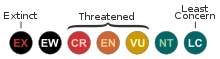
IUCN Red List of Threatened Plants Status : Not available.
IUCN Red List
Growth: S = slow M = medium F = fast. Soil: L = light (sandy) M = medium H = heavy (clay). pH: A = acid N = neutral B = basic (alkaline). Shade: F = full shade S = semi-shade N = no shade. Moisture: D = dry M = Moist We = wet Wa = water.
Support Plants For A Future
Plants For A Future relies on regular donations to keep our free database and search facilities going, to pay for ongoing research, improvements and enhancements, and to develop and publish new books.
Read more
Choose Currency
Donate in £ GBP
Donate in $ USD
Donate in € EUR
Securely pay via PayPal or Credit/Debit Card without an account.
Expert comment
Author
L.
Botanical References
43200
Links / References
For a list of references used on this page please go here
Readers comment
| Add a comment |
|
If you have important information about this plant that may help other users please add a comment or link below. Only comments or links that are felt to be directly relevant to a plant will be included. If you think a comment/link or information contained on this page is inaccurate or misleading we would welcome your feedback at [email protected]. If you have questions about a plant please use the Forum on this website as we do not have the resources to answer questions ourselves.
* Please note: the comments by website users are not necessarily those held by PFAF and may give misleading or inaccurate information.
|
Subject : Monarda fistulosa
|
|
|
|